Stewart Island (Rakiura) is an accredited International Dark Sky Sanctuary, recognized for its exceptional quality of starry nights and a nocturnal environment protected for its scientific, natural, educational, and cultural heritage. It offers some of the world’s lowest levels of light pollution, making it a premier destination for viewing the Aurora Australis and the Milky Way.
Located at the bottom of the world, Stewart Island—known in Māori as Rakiura, or “The Land of Glowing Skies”—lives up to its name by offering one of the most pristine night sky environments on Earth. In 2019, the International Dark-Sky Association (IDA) officially designated Stewart Island/Rakiura as an International Dark Sky Sanctuary. This distinction is reserved for the most isolated and darkest locations globally, marking it as a bucket-list destination for astrotourists, photographers, and conservationists alike.
For travelers seeking a profound connection with the cosmos, the Stewart Island dark sky experience is unrivaled. The island’s southern latitude, combined with a tiny population and minimal artificial light, creates a viewing platform where celestial bodies appear with startling clarity. Whether you are hunting the elusive Southern Lights or simply wishing to see the Galaxy as our ancestors did, Rakiura provides a commercial and ecological sanctuary like no other.
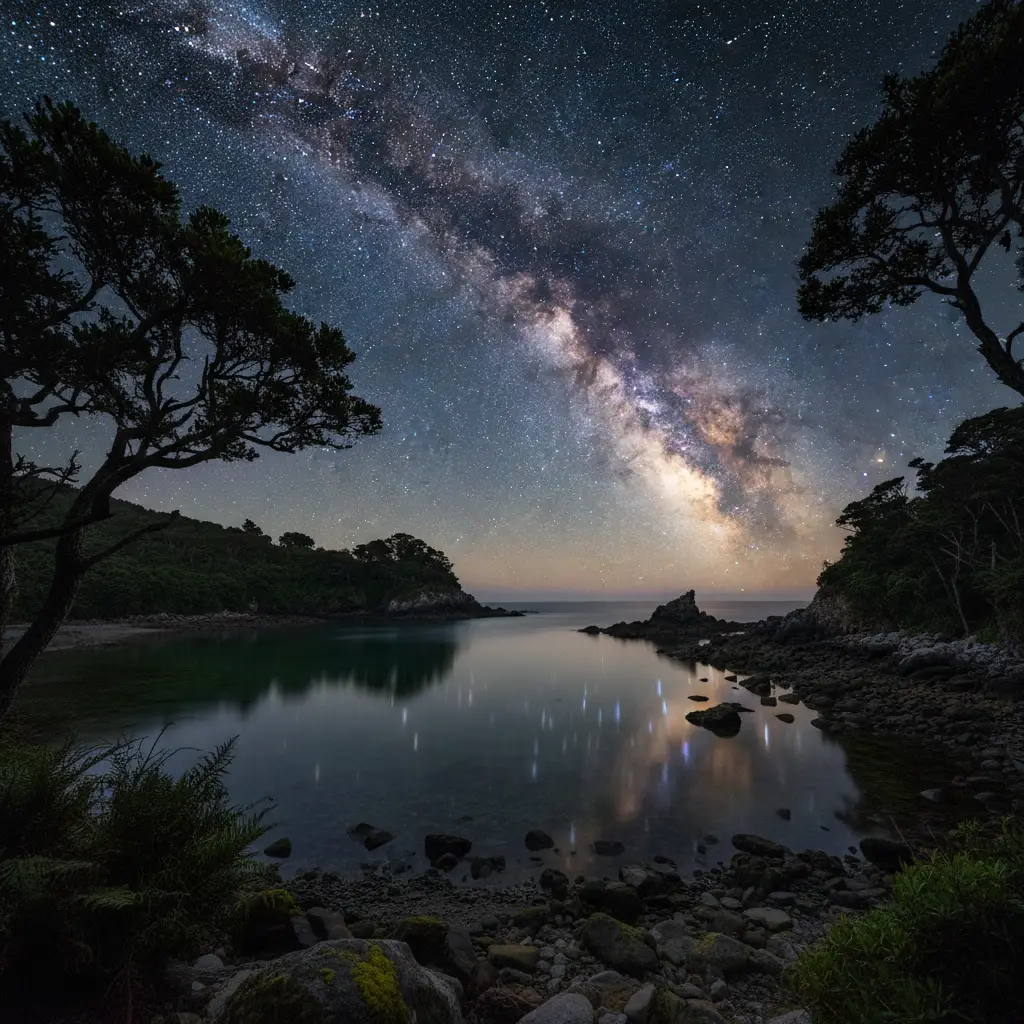
Why is Rakiura a Dark Sky Sanctuary?
The designation of Stewart Island as an International Dark Sky Sanctuary is not merely a label; it is a testament to the island’s unique environmental conditions and community commitment. But what exactly qualifies it for this prestigious status?
A Dark Sky Sanctuary is distinct from a Dark Sky Park or Reserve. Sanctuaries are typically situated in very remote locations with few (if any) nearby threats to the quality of the dark night sky. Rakiura fits this description perfectly. With a permanent population of approximately 400 residents, mostly concentrated in the settlement of Oban, roughly 85% of the island constitutes the Rakiura National Park. This vast wilderness ensures that light pollution is virtually non-existent.
Measurements of sky darkness are often taken using a Sky Quality Meter (SQM). Readings on Stewart Island frequently exceed 21.75 magnitudes per square arcsecond, approaching the theoretical maximum darkness possible on Earth. This level of darkness allows the naked eye to see thousands of stars, whereas in a typical city environment, one might see fewer than 50. The protection of this darkness is vital not just for tourism, but for the local wildlife. Rakiura is home to the Southern Brown Kiwi (Tokoeka), which is active both day and night but relies on natural light cycles. Artificial light at night (ALAN) can disrupt the circadian rhythms of these native species, making the Dark Sky Sanctuary status a critical tool for ecological conservation.
What are the chances of seeing the Southern Lights?
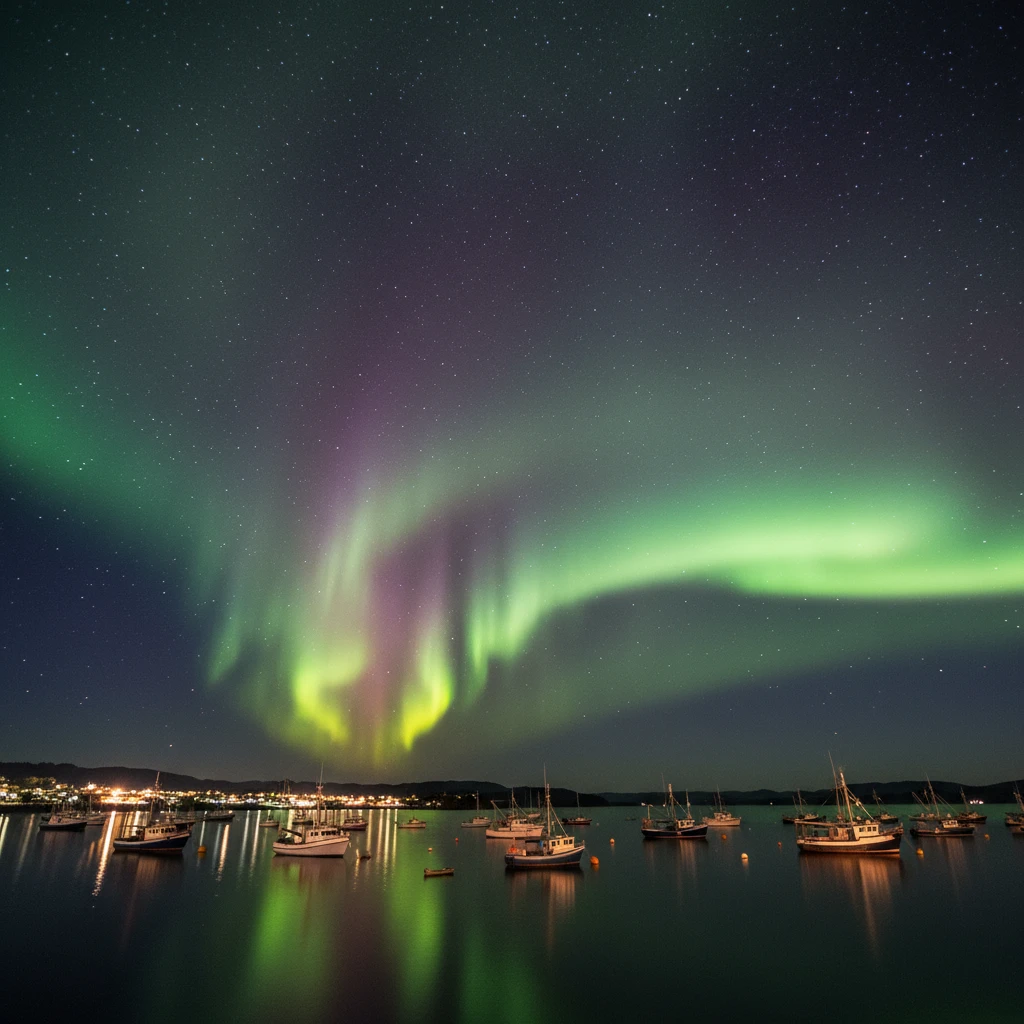
One of the primary commercial draws for the Stewart Island dark sky market is the potential to witness the Aurora Australis. Unlike the Aurora Borealis in the north, which is often associated with the Arctic Circle, the Southern Lights are visible from lower latitudes due to the position of the South Magnetic Pole.
Rakiura lies at 47 degrees South. While this is not within the Antarctic Circle, the lack of light pollution means that even a moderate geomagnetic storm (Kp index of 4 or 5) can produce a visible display. During periods of high solar activity, the sky to the south can erupt in curtains of green, pink, and violent light.
When is the best time to visit for Auroras?
While the Aurora Australis can occur at any time of year, the best viewing opportunities coincide with the longest nights. The winter months between April and September offer the greatest window of darkness. During the winter solstice in June, Stewart Island experiences over 15 hours of darkness, maximizing your chances of a sighting. However, visitors in the shoulder seasons (March and October) also frequently report sightings.
To maximize your probability of success, visitors should monitor real-time solar data and weather forecasts. Cloud cover is the enemy of stargazing; however, Rakiura’s weather is changeable, and clear skies often follow swiftly after rain showers.
Where is Observation Rock and other viewing points?
While you can see the stars from virtually anywhere on the island, certain locations offer superior vantage points, particularly for those looking to capture the horizon or escape the faint glow of Oban’s streetlights.
Observation Rock
Observation Rock is arguably the most famous stargazing platform on the island. Located just a short, steep walk from the center of Oban, this lookout provides a 270-degree view toward the south and west. It is the ideal location for Aurora hunting because it offers an unobstructed view of the southern horizon over Paterson Inlet (Whaka a Te Wera). The elevation here lifts you above the low-lying vegetation, placing you directly beneath the celestial dome.
Ackers Point Lighthouse
For those willing to undertake a slightly longer walk at night, the track to Ackers Point Lighthouse is rewarding. The lighthouse acts as a dramatic foreground subject for photographers, while the point itself juts out into the ocean, moving you further away from the settlement lights. The sound of Little Blue Penguins returning to their nests often accompanies stargazers here, adding an auditory layer to the sensory experience.
Lee Bay
Situated at the entrance to the Rakiura National Park, Lee Bay is accessible by road or a longer walk. It features the famous chain link sculpture symbolizing the anchor of Maui’s canoe. The beach here faces north-east, making it less ideal for Aurora but spectacular for moonrises and the rising of the galactic core of the Milky Way.
What Night Tours are available in Oban?
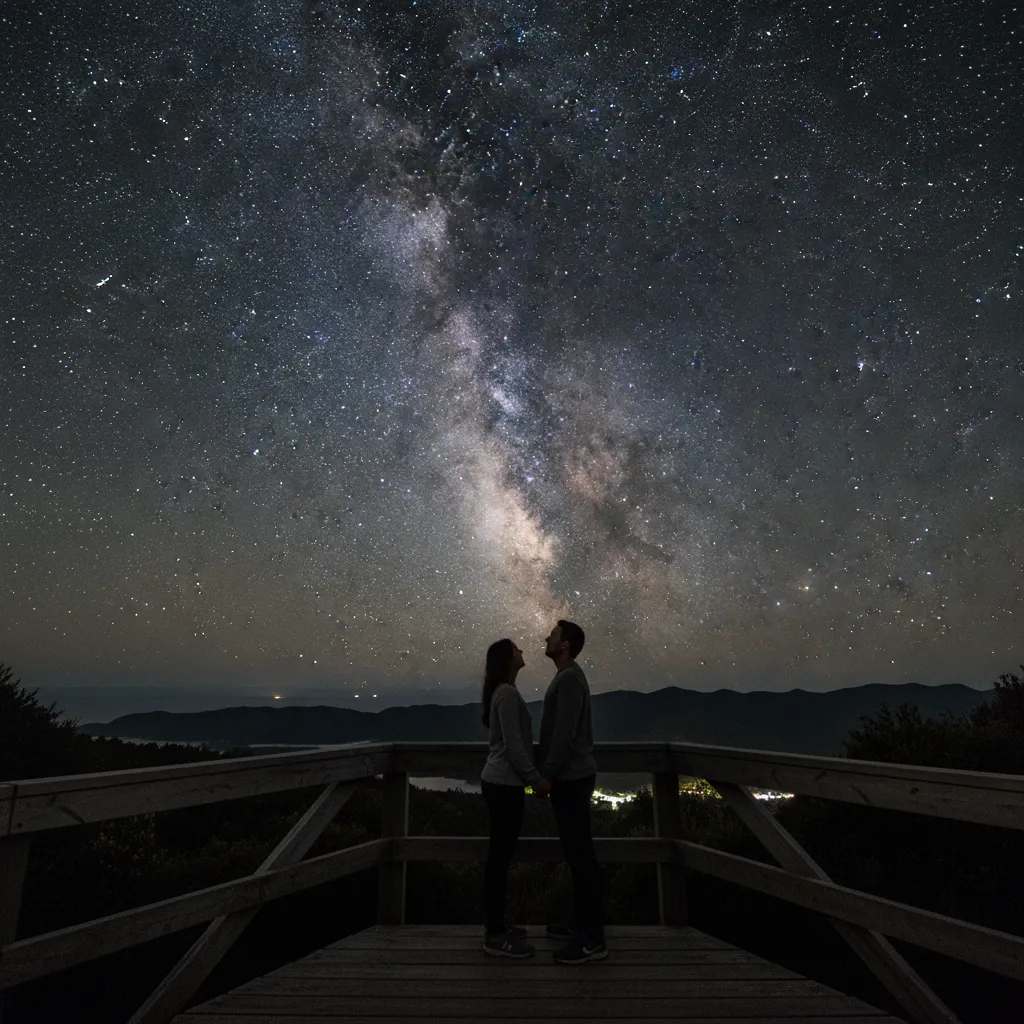
To fully appreciate the Stewart Island dark sky, engaging with a local commercial operator is highly recommended. Local guides provide context, storytelling, and access to areas that might be difficult to navigate alone in the dark.
Guided Astrotourism Experiences
Several local operators offer dedicated dark sky tours. These experiences often include transport to remote viewing locations, the use of high-quality telescopes, and expert commentary on the southern constellations. In the Southern Hemisphere, the sky looks different than in the North; guides will point out the Southern Cross (Crux), the Pointers (Alpha and Beta Centauri), and the Magellanic Clouds—dwarf galaxies orbiting the Milky Way that are visible to the naked eye only from the southern latitudes.
These tours are designed for all levels of interest, from casual observers to serious astronomers. Many guides also incorporate Māori astronomy (Tātai Arorangi), explaining how Polynesians used the stars for navigation and agriculture.
Kiwi Spotting and Dark Skies
A unique feature of Stewart Island tourism is the intersection of wildlife and astronomy. Because the Southern Brown Kiwi is active at night, many “Kiwi Spotting” tours double as dark sky experiences. Taking a tour to a location like Ocean Beach or a private sanctuary allows visitors to search for the iconic bird by torchlight (using red light to minimize disturbance) while under a canopy of brilliant stars. This dual-purpose touring is efficient for visitors on a tight schedule and emphasizes the ecological connection between the dark skies and the island’s biodiversity.
How to photograph the night sky on Stewart Island?
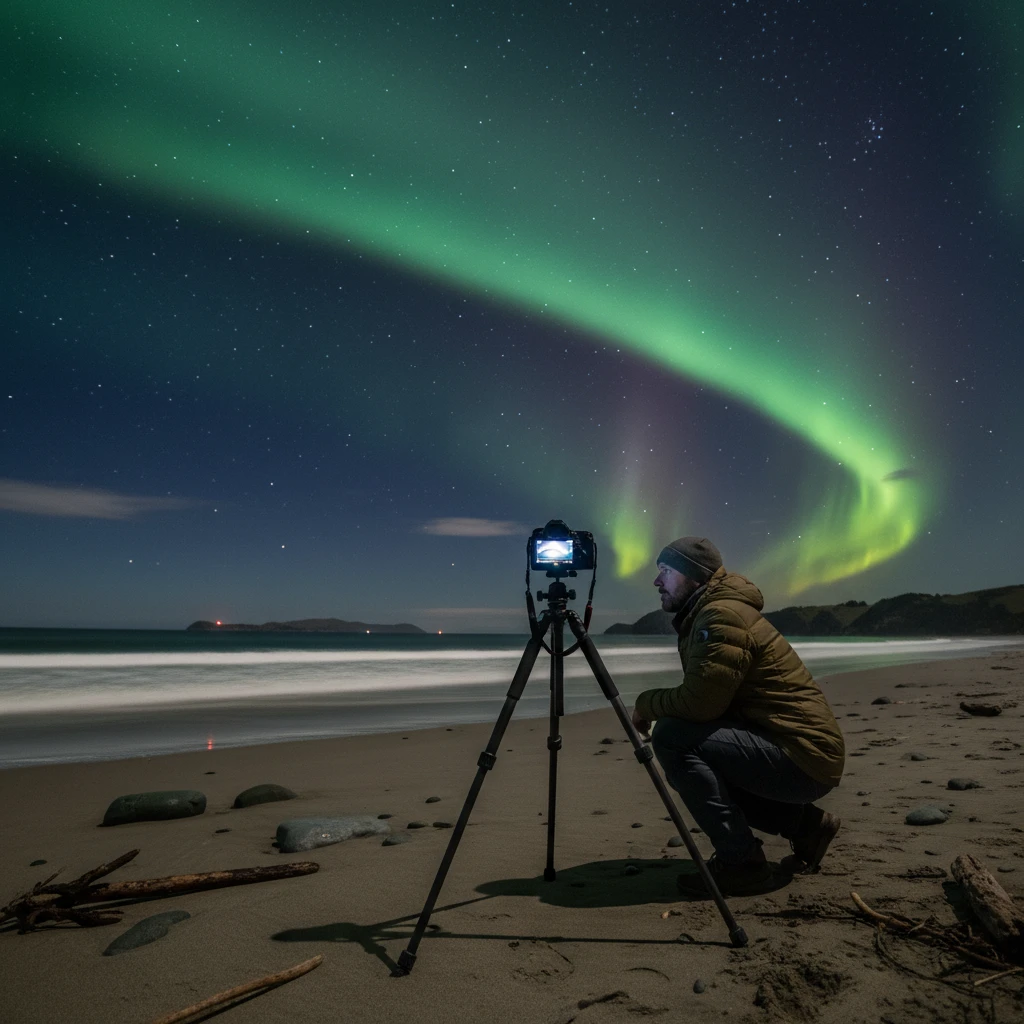
Capturing the Stewart Island dark sky requires preparation and the right equipment. The low light levels that make the island perfect for viewing also make it challenging for standard camera settings.
Essential Gear:
- Tripod: A sturdy tripod is non-negotiable. Long exposure times are required, and any movement will blur the stars.
- Fast Wide-Angle Lens: A lens with an aperture of f/2.8 or lower is ideal to let in maximum light.
- Manual Mode Camera: You must be able to control ISO, shutter speed, and aperture manually.
Recommended Settings:Start with an ISO of 1600 to 3200. Set your aperture to the widest possible setting (lowest f-number). Set your shutter speed between 15 and 25 seconds. If you expose for longer than 25 seconds, the rotation of the earth will cause the stars to trail (unless that is your desired effect).
Composition Tips:Use the unique Rakiura landscape to ground your images. Silhouettes of Rimu trees, the calm waters of the inlets, or the rugged rocky outcrops add scale and context to the infinite sky. If you are shooting the Aurora, look for reflections in the water to double the impact of the light display.
Planning Your Trip: Logistics
Visiting a remote island requires careful logistical planning, especially when your primary goal is nocturnal observation.
Getting There
Stewart Island is accessible by a one-hour ferry ride across the Foveaux Strait from Bluff, or a 20-minute flight from Invercargill. The flight offers a stunning aerial perspective of the island’s topography, while the ferry is a classic southern experience (though it can be rough). If you are bringing heavy camera gear, the ferry may offer more generous baggage allowances.
Accommodation
Accommodation in Oban ranges from backpacker hostels to luxury lodges. For dark sky enthusiasts, consider booking accommodation that is slightly removed from the center of town or offers private decks with southern views. Many lodges are accustomed to guests coming and going at odd hours of the night and may provide red-light torches or late checkout options.
Clothing and Safety
The nights on Rakiura can be cold, even in summer. The Antarctic blast is a real weather phenomenon here. Dress in multiple warm layers, wear a beanie and gloves, and ensure you have a waterproof outer layer. If you are venturing out alone, always carry a torch (preferably red light) and let someone know your plans. The roads are unlit, and walking tracks can be uneven.
Stewart Island’s status as a Dark Sky Sanctuary is a rare resource in our increasingly illuminated world. It offers a commercial tourism product that is sustainable, educational, and deeply moving. Whether you catch the dancing ribbons of the Aurora or simply stand in awe of the Milky Way’s density, a trip to Rakiura changes your perspective on the night.
What is the best month to see the Aurora on Stewart Island?
The best months are during the winter season, from April to September, when the nights are longest. However, Auroras can occur year-round if solar activity is high, and the equinoxes (March and September) are also known for increased geomagnetic activity.
Do I need a tour guide to see the stars on Stewart Island?
No, you do not need a guide to see the stars; the light pollution is so low that stargazing is excellent from almost anywhere. However, a guide provides valuable knowledge about southern constellations, access to telescopes, and safe transport to the best viewing spots.
Is Stewart Island a Dark Sky Reserve or Sanctuary?
Stewart Island is an International Dark Sky Sanctuary. This is a higher distinction than a Reserve, typically awarded to more remote locations with darker skies and a focus on conservation of the nocturnal environment rather than just public outreach.
Can you see the Milky Way with the naked eye on Stewart Island?
Yes, the Milky Way is clearly visible to the naked eye on clear nights. The central core of the galaxy is often overhead or high in the sky during the winter months, appearing as a bright, textured band of light and dark dust lanes.
How do I get to Observation Rock?
Observation Rock is located in Oban. It is an uphill walk of approximately 15-20 minutes from the waterfront / ferry terminal area. The walk is steep but follows a sealed road and a short track, making it accessible for most people with moderate fitness.
What should I wear for stargazing on Rakiura?
Dress warmly. Wear thermal base layers, a fleece or wool mid-layer, and a windproof/waterproof jacket. A warm hat (beanie) and gloves are essential, as you will be standing still for long periods in temperatures that can drop near freezing.