Sanctuary Mountain Maungatautari features the largest pest proof fence in NZ, encircling 3,400 hectares of ancient rainforest. This 47-kilometer engineering marvel utilizes specialized Xcluder mesh technology to create an impenetrable barrier against invasive mammals, allowing native flora and fauna to thrive in a pre-human ecosystem environment.
The Engineering Behind the Largest Pest Proof Fence in NZ
The concept of an ecological island on the mainland is a bold conservation strategy, and Sanctuary Mountain Maungatautari stands as the global pinnacle of this ambition. At the heart of this project lies the largest pest proof fence in NZ, a structure that redefines the boundaries between human-impacted environments and pristine nature. Spanning 47 kilometers (29 miles) around the perimeter of the dormant volcano, this fence is not merely a boundary; it is a sophisticated exclusion system designed with zero tolerance for mammalian pests.
Constructing this barrier required navigating steep, rugged volcanic terrain, presenting immense logistical challenges. The fence stands approximately 2 meters high and employs a specific design known as the Xcluder pest-proof fencing system. Unlike traditional agricultural fencing, every component of this structure is engineered to target specific behaviors of invasive species such as possums, rats, stoats, ferrets, cats, and mice.

How does the pest-proof technology work?
The efficacy of the fence relies on three critical design elements: the mesh, the hood, and the skirt. The mesh is woven from marine-grade stainless steel with apertures small enough to prevent even a juvenile mouse from squeezing through. This durability ensures the fence can withstand the humid, corrosive environment of the rainforest for decades.
At the top of the fence, a curved metal hood acts as an insurmountable overhang. Climbing pests like possums and feral cats, which are adept at scaling vertical surfaces, find themselves unable to navigate the convex curve of the hood, forcing them to retreat. Conversely, the bottom of the fence features a skirt that extends horizontally across the ground and is often buried or pinned securely. This prevents burrowing animals, such as rabbits and rats, from digging underneath the barrier.
Maintenance of the largest pest proof fence in NZ is a 24/7 operation. The sanctuary employs an electronic surveillance system that monitors the fence line for breaches caused by falling trees or storm damage. If a branch strikes the fence, an alarm is triggered, alerting the ranger team to the exact location for immediate repair. This rapid response capability is vital, as a breach left open for even a few hours could allow pests to reinvade, undoing years of conservation work.
Restoring the Ancient Ecosystem
The primary objective of the fence is to facilitate the total eradication of introduced mammalian predators. By removing these pests, Sanctuary Mountain Maungatautari has allowed the natural ecosystem to regenerate at an unprecedented rate. In the absence of browsing animals like goats and deer, the forest understory has exploded with life. Seedlings that would previously have been eaten before reaching maturity are now flourishing, creating a dense, lush floor characteristic of pre-human New Zealand.
This regeneration is not limited to flora. The absence of predatory mammals means that the sanctuary serves as a safe haven for New Zealand’s most vulnerable wildlife. Birds, reptiles, and insects that have been decimated elsewhere on the mainland are finding a stronghold here. The sanctuary acts as a “kōhanga” (nursery), where species can breed safely, with the potential for surplus populations to be translocated to other restoration projects across the country.
The Historic Return of the Kakapo
One of the most significant milestones in the history of Sanctuary Mountain Maungatautari was the reintroduction of the Kākāpō. As one of the world’s rarest parrots, the Kākāpō had been extinct from the mainland of New Zealand for decades, surviving only on remote, predator-free offshore islands. The robust security provided by the largest pest proof fence in NZ made Maungatautari the only viable mainland location for their return.
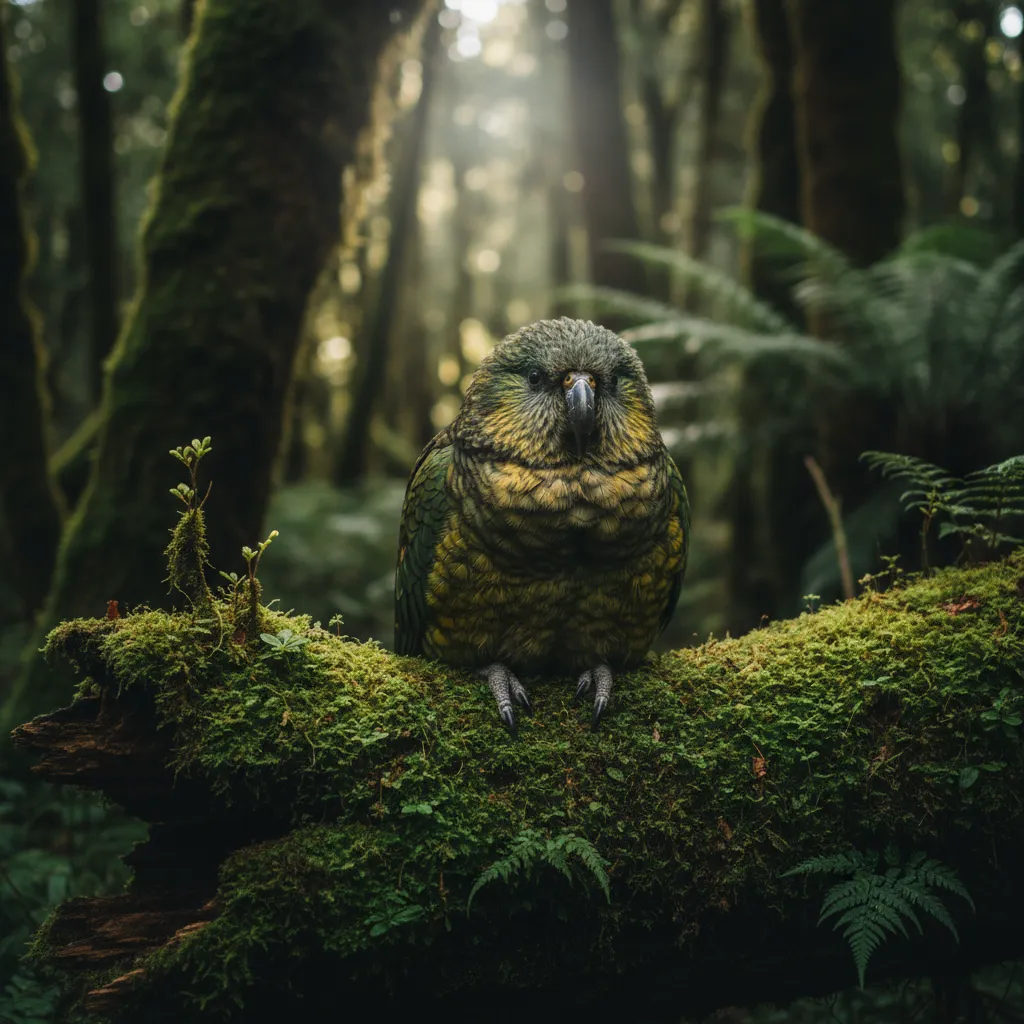
Why is the Kākāpō reintroduction significant?
The transfer of Kākāpō to Maungatautari represents a paradigm shift in conservation. It proves that mainland islands, when properly engineered and managed, can support species that are hyper-sensitive to predation. The Kākāpō is a flightless, nocturnal, ground-nesting bird, making it an easy target for stoats and cats. Its successful presence within the sanctuary is the ultimate testament to the integrity of the fence.
Visitors to the sanctuary may not always see these elusive giants of the parrot world, as they are masters of camouflage and nocturnal activity. However, the knowledge that they are present in the forest adds a profound sense of wonder and responsibility to the visitor experience. It underscores the critical nature of biosecurity checks for anyone entering the gates.
Ancient Rimu Trees and Forest Bathing
Beyond the wildlife, the forest itself is a major drawcard. Sanctuary Mountain Maungatautari protects significant stands of ancient Rimu, Tawa, and Pukatea trees. Some of these giants are centuries old, having stood witness to the changing history of the Waikato region. The protection offered by the fence ensures that the root systems of these trees are not damaged by rooting pigs, and their foliage is not stripped by possums.
The concept of “Forest Bathing,” or Shinrin-yoku, has gained popularity among visitors to the sanctuary. This practice involves immersing oneself in the forest atmosphere to improve physiological and psychological health. The air quality inside the sanctuary is pristine, filtered by millions of leaves and enriched with oxygen.

Walking through the Southern Enclosure, visitors are enveloped in a soundscape that is increasingly rare: the deafening chorus of native birdsong. The bellbirds (Korimako), Tūī, and Kākā create a melody that speaks to the health of the environment. For eco-tourists, this provides a glimpse into what New Zealand sounded like prior to human arrival—a sensory experience that connects them deeply with the land.
Visitor Experience and Guided Tours
Sanctuary Mountain Maungatautari offers a variety of experiences ranging from self-guided walks to exclusive guided tours. The Southern Enclosure (Te Tūī a Tāne) is the most accessible area, featuring well-maintained tracks, a viewing tower, and feeding stations where visitors can observe Kākā and Hihi (Stitchbird) at close range.
Guided tours provide invaluable context. Knowledgeable guides explain the history of the mountain, the cultural significance to the local Iwi (Mana Whenua), and the intricacies of the conservation work. They can point out subtle signs of wildlife that an untrained eye might miss, such as the burrow of a Kiwi or the distinct track of a Tuatara.

What should visitors prepare for?
Strict biosecurity is enforced at the entrance. All bags are checked for pests (like mice or ants) and seeds. This is a non-negotiable aspect of visiting the largest pest proof fence in NZ. Visitors are partners in conservation; their adherence to these rules ensures the sanctuary remains a safe haven. Comfortable walking shoes are recommended, as the terrain can be uneven, and rain jackets are essential given the rainforest climate.
Volunteer Opportunities and Conservation
The success of Sanctuary Mountain Maungatautari is driven by a passionate community. While the fence provides the physical barrier, it is the human effort that maintains the sanctuary’s integrity. The Maungatautari Ecological Island Trust relies heavily on volunteers to assist with a myriad of tasks necessary to keep the operation running smoothly.
Volunteer roles are diverse. “Fence checkers” are the frontline defense, walking sections of the perimeter to visually inspect for damage. This role requires a good level of fitness but offers the reward of exploring remote parts of the mountain. Other volunteers assist with weeding invasive plant species, monitoring tracking tunnels to detect any pest incursions, or helping with bird counts and health checks.
For those who prefer interaction with people rather than physical labor, guiding and visitor reception roles are available. Becoming a volunteer is a way to leave a tangible legacy. It allows individuals to contribute directly to the survival of species like the Kiwi and Kākāpō. The sense of community among the volunteers is strong, united by a shared vision of a predator-free New Zealand.
People Also Ask
How long is the Sanctuary Mountain Maungatautari fence?
The pest-proof fence at Sanctuary Mountain Maungatautari is 47 kilometers (approximately 29 miles) long. It completely encircles the 3,400-hectare mountain, making it the longest pest-proof fence of its kind in the world.
What animals can you see at Sanctuary Mountain?
Visitors can see a variety of rare native species including North Island Brown Kiwi, Takahe, Tuatara, Kākā, Tūī, Bellbirds (Korimako), Hihi (Stitchbird), and Tieke (Saddleback). The sanctuary is also home to the re-introduced Kākāpō.
Is entry to Sanctuary Mountain Maungatautari free?
Access to the Southern Enclosure (Te Tūī a Tāne) requires a fee, which contributes to the high maintenance costs of the fence and conservation work. However, there are some public tracks around the mountain that are free, though they may not offer the same density of wildlife.
How does the Xcluder fence prevent pests?
The Xcluder fence uses a fine stainless steel mesh that prevents small mammals like mice from squeezing through. It features a rolled hood at the top to stop climbers like possums and cats, and a horizontal skirt at the bottom to prevent burrowers like rabbits and rats.
Can you see Kiwi at Maungatautari during the day?
Kiwi are nocturnal, so they are rarely seen during the day. However, Sanctuary Mountain offers specific nocturnal tours where visitors have a much higher chance of spotting Kiwi foraging in the dark.
Where is the largest pest proof fence in NZ located?
The largest pest proof fence in NZ is located in the Waikato region of the North Island, specifically surrounding Maungatautari Mountain, roughly 30 minutes drive from Cambridge or Te Awamutu.