Accommodation near dark sky reserves NZ refers to specialized lodging located within or adjacent to International Dark Sky Sanctuaries like the Aoraki Mackenzie Basin, Great Barrier Island, and Stewart Island. These properties range from luxury glass-roofed pods to secluded glamping sites, specifically designed with minimized light pollution to offer premium stargazing experiences directly from your suite.
New Zealand is rapidly becoming the world’s premier destination for astrotourism, boasting a collection of International Dark Sky Reserves and Sanctuaries that offer some of the clearest views of the cosmos on Earth. However, the quality of your stargazing experience is heavily dictated by where you sleep. Staying within the sanctuary boundaries not only reduces travel time late at night but often provides private, unpolluted views of the Milky Way and the Aurora Australis.
Finding the perfect base for your celestial adventure requires navigating a complex landscape of boutique lodges, high-demand booking windows, and specific logistical challenges unique to remote, protected environments. This guide covers the essential logistics and accommodation strategies for the discerning astrotourist.

Types of Astrotourism Accommodation
When searching for accommodation near dark sky reserves NZ, travelers will find that the lodging itself is often part of the experience. Unlike standard hotels, these properties are engineered to enhance your connection with the night sky.
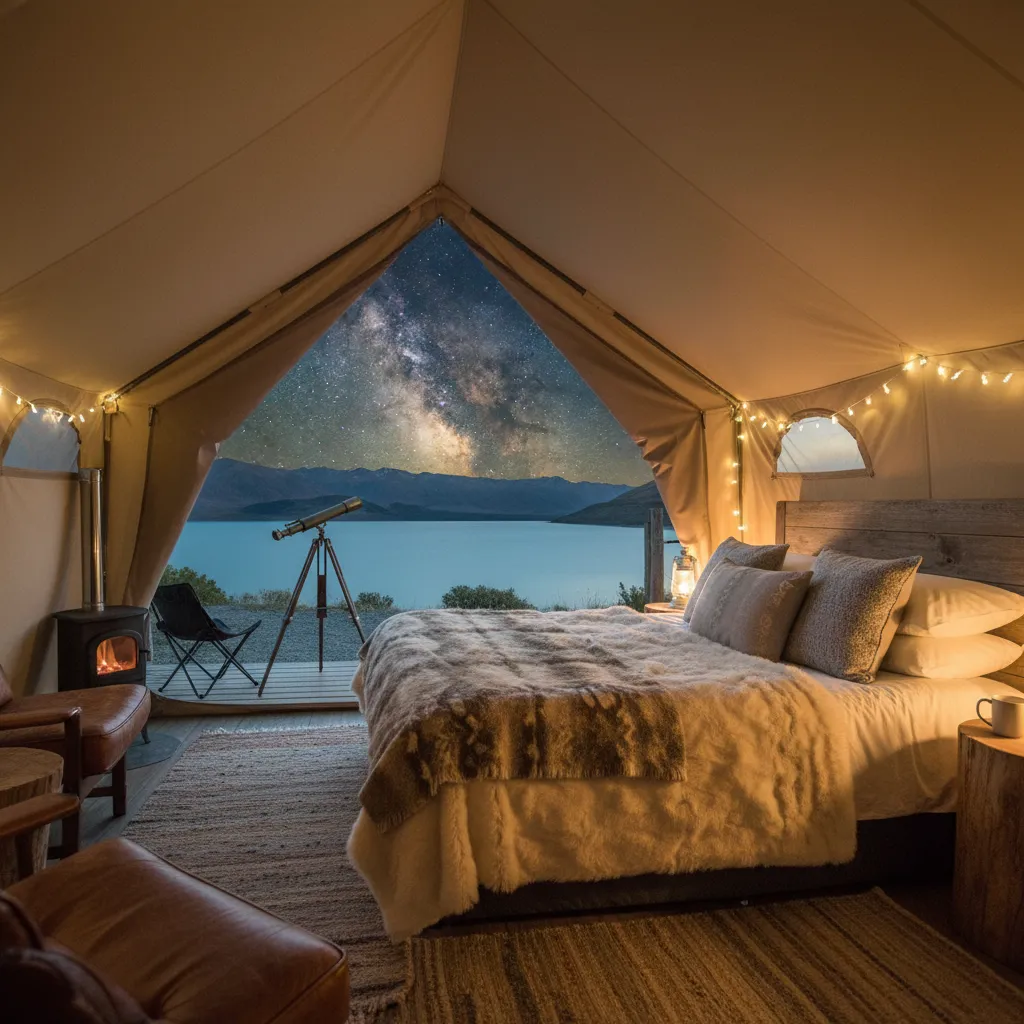
Glass Pods and Skylight Cabins
The most coveted form of accommodation in regions like Lake Tekapo and the Mackenzie Basin are glass pods. These standalone units feature floor-to-ceiling windows and, crucially, glass roofs above the bed. This architectural design allows guests to sleep under the stars in a climate-controlled environment, protected from the alpine cold.
Pros: Unrivaled immersion, privacy, and romance.
Cons: Extremely high demand and premium pricing.
Luxury Lodges and Retreats
For those seeking full-service amenities, luxury lodges within the reserves offer a blend of comfort and astronomy. Many of these high-end properties have private observatories on-site or provide high-powered telescopes and dedicated astronomy guides for guests. The lighting in these lodges is strictly controlled to ensure dark sky compliance.
Glamping and Off-Grid Huts
To truly escape light pollution, off-grid glamping is a superior choice. Located often on high-country sheep stations or remote islands like Great Barrier Island, these accommodations use solar power and red-light technology to preserve night vision. They offer a rugged yet comfortable connection to nature.
Dark Sky Friendly Holiday Parks
Commercial holiday parks in these zones have adapted to the market. Many now offer “stargazing sites”—powered campervan sites or cabins located in the darkest corners of the park, away from amenity blocks and security lights, specifically for astrotourists.
Key Dark Sky Locations & Where to Stay
New Zealand’s geography offers distinct environments for stargazing. Understanding the logistics of each reserve is vital for booking the right accommodation.
Aoraki Mackenzie International Dark Sky Reserve
This is the gold standard for accommodation near dark sky reserves NZ. Encompassing Lake Tekapo, Twizel, and Mt Cook Village, this 4,300 square kilometer area is strictly regulated.
- Lake Tekapo: The hub of astrotourism. Accommodation here ranges from the famous SkyScape pods to backpacker hostels. It is walkable to the Dark Sky Project base.
- Mt Cook Village: Located at the foot of the mountains. The Hermitage Hotel is the primary provider, offering rooms with view of the Southern Alps, though light pollution is slightly higher here than in the open basin.
- Twizel: Often overlooked, Twizel offers excellent Airbnb and holiday home options with less light pollution than the growing township of Tekapo.
Great Barrier Island (Aotea) Dark Sky Sanctuary
An island off the coast of Auckland, this is a sanctuary, meaning it is even more protected and remote. Accommodation here is almost exclusively off-grid baches (holiday homes) and eco-lodges. There is no reticulated electricity on the island, which naturally creates a pristine dark sky environment.
Stewart Island/Rakiura Dark Sky Sanctuary
The southernmost option, Rakiura is the best place to hunt for the Aurora Australis. Accommodation is centered around Oban. Due to the limited road network, most lodging is within walking distance of the shoreline, where the southern horizon offers views of the Southern Lights.
Booking Windows for Peak Season
Securing accommodation near dark sky reserves NZ requires strategic planning, particularly if you are targeting specific astronomical events or the peak tourist season.
The Lunar Cycle Strategy
Serious astrotourists do not book based on the calendar month, but on the lunar cycle. The best time to visit is during the New Moon phase, or the week surrounding it. During the Full Moon, the light washes out the Milky Way and fainter stars.
Commercial Insight: Accommodation prices often spike during the New Moon phase in Tekapo and Great Barrier Island due to demand from photographers and astronomy clubs.
Seasonal Considerations
- Winter (June – August): This is the prime viewing season. The core of the Milky Way is visible, nights are long (up to 12 hours of darkness), and the air is crisp and stable. However, this coincides with ski season in the Mackenzie Basin. You must book 6 to 9 months in advance for premium glass pods during winter.
- Summer (December – February): Nights are short, with true darkness only arriving after 11:00 PM. While warmer, the viewing window is limited. Accommodation is generally booked out 12 months in advance due to general international tourism.
- Shoulder Season (Autumn/Spring): The best balance of availability and darkness. Booking 3 to 6 months in advance is usually sufficient.
Logistics: Preparing for a Dark Sky Stay
Staying in a Dark Sky Reserve involves different logistics than a standard holiday. The environment is designed to be dark, which presents safety and navigation challenges.
Lighting Protocols
Most accommodation near dark sky reserves NZ enforces strict lighting rules. Exterior lights are often downward-facing and amber-hued. Guests are expected to close blackout blinds at sunset to prevent light spill. It is highly recommended to pack red-light torches or headlamps. Red light preserves your night vision (scotopic vision) and allows you to navigate the property without blinding yourself or ruining the view for others.
Transport and Navigation
In areas like the Mackenzie Basin, accommodation can be spread out over vast distances. Roads are unlit to protect the dark sky status. Driving unfamiliar, winding rural roads in pitch darkness can be hazardous. GPS can be spotty in remote sanctuaries like Stewart Island. Ensure you have offline maps downloaded and arrive at your accommodation before sunset to familiarize yourself with the layout.
Thermal Management
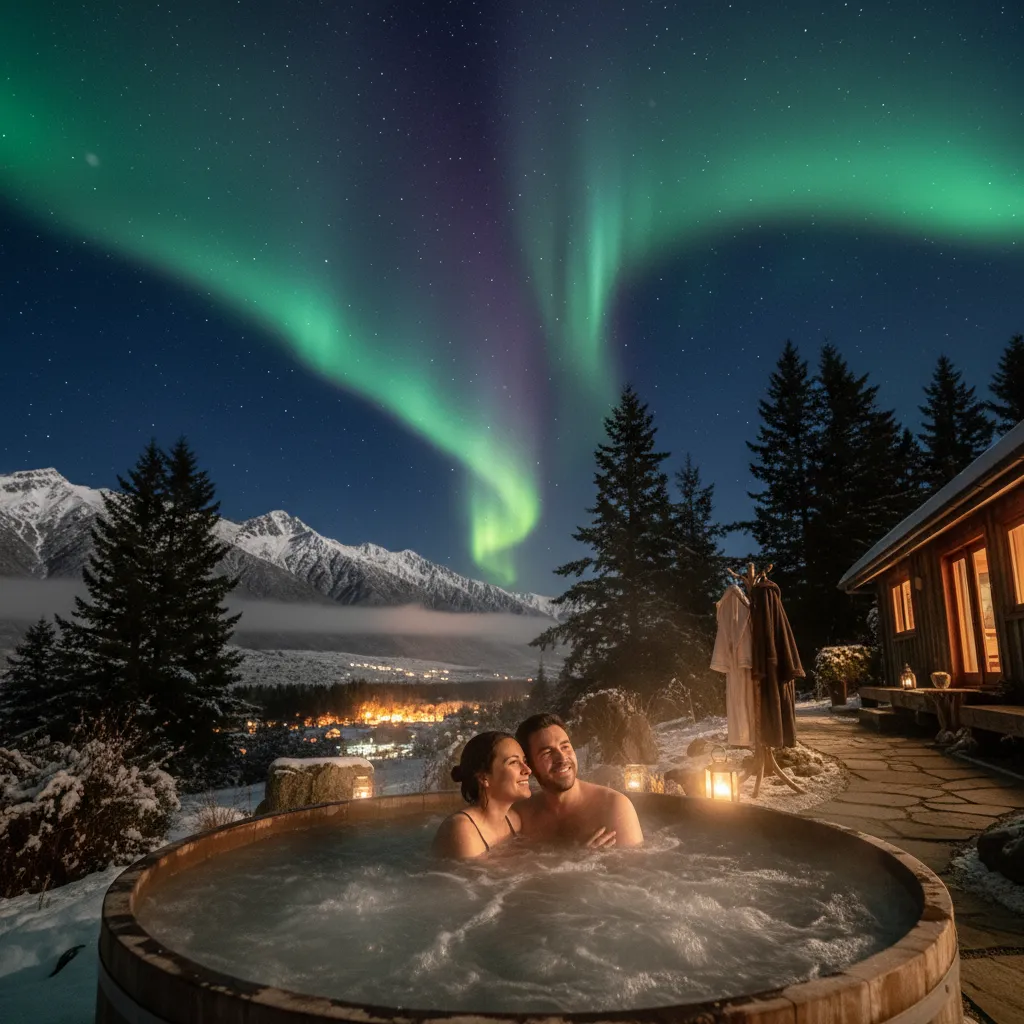
Clear skies mean cold nights. Even in summer, temperatures in the high country can drop near freezing. If your accommodation offers outdoor stargazing decks or baths, ensure they provide heavy blankets or robes. When booking, check if the heating is passive (eco-friendly) or active (heat pumps), as some off-grid eco-pods can get chilly in the early morning.
Family vs. Couples Options
The market for accommodation near dark sky reserves NZ is segmented distinctly between romantic getaways and educational family trips.
For Couples: Seclusion and Romance
The “Astrotourism Romance” niche is booming. Properties catering to couples focus on isolation. Look for listings that mention “private outdoor baths” or “skylights above the bed.” The logistics here favor properties that offer in-room dining, so you never have to leave the dark sky environment.
Top Pick: The secluded cabins around Lake Pukaki offer privacy where the only neighbors are merino sheep.
For Families: Education and Space
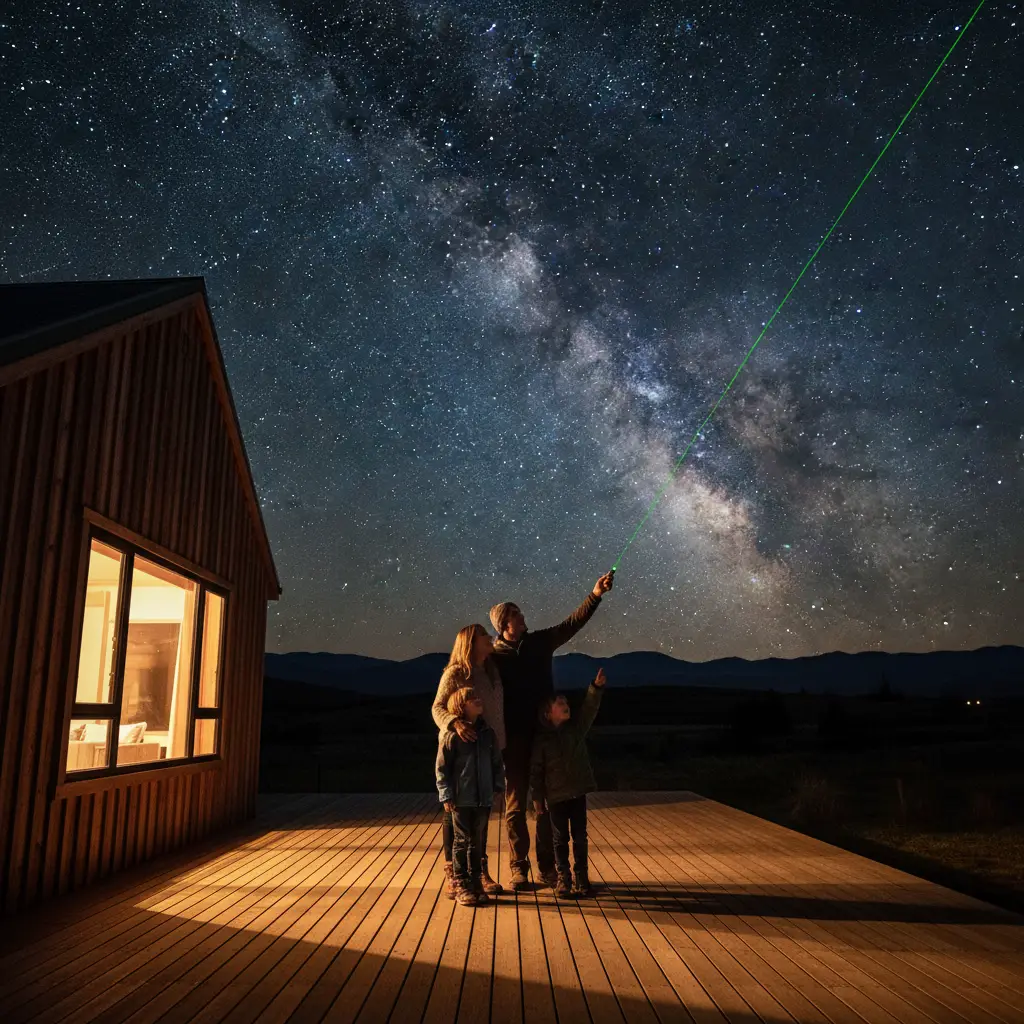
Families require different logistics. Glass pods are often too small for children. Instead, look for holiday homes in Twizel or Tekapo that offer backyard space. This allows parents to put children to bed and then stargaze from the patio without leaving the property. Safety is a concern; ensure the property is fenced, as total darkness can be disorienting for young children. Many holiday parks offer “dark sky tours” specifically suited for kids, making them a convenient all-in-one option.
Accessibility Considerations
Astrotourism should be accessible to everyone, but the rugged nature of New Zealand’s dark sky locations can pose barriers. However, specific accommodations are leading the way in inclusive design.
Physical Accessibility
The Mackenzie Basin is largely flat, but many boutique accommodations use gravel paths or raised platforms which can be difficult for wheelchairs. When searching for accessible accommodation near dark sky reserves NZ, look for modern builds in the Tekapo township or the Hermitage Hotel in Mt Cook, which has elevators and paved access. Avoid remote glamping sites or treehouses unless they explicitly state they are ADA/NZ Standard compliant.
Visual Impairment Aids
Interestingly, dark sky experiences are becoming more multi-sensory. Some lodges now offer audio-guided sky tours. For low-vision guests, the safety of the accommodation is paramount. Look for properties with high-contrast interior design and dimmable internal lighting that can be adjusted to safe levels without violating external dark sky ordinances.
People Also Ask (PAA)
What is the best month to visit Dark Sky Reserves in New Zealand?
The best time for stargazing is during the winter months (June to August). While it is colder, the nights are longest, and the air is generally clearer and more stable. This is also the best time to see the core of the Milky Way. However, shoulder seasons (Autumn and Spring) offer a good balance of weather and darkness.
How much does accommodation near dark sky reserves usually cost?
Prices vary significantly based on the type of lodging. Basic holiday park sites can cost $50-$80 NZD per night. Standard motel units or holiday homes range from $200-$400 NZD. Premium glass pods and luxury lodges typically start at $600 NZD per night and can exceed $2,000 NZD for exclusive retreats.
Can you see the Southern Lights from accommodation in Tekapo?
Yes, it is possible to see the Southern Lights (Aurora Australis) from Lake Tekapo and the Mackenzie Basin, provided solar activity is high. However, for the best chance of viewing the Aurora from your accommodation, Stewart Island (Rakiura) or the Catlins are geographically superior due to their southern latitude.
Do I need a 4WD to access dark sky accommodation?
For most accommodation in townships like Tekapo, Twizel, or Mt Cook Village, a standard vehicle is sufficient. However, for remote high-country huts, off-grid glamping on sheep stations, or winter travel when snow is present, a 4WD vehicle is highly recommended and sometimes mandatory.
Are there dark sky accommodations near Auckland?
Yes, Great Barrier Island (Aotea) is an International Dark Sky Sanctuary located just a 30-minute flight from Auckland. It offers off-grid baches and eco-lodges. Additionally, the Wairarapa Dark Sky Reserve is accessible from Wellington, offering various boutique accommodation options.
What should I pack for a stay in a dark sky reserve?
Essential items include warm layers (thermal underwear, down jacket, beanie) even in summer, as temperatures drop at night. A red-light torch is crucial for navigation without ruining night vision. A tripod and DSLR/mirrorless camera are recommended for astrophotography.