To report invasive seaweed in New Zealand, particularly Exotic Caulerpa, immediately contact the Biosecurity New Zealand hotline at 0800 80 99 66 or complete the online report form. Do not attempt to remove the seaweed yourself, as fragmentation spreads the pest. Note the GPS location, take a clear photo, and wait for instructions from authorities.
New Zealand’s marine environment is a cornerstone of our economy, culture, and eco-tourism sector. However, this delicate ecosystem faces a critical threat from invasive marine pests. As boaties, divers, and ocean lovers, we are the first line of defense. Immediate action is required when suspicious organisms are spotted to prevent irreversible damage to our coastlines.
Urgent Biosecurity Alert: Exotic Caulerpa
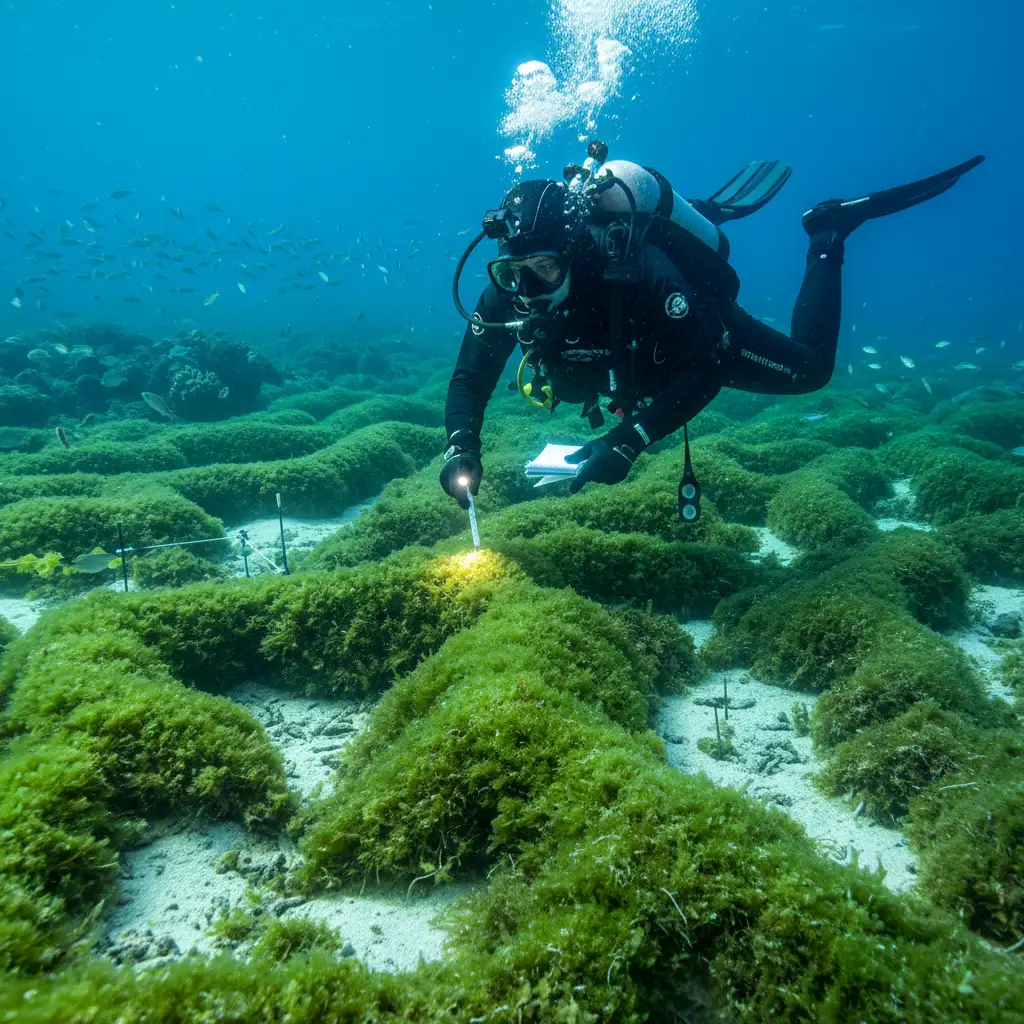
The most pressing threat currently facing New Zealand waters is the invasion of Exotic Caulerpa (specifically Caulerpa brachypus and Caulerpa parvifolia). This invasive seaweed behaves differently from native species, spreading rapidly across the seafloor and smothering native habitats. It poses a severe risk to scallops, crayfish, and other kaimoana, threatening both recreational fishing and the commercial eco-tourism industry.
Why is reporting invasive seaweed so critical?
Exotic Caulerpa is notoriously difficult to eradicate once established. It can grow from tiny fragments, meaning that traditional removal methods often make the problem worse. When you report invasive seaweed NZ authorities can deploy specialized teams to cover the area with benthic mats or use suction dredging to contain the spread. Early detection is the only way to save an anchorage or bay from being permanently overrun.
Currently, Controlled Area Notices (CANs) are in place for areas like Aotea Great Barrier Island, Ahuahu Great Mercury Island, and parts of the Bay of Islands. In these zones, anchoring and fishing methods that touch the bottom are strictly prohibited to stop the spread.
Identifying Key Marine Pests
Accurate identification is crucial for effective reporting. While there are many marine pests, two stand out due to their aggressive nature and current spread within New Zealand waters: Exotic Caulerpa and the Mediterranean Fanworm.
How to Identify Exotic Caulerpa
Unlike native Caulerpa species, which are often distinct and sparse, the invasive varieties form dense, carpet-like mats. Here is what to look for:
- Color: Vibrant, bright green.
- Shape: It has creeping runners (stolons) that grow horizontally along the seafloor.
- Fronds: The fronds (leaves) of C. brachypus are small and paddle-shaped, while C. parvifolia has smaller, flatter fronds. They are typically smooth to the touch.
- Location: It can be found from the low tide mark down to depths of 35 meters or more. It grows on sand, mud, and rock.
Identifying Mediterranean Fanworm
The Mediterranean fanworm (Sabella spallanzanii) is a tube-building polychaete worm that forms dense groups, competing with native filter feeders for food and space.
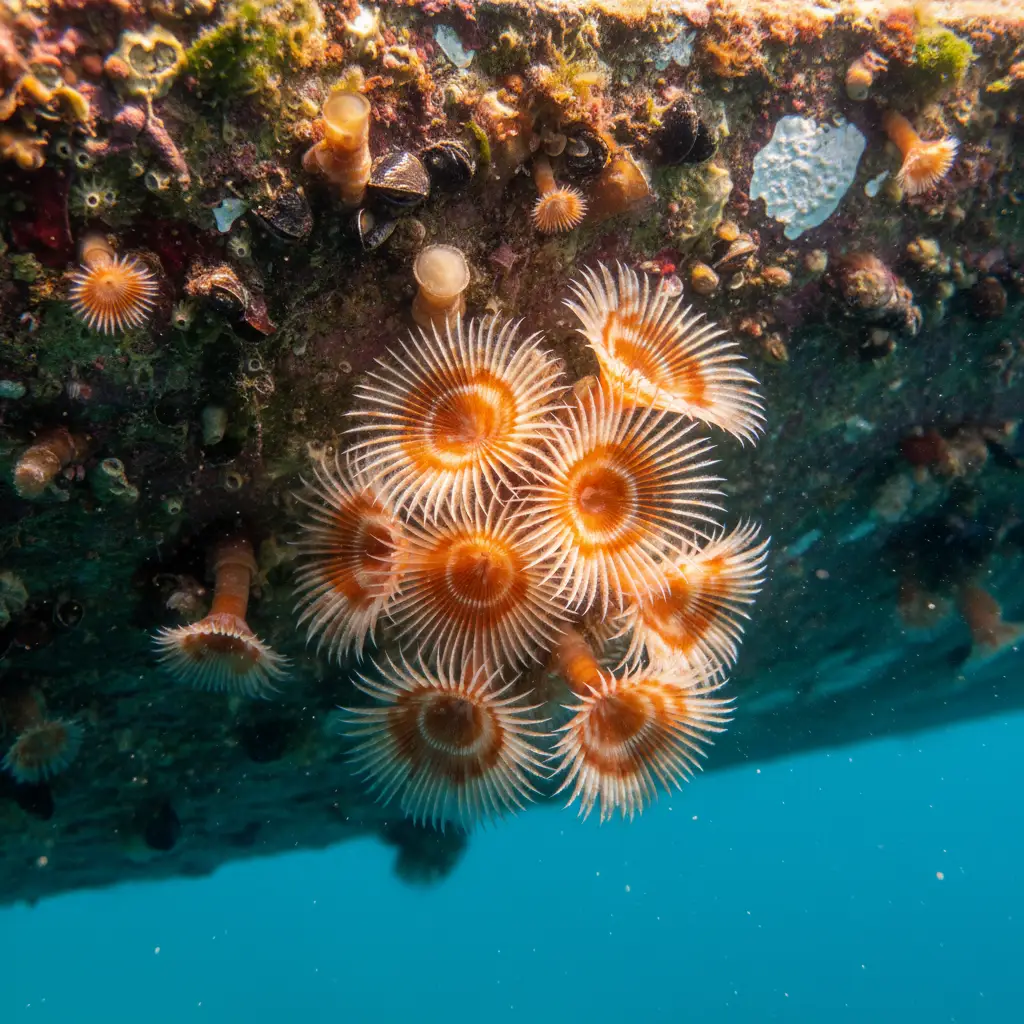
Key characteristics include:
- The Tube: A tough, leathery, flexible tube that can grow up to 40cm long. It often looks like a muddy stalk sticking out of a hull or rock.
- The Fan: A large, spiral fan of feeding tentacles (radioles) extends from the top of the tube. These are often orange, white, or brown banded.
- Behavior: The fan retracts quickly into the tube if disturbed or if a shadow passes over it.
How to Report Invasive Seaweed NZ
If you suspect you have found Exotic Caulerpa, Mediterranean Fanworm, or any other unusual marine organism, time is of the essence. Do not ignore it. The Ministry for Primary Industries (MPI) relies on public reports to track and manage these incursions.
Step-by-Step Reporting Guide
- Do Not Disturb: If you see Caulerpa, do not pull it up. Breaking it releases fragments that drift and start new colonies. If you pull up an anchor and find it, carefully bag it and dispose of it in a rubbish bin on land. Do not throw it back overboard.
- Capture Evidence: Take a high-quality photo or video. Try to include a scale reference (like a coin or dive knife) if possible.
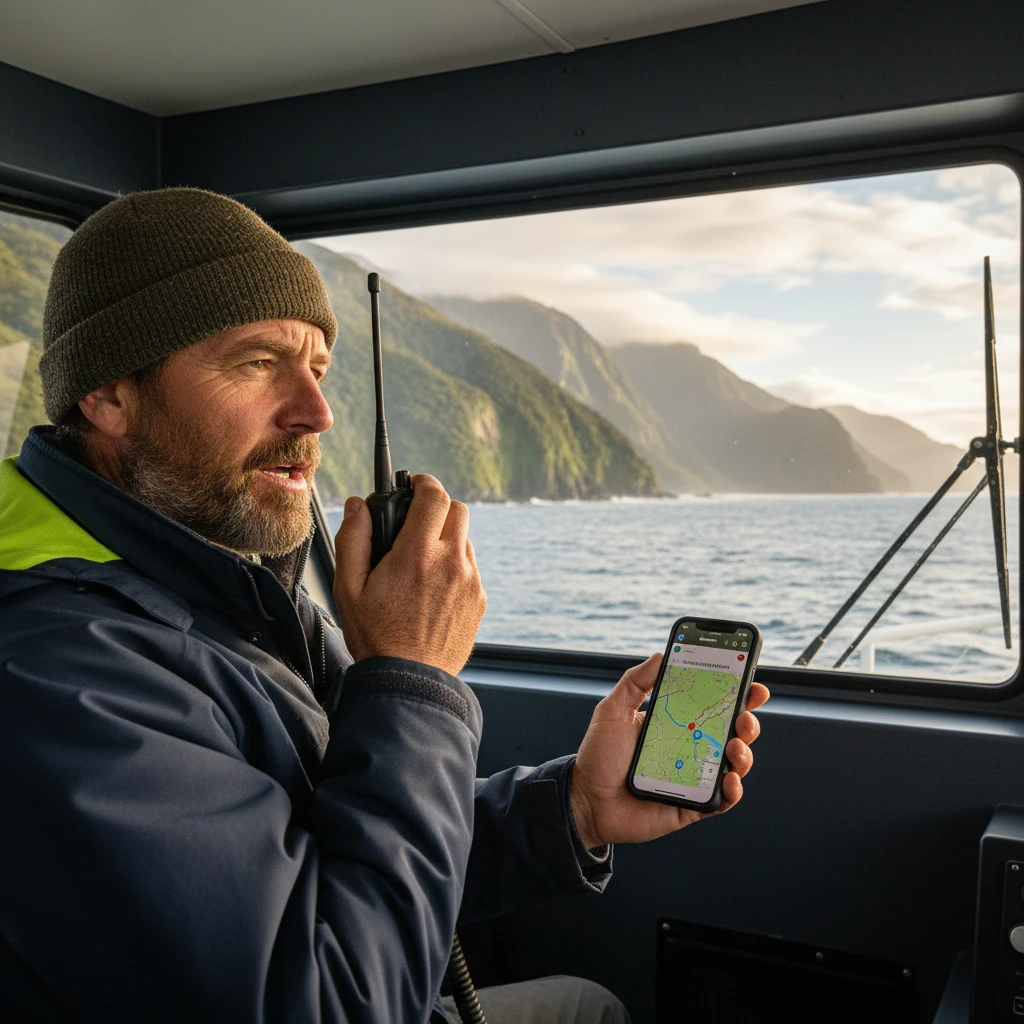
- Mark the Location: Note the GPS coordinates. If you don’t have GPS, take detailed bearings using landmarks.
- Contact MPI Immediately:
- Hotline: Call 0800 80 99 66 (0800 80 99 66).
- Online: Use the MPI exotic pest and disease report form.
Prevention Protocols: Cleaning Boat Hulls
Reporting is reactive; prevention is proactive. The primary vector for the spread of marine pests in New Zealand is biofouling on boat hulls. Whether you are a recreational yachter or a commercial fisherman, maintaining a clean hull is a strict requirement.
The “Check, Clean, Dry” Methodology
To prevent the spread of pests between regions (e.g., moving from the Hauraki Gulf to Northland), you must adhere to strict hygiene protocols.
- Check: Regularly inspect your hull, keel, rudder, and propeller. Check niche areas like bow thrusters, intake pipes, and anchor wells, as these are hotspots for pests like fanworm and Caulerpa fragments.
- Clean: If your boat has significant fouling, it must be hauled out and cleaned. In-water cleaning is heavily regulated and often prohibited to prevent releasing pests into the water column. High-pressure washing on a hardstand with filtration is the gold standard.
- Dry: If moving gear (like dive equipment, crayfish pots, or anchor warps) between zones, ensure it is thoroughly dried or treated with a bleach solution.
Antifouling Maintenance
Applying high-quality antifouling paint is essential. However, paint is not a “set and forget” solution. It requires regular maintenance and re-application according to the manufacturer’s specifications. A failing antifoul coating is an open invitation for invasive species to hitch a ride to a pristine marine reserve.

Legal Obligations and Regional Rules
Biosecurity is not just a suggestion; it is a legal obligation under the Biosecurity Act 1993. Failure to comply can result in significant fines and prosecution.
Regional Pest Management Plans
Different regions in New Zealand have specific rules regarding hull fouling. For example, Northland Regional Council has a strict “clean hull” policy. If you arrive in Northland waters with more than a slime layer, you can be ordered to haul out immediately at your own expense or be fined. Similarly, the Marlborough Sounds has strict controls regarding the Mediterranean fanworm.
Controlled Area Notices (CAN)
When a high-risk pest like Exotic Caulerpa is detected, Biosecurity New Zealand issues a CAN. This legal notice restricts movement and activities in the affected area. It is the skipper’s responsibility to check the MPI website for active CANs before planning a voyage. Ignorance of the notice is not a valid defense.
By staying informed, keeping your hull clean, and knowing how to report invasive seaweed NZ, you play a vital role in protecting New Zealand’s unique marine biodiversity for future generations.
People Also Ask
What happens if I accidentally anchor in a Caulerpa zone?
If you realize you have anchored in a Controlled Area Notice (CAN) zone or an area with Exotic Caulerpa, do not move to another location immediately if you suspect contamination. Raise your anchor very slowly. If you see seaweed and mud on the anchor or chain, bag it immediately. Do not wash it off back into the water. Clean your gear thoroughly with fresh water and bleach if possible before moving, and report the incident to MPI.
Is Exotic Caulerpa poisonous to humans?
Exotic Caulerpa is not generally considered toxic to touch, but it is not a food source. The primary danger is ecological. It outcompetes native seaweeds and destroys the habitat for fish and shellfish. Eating seafood collected from dense Caulerpa beds is generally not recommended due to the potential for accumulated detritus and lack of water flow.
Can I clean my boat hull in the water in NZ?
In-water cleaning is strictly regulated in New Zealand. You generally cannot clean your hull in the water if it has heavy fouling or visible marine pests, as this releases them into the local environment. Light slime layers may be cleaned in some areas, but you must check local regional council rules first. The safest option is always a haul-out.
What is the fine for having a dirty boat hull in Northland?
Fines for breaching marine biosecurity rules can be substantial. In Northland, an infringement notice of $500 can be issued on the spot, but serious breaches or failure to comply with a direction to clean can lead to prosecution and fines of up to $100,000 under the Biosecurity Act.
How fast does Mediterranean fanworm spread?
Mediterranean fanworm grows rapidly and can reach reproductive maturity quickly. They are prolific spawners, releasing larvae that can drift for weeks before settling. However, their primary mode of long-distance spread is hitchhiking on dirty boat hulls, sea chests, and propellers.
Where is Exotic Caulerpa currently found in NZ?
As of late 2023 and 2024, Exotic Caulerpa has been confirmed in areas including Aotea Great Barrier Island, Ahuahu Great Mercury Island, Te Rāwhiti Inlet in the Bay of Islands, and Kawau Island. The situation changes frequently, so always check the Biosecurity New Zealand website for the latest maps.