The best wildlife sanctuaries in NZ are specialized ecological islands, such as Zealandia Te Māra a Tāne and Tiritiri Matangi, designed to protect endemic species from invasive predators. These sanctuaries provide a unique window into New Zealand’s pre-human biodiversity, offering guided tours and self-guided walks to see rare birds like the kiwi and takahē.
North Island vs. South Island Sanctuaries: A Regional Comparison
When planning a trip to the best wildlife sanctuaries in NZ, understanding the regional differences between the North and South Islands is crucial. The North Island is home to several “mainland islands”—areas where predator-proof fences have allowed native bush to regenerate and bird populations to explode near urban centers. The climate is generally warmer, supporting different types of forest, such as the ancient Kauri forests and coastal broadleaf ecosystems.
Conversely, the South Island offers rugged, vast sanctuaries that often utilize natural geography alongside fencing. The South Island is the primary habitat for the alpine parrot, the Kea, and the yellow-eyed penguin (Hoiho). Because the South Island has more mountainous terrain and beech forests, the sanctuaries here, like Orokonui or the various offshore islands in the Marlborough Sounds, offer a different aesthetic and species profile compared to their northern counterparts.
Predator-Free Fences Explained: The Science of Safety
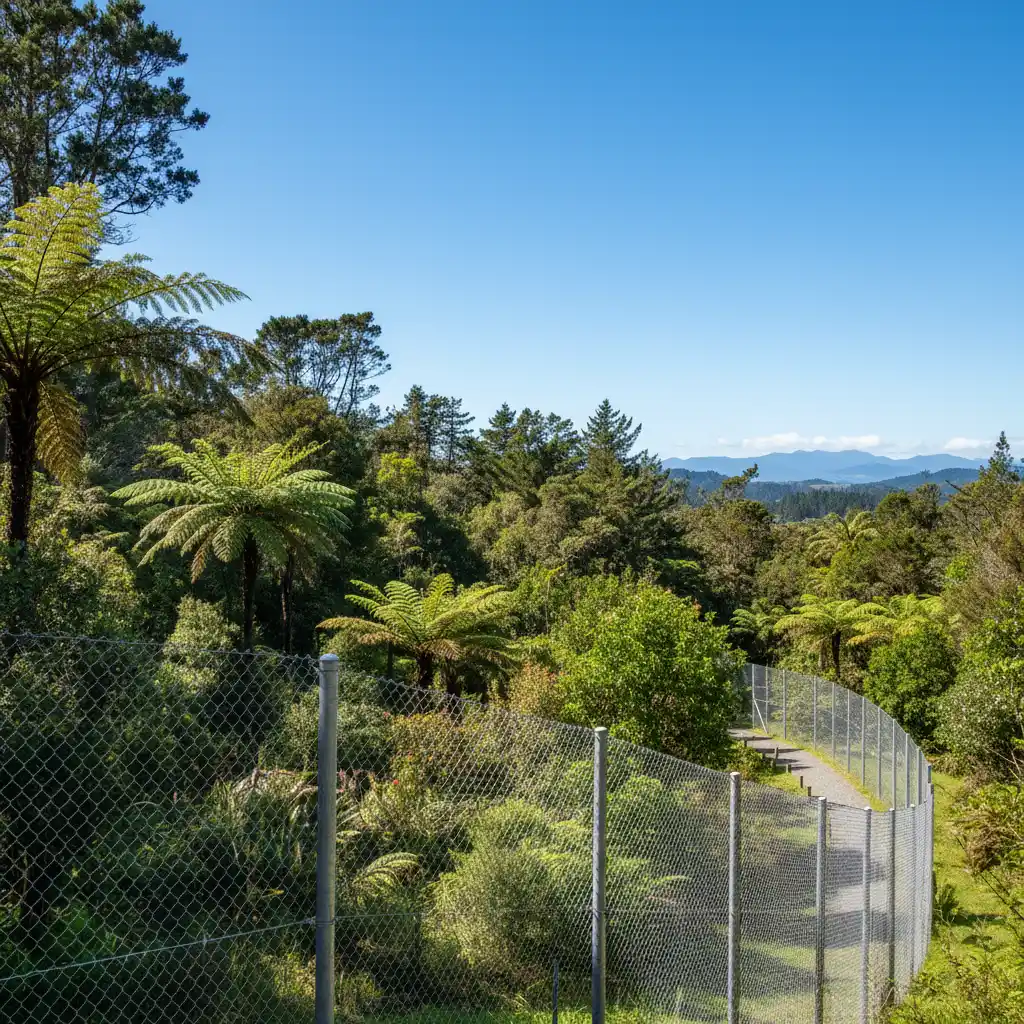
The concept of a “mainland island” relies heavily on Xcluder fencing technology. These fences are engineering marvels designed to keep out invasive mammalian predators like stoats, weasels, rats, possums, and feral cats. A standard predator-proof fence in New Zealand features a fine mesh that prevents even the smallest mice from squeezing through, a curved hood at the top to prevent climbing, and an underground skirt to stop burrowing animals.
Why is this necessary? New Zealand’s wildlife evolved for millions of years in the absence of land mammals. Birds like the Kiwi and the Kakapo lost the ability to fly because there were no ground-based predators to escape. When European and Polynesian settlers introduced mammals, the native bird life was decimated. The best wildlife sanctuaries in NZ use these fences to create a “safe zone” where the ecosystem can function as it did before human arrival. Once the fence is complete, an intensive eradication program removes all existing predators within the perimeter, followed by the reintroduction of endangered species.
Maintenance and Biosecurity Logistics
Maintaining these fences is a 24/7 job. Sanctuaries employ sensors that alert staff if a tree falls on the fence or if a breach is detected. For visitors, this means strict biosecurity protocols. You will often be asked to check your bags for stowaway rodents or seeds before entering. This is a small price to pay for the privilege of walking through a forest teeming with birds that are extinct elsewhere on the mainland.
North Island Sanctuary Guides: Urban Oases and Island Retreats
Zealandia Te Māra a Tāne (Wellington)
Located just minutes from downtown Wellington, Zealandia is perhaps the most famous of the best wildlife sanctuaries in NZ. It is a 225-hectare ecosanctuary that has successfully reintroduced over 20 species of native wildlife back into the area. It is a must-visit for its night tours, which offer one of the highest probabilities of seeing a Little Spotted Kiwi in a natural (albeit fenced) setting.
Tiritiri Matangi Island (Auckland)
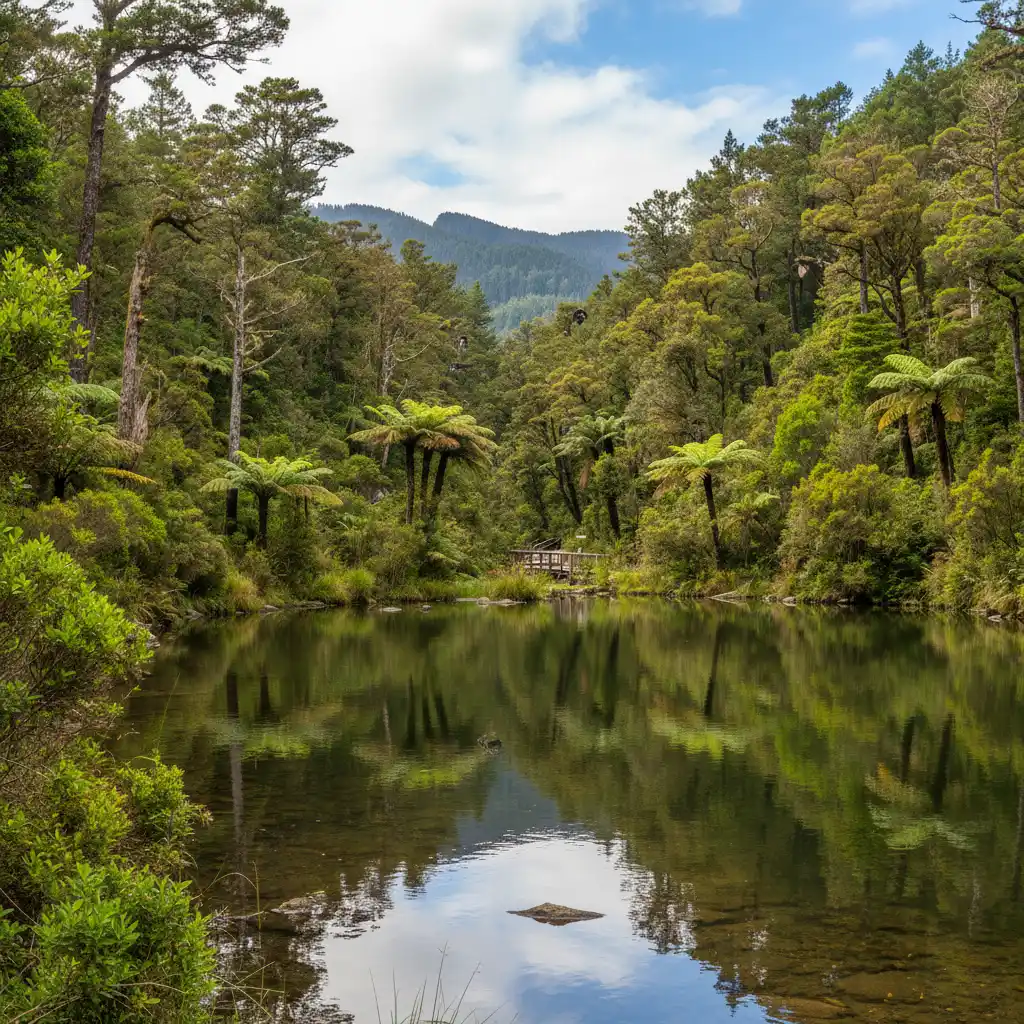
For those in the Auckland region, Tiritiri Matangi is an open scientific reserve that serves as a model for community-led conservation. Accessible via a 75-minute ferry from downtown Auckland or Gulf Harbour, the island is a haven for the North Island Robin, the colorful Tūī, and the rare Hihi (Stitchbird). The logistics involve a full day trip, as ferry times are fixed, but the opportunity to hear the “dawn chorus” on this island is a bucket-list experience for any nature lover.
Sanctuary Mountain Maungatautari (Waikato)
This is the largest inland sanctuary in New Zealand, surrounded by 47 kilometers of predator-proof fencing. It encompasses an entire mountain, providing a massive habitat for the North Island Brown Kiwi and the ancient Tuatara. The scale of Maungatautari is breathtaking, offering multiple hiking tracks ranging from easy forest walks to strenuous mountain climbs.
South Island Sanctuary Guides: Southern Splendor
Orokonui Ecosanctuary (Dunedin)
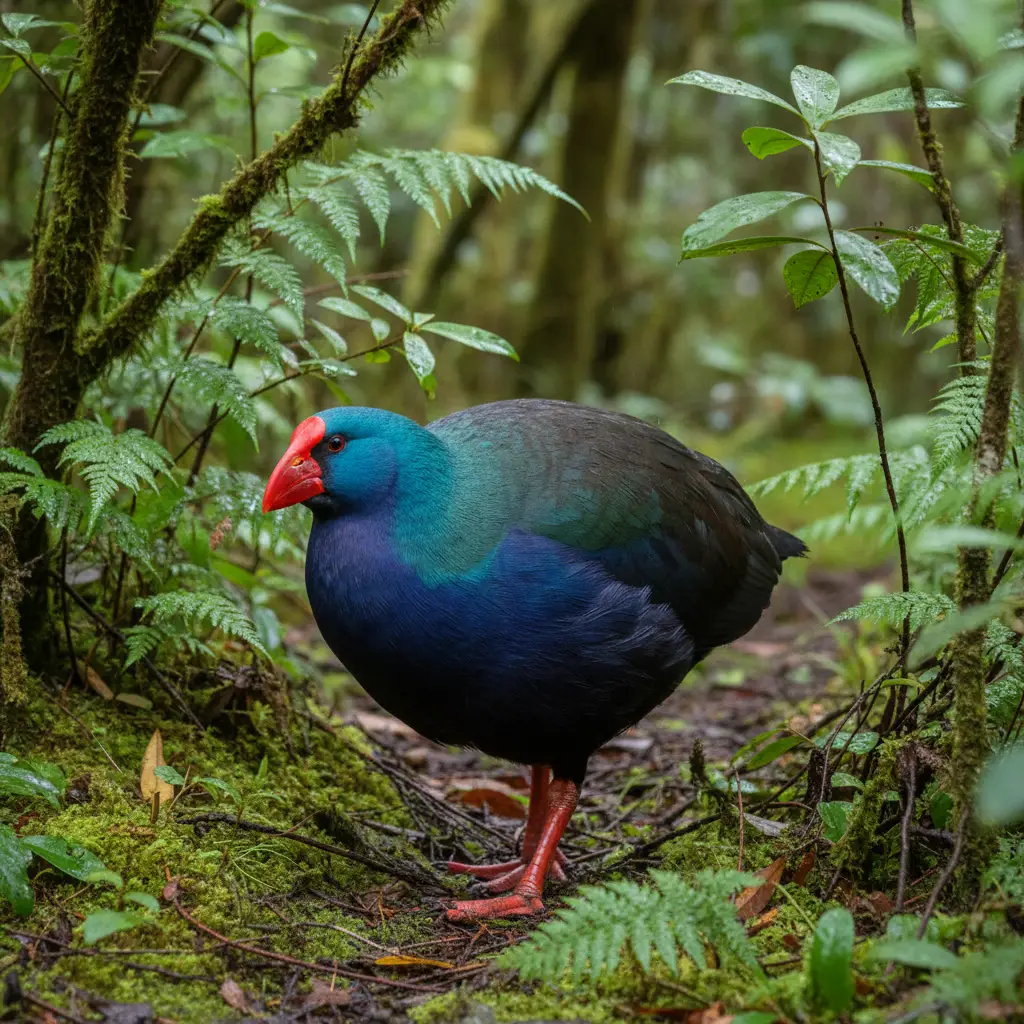
Orokonui is the flagship sanctuary of the South Island. Located near Dunedin, it protects a cloud forest ecosystem. It is the only place on the South Island mainland where you can see the Tuatara and the Takahē in a wild environment. The visitor center itself is an architectural marvel, offering panoramic views over the Waitati Estuary.
Willowbank Wildlife Reserve (Christchurch)
While Willowbank has a more commercial feel than the remote island sanctuaries, it plays a vital role in the “Operation Nest Egg” program for Kiwi conservation. It is one of the best places for families to get a guaranteed view of a Kiwi in a nocturnal house, while also learning about the logistical efforts required to hatch and raise these birds before they are released into the wild.
Ulva Island (Stewart Island/Rakiura)
Technically an island sanctuary rather than a fenced mainland one, Ulva Island is a predator-free paradise accessible via a short water taxi from Stewart Island. It is one of the few places where you can see the South Island Saddleback (Tīeke) and the Yellowhead (Mōhua). The lack of predators means the birds are incredibly unafraid of humans, often hopping right up to your boots.
Supporting Conservation Through Tourism
Visiting the best wildlife sanctuaries in NZ is not just a recreational activity; it is a direct contribution to the survival of endangered species. Most of these sanctuaries are managed by non-profit trusts or the Department of Conservation (DOC). Admission fees, guided tour costs, and gift shop purchases fund the ongoing maintenance of fences, the salaries of rangers, and the expensive logistics of species translocation.
By choosing a guided tour, you gain expert insight into the complex social structures of birds like the Kākā or the evolutionary history of the Tuatara. More importantly, your presence signals to the government and local communities that eco-tourism is a viable and valuable economic driver, ensuring these protected areas receive continued support and expansion.
Logistics and Accessibility Ratings
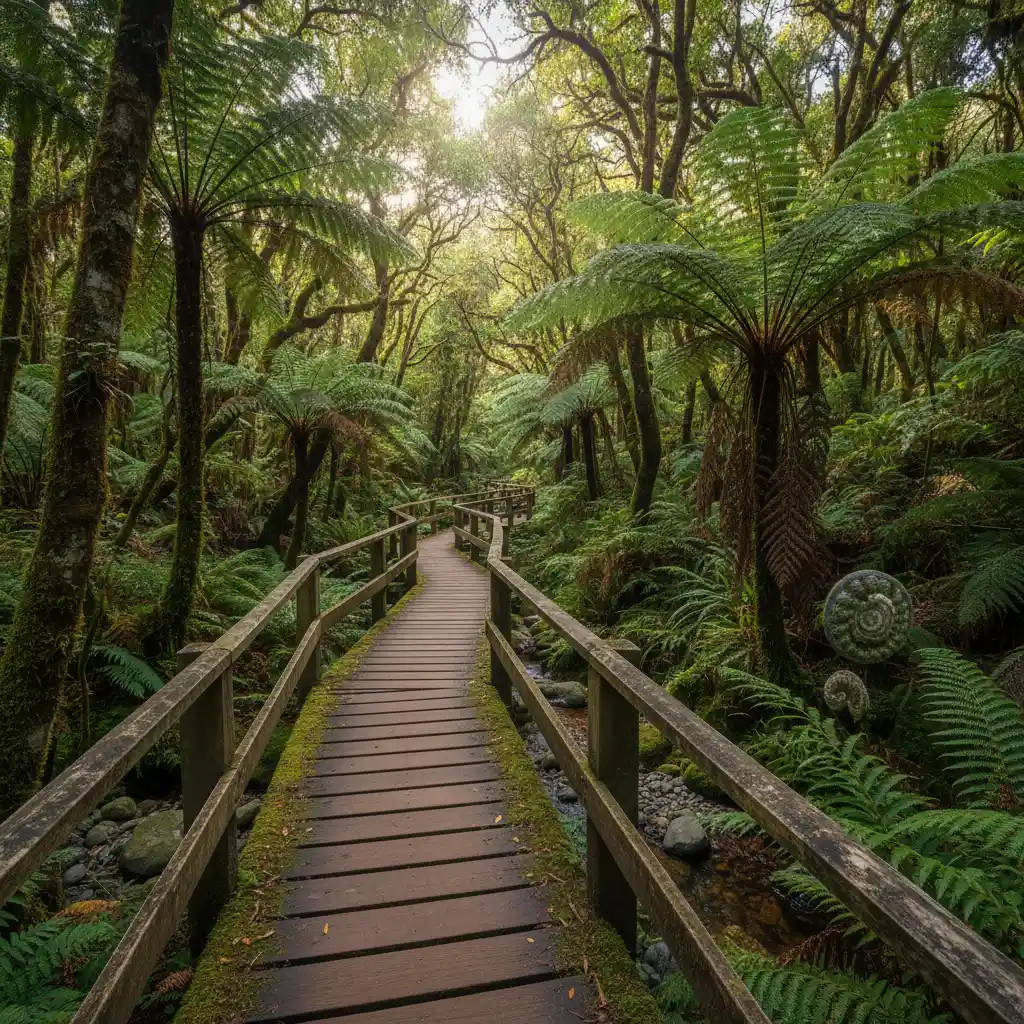
When planning your itinerary, consider the physical demands and transport requirements of each site. Below is a breakdown of the logistics for the top-rated sanctuaries.
Zealandia (Wellington)
Logistics: Free shuttle available from the city center or a short drive. Plenty of parking.
Accessibility: 5/5. Features many flat, paved paths and an electric boat for those with limited mobility.
Tiritiri Matangi (Auckland)
Logistics: Requires ferry booking (often weeks in advance during summer). No food is sold on the island; you must pack your own lunch and take all trash back.
Accessibility: 3/5. The initial climb from the wharf is steep, though a tractor-trailer is sometimes available for those who cannot walk the hill.
Orokonui Ecosanctuary (Dunedin)
Logistics: 20-minute drive from Dunedin. Accessible by car or organized tour.
Accessibility: 4/5. The upper tracks and visitor center are fully accessible, though some lower forest tracks are steep and uneven.
Maungatautari (Waikato)
Logistics: Remote location requires a private vehicle. Located about 45 minutes from Hamilton or Cambridge.
Accessibility: 3/5. The Te Tūī a Tāne (Southern Enclosure) has well-maintained gravel paths, but the mountain tracks are for experienced hikers only.
People Also Asked
What is the best time of year to visit NZ wildlife sanctuaries?
The best time to visit is during the spring (September to November) when birds are most active, nesting, and singing. However, summer (December to February) offers the best weather for island crossings, while autumn provides cooler temperatures for longer hikes.
Do I need to book tours in advance?
For popular sanctuaries like Zealandia (night tours) or Tiritiri Matangi (ferry and guided walks), booking at least 2-4 weeks in advance is highly recommended, especially during the peak summer season.
Which sanctuary is best for seeing a kiwi in the wild?
Zealandia in Wellington offers exceptional night tours with a high success rate. For a truly wild experience, Stewart Island (including Ulva Island) is one of the few places where Kiwi are active even during the twilight hours.
Are New Zealand sanctuaries wheelchair accessible?
Many mainland sanctuaries like Zealandia and Willowbank offer excellent wheelchair accessibility. However, offshore island sanctuaries often involve boat transfers and steep, rugged terrain that may not be suitable for all wheelchairs.
How much does it cost to visit Zealandia?
As of late 2023, adult day admission is approximately $24 NZD, with discounts for children, students, and seniors. Guided tours and night tours incur additional costs ranging from $55 to $95 NZD.
What should I wear for a sanctuary visit?
New Zealand weather is famously changeable. Wear sturdy walking shoes, layers (merino wool is ideal), and always carry a waterproof rain jacket. Don’t forget sunscreen and insect repellent, as sandflies can be common in some areas.