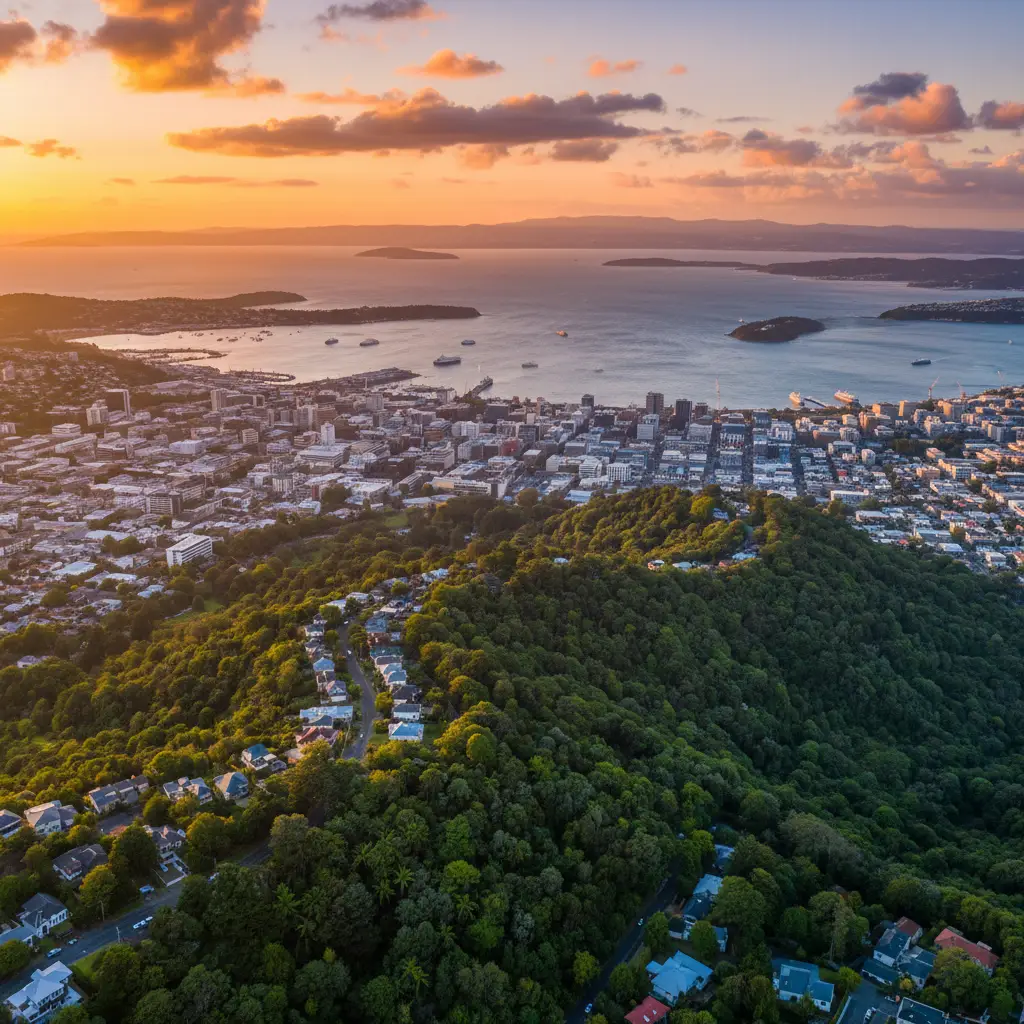
The Wellington Green Belt, formally known as the Town Belt, is a continuous horseshoe-shaped network of nature reserves and public parks surrounding the central city. It offers numerous quiet walking tracks through regenerating native forest, providing eco-tourists and locals with accessible solitude, panoramic harbour views, and rich birdlife encounters just minutes from the CBD.
For those seeking respite from the urban bustle, the Wellington Green Belt serves as an invaluable ecological sanctuary. While popular spots like Mount Victoria can become crowded, a wealth of hidden paths and lesser-known loops exist for the discerning walker. This guide explores the quietest corners of this conservation jewel, focusing on immersion in nature and the unique biodiversity of New Zealand’s capital.
What is the Wellington Green Belt?
The Wellington Green Belt is a legacy of foresight in urban planning, established in 1841 by the New Zealand Company. It was originally intended to be a “broad belt of land” separating the city from the country, kept for public recreation and the enjoyment of the citizens. Today, it covers approximately 425 hectares, stretching from Te Ahumairangi Hill in the north, wrapping around the western hills through Polhill and Brooklyn, and culminating in the south at Mt Albert and Mt Victoria.
For the eco-tourist, the Green Belt is more than just a park; it is a thriving corridor of biodiversity. Thanks to intensive conservation efforts and pest control, the forest is regenerating. The proximity to Zealandia Te Māra a Tāne—the world’s first fully-fenced urban ecosanctuary—means that the Green Belt acts as a “halo” zone where rare native birds, once extinct on the mainland, are now flourishing and breeding in the wild.
Where are the quietest tracks in Otari-Wilton’s Bush?
While technically adjacent to the traditional Town Belt, Otari-Wilton’s Bush is an essential component of the city’s green network and offers some of the most profound silence available within city limits. As the only public botanic garden in New Zealand dedicated solely to native plants, it holds significant status.
The Blue Trail vs. The Main Path
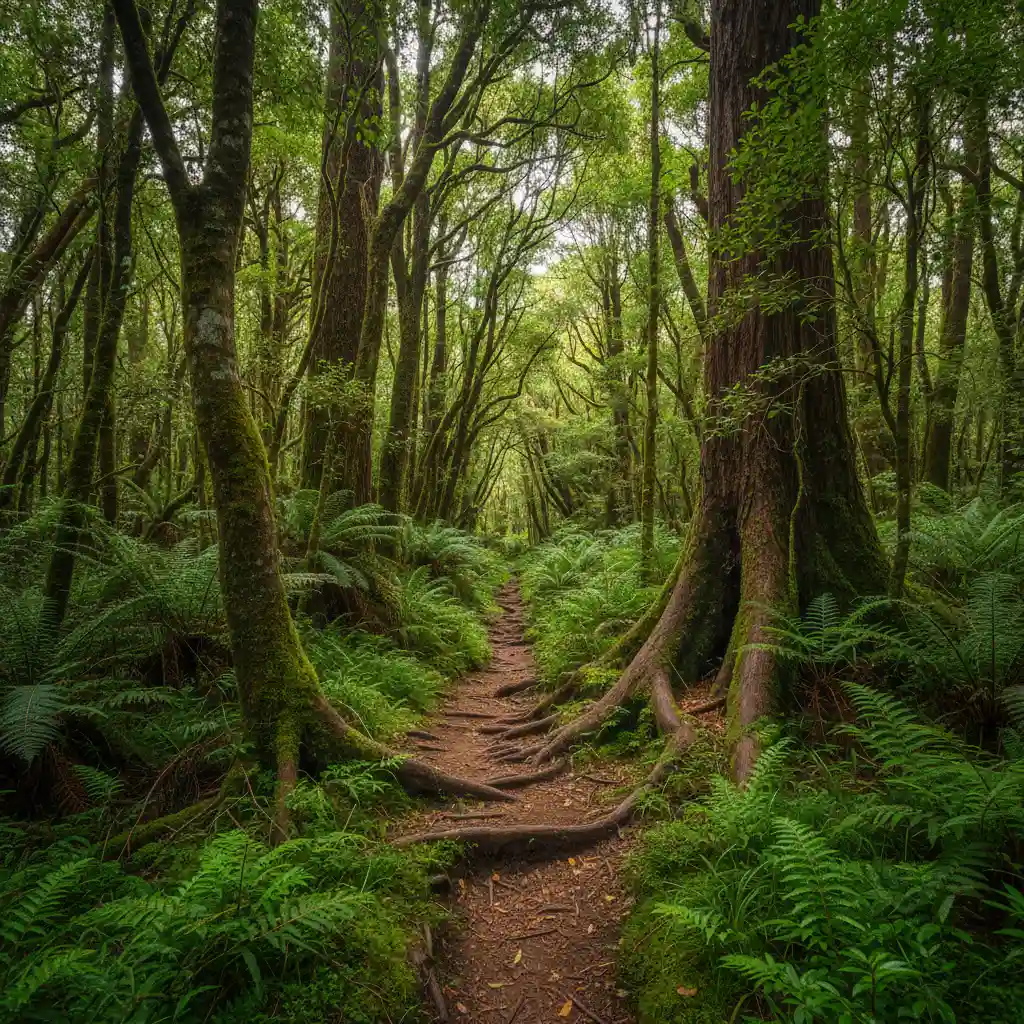
Most visitors stick to the Canopy Walkway and the main paved Circular Walk. To find true quiet, you must venture deeper. The Blue Trail takes you away from the manicured collections into dense, ancient forest. Here, you can stand beneath an 800-year-old Rimu tree. The sheer age of the forest here dampens city noise, creating a cathedral-like atmosphere that is rare in urban environments.
The Yellow Trail
Another secluded option is the Yellow Trail. This track involves more elevation change, which naturally filters out casual walkers. It winds through a variety of vegetation types, offering a rugged, backcountry feel. It is common to walk the entire length of the Yellow Trail on a weekday morning without encountering another soul, making it perfect for meditative walking or serious birdwatching.
How to navigate Polhill Reserve for peace?
Polhill Reserve is a critical part of the Wellington Green Belt, linking the Aro Valley to the Zealandia fenceline. It is renowned for its shared-use trails, which are popular with mountain bikers. However, walkers seeking quiet can still find sanctuary here if they know where to look and when to go.
Walking-Priority Zones
While tracks like “Transient” are busy with cyclists, the connector tracks leading up toward the Brooklyn Wind Turbine often offer wider berths and better visibility. The key to a quiet walk in Polhill is to utilize the fenceline track. Walking adjacent to the predator-proof fence of Zealandia often provides the best wildlife encounters, as birds spill over from the sanctuary. The bikers are generally focused on the descent trails, leaving the perimeter tracks more tranquil for pedestrians.
Timing is Everything
To experience Polhill as a quiet walking track, avoid the “after-work” rush hour (4:00 PM – 6:30 PM) and Saturday mornings. Mid-morning on weekdays or early Sunday mornings are the golden times. During these windows, the forest is reclaimed by the sounds of nature rather than the whir of bicycle hubs.
Why is Te Ahumairangi Hill the Northern Gem?
Formerly known as Tinakori Hill, Te Ahumairangi is a prominent ridge in the Wellington Green Belt that offers perhaps the best balance of accessibility and isolation. Unlike the tourist-heavy Mount Victoria, Te Ahumairangi is frequented mostly by locals living in Thorndon and Northland.
The Northern Walkway section that traverses this ridge provides stunning views over the harbour without the tour buses. The tracks here are wide and well-maintained but branch off into smaller, root-filled paths that dive into the bush. The Elephant Track is a zigzagging path that offers a good cardio workout and immense solitude. Because the hill is steep, sound from the city below is effectively blocked once you descend slightly from the ridgeline, immersing you in the rustle of silver ferns and manuka.

How to fix the issue of overcrowding on tracks?
Finding a quiet walking track is often less about where you go and more about how you plan your visit. The Wellington Green Belt is a public asset, and its popularity has surged. To ensure a solitary experience, consider the following strategies:
- Embrace “Wellington Weather”: Fair-weather walkers vanish when the southerly wind picks up or a light drizzle begins. Walking in the rain in the native bush is a magical experience; the canopy provides shelter, and the mosses and ferns become vibrant green. A waterproof jacket is your ticket to a private park.
- The Winter Advantage: The months from June to August see significantly less foot traffic. The cooler temperatures make tackling the steep hills of the Green Belt more comfortable, and the light during winter afternoons creates dramatic shadows through the trees.
- Go Vertical: In Wellington, flat tracks are busy tracks. If you are willing to tackle elevation, such as the steep ascents up Mt Albert or the stairs leading out of Aro Valley, you will leave 90% of other park users behind.
What wildlife can you expect to hear and see?
The Wellington Green Belt is the stage for one of the world’s most successful urban conservation stories. Walking these tracks quietly increases your chances of spotting rare avian species.
Listening for Kākā Overhead
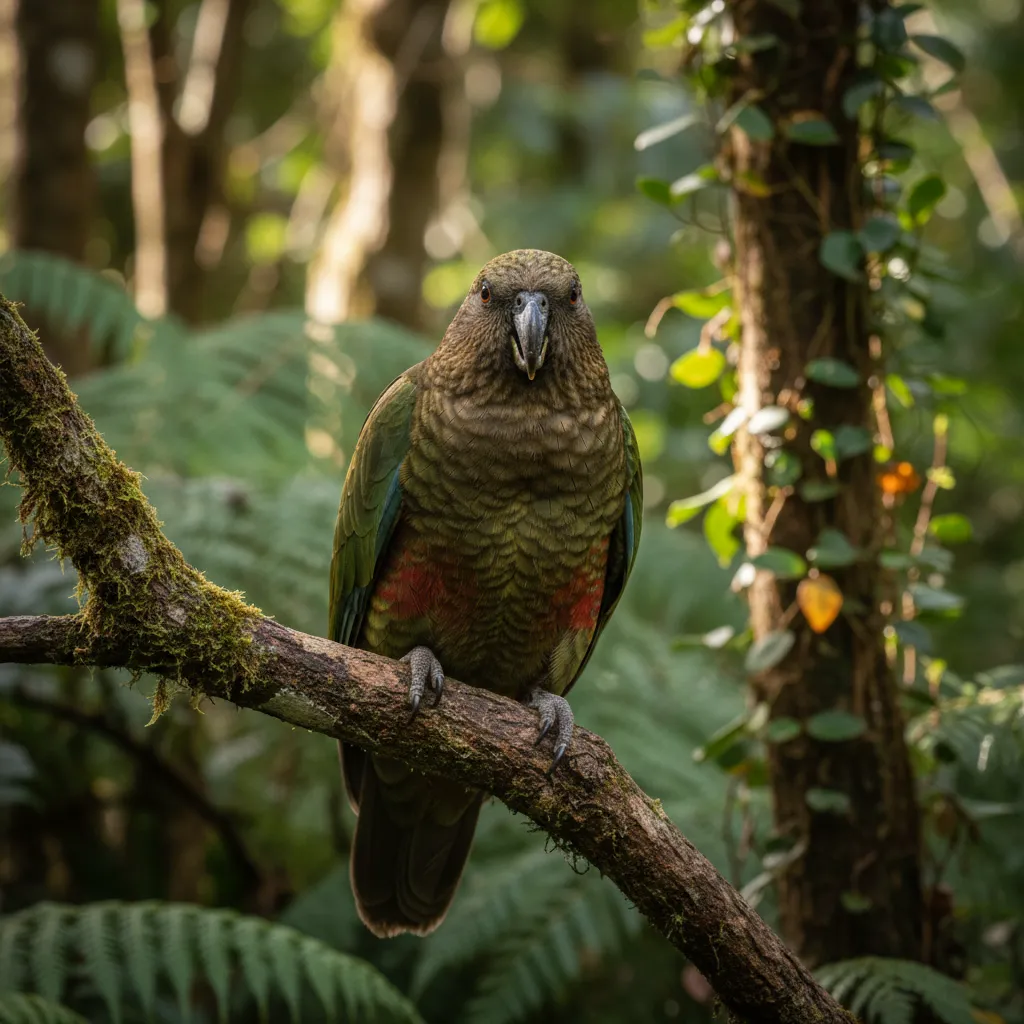
The North Island Kākā, a large native parrot, was once extinct in the city. Now, their raucous skrark-skrark calls are a common soundtrack in the Green Belt, particularly near Polhill and the Botanic Gardens. They are often seen flying in groups or stripping bark from pine trees in search of sap. Seeing these prehistoric-looking birds in the wild is a highlight for any eco-tourist.
Other Native Residents
Quiet walkers should also listen for the heavy whoosh of the Kererū (New Zealand wood pigeon) wings. Tūī are ubiquitous, known for their complex songs and white throat tufts. At dusk, the chances of spotting Ruru (Morepork) increase, and in the deep leaf litter of Otari-Wilton’s, you might even spot wētā or native skinks.
Why is the Green Belt vital for Eco-Tourism?
The Wellington Green Belt represents a shift in how cities interact with nature. It is not merely a recreational zone but a functional ecosystem. For the eco-conscious traveler, visiting these tracks is a way to support a city that prioritizes green spaces. The volunteer groups that maintain these tracks and trap pests are the unsung heroes of this region.
By sticking to marked tracks, visitors protect the delicate root systems of the Kauri and Rimu trees and prevent the spread of Kauri Dieback disease (though currently not present in Wellington, hygiene is paramount). The quiet enjoyment of these spaces reinforces the value of conservation land within urban boundaries, proving that nature and density can coexist.
Conclusion
Whether you are traversing the ridgelines of Te Ahumairangi or getting lost in the ancient ferns of Otari-Wilton’s Bush, the Wellington Green Belt offers a profound escape. By choosing lesser-known paths, timing your walks to avoid peak hours, and moving with a quiet reverence for the wildlife, you can experience a side of Wellington that many tourists miss—a wild, breathing forest right in the heart of the capital.
People Also Ask
How long does it take to walk the Wellington Town Belt?
Walking the entire length of the Wellington Town Belt is a significant undertaking, usually split into sections. The “Te Araroa” trail passes through parts of it. However, the Southern Walkway (from Oriental Bay to Island Bay) takes approximately 4 to 5 hours to complete, covering about 11 kilometers. Walking the Northern Walkway (from the Botanic Garden to Johnsonville) takes a similar amount of time. Most casual walkers choose shorter loop tracks of 45 to 90 minutes.
Are dogs allowed on Wellington Green Belt tracks?
Yes, dogs are generally allowed in the Wellington Green Belt. In most areas, they can be off-leash provided they are under control and respond to voice commands. However, specific areas, particularly near playgrounds, sports fields, or sensitive wildlife zones (like parts of Otari-Wilton’s Bush), require dogs to be on a leash. Always check signage at the trailhead, as regulations can vary by specific reserve.
What is the best time of year to hike in Wellington?
The best time to hike in Wellington for stable weather is late summer to early autumn (February to April), when the winds are generally lower and temperatures are mild. However, for those seeking quiet walking tracks, winter (June to August) offers the most solitude. The native forest is evergreen, so the scenery remains lush year-round, provided you have appropriate rain gear.
Is Otari-Wilton’s Bush part of the Green Belt?
While often grouped together in guidebooks due to proximity and ecological similarity, Otari-Wilton’s Bush is technically a separate reserve from the Town Belt. However, it functions as a vital extension of the city’s green network. It is unique as it is a dedicated Botanic Garden for native plants, whereas the Town Belt is a mix of exotic pines, regenerating native bush, and recreational land.
Are there toilets available on the walking tracks?
Facilities are sparse directly on the tracks. Public toilets are typically located at the main entrance points or adjacent parks. For example, toilets can be found at the Otari-Wilton’s Bush visitor center, the top of the Cable Car (near the start of Northern Walkway), and at major sports grounds like Prince of Wales Park. It is advisable to use facilities before entering the deeper bush sections.
Is the Wellington Green Belt safe for solo walkers?
Yes, the Wellington Green Belt is widely considered safe for solo walkers. The tracks are well-signposted and frequently used by locals. However, standard safety precautions apply: tell someone where you are going, carry a mobile phone (though reception can be patchy in deep gullies), and be aware of your surroundings. Walking during daylight hours is recommended for visibility and safety.