To support Predator Free 2050, individuals can engage in backyard trapping using humane devices like the Goodnature A24 or DOC200, volunteer with local community conservation hubs, and provide financial donations to regional predator-free trusts. Additionally, choosing eco-tourism operators that contribute to biodiversity restoration directly funds the eradication of possums, rats, and stoats.
New Zealand’s ambitious goal to rid the country of its most damaging introduced predators by 2050 is not just a government initiative; it is a nationwide movement requiring the mobilization of every citizen, business, and visitor. The fight to save the Kiwi, Kākāpō, and Tūī relies on a coordinated effort to suppress the “Big Three” predators that threaten the collapse of indigenous ecosystems.
The Mission: Why Support Predator Free 2050?
Predator Free 2050 (PF2050) is a world-leading conservation goal that aims to eradicate the three most damaging introduced predators—rats, stoats, and possums—from New Zealand by the year 2050. Unlike traditional pest control, which seeks to merely suppress numbers, eradication aims to remove every single individual of the target species to prevent re-establishment.
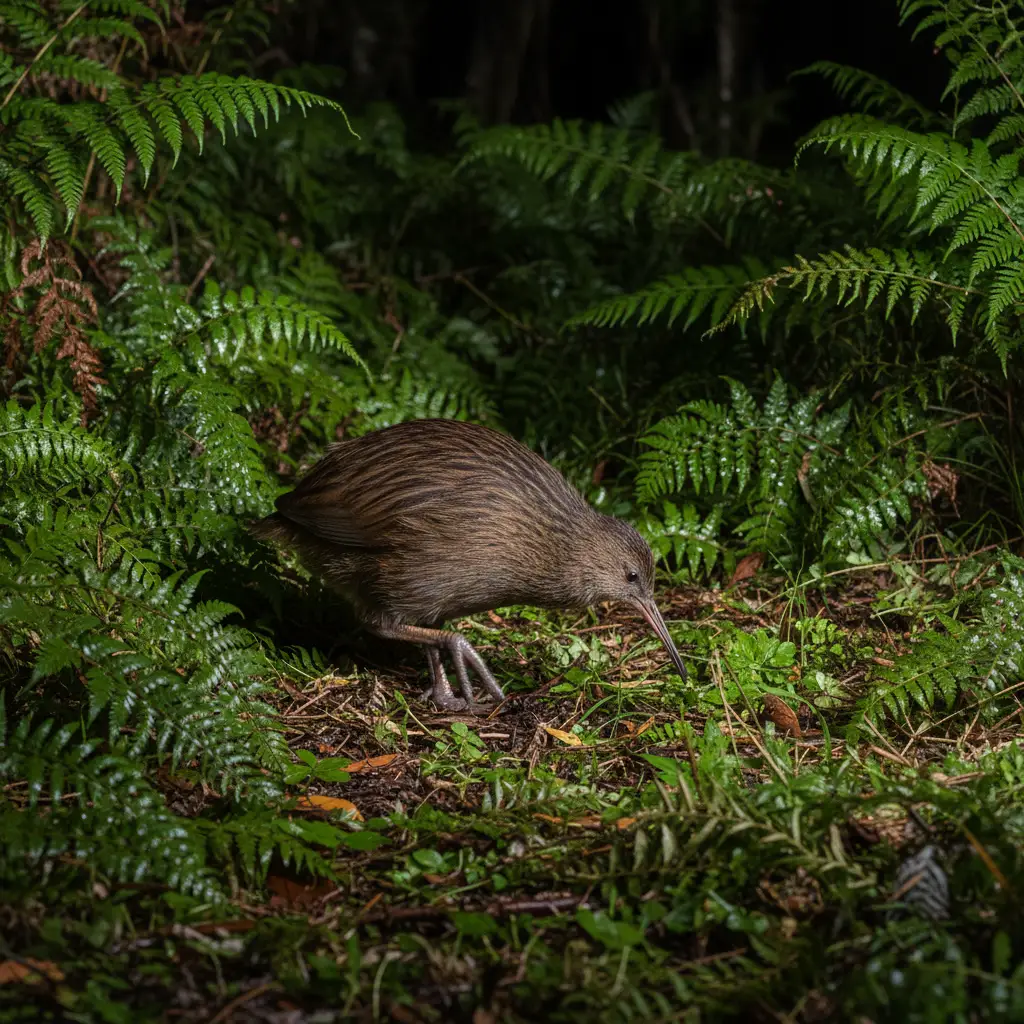
Supporting this initiative is crucial because New Zealand’s flora and fauna evolved in isolation for 80 million years, creating a unique ecosystem devoid of land mammals (except for bats). Consequently, native species lack the defense mechanisms to survive against introduced mammalian predators. Without intervention, an estimated 25 million native birds are killed annually by these pests. By choosing to support Predator Free 2050, you are directly contributing to the survival of species found nowhere else on Earth.
The ‘Big Three’ Targets: Possums, Rats, and Stoats
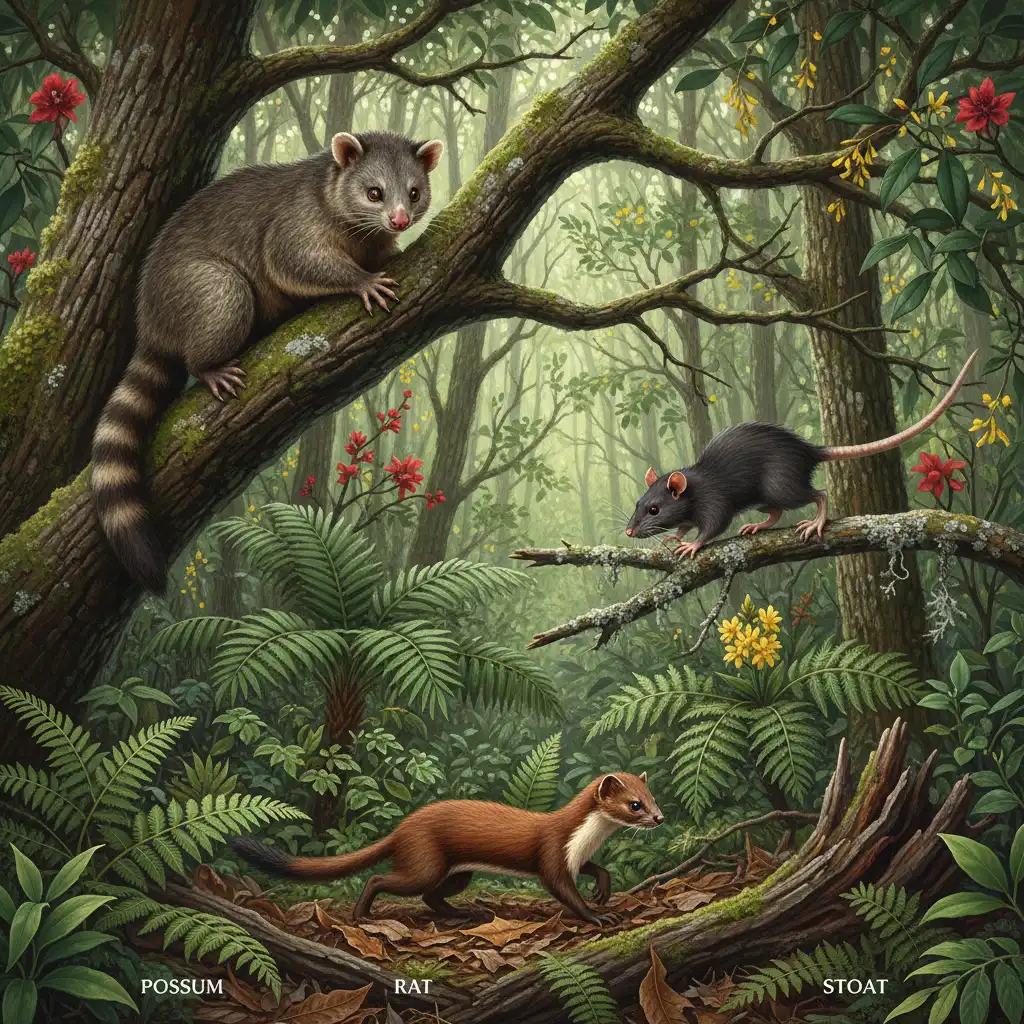
To effectively support Predator Free 2050, it is essential to understand the enemy. The strategy focuses on three specific categories of pests, chosen because of the catastrophic damage they inflict on biodiversity and the availability of technology to manage them.
1. Brush-tailed Possums
Introduced from Australia in 1837 for the fur trade, possums have become one of New Zealand’s major ecological disasters. There are millions of possums across the country, consuming tonnes of native forest every night. They strip trees like Rātā and Pōhutukawa of their canopy, eventually killing them. Furthermore, possums are opportunistic omnivores; they eat the eggs and chicks of native birds like the Kōkako and Kererū. They are also the primary vector for bovine tuberculosis, threatening the agricultural sector.
2. Rats (Ship Rats and Norway Rats)
Rats are ubiquitous and prolific breeders. Ship rats, in particular, are agile climbers capable of scaling high into the forest canopy to raid nests. They decimate populations of small forest birds, lizards, and invertebrates. Their rapid reproduction rates mean that without constant suppression, their populations can bounce back to pre-control levels within months. Supporting backyard trapping is particularly effective against rats, as they thrive in urban and peri-urban environments.
3. Stoats
Stoats are perhaps the most lethal of the three regarding direct predation on iconic species. Known as “public enemy number one” for the Kiwi, stoats are agile, fast, and fierce hunters. A single stoat can wipe out an entire population of ground-nesting birds. They are difficult to trap compared to rats and possums because they are naturally suspicious and travel large distances. Innovations in lure technology and landscape-scale trapping networks are vital to controlling stoat numbers.
Technology and Trapping Innovations
The goal of eradication by 2050 is impossible with traditional methods alone. Therefore, a significant pillar of the project involves investing in breakthrough technologies. When you support Predator Free 2050 financially, funds often go toward research and development in these high-tech areas.
Self-Resetting Traps
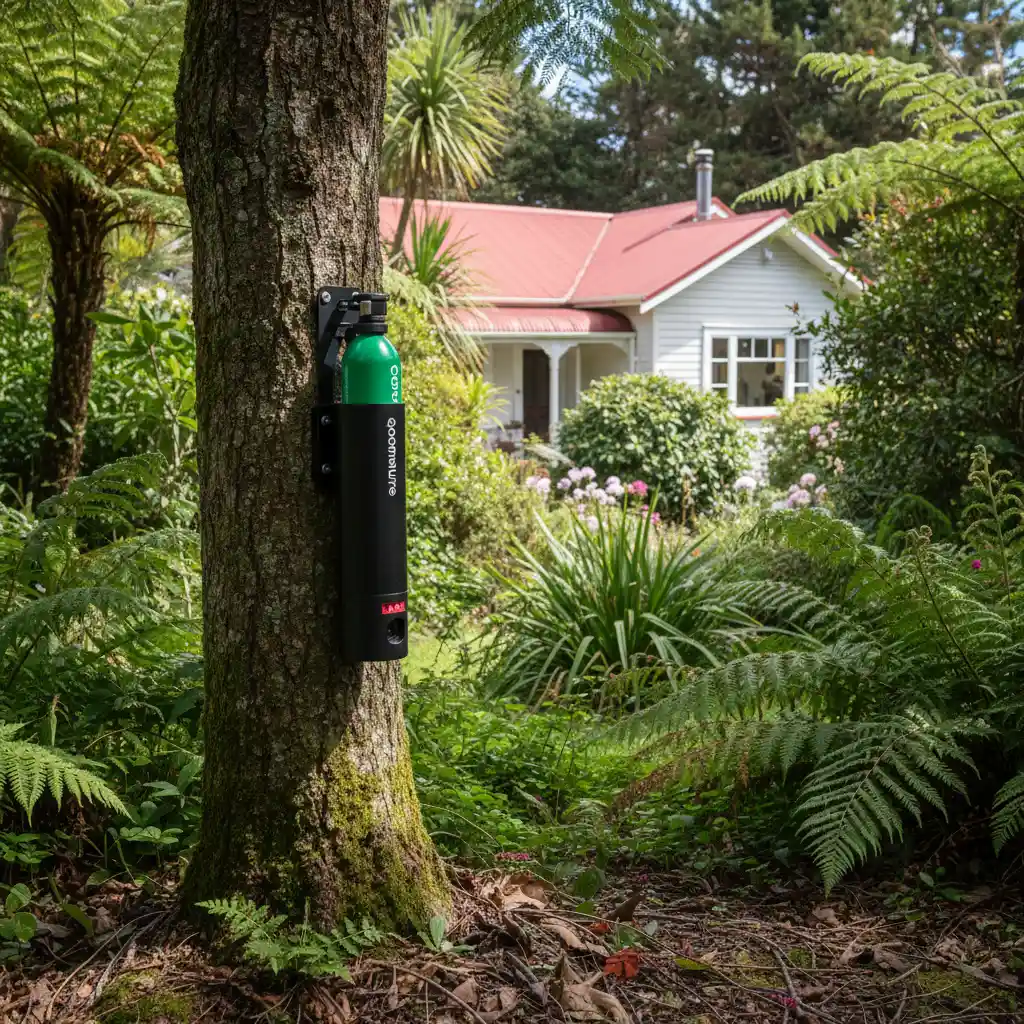
Traditional snap traps require a human to clear and reset them after every catch. This is labor-intensive and impractical for remote backcountry areas. Companies like Goodnature have revolutionized this with gas-powered, self-resetting traps (such as the A24 for rats and stoats). These devices can kill 24 pests before needing a canister replacement, maximizing efficiency and minimizing maintenance trips.
Artificial Intelligence and Smart Cameras
Identifying where predators are is half the battle. AI-powered thermal cameras, such as the “Cacophony Project” thermal cameras, can identify pests by their heat signature and movement patterns. This data allows conservationists to target specific areas where predators are active, rather than blanketing an area with traps blindly. Some advanced prototypes are even designed to trigger a trap only when a specific pest species is identified, preventing harm to non-target species.
Genetic Research
Long-term eradication may rely on genetic science. Research is currently underway into species-specific toxins and gene-drive technologies that could suppress populations by altering the reproductive capabilities of pests. While still in the research phase, this represents the frontier of conservation science.
Regional Hubs and Community Groups
Predator Free 2050 is structured around a “landscape scale” approach. This means connecting small pockets of predator control to create vast, safe zones. This is achieved through regional hubs and community groups.
Major projects include:
- Predator Free Wellington: Aiming to be the world’s first predator-free capital city. They have successfully eradicated weasels and Norway rats from the Miramar Peninsula and are expanding outward.
- Taranaki Taku Tūranga (Towards Predator-Free Taranaki): A massive project involving farmers, urban residents, and iwi to remove predators from the mountain to the sea.
- Predator Free Dunedin: A collaboration of over 20 organizations working to protect the wildlife capital of New Zealand.
Supporting these hubs is often more effective than working in isolation. These organizations provide the infrastructure, data monitoring, and strategic planning necessary to ensure that once predators are removed, they do not return.
How to Donate, Buy a Trap, and Take Action
For those asking “How can I support Predator Free 2050?”, the answer is multifaceted. Whether you have money, time, or land, there is a role for you to play. Here is a transactional guide to getting involved immediately.
1. Buy a Trap for Your Backyard
Urban trapping is a critical component of the strategy. Rats and possums use residential areas as breeding grounds and corridors to move between forest fragments. By trapping in your backyard, you create a “halo effect” around reserves.
- Where to buy: You can purchase traps from hardware stores (like Mitre 10 or Bunnings), directly from manufacturers like Goodnature, or through your local predator-free community group (often at a subsidized rate).
- Best Trap Options:
- Victor Snap Trap: Cheap and effective for rats, but requires a wooden tunnel for safety.
- DOC200: The gold standard for stoats and rats. A powerful, humane kill trap housed in a wooden box.
- Goodnature A24: Best for low maintenance. Automatic and toxin-free.
2. Donate to the Cause
If you cannot trap, you can fund the fight. Donations fuel the purchase of traps for reserves, fund scientific research, and support volunteer coordination.
- Predator Free 2050 Limited: The crown-owned company managing the investment.
- Local Trusts: Donating to a local group (e.g., The Ahuriri Tribute to Nature) ensures your money is used for tangible assets like traps and bait in a specific location.
- Sponsor a Trap: Many organizations allow you to “sponsor” a trap line. You pay for the hardware, and volunteers maintain it.
3. Volunteer Your Time
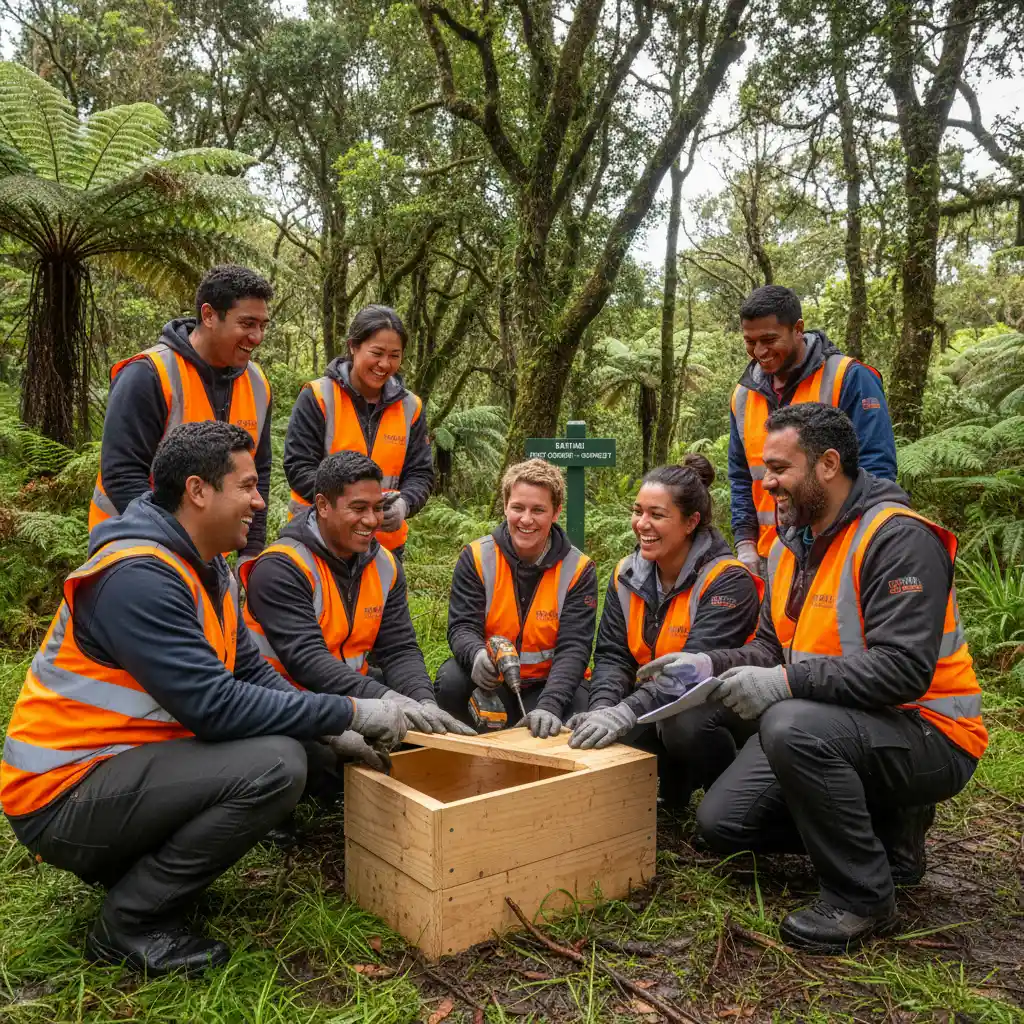
Trapping networks require constant maintenance. Traps must be checked, cleared, and re-baited regularly (often monthly or fortnightly). Joining a local group to check a trap line is a fantastic way to get fit, see the backcountry, and directly support the mission.
The Role of Eco-Tourism in Conservation
Tourism and conservation in New Zealand are inextricably linked. Many eco-tourism operators act as guardians (kaitiaki) of the land they operate on. When booking a trip to New Zealand, or traveling domestically, you can support Predator Free 2050 by choosing operators who actively contribute to the cause.
Look for the “Qualmark” sustainable tourism accreditation or operators who specifically mention a “Conservation Levy.” A portion of your ticket price with these operators often goes directly to funding trap lines on the islands or forests you visit. For example, tour operators in the Marlborough Sounds or Stewart Island often maintain the very trap networks that keep the birdlife abundant for tourists to see.
Frequently Asked Questions
Is Predator Free 2050 actually achievable?
While ambitious, experts believe it is achievable with current technologies and upcoming scientific breakthroughs. Successes on large offshore islands and peninsulas (like the Miramar Peninsula in Wellington) have proven that eradication is possible on a landscape scale. The challenge lies in scaling these successes to the mainland and maintaining biosecurity defenses.
What is the best bait for catching rats in NZ?
Peanut butter is widely considered the most effective and versatile bait for rats. It is attractive, easy to apply, and long-lasting. For variety, or if rats become shy, chocolate, Nutella, or specialized synthetic lures can also be used. It is important to refresh bait regularly to keep it palatable.
How much does it cost to set up a backyard trap?
Costs vary depending on the trap. A simple Victor rat trap with a safety tunnel can cost between $20 and $40 NZD. A heavy-duty DOC200 box trap typically costs around $80-$100 NZD. Advanced self-resetting traps like the Goodnature A24 retail for approximately $200 NZD. Many local community groups offer subsidized traps for as little as $10-$20 donation.
Will my cat get caught in a predator trap?
Most predator traps are designed with animal safety in mind. DOC200 traps and snap traps are housed inside wooden tunnels with small entrance holes that prevent cats from entering. However, it is always recommended to keep cats indoors at night and ensure traps are set according to the manufacturer’s safety guidelines.
Why are possums a target if they have fur value?
While possum fur has economic value, the ecological damage they cause far outweighs the benefits of the fur trade. Possums are not native to New Zealand and have no natural predators. Their population density is so high that hunting for fur alone cannot suppress numbers sufficiently to protect native forests and birds. Eradication is the only viable conservation outcome.
How can I find a local trapping group near me?
You can find local groups by visiting the “Predator Free NZ Trust” website, which maintains a national map of community trapping groups. Alternatively, searching social media for “Predator Free [Your Suburb/Town]” usually yields results. Local councils and the Department of Conservation (DOC) can also direct you to active groups.