The best time to stargaze in New Zealand is during the winter months of June through August. These months offer the longest nights and crisp, stable air, providing the clearest views of the Milky Way’s galactic core and the Matariki cluster. However, autumn and spring also provide excellent viewing conditions with milder temperatures.
The Four Seasons of NZ Skies: When to Go?
New Zealand is widely recognized as one of the premier astrotourism destinations on the planet. With vast swathes of unpopulated land and dedicated Dark Sky Sanctuaries, the archipelago offers unrivaled access to the cosmos. However, the “best” time depends heavily on what celestial objects you wish to observe. While winter is the technical peak for clarity, every season offers a unique theatrical performance in the southern skies.
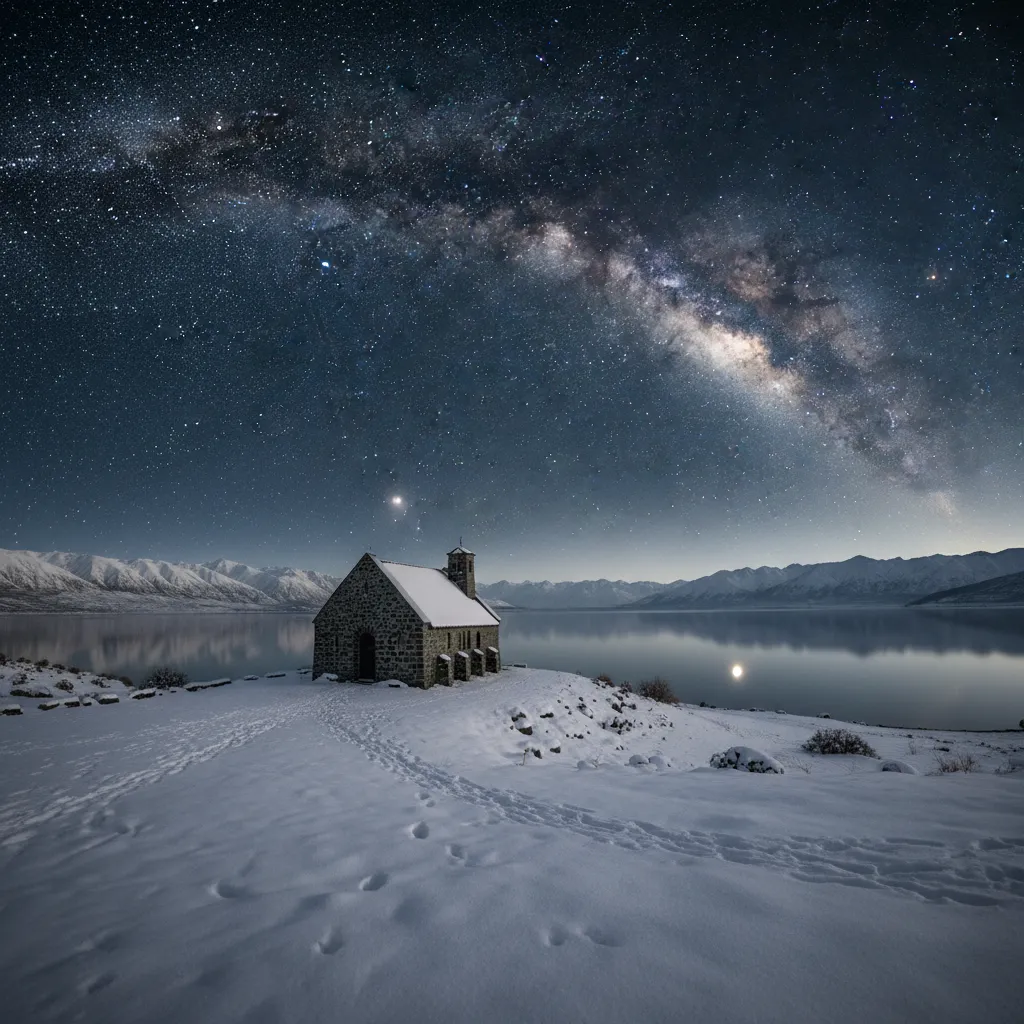
Winter (June – August): The Season of Clarity
For the serious astronomer and the casual stargazer alike, winter is the undisputed champion of New Zealand stargazing. During these months, the sun sets as early as 5:00 PM, creating long windows of darkness that allow for extended viewing sessions.
The primary advantage of winter is the visibility of the Milky Way’s galactic core. In the Southern Hemisphere, the center of our galaxy passes directly overhead during mid-winter. This results in the most dramatic, bright, and detailed views of the star fields, dust lanes, and nebulae. Furthermore, the cold air holds less moisture than warm summer air. Lower humidity results in less atmospheric distortion (known as “seeing”), making stars appear sharper and reducing the twinkle effect that blurs planetary details.
Key Highlights in Winter:
- The Galactic Core: The brightest part of the Milky Way is directly overhead.
- Scorpius and Sagittarius: These constellations are prominent and high in the sky.
- Matariki (The Pleiades): Reappears in the dawn sky, signaling the Māori New Year.
- Aurora Australis: Longer nights statistically increase the chances of spotting the Southern Lights.
Summer (December – February): Warmer Nights
While winter offers the best technical conditions, summer stargazing is far more comfortable. Temperatures in the dark sky regions like the Mackenzie Basin can drop well below freezing in winter, which can be a deterrent for families or those sensitive to the cold. Summer allows you to lie back in the grass without needing heavy arctic gear.
However, the trade-off is the length of the night. In the height of summer, true astronomical darkness may not occur until after 11:00 PM, and the nights are short. Additionally, the galactic core is not visible in the evenings during summer; instead, you look out toward the outer edge of the galaxy. The sky is still filled with stars, but it lacks the dense, dramatic structure of the winter Milky Way.
Key Highlights in Summer:
- Orion: The Hunter appears upside down in the Southern Hemisphere, a quirky perspective for Northern visitors.
- The Southern Cross (Crux): Always visible, but oriented differently.
- Magellanic Clouds: Our neighboring dwarf galaxies are often visible to the naked eye.
Autumn and Spring: The Perfect Balance
The shoulder seasons (March-May and September-November) offer a compromise. The nights are getting longer (or haven’t shortened yet), and the temperatures are manageable. The Milky Way core is visible for parts of the night—rising late in spring or setting early in autumn. These seasons are often preferred by astrophotographers who want to capture the transition of the sky without freezing.
Matariki & Cultural Astronomy
To truly understand the best time to stargaze in New Zealand, one must understand Matariki. This is not just an astronomical event; it is a cultural phenomenon that defines the New Zealand calendar.
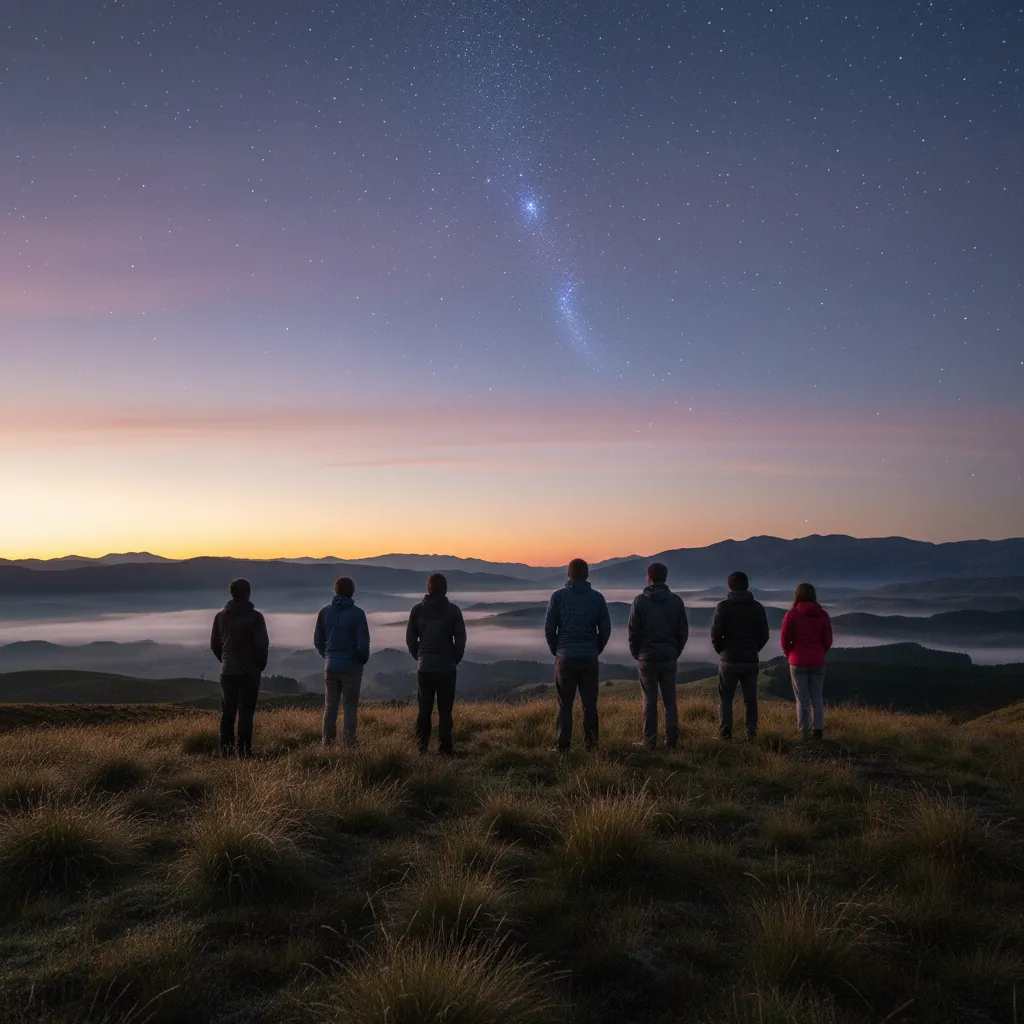
What is Matariki?
Matariki is the Māori name for the star cluster known as the Pleiades (or the Seven Sisters). In mid-winter (usually late June or July), this cluster reappears in the pre-dawn sky after being absent for a month. Its rising signals the start of the Māori New Year.
For travelers, timing a trip to coincide with Matariki adds a profound layer of cultural depth to the stargazing experience. Many regions, especially those with Dark Sky accreditation, host festivals, storytelling sessions, and cultural events that explain the navigation history of Polynesian voyagers and the significance of each star in the cluster.
Traditionally, the visibility of Matariki was used to predict the success of the coming harvest. Clear, bright stars signaled a warm, productive season, while hazy stars warned of cold weather and poor crops. Today, it is a public holiday in New Zealand, making it a vibrant time to visit.
Understanding the Lunar Calendar
Regardless of the season you choose, the phase of the moon is the single most critical factor in determining the quality of your stargazing experience. A full moon acts as a massive natural light polluter. Its brightness washes out the faint light of the Milky Way, nebulae, and shooting stars, leaving only the brightest stars and planets visible.
When to Plan Your Trip
To experience the “best” stargazing, you must plan your travel dates around the New Moon. The New Moon phase is when the moon is positioned between the Earth and the Sun, meaning the side facing Earth is in shadow. During this phase (and the days immediately surrounding it), the sky is at its absolute darkest.
- New Moon: The Gold Standard. 100% visibility of deep sky objects.
- First Quarter: Good stargazing in the early morning after the moon sets.
- Third Quarter: Good stargazing in the evening before the moon rises.
- Full Moon: Avoid for deep sky viewing. Great for moon photography, bad for stars.
If you are booking a specialized tour at an observatory like Mt. John in Tekapo, check the lunar calendar first. A tour during a full moon will focus on lunar craters and planets, whereas a tour during a new moon will focus on galaxies and clusters.
Weather Patterns by Region
New Zealand’s geography creates distinct microclimates that affect cloud cover. Knowing where to go is just as important as knowing when to go.
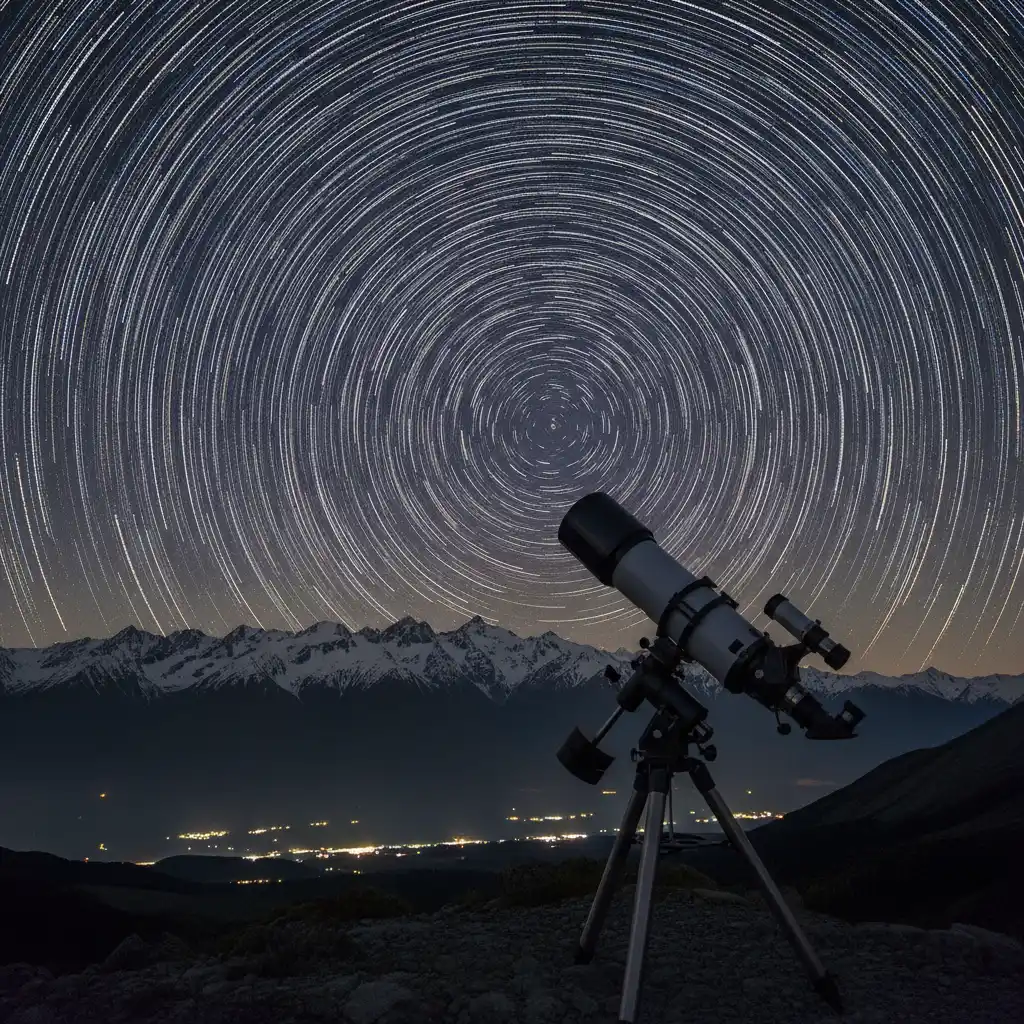
The Mackenzie Basin (South Island)
Home to the Aoraki Mackenzie International Dark Sky Reserve, this is the crown jewel of NZ astrotourism. The region sits east of the Southern Alps. The mountains act as a barrier, catching the prevailing westerly rain and clouds. This “rain shadow” effect creates a dry, clear microclimate over Lake Tekapo, Twizel, and Mt. Cook. While winter brings snow to the ground, the skies above are frequently crystal clear.
Northland and Great Barrier Island
Great Barrier Island (Aotea) is an International Dark Sky Sanctuary. Being further north, it is warmer than the Mackenzie Basin. However, the weather here is more maritime. Winter can be wetter in the North Island, so summer and autumn are often preferred for stargazing in these regions to avoid the subtropical low-pressure systems that bring rain.
Central Otago
Areas like Queenstown and Wanaka also offer great skies, though light pollution from the growing towns is a minor factor. However, if you drive just 20 minutes out of town toward Glenorchy or Cardrona, the skies rival those of the Mackenzie Basin. The dry climate of Central Otago is generally favorable for stargazing year-round.
Major Astronomical Events
Beyond the static beauty of the Milky Way, specific events can dictate the best time to visit.
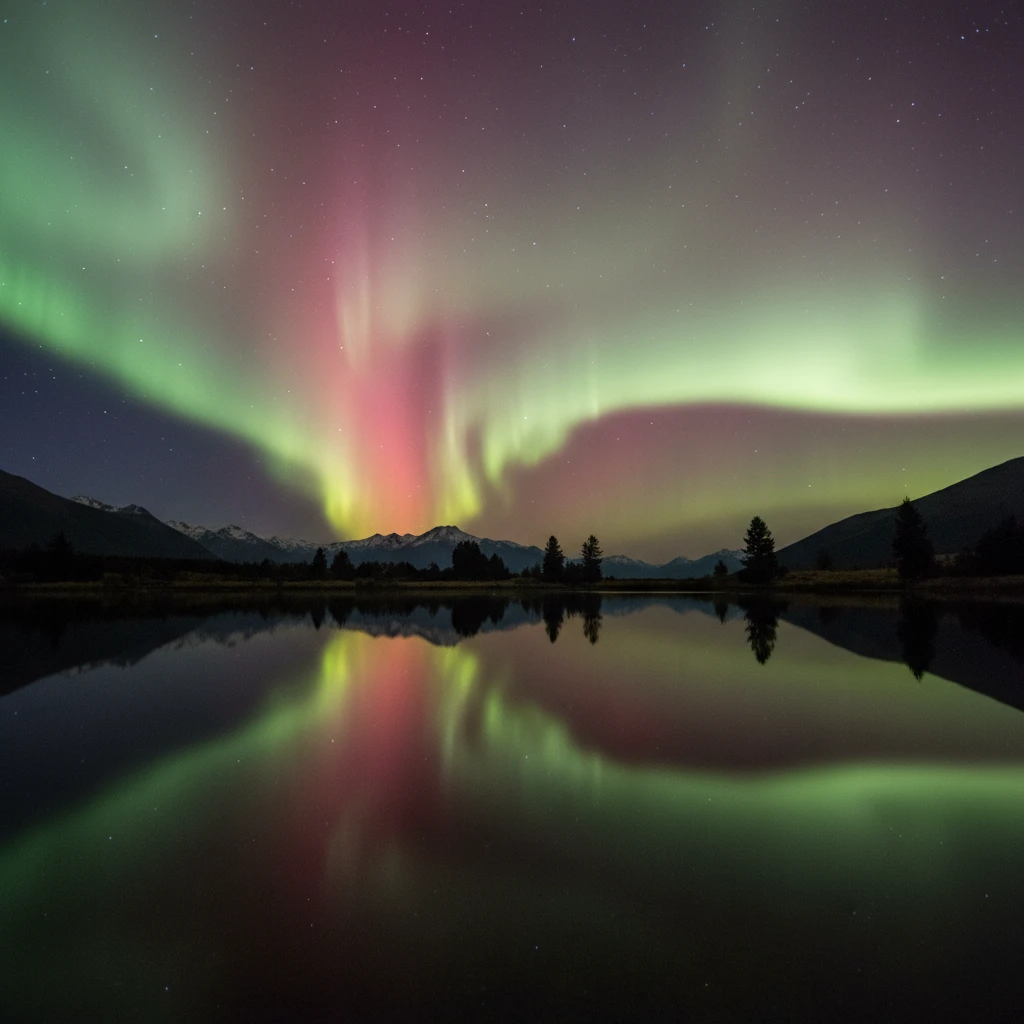
Aurora Australis (Southern Lights)
Unlike the Northern Lights, which are strictly a winter phenomenon in high latitudes, the Aurora Australis can technically occur year-round. However, they are elusive. The best time to hunt for them is during the equinoxes (March and September) due to the “Russell-McPherron effect,” which aligns the Earth’s magnetic field to capture more solar wind. Winter is also excellent simply due to the longer hours of darkness.
Meteor Showers
While not as intense as some Northern Hemisphere showers, New Zealand sees several notable displays:
- Eta Aquariids (Early May): Created by debris from Halley’s Comet, this is often the best shower for the Southern Hemisphere, producing fast, bright meteors.
- Geminids (mid-December): A reliable shower, though the short summer nights reduce the viewing window.
Summary: The Verdict
If your goal is to see the universe in its most terrifyingly beautiful detail, book your trip for a New Moon window in July or August. Pack thermal layers, visit the Mackenzie Basin, and prepare for the Milky Way to cast a shadow on the ground.
If you prefer a cultural connection and slightly milder weather, aim for late June for Matariki. And if you want a relaxed holiday where the stars are a bonus rather than the main event, February and March offer the best balance of warmth and clear skies.
People Also Ask
Can you see the Milky Way all year round in New Zealand?
Yes, parts of the Milky Way are visible year-round. However, the bright Galactic Core (the most photogenic part) is best viewed from autumn to spring. In summer, we look toward the outer edges of the galaxy, which are less dense but still beautiful.
When is the best month to see the Southern Lights in New Zealand?
The Aurora Australis is unpredictable, but the equinox months of March and September often see higher geomagnetic activity. Winter (June-August) offers the longest nights, increasing your statistical chance of spotting them.
Do I need a telescope to stargaze in New Zealand?
No. The skies in New Zealand’s dark sky reserves are so dark that the naked eye is sufficient to see thousands of stars, the Milky Way, and the Magellanic Clouds. However, a pair of binoculars will significantly enhance the experience.
Where is the darkest sky in New Zealand?
The Aoraki Mackenzie International Dark Sky Reserve (South Island) and the Great Barrier Island International Dark Sky Sanctuary (North Island) possess some of the darkest, most pristine skies in the world (Bortle Scale 1).
What time of night is best for stargazing?
The sky is darkest after “astronomical twilight” ends. In winter, this can be as early as 7:00 PM. In summer, you may need to wait until after 11:30 PM. Generally, the hours around midnight are ideal.
Is Matariki visible in the evening?
Traditionally, Matariki is observed in the early morning, just before dawn, when it rises on the horizon in mid-winter. Later in the year, as the seasons progress, the cluster becomes visible in the evening sky.