The history of Māori astronomy, known as Tātai Arorangi, is deeply intertwined with Polynesian navigation and the Maramataka (lunar calendar). It involves observing celestial bodies to guide ocean voyages, predict seasonal changes for agriculture, and mark significant cultural events like Matariki, preserving ancient knowledge through oral traditions and star lore.
For centuries, the night sky has served as a map, a clock, and a storybook for the Māori people of Aotearoa New Zealand. Unlike Western astronomy, which often focuses on the physical properties of stars, Tātai Arorangi emphasizes the symbiotic relationship between the heavens and daily life on Earth. Understanding this history is not merely an academic exercise; it is a journey into the spiritual and practical heart of indigenous New Zealand culture. From the legendary voyages of the great waka (canoes) to the modern revival of Matariki as a public holiday, the stars continue to guide the people of the land.
What is the Significance of Matariki (Māori New Year)?
Matariki is the Māori name for the star cluster known internationally as the Pleiades or the Seven Sisters. The rise of this star cluster in the mid-winter sky marks the beginning of the Māori New Year. However, the history of Māori astronomy reveals that Matariki is far more than just a calendar marker; it is a profound period of reflection, celebration, and environmental planning.

The Spiritual and Agricultural Connection
Historically, the visibility of Matariki determined the success of the coming harvest. If the stars appeared clear and bright, it was believed that the season would be warm and productive. Conversely, hazy or shimmering stars predicted a cold winter and poor crops. This direct observation informed the planting of kumara (sweet potato) and other essential crops.
Spiritually, Matariki is a time to remember those who have passed away since the last rising of the cluster. It is believed that as the stars rise, they carry the spirits of the deceased into the heavens to become stars themselves. This duality of mourning the dead (hunganui) and celebrating the future (hungaroa) is central to the history of Māori astronomy.
The Nine Stars of Matariki
While often referred to as the Seven Sisters in Greek mythology, many Māori iwi (tribes) recognize nine distinct stars within the cluster, each holding dominion over a specific environmental domain:
- Matariki: The mother of the other stars, connected to health and wellbeing.
- Pōhutukawa: Connected to those who have passed on.
- Tupuānuku: Connected to food grown in the ground.
- Tupuārangi: Connected to food from the sky (birds/fruit).
- Waipuna-ā-rangi: Connected to rain.
- Ururangi: Connected to the winds.
- Waitī: Connected to fresh water and food within it.
- Waitā: Connected to salt water and food within it.
- Hiwa-i-te-rangi: The wishing star, connected to future aspirations.
How Did Ancestors Navigate by the Stars?
The history of Māori astronomy cannot be separated from the incredible feats of Polynesian wayfinding. Long before European instruments like the sextant or compass existed, Polynesian voyagers navigated thousands of miles across the open Pacific Ocean to discover Aotearoa. This was achieved through a sophisticated understanding of the night sky.

The Star Compass and Horizon Stars
Navigators utilized a mental construct known as the star compass. They memorized the rising and setting points of specific stars on the horizon. By aligning the waka with these celestial markers, they could maintain a precise heading. The most significant stars included celestial bodies like Atutahi (Canopus) and Rehua (Antares).
This knowledge was not written down but was preserved through complex oral traditions, songs, and carvings. The navigator stayed awake for days, constantly monitoring the angles of stars, the swell of the ocean, and the behavior of wildlife. This holistic approach to navigation is a testament to the acute observational skills inherent in the history of Māori astronomy.
Zenith Stars and Latitude
Polynesian navigators understood that specific stars pass directly overhead (at the zenith) at specific latitudes. By knowing which star was directly above a particular island, a navigator could determine if they were north, south, or directly upon the latitude of their destination. This technique was crucial for making landfall on the isolated islands of the Pacific.
How to Identify the Matariki Cluster in the Winter Sky
For modern stargazers and tourists visiting New Zealand, spotting Matariki is a highlight of the winter season (typically late June or early July). Identifying the cluster requires knowing where to look and waking up early, as it appears in the pre-dawn sky.
Step-by-Step Guide to Finding Matariki
- Face North-East: Before the sun rises, look towards the north-eastern horizon.
- Find ‘The Pot’ (Orion’s Belt): Locate the distinct row of three stars that make up the bottom of ‘The Pot’ (or the belt of Orion).
- Follow the Line: Imagine a line drawn through these three stars pointing leftward (northward).
- Locate the Triangle: Continue along this line until you see a bright triangular shape of stars. This is Te Kokotā (The Hyades), which forms the face of Taurus the Bull. The bright reddish star here is Aldebaran.
- Keep Going: Continue the line slightly further to the left, and you will see a tight cluster of twinkling lights. That is Matariki.

Cultural Storytelling Tours and Events
The resurgence of interest in the history of Māori astronomy has led to a boom in dark sky eco-tourism in New Zealand. Areas like the Aoraki Mackenzie International Dark Sky Reserve offer world-class conditions for viewing the heavens, paired with deep cultural narratives.
The Role of Dark Sky Sanctuaries
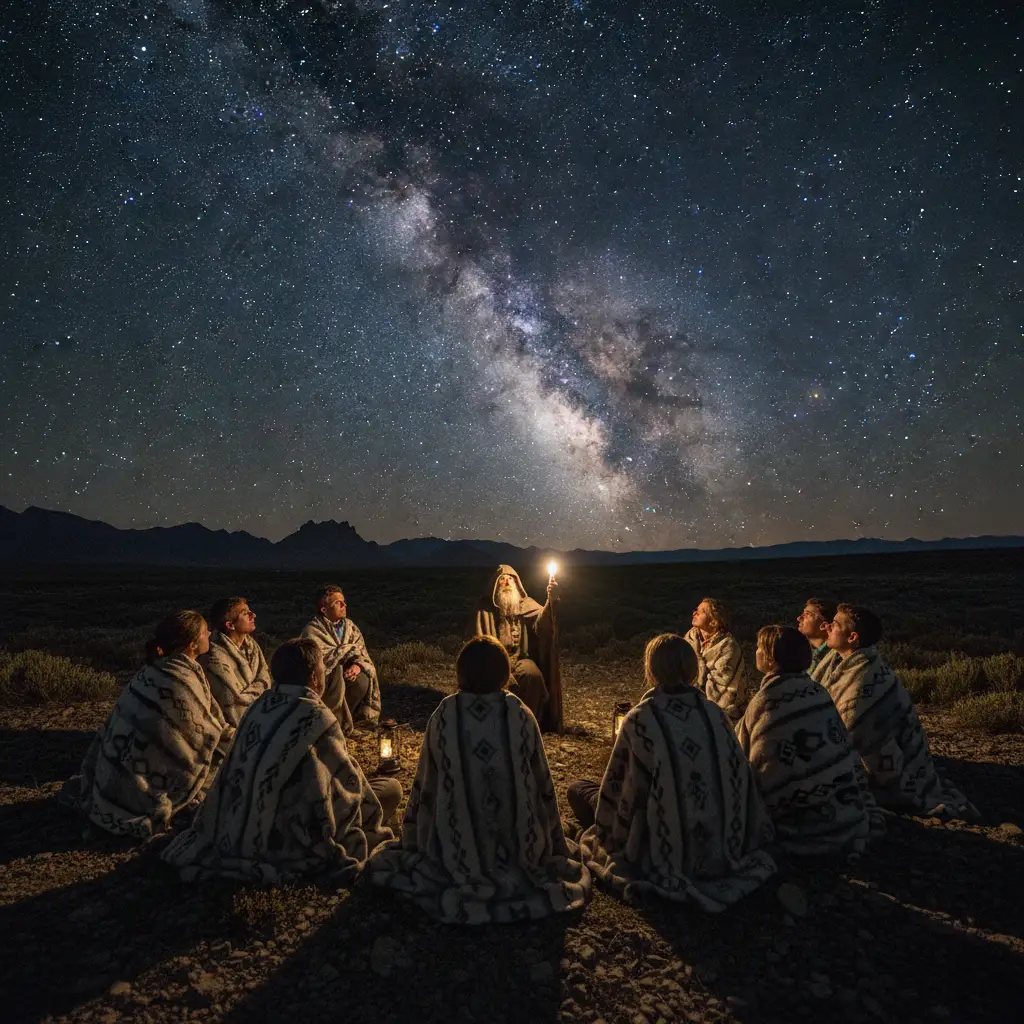
New Zealand is home to some of the darkest skies on Earth. In these locations, light pollution is strictly controlled to protect the visibility of the cosmos. Tourism operators often partner with local iwi to provide tours that are not just about astronomy, but about astrophysics meets anthropology.
Visitors can expect to hear legends of Tāne Mahuta (God of the Forest) pushing the sky father (Ranginui) away from the earth mother (Papatūānuku) to let light into the world. These stories explain the arrangement of the stars and the Milky Way (Te Ika-a-Rangi). Participating in these tours supports the preservation of indigenous knowledge and funds the protection of these pristine environments.
How to Respectfully Participate in Matariki Celebrations
As Matariki becomes a more prominent public holiday in New Zealand, understanding the protocol (tikanga) for participation is essential for visitors and locals alike.
Reflection and Remembrance
Unlike the raucous parties often associated with Western New Year’s Eve, Matariki is traditionally a time of quiet reflection. It is appropriate to take time to remember loved ones who have passed. Many public events will have a moment of silence or a specific area dedicated to remembrance.
Shared Kai (Food)
Food is a central element of Matariki, linking the stars to the harvest. Sharing a meal helps to bring people together and lift the tapu (sacredness) of the ceremony, transitioning the group back into the common world (noa). Participating in a hāngī (earth oven feast) is a profound way to connect with the culture.
Environmental Stewardship
Since Matariki is deeply connected to the environment, respectful participation involves caring for the land. Many communities organize tree-planting days or beach clean-ups during this period. Engaging in these eco-tourism activities demonstrates a respect for the values underpinning the history of Māori astronomy.
Frequently Asked Questions About Māori Astronomy
What is the Māori name for the Milky Way?
The Māori name for the Milky Way is often Te Ika-a-Rangi (The Fish of the Sky) or Te Mangōroa (The Long Shark). Stories vary between tribes, but it is consistently viewed as a significant celestial feature that houses various deities and navigational markers.
Did Māori use telescopes in history?
No, pre-European Māori did not use optical telescopes. Their knowledge was based on naked-eye observations. They possessed exceptional visual acuity and deep knowledge of the night sky, allowing them to detect subtle changes in star color and brightness that predicted weather patterns.
How does the Maramataka differ from the Gregorian calendar?
The Maramataka is a lunar calendar that follows the phases of the moon rather than the solar cycle used in the Gregorian calendar. It is strictly environmental, dictating when to fish, plant, and rest based on the energy levels of the moon and the season.
Why does Matariki appear at different times?
Matariki follows a lunar stellar calendar system. Therefore, the exact dates shift slightly each year within the Gregorian calendar, usually falling between late June and mid-July. The holiday is timed to the first new moon following the rising of the cluster.
Are there other important stars besides Matariki?
Yes, stars like Puanga (Rigel) are crucial. In parts of New Zealand where geography obscures the horizon (like the West Coast or far North), Puanga is the primary star used to mark the New Year instead of Matariki.
Can I see Matariki from anywhere in New Zealand?
Generally, yes, provided you have a clear view of the north-eastern horizon and low light pollution. However, local topography (mountains or hills) can block the view, which is why some tribes look to other stars like Puanga.