The best time to visit Kapiti Island is between October and April when the weather is warmest and bird activity is at its peak. However, for travelers specifically seeking the Little Spotted Kiwi, an overnight stay during the shoulder seasons (spring or autumn) offers the optimal balance of mild weather and longer hours of darkness for spotting nocturnal wildlife.
Kapiti Island is one of New Zealand’s most precious nature reserves, a predator-free sanctuary that offers a glimpse into what the country looked like before human arrival. Located off the Kapiti Coast north of Wellington, this island is a bucket-list destination for eco-tourists, birdwatchers, and history enthusiasts. Planning a trip here requires careful consideration of weather, ferry schedules, and strict biosecurity measures. This guide provides authoritative advice on how to maximize your experience in this ecological haven.
Determining the Best Time to Visit Kapiti Island
Choosing when to visit Kapiti Island depends largely on your primary motivation: hiking, general birdwatching, or specific photography goals. The island sits in the Cook Strait, an area notorious for changeable weather, meaning that timing is critical for both safety and enjoyment.
Summer (December to February)
Summer is the most popular season for commercial tourism. During these months, the Kapiti Coast generally experiences more stable sea conditions, reducing the likelihood of ferry cancellations. The warmer temperatures make the steep hike up the Trig Track more manageable for casual walkers, and the island is vibrant with the song of Cicadas and Tūī.
However, summer is also the peak season. Permits sell out weeks in advance, particularly for weekends and public holidays. If you plan to visit in January, you must book your Department of Conservation (DOC) permits and ferry transport at least a month prior.
Spring (September to November)
Spring is arguably the best time to visit Kapiti Island for serious birdwatchers. This is the breeding season for many native species. You are more likely to see courtship displays and hear a cacophony of birdsong that rivals any location on Earth. The Kākā are particularly boisterous during this period, and the distinct call of the Kōkako is more frequently heard.

Autumn and Winter (March to August)
While the weather is cooler and the crossing can be rougher, winter offers a unique advantage: solitude. The island is quieter, allowing for a more intimate connection with nature. For photographers, the winter light is less harsh, providing better conditions for capturing the dense forest canopy. Furthermore, because the days are shorter, those staying overnight have a longer window of darkness to search for the Little Spotted Kiwi.
Booking Permits and Ferry Transport
Visiting Kapiti Island is not as simple as showing up at the beach. It is a strict nature reserve with a capped number of daily visitors (currently limited to 160 people per day across two landing sites) to minimize environmental impact.
The Two-Step Booking Process
Unless you are booking a comprehensive tour package, you generally need to coordinate two elements:
- The DOC Permit: A landing permit from the Department of Conservation is mandatory. A portion of your ferry ticket price usually covers this, or it is arranged by the tour operator.
- The Ferry Transport: There are only two authorized boat operators permitted to land on the island: Kapiti Island Nature Tours and Kapiti Eco Experience.
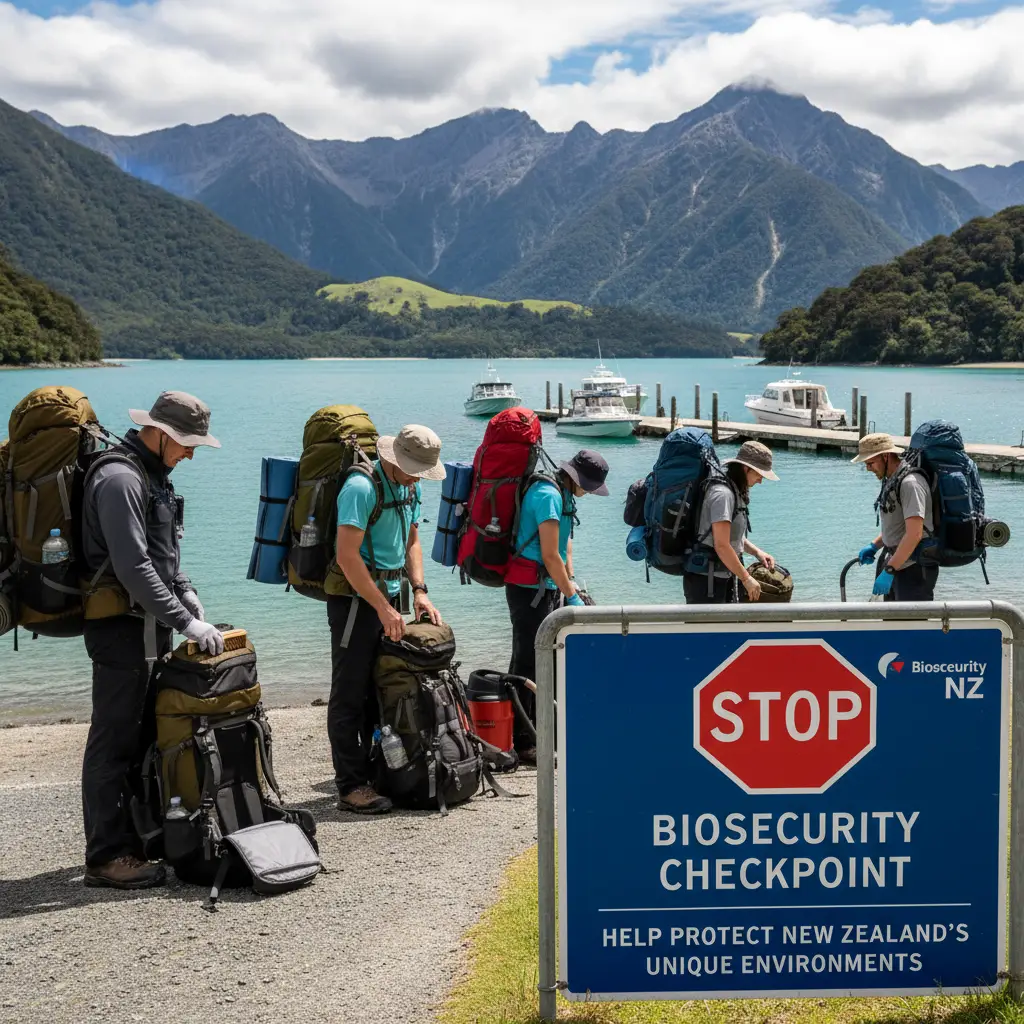
Boats depart from Paraparaumu Beach, located about an hour’s drive north of Wellington. The crossing takes approximately 20 minutes. It is vital to arrive at the departure point at least 30 minutes early for mandatory biosecurity checks. The operators are strict about departure times; if you are late, you will miss the boat, and refunds are rarely given for lateness due to the commercial strictness of the schedule.
Cancellations and Weather
The stretch of water between the mainland and the island is exposed. Trips are frequently cancelled due to high swells or strong winds. Always check your email and phone the morning of your trip. If the operator cancels for safety reasons, you will typically be offered a full refund or a reschedule date.
Choosing Your Landing: North End vs. Rangatira Point
When booking, you must choose between two distinct landing sites. You cannot walk between them on a day trip, so this decision dictates your entire experience.
Rangatira Point (The Central Landing)
Rangatira is the most popular landing site and is generally recommended for first-time visitors. It offers the greatest diversity of landscapes and birdlife.
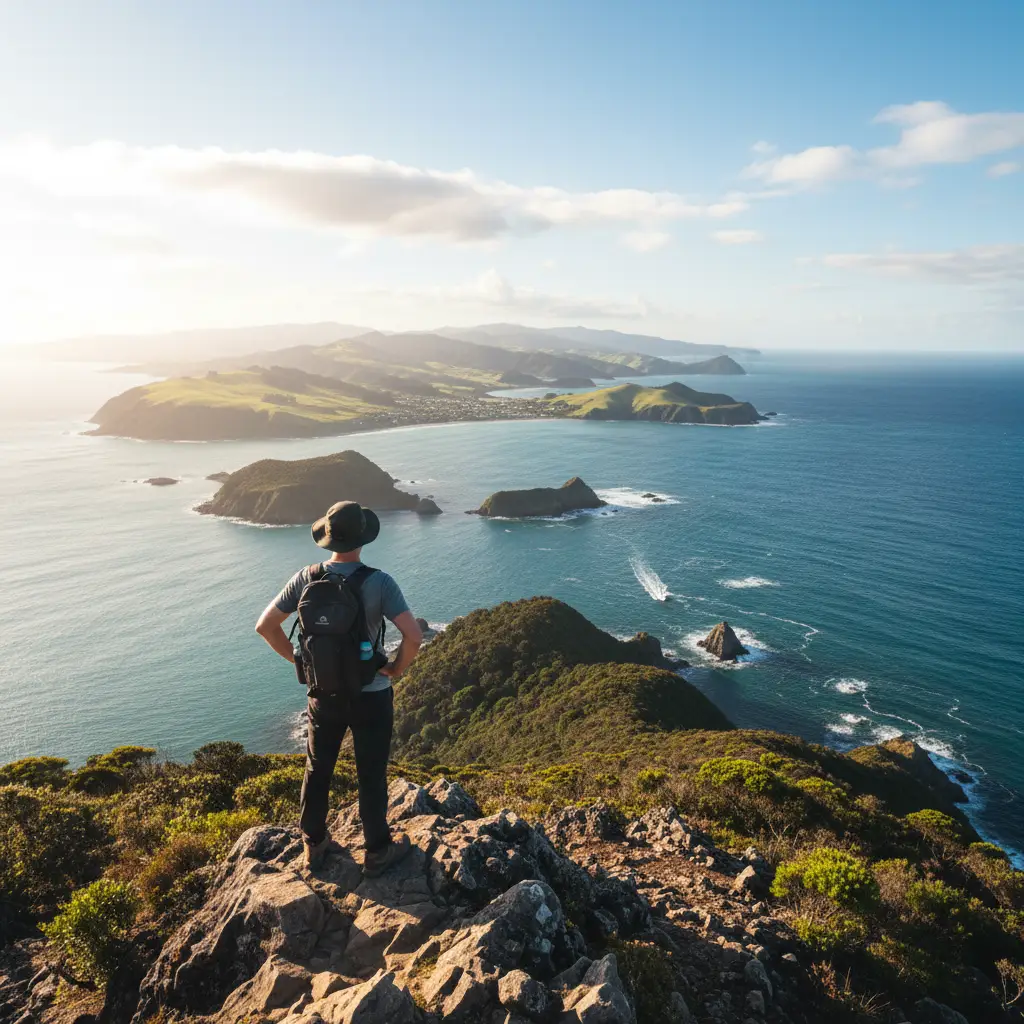
- The Terrain: This area features the famous Wilkinson Track and the Trig Track. The Wilkinson Track is a steady, well-graded walk taking about 1.5 to 2 hours one way to the summit (Tuteremoana). The Trig Track is steeper and more challenging but faster.
- The Experience: At the summit (521m), you are rewarded with panoramic views of the Wellington region and the South Island’s Kaikōura Ranges.
- Wildlife: This area has been predator-free the longest and has high densities of Takahē, Weka, and Kākā near the visitor shelter.
The North End (Waiorua Bay)
The North End offers a completely different vibe and is often less crowded.
- The Terrain: The tracks here are generally flatter and weave through coastal forest and around the Okupe Lagoon.
- The Experience: This end of the island is significant for its freshwater lake (Okupe Lagoon), which attracts different bird species, including Royal Spoonbills and various waterfowl.
- Wildlife: While you will still see plenty of forest birds, the North End is better for spotting seabirds and enjoying a more relaxed, less vertical hiking experience. It is ideal for visitors with lower fitness levels or those interested in coastal ecology.
Spotting the Little Spotted Kiwi in the Wild
Kapiti Island is the stronghold of the Little Spotted Kiwi (Kiwi pukupuku). Extinct on the mainland, roughly 1,200 of these birds reside on Kapiti. However, seeing them requires specific planning because they are strictly nocturnal.
Why Day Trips Won’t Work
If you visit on a standard day trip (departing 9:00 AM, returning 3:00 PM), you will not see a Kiwi. They are deep in burrows during daylight hours. To see them, you must book an overnight stay at the Kapiti Island Nature Tours lodge (located at the North End/Waiorua).
The Guided Night Tour Experience
Overnight guests are taken on a guided walk after dusk. The guides use red-light torches (which do not disturb the birds) to locate them. The success rate is incredibly high—often cited as over 90%. Being in the native bush at night, listening to the shrill call of the male Kiwi and the guttural growl of the female, is a spiritual experience for many eco-tourists.
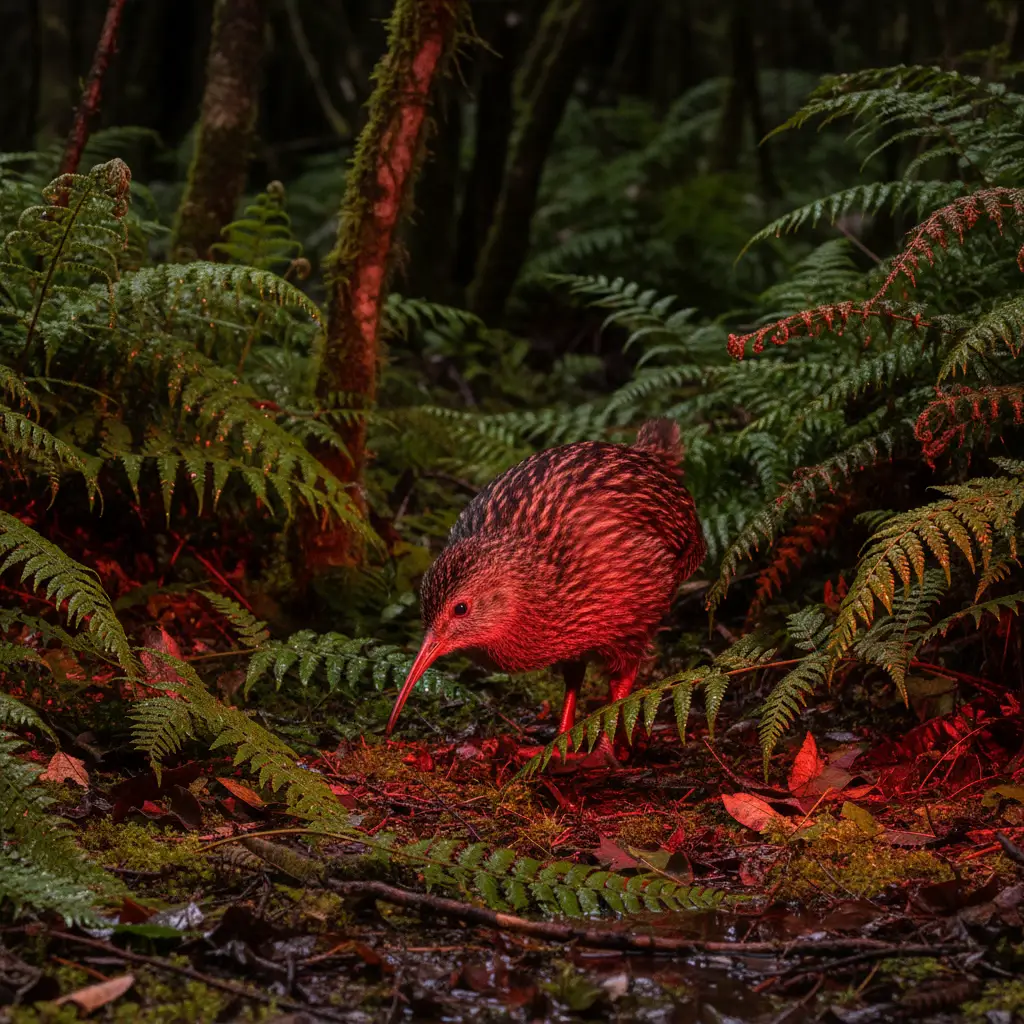
Pro Tip: When spotting Kiwi, silence is golden. Although they have poor eyesight, their hearing is acute. Wear clothing that doesn’t rustle (avoid loud rain jackets if possible) and follow the guide’s instructions implicitly.
The Rich Cultural History of Kapiti
Kapiti Island is not just a biological sanctuary; it is a landscape soaked in history. Understanding the human story adds immense depth to a visit.
The Stronghold of Te Rauparaha
In the 1820s, the Ngāti Toa chief Te Rauparaha, a brilliant military strategist, migrated from Kawhia to the Kapiti Coast. He established Kapiti Island as his fortress and trading base. From here, he controlled the cook strait waterways and launched campaigns into the South Island. The island was a bustling hub of commerce, interacting with early European whalers and traders.
Whaling Era
During the 1830s and 40s, the waters around Kapiti were teeming with whales. Several shore-based whaling stations operated on the island. You can still see remnants of this industry today, particularly the “try-pots” (large cauldrons used for rendering blubber) which stand as rusting monuments to a bloody past. The transition from a whaling center to a sanctuary represents a massive shift in New Zealand’s relationship with its environment.
Biosecurity and Preparation: What to Bring
The island’s predator-free status is hard-won and fragile. A single rat or mouse could devastate the bird population. Consequently, biosecurity is the most important part of your pre-trip preparation.
Mandatory Biosecurity Checks
Before boarding the ferry, you will undergo a bag search. You must ensure:
- Clean Gear: All footwear must be free of soil and seeds. Check your hiking boot treads carefully.
- Food Storage: Food must be in sealed containers (like Tupperware), not open bags or supermarket plastic bags, to prevent pests from hiding inside.
- Check Pockets: Ensure no seeds or rodents are hiding in jacket pockets or backpack compartments.
Packing List
There are no shops on the island (except for the lodge, which is for guests). You must be self-sufficient.
- Water: Bring at least 2 liters per person. There is no potable water available on the tracks.
- Food: Pack a robust lunch and snacks. You will burn significant energy hiking.
- Layers: The weather changes rapidly. Bring a windproof/waterproof jacket even on sunny days.
- Sun Protection: The New Zealand sun is harsh. High SPF sunscreen and a hat are non-negotiable.
People Also Ask (PAA)
Can you stay overnight on Kapiti Island?
Yes, but options are limited. You cannot camp on the island. The only accommodation is the Kapiti Island Nature Tours Lodge located at the North End (Waiorua). Bookings are essential and include meals, transport, and guided night tours for Kiwi spotting.
Are there toilets on Kapiti Island?
Yes, there are toilet facilities at both the Rangatira and North End landing sites. However, there are no toilets along the hiking tracks or at the summit. You must use the facilities at the landing areas before beginning your walk.
How fit do I need to be to visit Kapiti Island?
It depends on the landing site. The North End offers flat, easy walking suitable for most fitness levels. The Rangatira landing involves the Wilkinson Track (moderate) or Trig Track (steep/hard). To reach the summit, a moderate level of fitness is required to ascend 521 meters.
Can I take my own boat to Kapiti Island?
Generally, no. Private boats require a specific landing permit from the Department of Conservation, which is difficult to obtain for recreational purposes due to strict biosecurity rules. It is highly recommended to use the authorized ferry operators.
What birds will I see on Kapiti Island?
You are almost guaranteed to see Weka, Tūī, Bellbirds (Korimako), Kererū, and North Island Robins. More elusive but present are the Kōkako, Takahē, Hihi (Stitchbird), and Saddleback (Tīeke). Kākā are also very common and often interact with visitors.
Is Kapiti Island worth the cost?
For nature lovers, absolutely. It is one of the few places in New Zealand where you can experience the “dawn chorus” as it sounded centuries ago. The density of birdlife is significantly higher than on the mainland, making it a world-class eco-tourism destination.