Invasive species in New Zealand are introduced flora and fauna that aggressively establish themselves, outcompeting native wildlife and destroying habitats. Due to NZ’s evolutionary isolation, its ecosystem is uniquely vulnerable to mammalian predators like possums, stoats, and rats, which threaten the survival of flightless birds and indigenous forests.
The Fragile Balance of Aotearoa
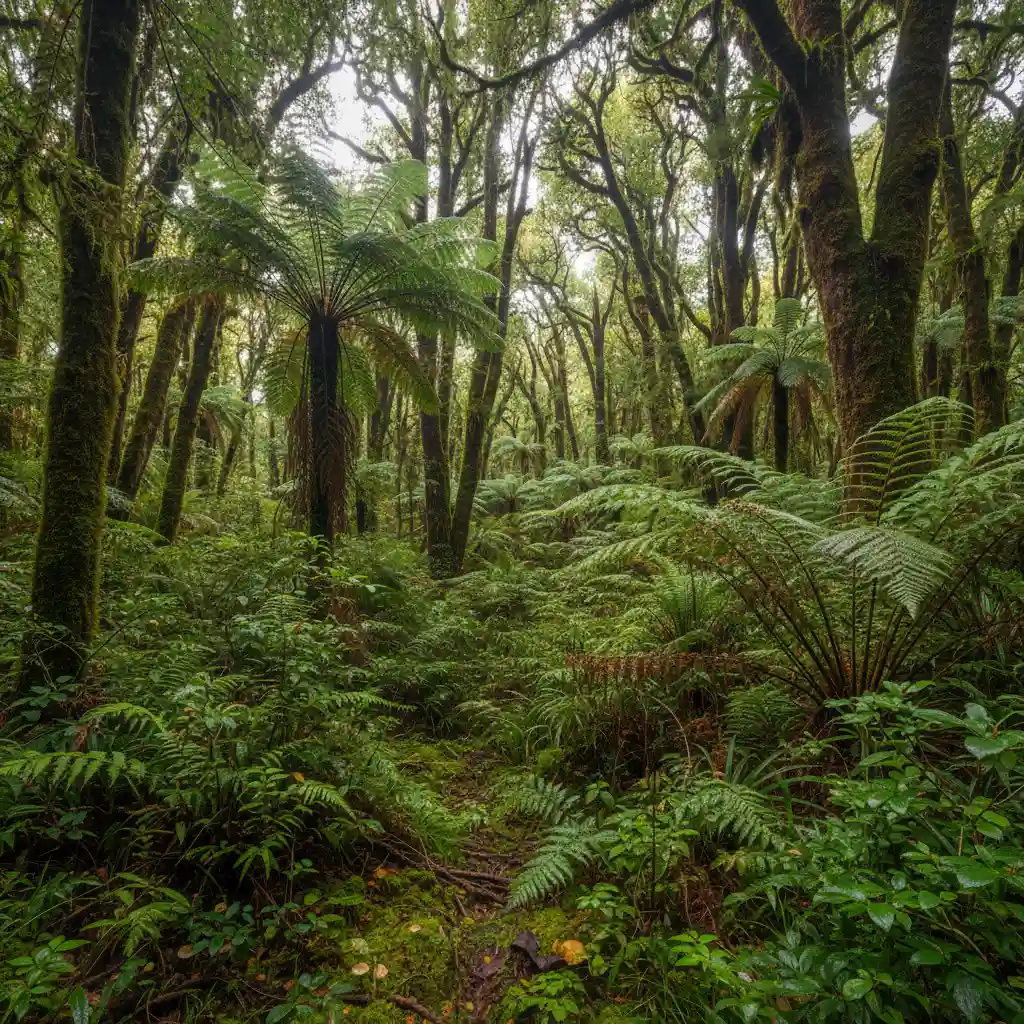
New Zealand, or Aotearoa, is a biological anomaly. Separated from the supercontinent Gondwana approximately 80 million years ago, it drifted into the Pacific Ocean carrying a unique cargo of ancient plants and animals. For millions of years, this archipelago evolved in the complete absence of terrestrial mammals, with the exception of three species of small bats. In this predator-free vacuum, birds became the dominant class of vertebrates. Many, like the Kiwi, Kakapo, and Moa, lost the ability to fly, nesting on the forest floor in safety.
However, the arrival of humans—first Polynesians and later Europeans—shattered this isolation. With them came a host of invasive species NZ struggles to contain today. These introduced pests have wreaked havoc on the ecosystem, driving numerous species to extinction and threatening many others. Today, conservation in New Zealand is largely synonymous with pest control. For eco-tourists and conservationists alike, understanding these threats is the first step toward protecting what remains of this prehistoric paradise.
The Brush-tailed Possum: A Canopy Destroyer
What is the impact of the Brush-tailed Possum in NZ?
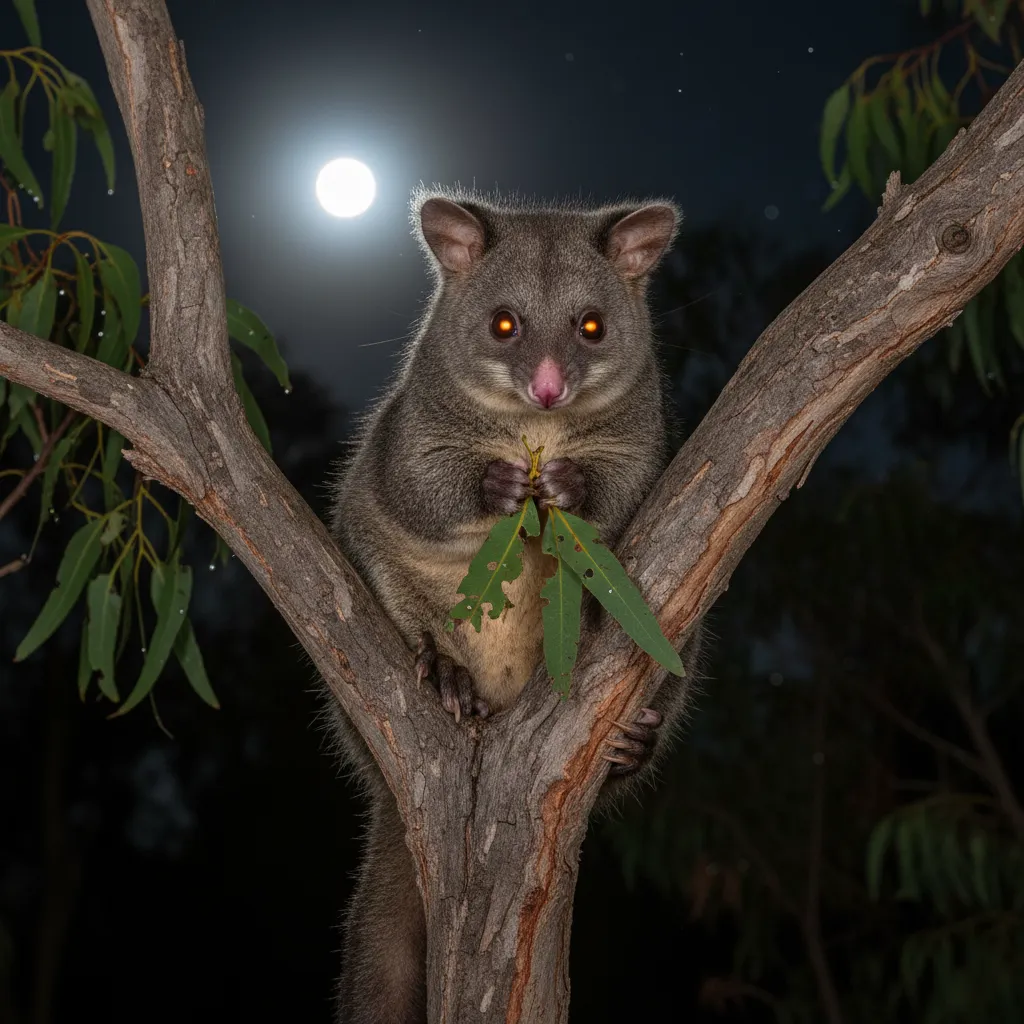
The Common Brush-tailed Possum (Trichosurus vulpecula) is one of the most visible and destructive pests in New Zealand. Introduced from Australia in 1837 to establish a fur trade, they found a land with no natural predators and an abundance of palatable vegetation. Consequently, their population exploded. At their peak in the 1980s, numbers were estimated at nearly 70 million, though extensive control measures have since reduced this figure to approximately 30 million.
The ecological impact of the possum is two-fold: they destroy the forest structure and prey directly on native wildlife. Possums are selective feeders, targeting specific native trees such as rātā, kamahi, and pōhutukawa. By stripping these trees of their leaves night after night, they cause canopy dieback and eventually kill the tree. This selective browsing alters the composition of the forest, leading to the collapse of complex forest canopies that native birds rely on for food and shelter.
Furthermore, while often thought of as herbivores, possums are opportunistic omnivores. They are known to raid the nests of native birds, eating eggs and chicks. They also compete with native birds for nectar and berries. Beyond the environmental damage, possums are the primary vector for bovine tuberculosis (Tb), posing a massive economic threat to New Zealand’s dairy and beef industries. This dual threat to both ecology and economy makes the possum a primary target for the Department of Conservation (DOC).
Stoats: The Number One Kiwi Killer
Why are stoats considered the most dangerous predator?
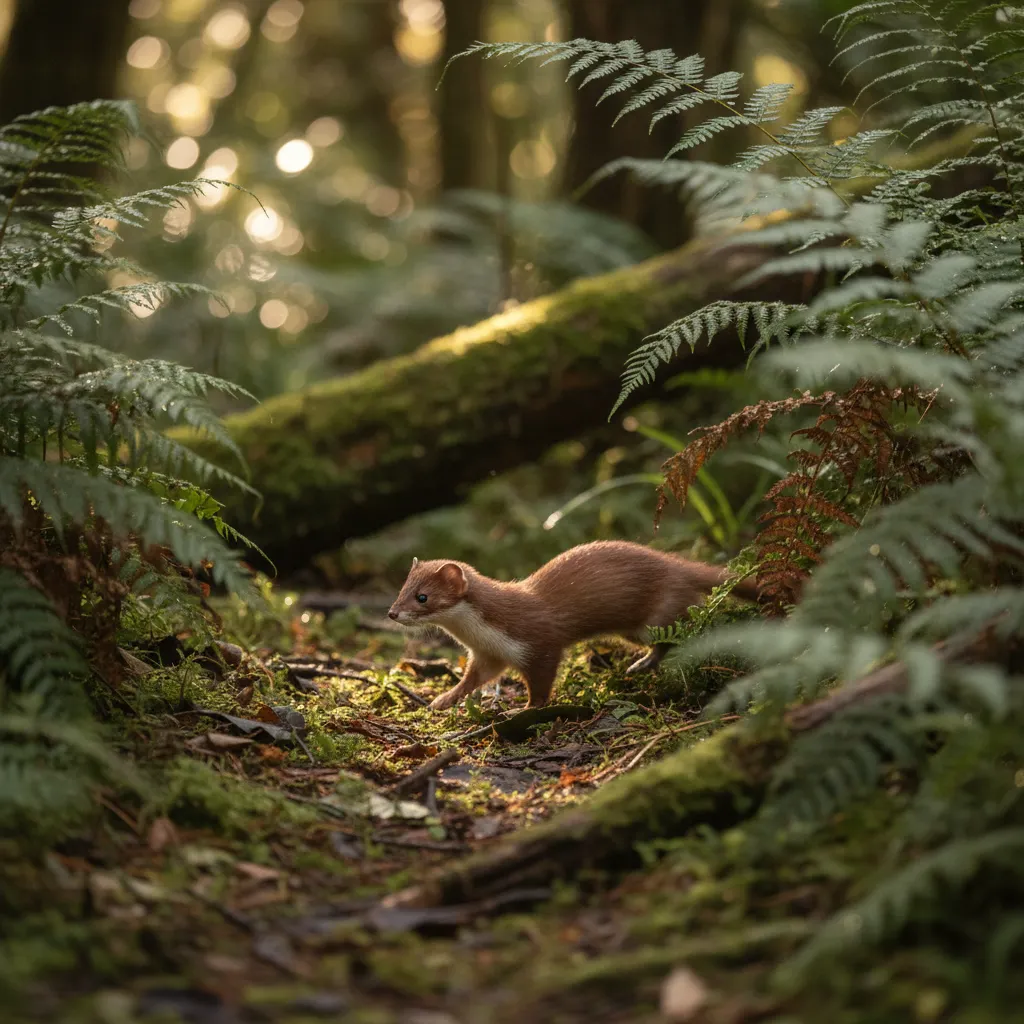
If the possum is the enemy of the forest canopy, the stoat (Mustela erminea) is the assassin of the forest floor. Stoats were introduced in the late 19th century in a misguided attempt to control the rabbit population, which was decimating sheep pastures. This introduction is widely regarded as one of New Zealand’s worst biological mistakes. Stoats did not control the rabbits; instead, they turned their attention to the much easier prey: New Zealand’s naive, flightless birds.
Stoats are hyper-carnivores—agile, energetic, and relentless hunters. They are the single biggest threat to the survival of the Kiwi. Research indicates that in areas without pest control, 95% of kiwi chicks born in the wild die before reaching adulthood, with stoats responsible for the vast majority of these deaths. A stoat can kill prey much larger than itself and will often kill more than it can eat, caching the surplus.
Their biology makes them difficult to eradicate. Female stoats can carry fertilized eggs in a state of diapause (delayed implantation) and give birth when food becomes abundant. This allows their populations to bounce back with terrifying speed. They are also excellent swimmers, capable of crossing water gaps of over a kilometer to invade pest-free sanctuary islands. Conservation efforts currently rely heavily on trapping networks and landscape-scale predator control to suppress stoat numbers enough to give kiwi chicks a fighting chance at reaching a “stoat-safe” weight of 1.2kg.
Rat Plagues and the Mast Year Phenomenon
How do mast years affect rat populations?
New Zealand is home to two main species of introduced rats: the Ship Rat (Rattus rattus) and the Norway Rat (Rattus norvegicus). While both are damaging, the Ship Rat is particularly devastating because it is an arboreal climber, able to ascend trees to raid bird nests. Rats are generalist predators; they eat seeds, insects, lizards, eggs, and chicks. They compete with native wildlife for food sources and directly predate on them.
The threat of rats is cyclically amplified by a botanical phenomenon known as a “Mast Year.” New Zealand’s native beech trees (Nothofagus) and rimu do not seed evenly every year. Instead, triggered by specific temperature differences between summers, they undergo a mass seeding event every 2 to 6 years. During a mast year, the forest floor is carpeted in millions of tonnes of seeds.
This superabundance of food triggers a catastrophic explosion in rodent populations. Rat numbers can increase ten-fold in a matter of months. Once the seeds germinate or rot, this massive population of rats turns its attention to the only other available food source: native wildlife. This leads to a “rat plague” that can wipe out local populations of birds like the Mohua (Yellowhead) and Kākāriki. To combat this, DOC monitors seed levels and deploys aerial 1080 (sodium fluoroacetate) bait during mast years, a method that—while controversial to some—is scientifically proven to be the only effective way to knock down rat populations over vast, rugged terrains during these critical windows.
Wilding Pines: The Green Desert
Why are trees considered invasive species in NZ?
When discussing invasive species nz faces, the focus is often on mammals. However, invasive flora poses an equally critical threat to the landscape. Wilding pines (or wilding conifers) are non-native trees—such as Pinus contorta and Douglas fir—that have spread naturally from commercial plantations and shelterbelts. Unlike native forests, which support a rich diversity of life, wilding pine forests create a “green desert.”
Wilding pines grow aggressively, their wind-blown seeds traveling kilometers to take root in high country tussock lands, volcanic plateaus, and coastal dunes. They grow in dense stands that shade out native vegetation, altering the soil chemistry and consuming vast amounts of water, which reduces the flow into catchments and hydroelectric lakes. This biodiversity loss is compounded by the fact that these monocultures support very little native wildlife.
Furthermore, wilding pines significantly increase the risk of high-intensity wildfires, which New Zealand’s native flora is not adapted to withstand. The National Wilding Conifer Control Programme aims to contain and remove these infestations, often using a combination of aerial spraying, chainsaw removal, and heavy machinery. Without intervention, it is estimated that wilding pines could cover 20% of New Zealand’s land area within decades, permanently altering the iconic landscapes that drive the eco-tourism market.

The Road to Predator Free 2050
In response to these biological threats, the New Zealand government launched the ambitious “Predator Free 2050” goal. This world-leading initiative aims to completely eradicate the three most damaging mammalian predators—possums, rats, and stoats—from the mainland by the year 2050. This is not merely a control program; it is an eradication strategy.
Achieving this requires a massive collaborative effort involving government agencies, iwi (Māori tribes), community groups, and private landowners. Innovation is key to this success. New technologies are being developed, including self-resetting traps (like the Goodnature A24), AI-driven predator identification cameras, and potentially genetic tools in the future. Eco-tourism plays a vital role here as well; many tour operators contribute a portion of their fees to local trapping projects, and tourists are educated on biosecurity measures, such as cleaning gear to prevent the spread of kauri dieback disease and weed seeds.
The fight against invasive species in New Zealand is a battle for the soul of the country’s environment. It is a stark reminder of how fragile island ecosystems are, but also a testament to the resilience and dedication of those trying to save them.
People Also Ask
What is the most invasive species in New Zealand?
While opinions vary based on impact type, the Stoat is often considered the most dangerous regarding biodiversity loss because it is the primary killer of kiwi and other endangered birds. However, in terms of biomass and general destruction of both canopy and birdlife, the Brush-tailed Possum is the most widespread major pest.
Why does NZ have so many invasive species?
NZ has many invasive species because it was isolated for 80 million years, resulting in native wildlife that evolved without defenses against mammals. When humans arrived, they introduced mammals (intentionally and accidentally) to an ecosystem that had no natural way to resist them, allowing these pests to thrive unchecked.
Are there snakes in New Zealand?
No, New Zealand is one of the few countries in the world that is completely free of snakes. Strict biosecurity measures are in place to ensure they are never introduced, as they would be devastating to native bird populations.
How do wilding pines damage the environment?
Wilding pines damage the environment by forming dense monocultures that shade out native plants, consuming massive amounts of ground water (drying up streams), altering soil chemistry, and increasing the risk and intensity of wildfires.
What is Predator Free 2050?
Predator Free 2050 is an ambitious New Zealand government goal to eradicate the three most damaging introduced predators—rats, stoats, and possums—from the entire country by the year 2050 to save native wildlife from extinction.
Can I hunt invasive species in New Zealand?
Yes, hunting is encouraged for many invasive species. Possums, goats, deer, and pigs are commonly hunted. There are no seasons or bag limits for most pest species, though hunters must have a permit from the Department of Conservation (DOC) to hunt on public conservation land.