Great Barrier Island stargazing offers a world-class celestial experience within a designated International Dark Sky Sanctuary. Located off the coast of Auckland, Aotea features minimal light pollution due to its off-grid infrastructure, allowing visitors to observe the Milky Way, Magellanic Clouds, and transient celestial events with exceptional clarity using both the naked eye and professional telescopes.
As one of the only places on Earth with Dark Sky Sanctuary status, Great Barrier Island (Aotea) is not merely a destination; it is a portal to the cosmos. While the rest of the world battles increasing light pollution, this rugged island preserves the pristine darkness required to see the universe as our ancestors did. Whether you are an amateur astronomer, a photographer chasing the perfect astrophotograph, or a traveler seeking a profound connection with nature, the stargazing experiences here are unrivaled.
What Makes Great Barrier Island a Dark Sky Sanctuary?
In 2017, Great Barrier Island became the first island in the world to receive the prestigious International Dark Sky Sanctuary status from the International Dark-Sky Association (IDA). This distinction is reserved for locations that possess an exceptional quality of starry nights and a nocturnal environment that is protected for its scientific, natural, or educational value.
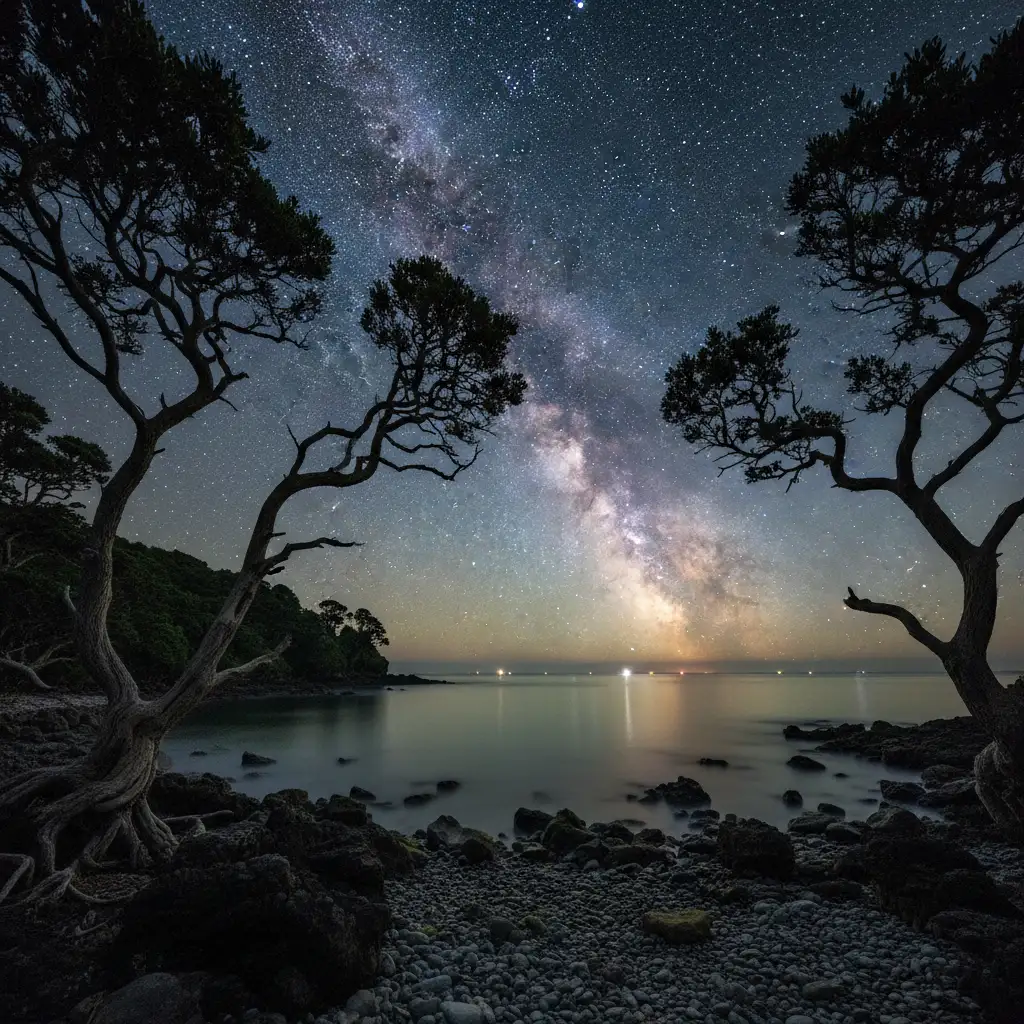
The secret to Aotea’s pitch-black skies lies in its infrastructure—or lack thereof. There is no reticulated electricity on the island. Residents live entirely off the grid, relying on solar power, wind turbines, and generators. This necessitates a conservative approach to lighting. Streetlights are non-existent, and residential lighting is minimal and generally warm-toned to conserve battery power. Consequently, the light dome that plagues most modern cities is absent here.
The Bortle Scale and Visibility
On the Bortle Scale, which measures night sky brightness, Great Barrier Island frequently scores a Class 1—the darkest possible rating. In these conditions, the Milky Way casts a shadow on the ground, and phenomena such as the Zodiacal Light and the Gegenschein (a faint brightening of the night sky in the region of the antisolar point) become visible to the naked eye. For visitors coming from urban centers like Auckland, the sheer density of stars can be overwhelming, transforming the sky from a flat black canvas into a three-dimensional depth of sparkling light.
How to Book the Best Stargazing Experience
While the sky is free for everyone, maximizing the experience requires expert guidance and high-quality equipment. Good Heavens is the premier operator on the island, offering tailored packages that bridge the gap between casual viewing and astronomical education. Their guides are locally based and possess deep knowledge of both the southern sky and the island’s unique ecology.
“Look Up and Get Lost” Package
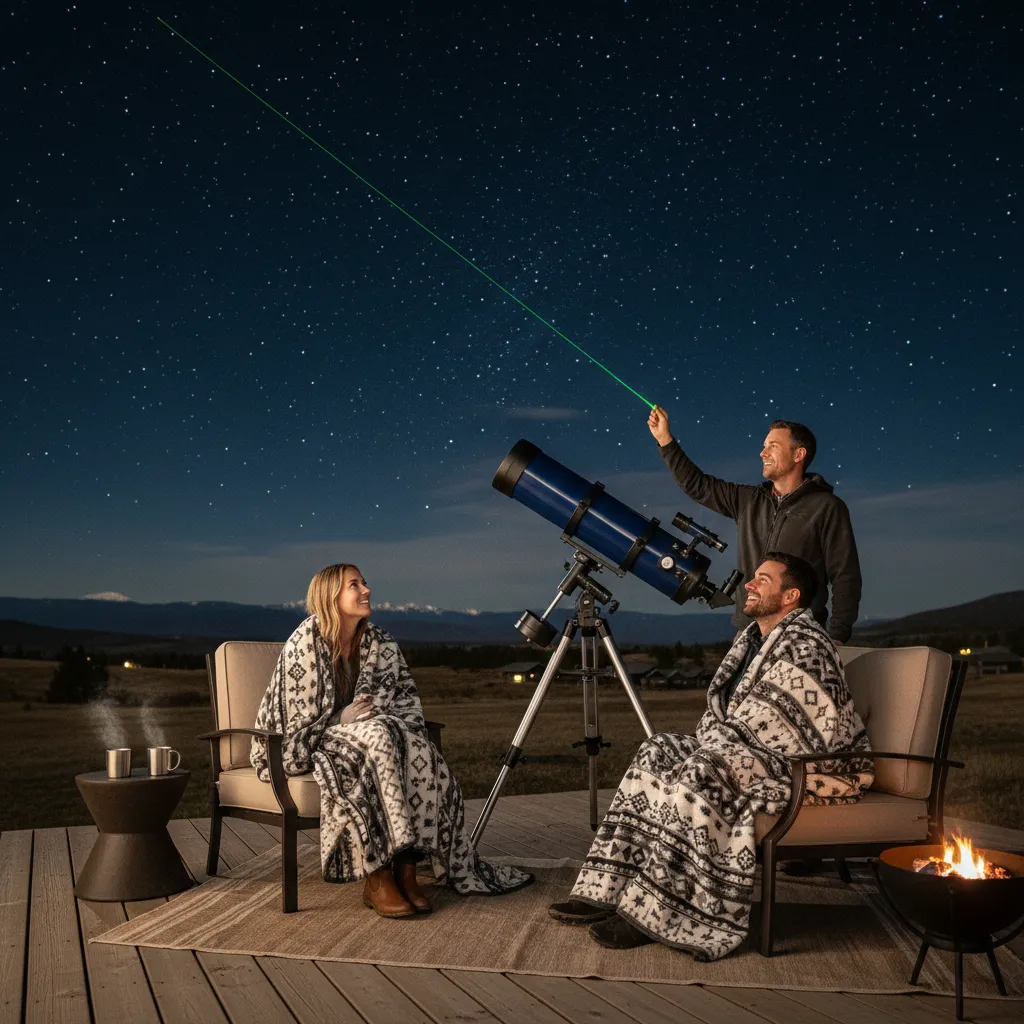
This is the core offering for most visitors. It is a group experience designed to introduce you to the wonders of the Southern Hemisphere sky. The package typically includes:
- Guided Tour of the Constellations: Learn to navigate the sky using the Southern Cross (Crux) and the Pointers (Alpha and Beta Centauri).
- Telescope Viewing: Using 8-inch Dobsonian telescopes, guests can view the Jewel Box Cluster, the Eta Carinae Nebula, and planetary details of Jupiter or Saturn depending on the season.
- Comforts: The experience includes comfortable moon chairs, blankets, and hot chocolate or herbal tea, essential for the cool island nights.
“Dining with the Stars”
For a more commercial and luxury-focused intent, the “Dining with the Stars” package combines gastronomy with astronomy. This option is ideal for couples or small groups looking for a romantic or exclusive evening. It often involves a meal prepared with local ingredients followed by a private stargazing session. This seamless integration of eco-tourism and high-end service highlights the island’s ability to cater to discerning travelers.
Indigenous Astronomy (Mātai Whetū)
A critical component of stargazing on Aotea is the integration of Māori astronomy. Guides often explain how the stars were used for navigation across the Pacific and for determining the timing of harvesting and fishing. Understanding the cultural significance of Matariki (the Pleiades) adds a rich layer of context that goes beyond mere scientific observation.
Why is Winter the Best Time for Stargazing?
While summer offers warmer temperatures, the winter months (May through August) are arguably the superior time for serious stargazing on Great Barrier Island. The commercial benefits of visiting during the off-peak season include lower accommodation rates and greater availability of tours, but the astronomical benefits are the true draw.
The Galactic Center
During the New Zealand winter, the core of the Milky Way—the brightest and most visually striking part of our galaxy—is directly overhead. This results in the most dramatic views and the best opportunities for wide-field astrophotography. The intricate dust lanes of the Great Rift are clearly visible against the dense star fields.
Longer Nights and Earlier Viewing
In winter, sunset occurs as early as 5:30 PM. This means true astronomical darkness sets in by 7:00 PM, allowing families and those who prefer not to stay up late to enjoy a full stargazing session before dinner. In contrast, summer stargazing often cannot begin until after 10:00 PM.
Matariki Season
Winter coincides with the rise of Matariki, marking the Māori New Year. Visiting during this period offers a unique cultural resonance, as the island hosts various events celebrating the connection between the people (tangata whenua) and the sky.
Getting There: Flight vs. Ferry
Reaching Great Barrier Island is part of the adventure. Because the island is 90 kilometers northeast of Auckland, you must cross the Hauraki Gulf. There are two primary modes of transport, each with its own advantages for the eco-tourist.
By Air: Speed and Scenery
Operators: Barrier Air and Island Aviation.
Duration: Approximately 30 minutes.
Departs from: Auckland Domestic Airport or North Shore Aerodrome.
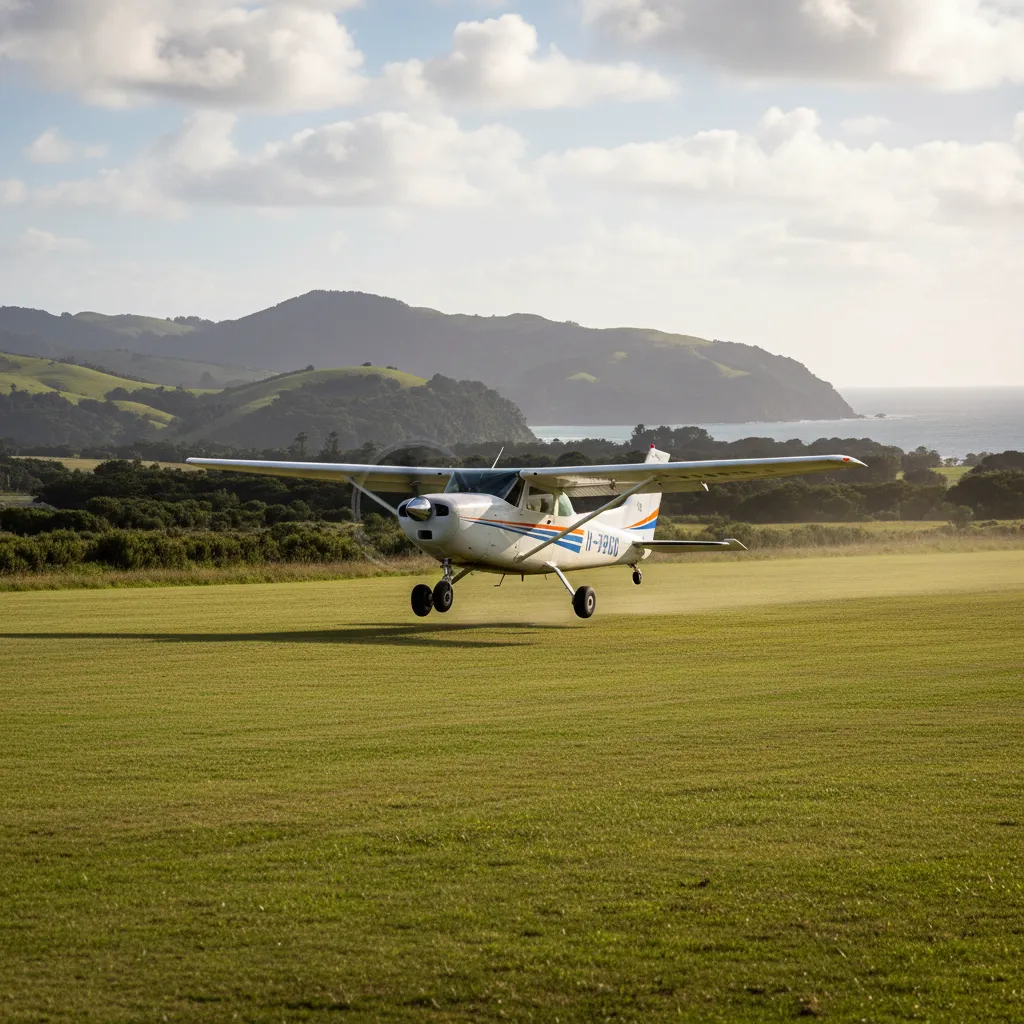
Flying is the most efficient way to maximize your time on the island. The flight offers spectacular aerial views of the Hauraki Gulf, Rangitoto Island, and the Coromandel Peninsula. For stargazers carrying delicate optical equipment, flying reduces travel time significantly. However, weight restrictions on luggage are strict, so check with the airline if you plan to bring heavy camera gear or portable tracking mounts.
By Sea: The Slow Travel Route
Operator: SeaLink.
Duration: Approximately 4.5 hours.
Departs from: Wynyard Quarter, Auckland City.
The ferry is the choice for those who want to bring their own vehicle, which is highly recommended for getting around the island to different dark sky vantage points. The journey is scenic and offers the chance to spot dolphins and Bryde’s whales. Bringing a car allows you to pack heavier telescopes and camping gear without worrying about airline weight limits.
Where to Stay for the Best Views
Accommodation on Great Barrier Island ranges from Department of Conservation (DOC) campsites to luxury eco-lodges. To support the Dark Sky ethos, many providers have adapted their properties to be “star-friendly.”
Luxury Off-Grid Lodges
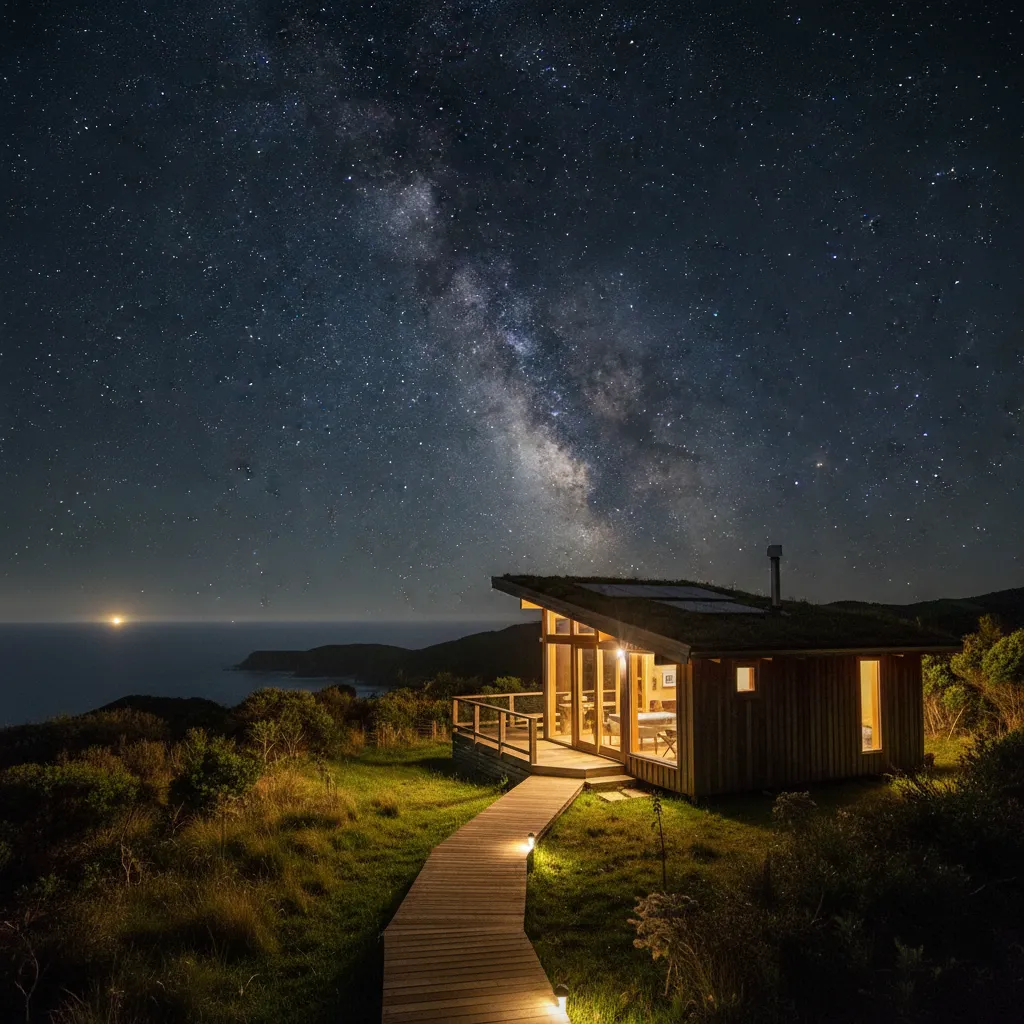
For the commercial traveler seeking comfort, several lodges offer high-end off-grid living. These properties often feature expansive decks specifically designed for night viewing. Look for accommodation in the Medlands or Oruawharo Bay areas, which have wide horizons and minimal local obstruction.
Bach (Holiday Home) Rentals
Renting a private bach is a popular option. When booking through platforms like Bookabach or Airbnb, look for properties that explicitly mention solar power and isolation. Ensure the property has blackout curtains if you plan to sleep in after a late night of observing.
Astrophotography Tips for Aotea
Capturing the night sky on Great Barrier Island is a dream for photographers. The signal-to-noise ratio is excellent due to the lack of light pollution. Here are professional tips for securing the best images:
- Lens Selection: Use a wide-angle lens (14mm to 24mm) with a fast aperture (f/2.8 or lower) to capture as much light as possible.
- Exposure Settings: Start with an ISO of 1600-3200 and a shutter speed of 15-25 seconds. Any longer than 25 seconds (depending on focal length) will result in star trails due to the Earth’s rotation.
- Foreground Interest: Incorporate the island’s unique geography—such as the jagged peaks of Mount Hobson (Hirākimata) or the dunes of Medlands Beach—to give scale and context to your galactic shots.
- Light Painting: Use a dim, warm LED light to gently illuminate the foreground for a split second during the exposure. Avoid bright white torches which can ruin night vision and blow out the image highlights.
Frequently Asked Questions
Do I need to book a tour to see the stars on Great Barrier Island?
No, you do not need a tour to see the stars; they are visible from anywhere on the island. However, booking a tour with Good Heavens provides access to high-quality telescopes, expert knowledge of celestial objects, and storytelling that enhances the experience significantly.
What should I wear for stargazing on Great Barrier Island?
Even in summer, nights can be cool. It is essential to dress in warm layers. Wear thermal base layers, a fleece, a windproof jacket, a beanie, and gloves. Closed-toe shoes are recommended as you may be walking on uneven grassy terrain in the dark.
Is Great Barrier Island always dark at night?
While light pollution is minimal, the moon is a significant source of natural light. For the darkest skies and best view of the Milky Way, plan your trip around the New Moon phase. During a Full Moon, the sky will be brighter, washing out fainter stars but illuminating the landscape beautifully.
Can I see the Aurora Australis from Great Barrier Island?
Yes, it is possible to see the Aurora Australis (Southern Lights) from Great Barrier Island during periods of high solar activity, although it is not as common as in the southern parts of New Zealand. A clear view to the southern horizon is required.
How do I get around Great Barrier Island at night?
There is no public transport and no streetlights on the island. You will need a rental car to get around at night. Drive slowly and carefully, as wildlife often wanders onto the roads, and the roads can be narrow and winding.
Are there public telescopes available on the island?
There are no permanent public observatories open for walk-ins. Access to telescopes is primarily through booked tours with operators like Good Heavens, or by bringing your own equipment.