Luxury eco accommodation in New Zealand refers to high-end lodging that seamlessly blends premium comfort with rigorous environmental sustainability, specifically designed to minimize ecological footprints while maximizing immersion in nature. These exclusive retreats often feature off-grid renewable energy, architectural integration with the landscape, and specialized nocturnal experiences like private stargazing within International Dark Sky Reserves.
New Zealand has established itself as a premier destination for travelers seeking to reconnect with the natural world without sacrificing the trappings of sophistication. From glass-roofed purepods nestled in native bush to architectural marvels hidden in glacial valleys, the country offers a unique portfolio of properties that cater to the conscious traveler. This guide explores the finest nocturnal and dark-sky focused eco-stays, ensuring your visit to Aotearoa is as responsible as it is unforgettable.
What Defines Eco-Luxe in Aotearoa?
The concept of “Eco-Luxe” in New Zealand goes far beyond simply reusing towels or eliminating single-use plastics. It represents a holistic philosophy where the architecture, operations, and guest experience are all centered around the preservation and appreciation of the local environment. For the discerning traveler, this means staying in properties that are often Qualmark Gold Sustainable Tourism Business award winners, ensuring that their luxury comes with a verified conscience.
At its core, luxury eco accommodation in New Zealand focuses on regenerative tourism. Many of these lodges are situated on private conservation estates where a portion of the tariff goes directly towards predator control, reforestation projects, or kiwi protection programs. The “luxury” aspect is redefined not just as gold taps and marble floors, but as exclusivity, silence, privacy, and access to pristine environments that few others get to witness.
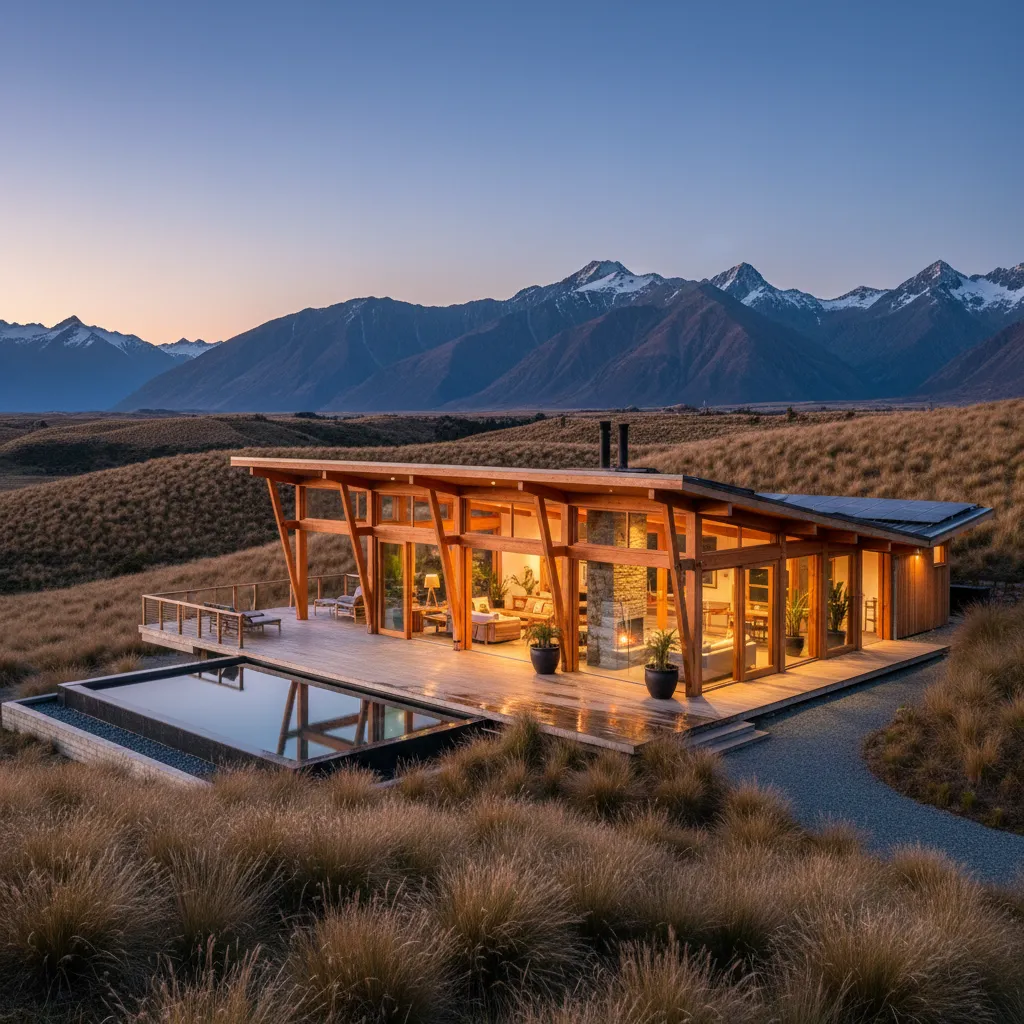
Architecturally, these stays are designed to disappear into the landscape rather than dominate it. You will find structures built from locally sourced timber and stone, utilizing passive solar heating and state-of-the-art water recycling systems. However, the interiors rival the world’s best 5-star hotels, featuring bespoke furniture, fine New Zealand wool linens, and gourmet dining experiences that highlight local, organic produce.
Why is Astrotourism Driving the Luxury Market?
New Zealand is currently at the forefront of a global movement known as astrotourism—travel centered on viewing celestial objects and phenomena. With increasing light pollution in the Northern Hemisphere, the demand for true darkness has turned the night sky into a premium commodity. New Zealand’s geography, low population density, and commitment to preserving dark skies make it the ultimate destination for nocturnal eco-tourism.
Luxury eco accommodation providers have pivoted to cater specifically to this market. It is no longer enough to have a nice view during the day; the property must offer a superior viewing experience at night. This has led to the development of “skylark” cabins with glass ceilings, lodges equipped with professional-grade telescopes, and the employment of resident astronomers who guide guests through the Southern Hemisphere’s constellations, including the Southern Cross and the Magellanic Clouds.
The psychological impact of these stays is profound. Sleeping under a canopy of stars connects guests to the cosmos in a primal way, offering a sense of perspective and tranquility that is impossible to find in urban environments. This “dark sky therapy” is a key selling point for high-net-worth individuals seeking a digital detox and a mental reset.
Where are the Best Regions for Nocturnal Eco-Luxe Stays?
While eco-lodges are dotted throughout the country, three specific regions stand out for their combination of luxury infrastructure and exceptional nocturnal environments: The Mackenzie Basin, the West Coast, and Fiordland.
The Mackenzie Basin: Aoraki Mackenzie International Dark Sky Reserve
The Mackenzie Basin is the crown jewel of New Zealand’s astrotourism. As the world’s largest International Dark Sky Reserve, it offers arguably the clearest skies on the planet. Accommodation here is designed to maximize the connection between the guest and the galaxy.
The Experience: In this region, luxury lodges are often solitary structures set amidst vast fields of golden tussock, framed by the Southern Alps. The dryness of the climate ensures a high number of cloud-free nights. Properties here often feature “sky beds” or private observatories.
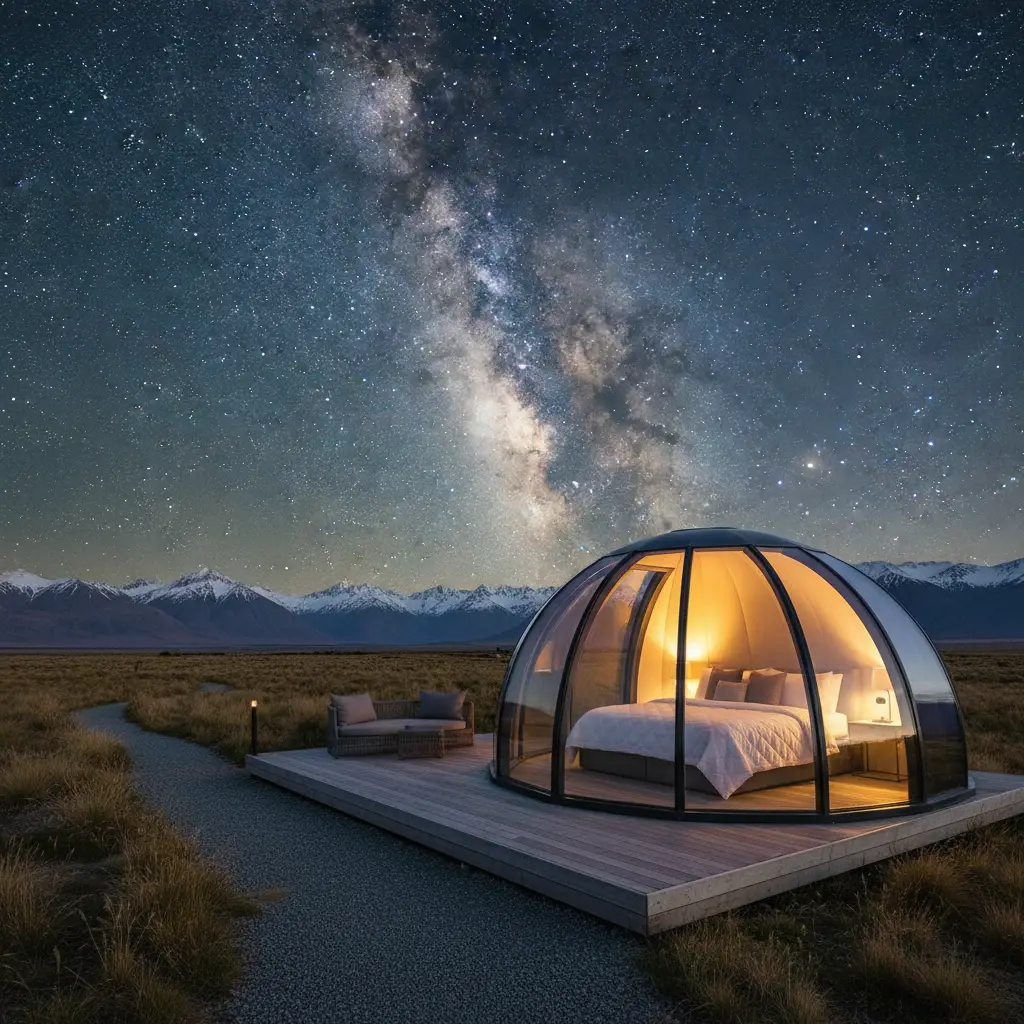
Notable design features in Mackenzie eco-lodges often include floor-to-ceiling glass walls that can retract entirely, blurring the line between the indoors and the outdoors. Heating is typically provided by geothermal loops or high-efficiency log burners using sustainable wood, ensuring comfort even when outside temperatures drop below freezing.
West Coast & Fiordland: Rainforests and Glowworms
While the Mackenzie Basin offers celestial clarity, the West Coast and Fiordland offer a different kind of nocturnal magic: the bio-luminescence of glowworms and the haunting calls of the kiwi and morepork (ruru). This is a wetter, greener, and more mysterious environment.
The Experience: Eco-luxe stays here are often tucked into ancient podocarp rainforests or perched on the edge of dramatic fjords. The “night life” involves guided walks into the bush to spot the elusive Kiwi bird or kayaking on calm waters to see caves illuminated by glowworms. The accommodation reflects the ruggedness of the terrain—think sturdy, high-end treehouses or lodges accessible only by helicopter.
Because these areas are off-grid, the engineering required to provide luxury is immense. Solar arrays with battery storage are standard, and water is often harvested from pure glacial streams. The isolation is absolute; there are no streetlights for miles, ensuring that when the clouds do part, the stars are brilliant, framed by the silhouettes of giant mountains.
What Amenities Can You Expect at a High-End Dark Sky Lodge?
When booking luxury eco accommodation in New Zealand, the amenities are curated to enhance the environment rather than distract from it. Here is what distinguishes these properties from standard 5-star hotels.
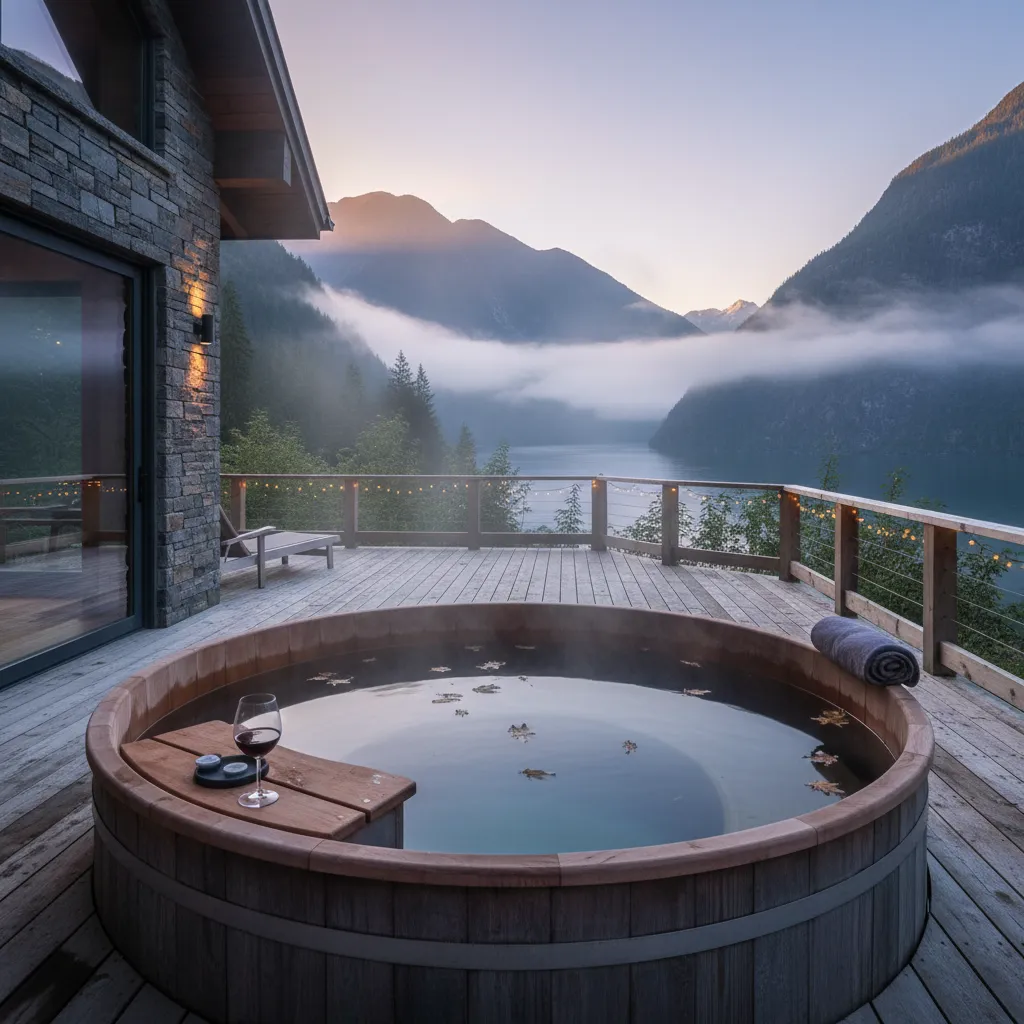
- Private Outdoor Baths: Almost a prerequisite for any top-tier New Zealand eco-lodge. These are often cedar hot tubs or stone baths positioned in total privacy, allowing guests to soak while stargazing.
- Farm-to-Table Dining: Menus are hyper-local. You can expect venison hunted in the nearby hills, crayfish caught in the local waters, and vegetables grown in the lodge’s own organic gardens.
- Private Guides: Many lodges offer exclusive access to guides who are experts in local ecology, geology, and astronomy. This might include a private heli-hike to a glacier or a night-vision kiwi spotting tour.
- Architectural Glass: To facilitate the “night stay” concept, bedrooms often feature skylights or glass walls. High-tech privacy glass is used to ensure you can see out, but wildlife (and other guests) cannot see in.
How to Fix Your Travel Dates for Maximum Impact?
Securing a reservation at these exclusive properties requires strategy, particularly if your goal is to experience the best of the night sky.
Understanding the Lunar Cycle
If your primary goal is astrotourism, you must consult the lunar calendar before booking. The light of a full moon can wash out the Milky Way and fainter stars. The best time for stargazing is during the New Moon phase, or the days immediately surrounding it. Conversely, if you want to see the landscape illuminated by moonlight—which can be spectacular on snow-capped peaks—a full moon visit is desirable.
Seasonality and The Aurora Australis
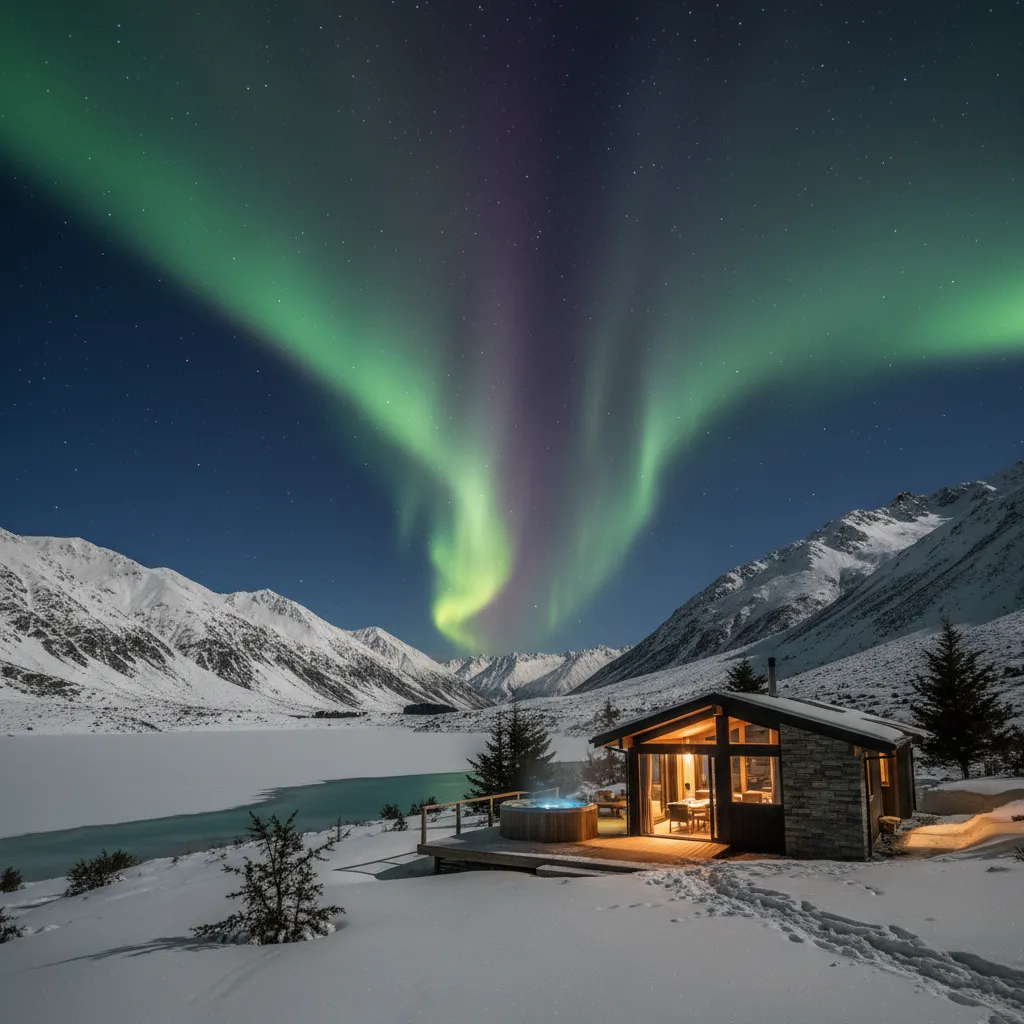
For those chasing the Southern Lights (Aurora Australis), winter (June to August) is the prime season due to the longer nights. However, winter also brings the highest chance of snow and road closures. The shoulder seasons of Autumn (March-May) and Spring (September-November) offer a balance of reasonable weather and sufficient darkness.
Lead Times and Exclusivity
New Zealand’s luxury eco-lodges are boutique by nature, often having fewer than 10 suites (sometimes only one). During the high season (December to February), these properties can be booked out 12 to 18 months in advance. For the specific niche of dark sky tourism, bookings around the New Moon dates in winter are also highly competitive.
Pro Tip: Many high-end lodges have minimum stay requirements (usually 2-3 nights) during peak periods. Planning a longer stay not only secures your booking but increases your chances of having a clear night for stargazing, as weather in New Zealand can be changeable.
Conclusion
Luxury eco accommodation in New Zealand offers a rare convergence of comfort, conservation, and celestial wonder. By choosing a nocturnal-focused stay in regions like the Mackenzie Basin or Fiordland, travelers do more than just sleep; they immerse themselves in the raw, untouched beauty of the Southern Hemisphere. Whether soaking in a thermal bath under the Milky Way or listening for the call of a kiwi in an ancient rainforest, these experiences redefine what it means to travel well.
People Also Ask
What is the best time of year for stargazing in New Zealand?
The best time for stargazing in New Zealand is during the winter months (June to August). The nights are longest during this period, and the air is typically crisp and clear, offering the best visibility for the Milky Way and the Aurora Australis. However, stargazing is excellent year-round, provided you avoid the full moon.
Are New Zealand eco-lodges truly sustainable?
Yes, most high-end eco-lodges in New Zealand adhere to strict sustainability standards. Look for Qualmark Gold accreditation, which verifies their environmental performance. These lodges often utilize solar or hydro power, practice zero-waste management, and contribute significantly to local conservation and reforestation efforts.
How much does luxury eco accommodation cost in New Zealand?
Prices vary significantly but generally start around NZD $800 per night for glamping-style luxury and can range up to NZD $3,000+ per night for exclusive lodges like The Lindis or Minaret Station. Rates often include dinner, breakfast, and some guided activities.
Where can I see the Southern Lights from my accommodation?
The Southern Lights (Aurora Australis) are best viewed from the lower South Island. Regions such as the Mackenzie Basin (Lake Tekapo, Mt Cook), Queenstown, Wanaka, and Stewart Island offer the best chances. Staying in remote, dark-sky compliant accommodation away from city lights maximizes your chances of a sighting.
What is a PurePod in New Zealand?
A PurePod is a unique type of luxury eco-accommodation in New Zealand made almost entirely of heavy-duty glass, including the roof and floor. They are located in isolated, private settings to ensure total privacy and immersion in nature, making them ideal for stargazing from the comfort of your bed.
Do I need a 4WD to access remote eco-lodges?
While some remote lodges are accessible by standard vehicles, others located in high-country stations may require a 4WD. However, the most exclusive lodges often provide private transfers, including helicopter access for properties like Minaret Station that are inaccessible by road.