To donate to kiwi conservation effectively, prioritize contributions to accredited national organizations like Save the Kiwi or Forest & Bird. You can support these initiatives through direct one-off donations, monthly sponsorships of predator-free hectares, or by virtually adopting a kiwi chick. These funds are critical for financing predator control traps, Operation Nest Egg incubation, and essential habitat restoration.
The kiwi is more than just a bird; it is the national icon of New Zealand and a biological oddity that has captured the world’s heart. However, without active intervention, the kiwi faces a precarious future. Contributing financially to recovery programs is one of the most impactful actions an individual can take to reverse the decline of this unique species. This guide outlines the most effective channels for your donation, ensuring your money goes directly to saving the kiwi from extinction.
Why Kiwi Conservation Needs Your Support
The urgency to donate to kiwi conservation cannot be overstated. New Zealand was once a land dominated by birds, but the introduction of mammalian predators—specifically stoats, ferrets, weasels, rats, and feral cats—has devastated native populations. Without management, only 5% of kiwi chicks survive to adulthood. The vast majority are killed by stoats before they reach a “safe weight” of 1.2 kilograms.
Conservation efforts have proven that with intervention, survival rates can skyrocket. In areas under active management (trapping and aerial pest control), kiwi populations are stabilizing and even growing. However, these programs are labor-intensive and expensive. They rely heavily on philanthropic funding from individuals and businesses to purchase traps, fund incubation facilities, and pay for the specialized labor required to monitor kiwi health.
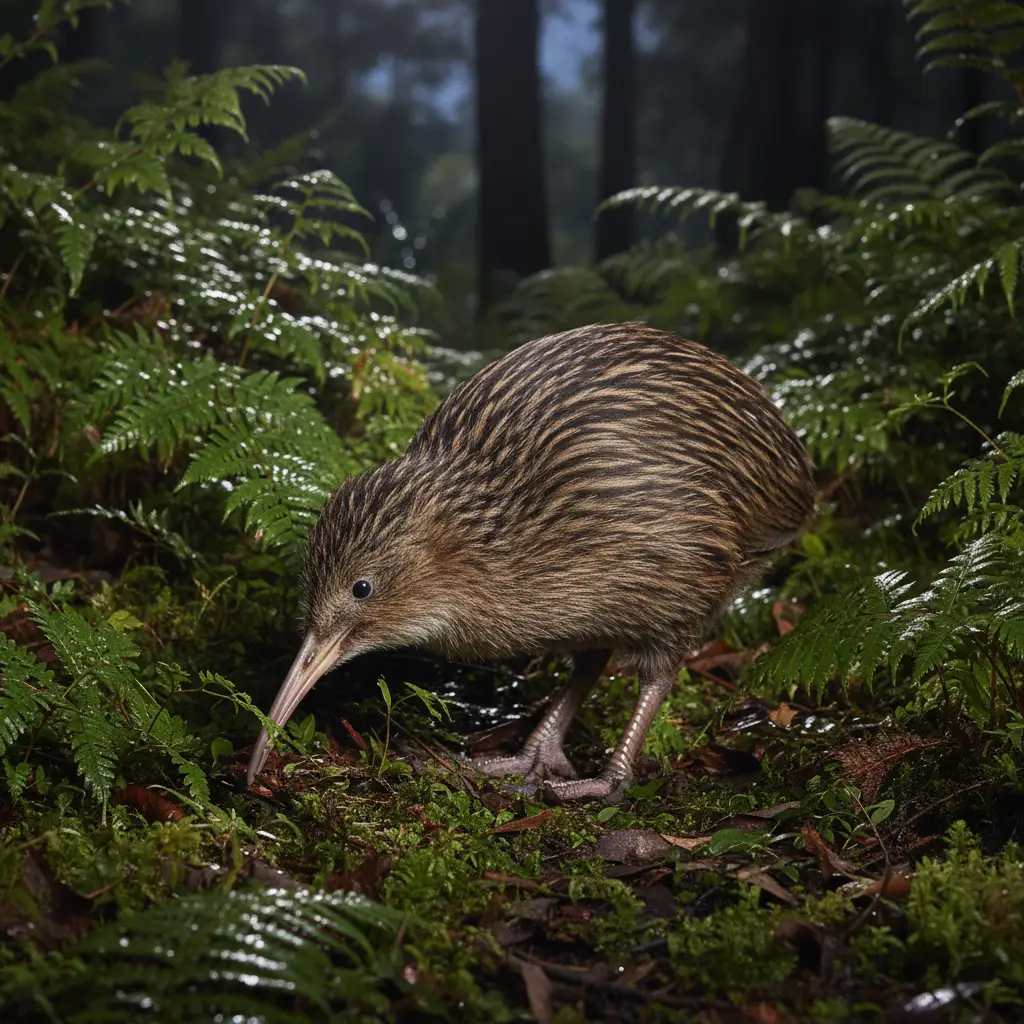
Top Organizations: Where to Donate
When looking to make a transactional contribution to the recovery of the species, it is vital to choose organizations with a proven track record of scientific success and financial transparency. The landscape of New Zealand eco-tourism and conservation is vast, but a few key players lead the charge in kiwi recovery.
Spotlight: Save the Kiwi (formerly Kiwis for Kiwi)
Save the Kiwi is perhaps the most prominent charity dedicated exclusively to the protection of kiwi. Working in partnership with the Department of Conservation (DOC), their primary goal is to reverse the decline of kiwi populations and increase their numbers by 2% annually.
The Mission: From 2% to 100%
Save the Kiwi focuses on a national strategy that connects community-led projects with government resources. When you donate here, you are often funding “Operation Nest Egg,” a program where eggs are removed from the wild, hatched in safety, and the chicks are raised in predator-free creches until they are large enough to defend themselves against stoats.
Donation Options
Donors can choose between one-off gifts or monthly recurring donations. The organization also facilitates payroll giving for New Zealand employees. Their funds are distributed to dozens of community groups across the country, meaning a single donation to Save the Kiwi has a multiplier effect, supporting local trapping groups from Northland to Stewart Island.
Spotlight: Forest & Bird
Forest & Bird is New Zealand’s leading independent conservation organization. While their mandate covers all native flora and fauna, they are instrumental in kiwi conservation through habitat protection and advocacy.
Holistic Habitat Protection
Unlike single-species charities, Forest & Bird focuses on the ecosystem as a whole. Kiwi cannot survive without healthy forests. Donations to Forest & Bird often go toward legal battles to protect land from mining or development, as well as extensive pest control operations. By securing the environment, they ensure that kiwi have a home to return to.
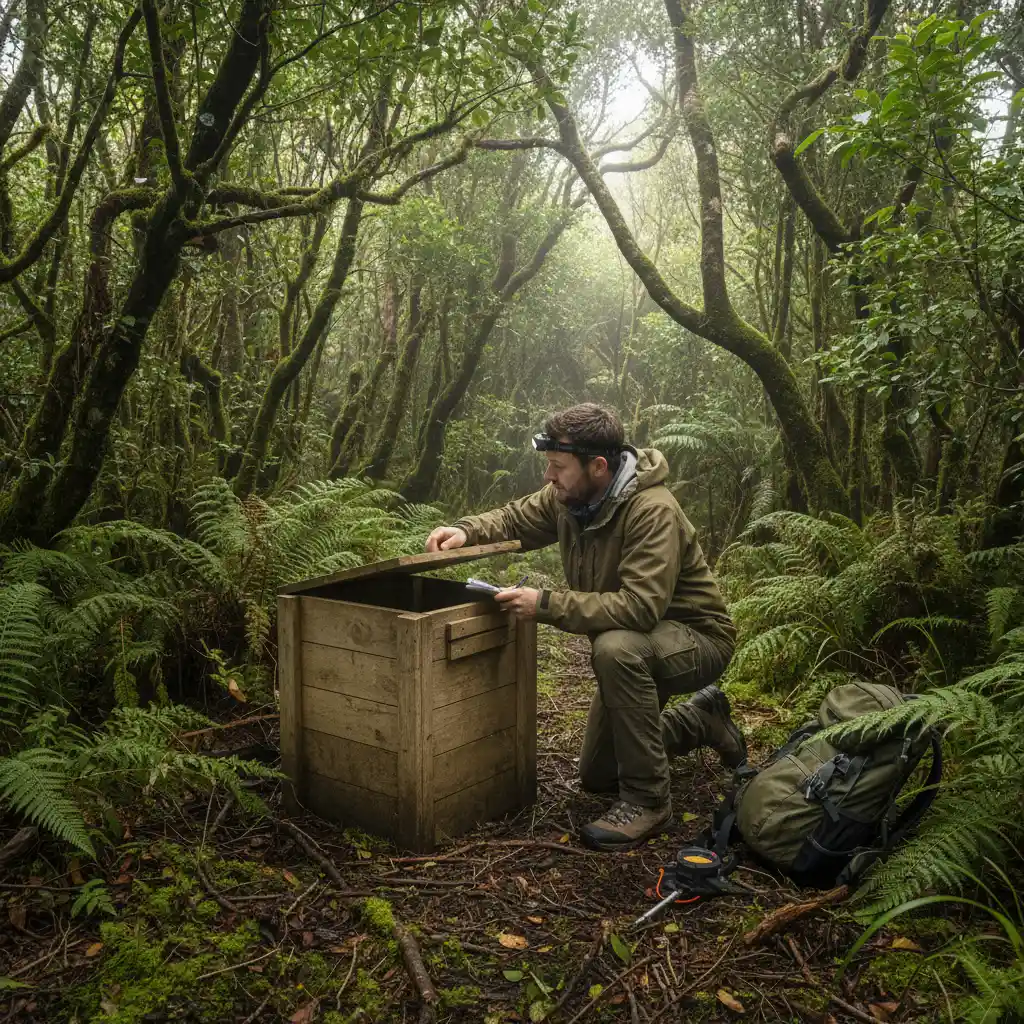
Sponsoring a Hectare of Habitat
For those who prefer a tangible metric for their contribution, sponsoring a hectare is an excellent option offered by several regional conservation trusts and eco-sanctuaries. This approach breaks down the cost of conservation into a spatial unit.
What Does Sponsorship Cover?
The cost to keep a hectare of forest “predator controlled” involves the purchase of traps (such as the DOC200), the labor to check and clear them, and the maintenance of bait lines. When you sponsor a hectare, you are effectively creating a safe zone for kiwi to roam.
This model is popular with eco-tourism providers who allow tourists to offset their carbon footprint or simply give back to the land they have visited. It provides a direct link between the donor’s money and a physical piece of land that is being healed.
Adopting a Specific Animal
For a more emotional and personal connection, many projects offer an “Adopt a Kiwi” program. This is highly transactional and popular for gifts or corporate sponsorships. This usually involves a higher tier of donation but comes with significant engagement benefits.
How Virtual Adoption Works
When you adopt a kiwi, you are essentially sponsoring the costs associated with a specific bird’s journey through Operation Nest Egg. This includes the cost of the transmitter used to track the bird, the health checks performed by scientists, and the incubation costs.
In return, donors typically receive:
- An adoption certificate.
- Updates on “their” bird’s location and health status.
- Photos of the bird during health checks.
- Sometimes, a plush toy or educational materials (making it great for schools).
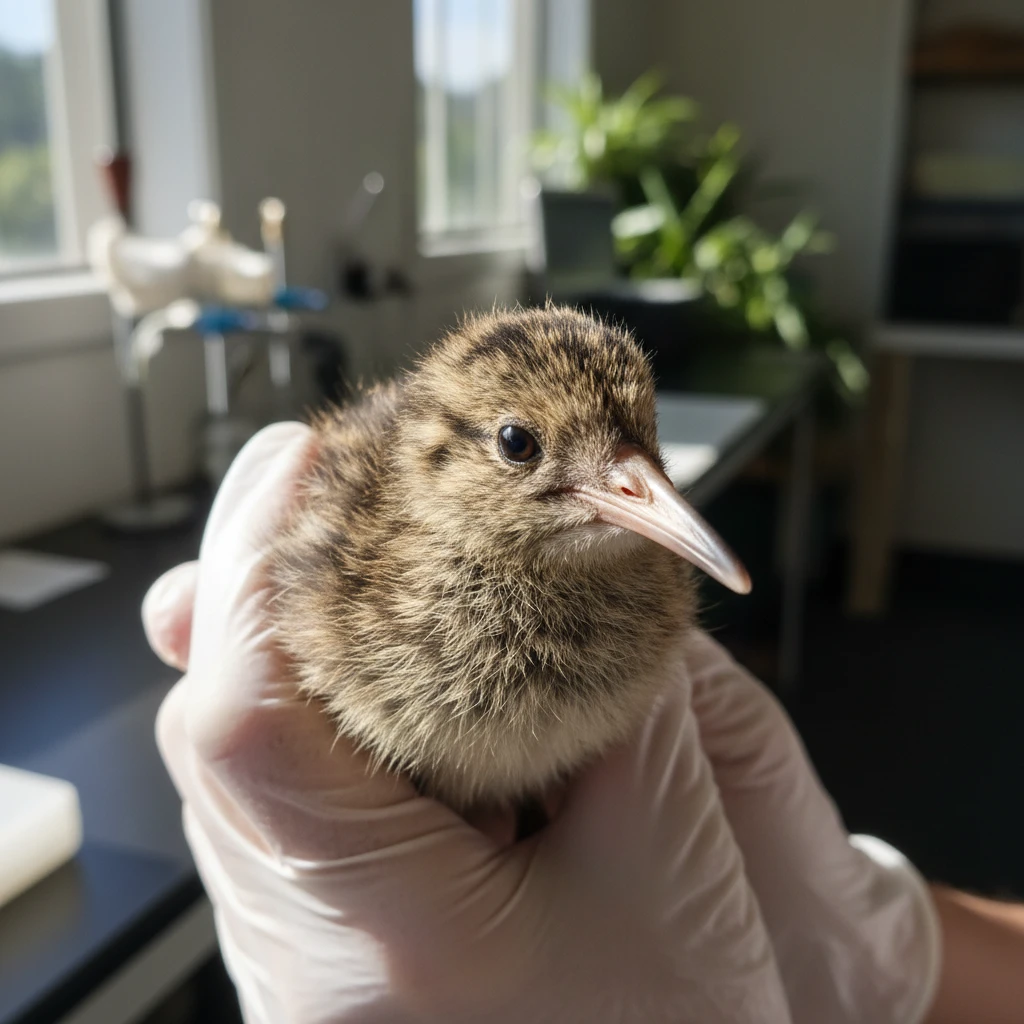
How Your Donation is Utilized
Transparency is key when you donate to kiwi conservation. Understanding where the money goes helps donors feel secure in their investment in New Zealand’s biodiversity. Here is a breakdown of the primary costs associated with kiwi recovery.
1. Predator Control Infrastructure
The single biggest cost is removing predators. Traps must be bought, deployed, and checked regularly. In rugged terrain, this often requires helicopters or professional trappers. Aerial 1080 operations, while controversial to some, are scientifically proven to be the most cost-effective way to clear large areas of predators quickly, and donations often subsidize these operations in non-DOC managed lands.
2. Operation Nest Egg (ONE)
This technique is incredibly successful but resource-heavy. It involves:
- Egg Rescue: Using telemetry gear to find male kiwi on nests and retrieving eggs.
- Incubation: specialized facilities with controlled humidity and temperature.
- Hatching and Rearing: Feeding and caring for chicks in captivity until they are released into a predator-free sanctuary.
3. Scientific Monitoring
To know if populations are recovering, they must be counted. This involves “call count” surveys (listening for kiwi calls at night) and using kiwi dogs (specially trained muzzles dogs) to find birds for health checks. Donations pay for the training of these dogs and the salaries of the rangers.

Corporate Sponsorship and Eco-Tourism
For businesses operating in the New Zealand eco-tourism niche, donating to kiwi conservation is not just charity; it is a brand imperative. Tourists expect a “clean, green” New Zealand. Businesses can partner with organizations like the Predator Free NZ Trust or local sanctuaries (like Zealandia or Sanctuary Mountain Maungatautari).
Corporate sponsorship packages often include naming rights for kiwi chicks, branding on trap lines, or team-building days where staff help with tree planting or trap checking. This aligns corporate social responsibility (CSR) with tangible environmental outcomes.
Frequently Asked Questions
How much does it cost to sponsor a kiwi?
The cost varies by organization. A simple sponsorship pack might cost between $50 and $100 NZD as a one-off donation. However, sponsoring the full cost of raising a chick through Operation Nest Egg can cost upwards of $2,000 to $3,000 NZD, often targeted at corporate sponsors or major donors.
Are donations to kiwi conservation tax-deductible?
Yes, if you are a New Zealand tax resident and you donate to a registered charity (like Save the Kiwi or Forest & Bird) of $5 or more, you can claim a 33.33% tax credit. International donors generally cannot claim NZ tax credits but may be able to through partner organizations in their home country.
Can I volunteer instead of donating money?
Absolutely. While financial support is crucial for equipment, labor is needed for checking traps, planting trees, and monitoring fences. Visit the “Nature Space” website to find community conservation groups near you that need volunteers.
What is the biggest threat to kiwi birds?
The stoat is the number one killer of kiwi chicks. Dogs (both feral and uncontrolled pets) are the number one killer of adult kiwi. Ferrets and cats also pose significant risks. Habitat loss is a secondary but important threat.
How many kiwi birds are left in New Zealand?
There are approximately 68,000 kiwi left in New Zealand. While this number is slowly stabilizing in managed areas, unmanaged populations continue to decline by about 2% per year.
What is Operation Nest Egg?
Operation Nest Egg is a breeding program where kiwi eggs and chicks are removed from the wild to protect them from predators. They are hatched in captivity and raised in predator-free creches until they weigh roughly 1kg, at which point they can defend themselves against stoats and are returned to the wild.