Off grid accommodation NZ refers to sustainable, self-sufficient lodging options located in remote New Zealand landscapes, specifically designed to facilitate a digital detox. These retreats, ranging from luxury PurePods to rustic tiny homes, operate independent of public utilities and often exclude Wi-Fi to encourage deep immersion in nature and conservation efforts.
In an era defined by constant connectivity and digital saturation, the concept of luxury has shifted. It is no longer defined solely by thread counts or concierge services, but by silence, space, and the rarity of being unreachable. New Zealand, with its vast, rugged wilderness and commitment to conservation, has emerged as the premier global destination for high-end digital detox retreats.
For travelers seeking to unplug, off grid accommodation NZ offers more than just a place to sleep; it provides a sanctuary for mental restoration. Whether nestled in the volcanic hills of the Banks Peninsula or hidden within the ancient rainforests of the Coromandel, these eco-retreats combine architectural ingenuity with environmental stewardship.
What Defines Off Grid Accommodation in New Zealand?
To understand the appeal of this market niche, one must first understand the mechanics. Off-grid accommodation in New Zealand is not synonymous with “roughing it.” While the infrastructure is independent of the national grid, the experience is often one of uncompromising luxury.
These properties generate their own electricity, usually via sophisticated solar arrays and battery banks. They harvest and filter rainwater to unparalleled purity standards and utilize advanced eco-septic or composting systems to manage waste without impacting the surrounding ecosystem. However, for the guest, these mechanics are invisible. You flip a switch, and the lights turn on; you turn a tap, and hot water flows.
The primary differentiator for off grid accommodation NZ is the intentional absence of digital infrastructure. By removing television screens and Wi-Fi routers, these hosts curate an environment where the entertainment is the landscape itself. This aligns perfectly with New Zealand’s “Tiaki Promise”—a commitment to care for people, place, and culture.

The Phenomenon of PurePods and Glass Cabins
At the forefront of the New Zealand off-grid movement is the concept of total transparency—literally. PurePods and similar glass-constructed cabins have revolutionized the sector by breaking down the visual barrier between the indoors and the outdoors.
Immersive Architecture
A PurePod is typically constructed with heavy-duty glass for the floor, ceiling, and walls. Located in strictly private settings where no other human structures or people are visible, they offer a level of seclusion that is rare in modern tourism. The design philosophy is simple: nature should not be framed like a painting; it should be experienced as an environment you inhabit.
The Sensory Experience
Staying in a glass cabin intensifies the connection to the elements. You can watch the Southern Cross stars drift across the sky from the comfort of your bed, or observe native birds like the Fantail (Pīwakawaka) or Wood Pigeon (Kererū) foraging in the undergrowth beneath your feet. Heating is often provided by bio-fuel fires or solar-powered underfloor heating, ensuring that despite the glass walls, the space remains a warm cocoon during the cooler months.
Prime Locations: Banks Peninsula and Coromandel
While off-grid stays are dotted throughout the country, two regions stand out for their density of high-quality off grid accommodation NZ options: The Banks Peninsula in the South Island and the Coromandel Peninsula in the North Island.
Banks Peninsula: Volcanic Isolation
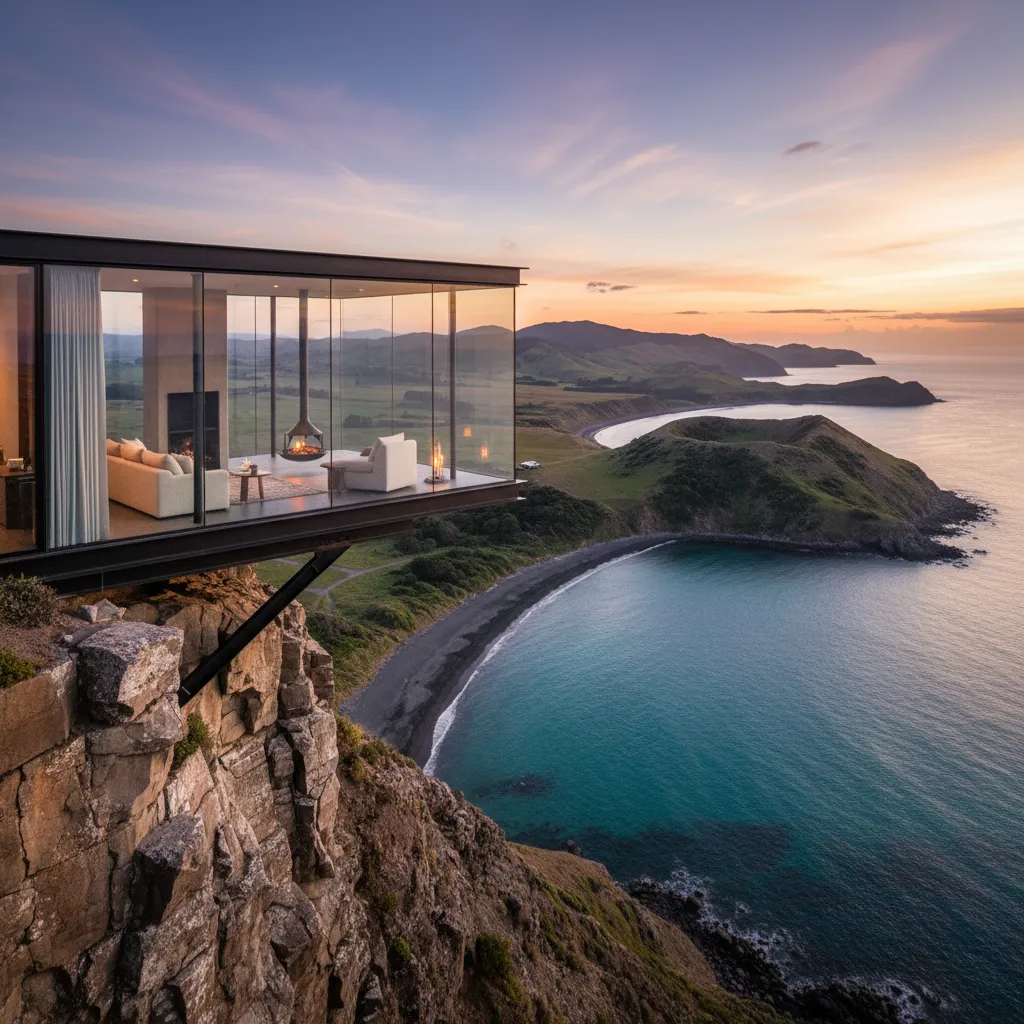
Just outside of Christchurch, the Banks Peninsula offers a dramatic landscape formed by ancient volcanic eruptions. The terrain here is steep, rugged, and uniquely suited for isolation. Accommodation here often clings to the sides of calderas, offering sweeping views of the Pacific Ocean and hidden bays.
The vegetation is a mix of tussock grasslands and regenerating native bush. Because the terrain is difficult to traverse, retreats here often require a 4WD transfer or a short hike to access, guaranteeing that you are far removed from the noise of traffic and civilization. It is a prime location for stargazing due to low light pollution.
The Coromandel: Coastal Rainforests
In contrast to the rugged open spaces of the south, the Coromandel offers lush, subtropical rainforests meeting golden sand beaches. Off-grid accommodation here often takes the form of treehouses or cabins tucked into the dense bush.
The Coromandel is ideal for those who want their digital detox to be accompanied by the sound of the ocean. Many properties are completely solar-powered and utilize gravity-fed water systems from natural spring. The focus here is often on “barefoot luxury,” where the proximity to nature is the primary amenity.
The Science Behind “No Wi-Fi” Policies
Why are commercial operators increasingly enforcing “No Wi-Fi” policies? It is a feature, not a bug. The demand for off grid accommodation NZ is driven largely by the psychological need to escape the “always-on” culture.
Cortisol and Blue Light Reduction
Constant notifications and the blue light emitted by screens keep the human nervous system in a state of low-level arousal (fight or flight). By physically removing the ability to connect, these retreats force the brain to downregulate. Studies suggest that spending as little as three days in nature without technology can reset circadian rhythms, improve sleep quality, and significantly lower cortisol levels.
Deepening Relationships
For couples and families, the lack of digital distraction fosters genuine connection. Without the crutch of social media or news feeds, guests engage in conversation, board games, or simply shared silence. Commercial retreats often facilitate this by providing libraries, board games, and outdoor bathtubs instead of televisions.
Integrating Yoga and Conservation
The synergy between off-grid living, yoga, and conservation is a powerful draw for the eco-tourism market. Many high-end off-grid providers now include yoga mats, meditation cushions, and dedicated outdoor decks as standard amenities.
The “Green Prescription”
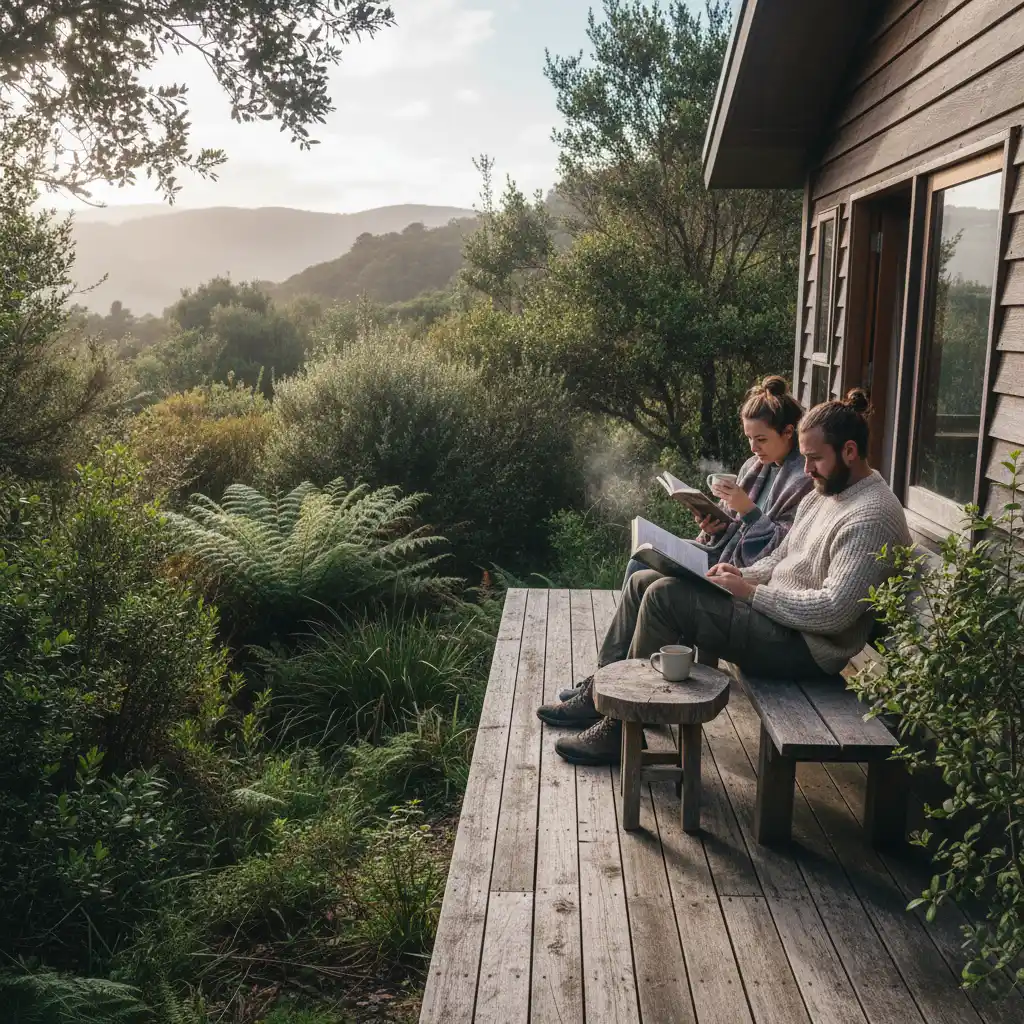
Yoga practiced in a studio is beneficial, but yoga practiced on a deck overlooking a canopy of Manuka and Ferns is transformative. The Japanese concept of Shinrin-yoku (forest bathing) is naturally integrated into these stays. Guests are encouraged to practice mindfulness not just through formal exercise, but through the observation of nature.
Conservation as Reciprocity
Leading off grid accommodation NZ providers often tie their commercial operations to conservation trusts. A portion of the booking fee may go towards predator trapping (to protect Kiwi birds) or reforestation projects. Some retreats even offer guests the opportunity to participate in these activities, such as planting a native tree during their stay. This transforms the holiday from a passive consumption of resources into an active contribution to the land, deepening the sense of purpose and well-being associated with the detox.
How to Choose Your Off Grid Retreat
When searching for the perfect off-grid escape, consider the following factors to ensure the experience matches your expectations.
1. Level of Isolation vs. Accessibility
How far are you willing to travel? Some PurePods require a 1km hike from a secure car park to the cabin to ensure total privacy. Others in the Coromandel may require a 4WD vehicle to access. Always check the access requirements before booking, especially if you have mobility concerns or heavy luggage.
2. Thermal Comfort and Seasonality
New Zealand’s weather can be volatile. Ensure your chosen accommodation has adequate passive heating, log burners, or solar-powered heating if you are traveling between May and September. A high-quality off-grid build will be double-glazed and insulated, but rustic “glamping” tents may be too cold for winter stays.
3. Self-Catering vs. Hosted
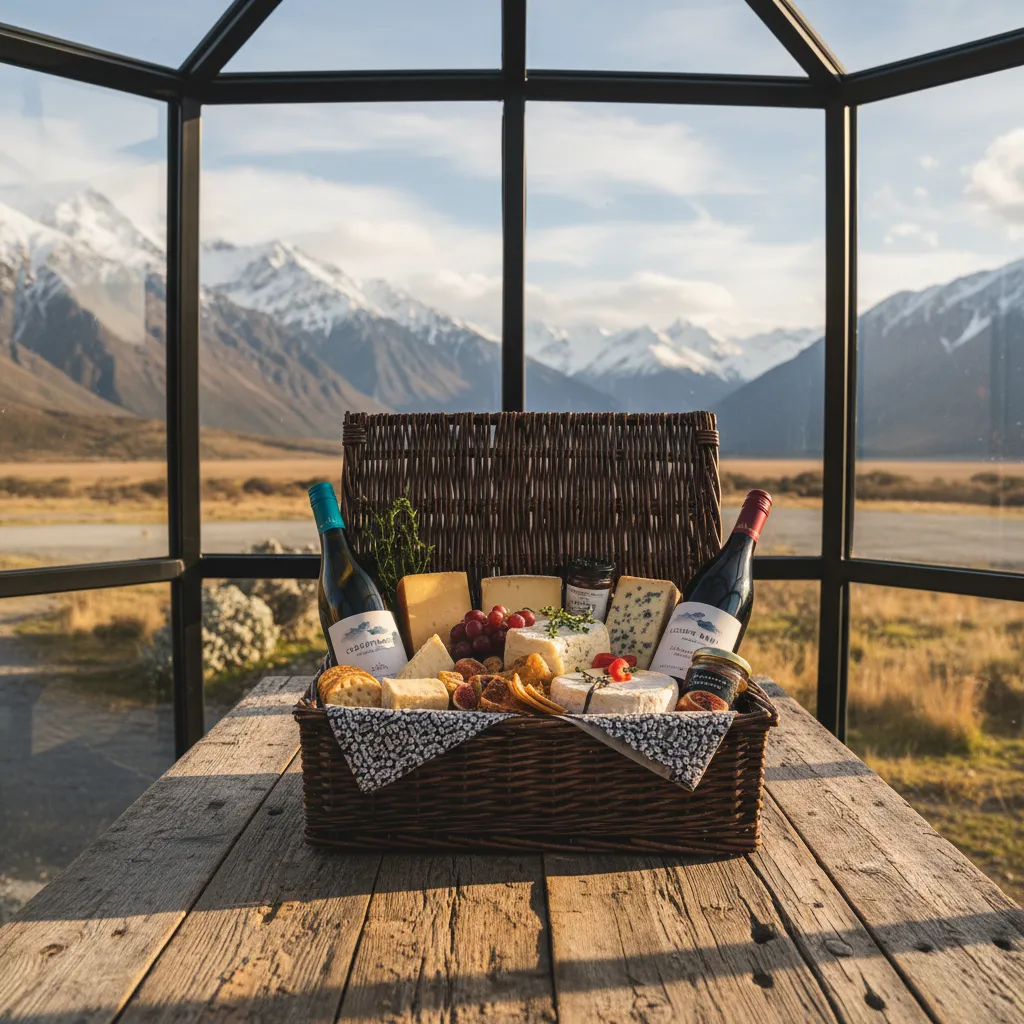
True isolation usually means self-catering. Many luxury off-grid spots offer “food hampers” featuring local cheeses, wines, and meats that can be pre-ordered. If you do not want to cook, check if the location is within driving distance of local eateries, though this often breaks the “detox” spell.
People Also Ask
How much does off grid accommodation in NZ cost per night?
Prices vary significantly based on luxury levels. Rustic huts may cost between $100-$200 NZD per night, while high-end experiences like PurePods or luxury eco-cabins typically range from $400 to $800+ NZD per night, often including breakfast provisions.
Is there cell phone reception at off grid retreats?
It depends on the specific location. While the accommodation may not provide Wi-Fi, some locations still have weak 4G signals. However, many “true” digital detox retreats are located in topographical blind spots where signal is non-existent, ensuring a forced disconnect.
Are off grid cabins in NZ warm enough in winter?
Yes, reputable commercial off-grid accommodations are designed for year-round comfort. They typically utilize high-performance insulation, double-glazing, and efficient heating sources like log burners or gas fireplaces to keep the interior warm even in freezing temperatures.
Can I charge my devices at off grid accommodation?
Generally, yes. Solar power systems are usually sufficient to charge small devices like phones, cameras, and e-readers via USB ports. However, they may not support high-draw appliances like hair dryers or hair straighteners.
Is off grid accommodation safe for solo travelers?
New Zealand is considered very safe for solo travelers. Off-grid accommodations are usually located on private land owned by hosts who live nearby (though out of sight), providing a safety net while maintaining privacy. Always share your location and itinerary with someone before going off-grid.
What should I pack for a digital detox retreat?
Pack comfortable clothing layers, sturdy walking shoes, a torch or headlamp, physical books, a journal, and personal toiletries. Since many spots are self-catering, bring any specific food items you desire, although basic provisions are often supplied.