Dark Sky Sanctuaries in New Zealand are internationally recognized, isolated locations—specifically Aotea/Great Barrier Island and Rakiura/Stewart Island—that possess exceptional quality of starry nights and a nocturnal environment protected for its scientific, natural, educational, and cultural value. These sanctuaries represent the most fragile and pristine dark sites in the world, located in remote areas with zero light pollution.
Why New Zealand is the World’s Top Stargazing Destination
New Zealand has rapidly ascended the ranks to become the premier global destination for astrotourism. While many nations offer dark skies, New Zealand combines unique geographical advantages with a legislative and cultural commitment to preserving the night. The country’s isolation in the South Pacific Ocean ensures that air masses passing over the islands are free from the particulate pollution and smog that plague the Northern Hemisphere, resulting in unrivaled atmospheric transparency.
Furthermore, the Southern Hemisphere offers a superior vantage point for astronomical observation. Travelers to New Zealand can view the Galactic Center of the Milky Way directly overhead during the winter months, a sight often obscured or low on the horizon in northern latitudes. Iconic celestial features such as the Southern Cross (Crux), the Magellanic Clouds (dwarf galaxies orbiting the Milky Way), and the Jewel Box Cluster are exclusive to or best viewed from this region.
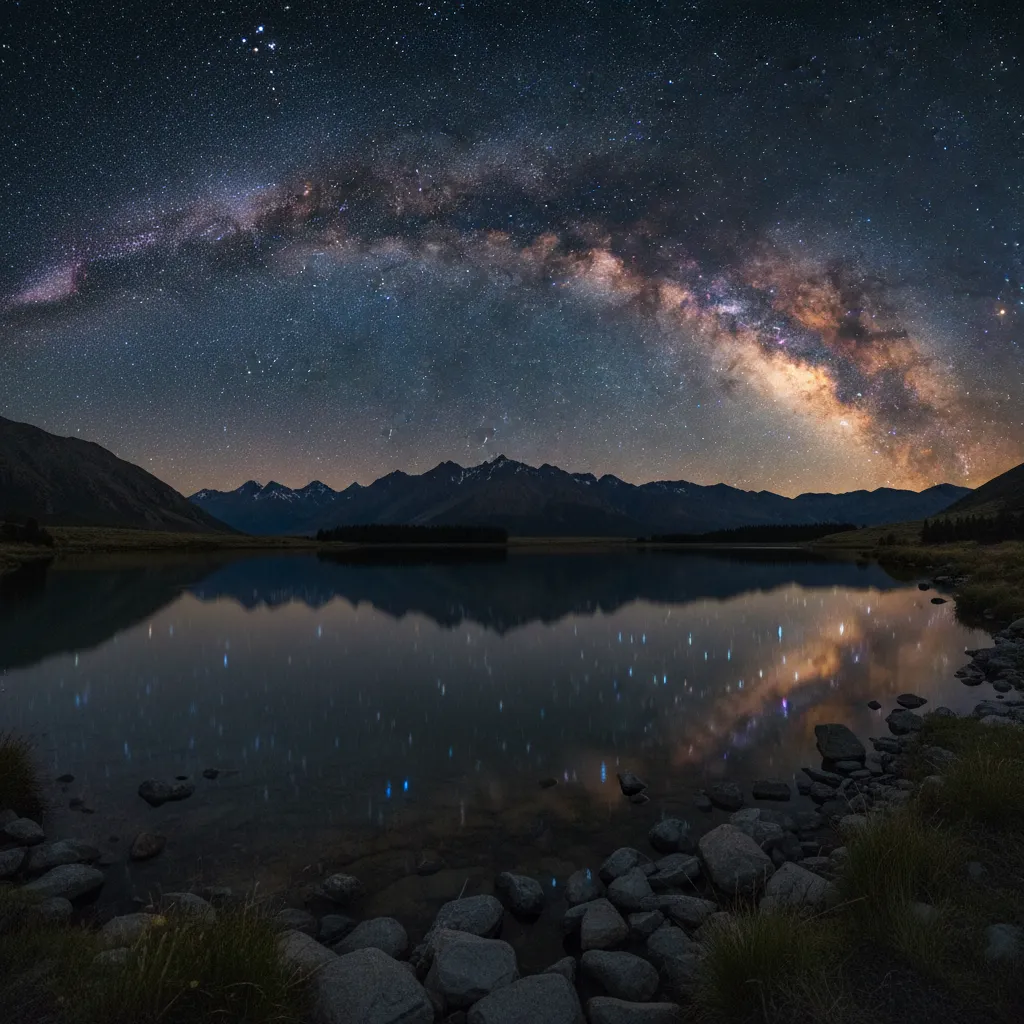
The commitment to “dark sky” status is not merely a tourism tag; it is a conservation effort. New Zealand aims to become the world’s first “Dark Sky Nation,” a testament to the country’s dedication to reducing light pollution. This effort protects not only the view of the cosmos but also the circadian rhythms of the unique nocturnal wildlife, including the Kiwi and the Morepork (Ruru), which rely on true darkness to thrive.
Dark Sky Sanctuary vs. Dark Sky Reserve: What is the Difference?
For the discerning astrotourist, understanding the technical distinction between a “Sanctuary” and a “Reserve” is vital for managing expectations and planning travel. Both designations are granted by DarkSky International (formerly the International Dark-Sky Association), but they serve different purposes and denote different environments.
Dark Sky Reserves
A Dark Sky Reserve, such as the famous Aoraki Mackenzie International Dark Sky Reserve, consists of a core area meeting minimum criteria for sky quality and natural darkness, surrounded by a peripheral area that supports dark sky preservation. Reserves are often accessible to the public and may include populated towns (like Tekapo) where lighting ordinances are enforced. They balance conservation with accessibility and infrastructure.
Dark Sky Sanctuaries
A Dark Sky Sanctuary is the rarest and most fragile designation. It applies to public or private land that has an exceptional or distinguished quality of starry nights and a nocturnal environment that is protected for its scientific, natural, or educational value. Crucially, sanctuaries are located in very remote locations with few (if any) nearby threats to the quality of its dark night skies. They are often geographically isolated, harder to access, and offer a “primal” darkness that is disappearing from the rest of the planet. In New Zealand, the focus of this guide is on these specific sanctuaries.
Aotea / Great Barrier Island: The Island of Ancestral Light
Located 100 kilometers northeast of Auckland, Aotea / Great Barrier Island was the first island in the world to receive Dark Sky Sanctuary status. It is a place where the modern world feels light-years away. With no reticulated electricity supply, the island’s residents rely on solar and wind power, naturally minimizing light pollution.
The darkness here is measured on the Bortle Scale, often hitting Class 1—the darkest possible rating. This allows for the naked-eye visibility of the Triangulum Galaxy and the zodiacal light, a faint glow of interplanetary dust that is invisible in most parts of the developed world.
Visiting Aotea
Access is via a 30-minute flight from Auckland or a 4.5-hour ferry. Once there, the experience is rugged and authentic. There are no streetlights. Astrotourism experiences here are intimate, often involving local guides who share stories of the island’s history alongside telescope viewings. The top viewing spots include Medlands Beach and the Windy Canyon lookout, where the elevation provides a 360-degree view of the celestial sphere.
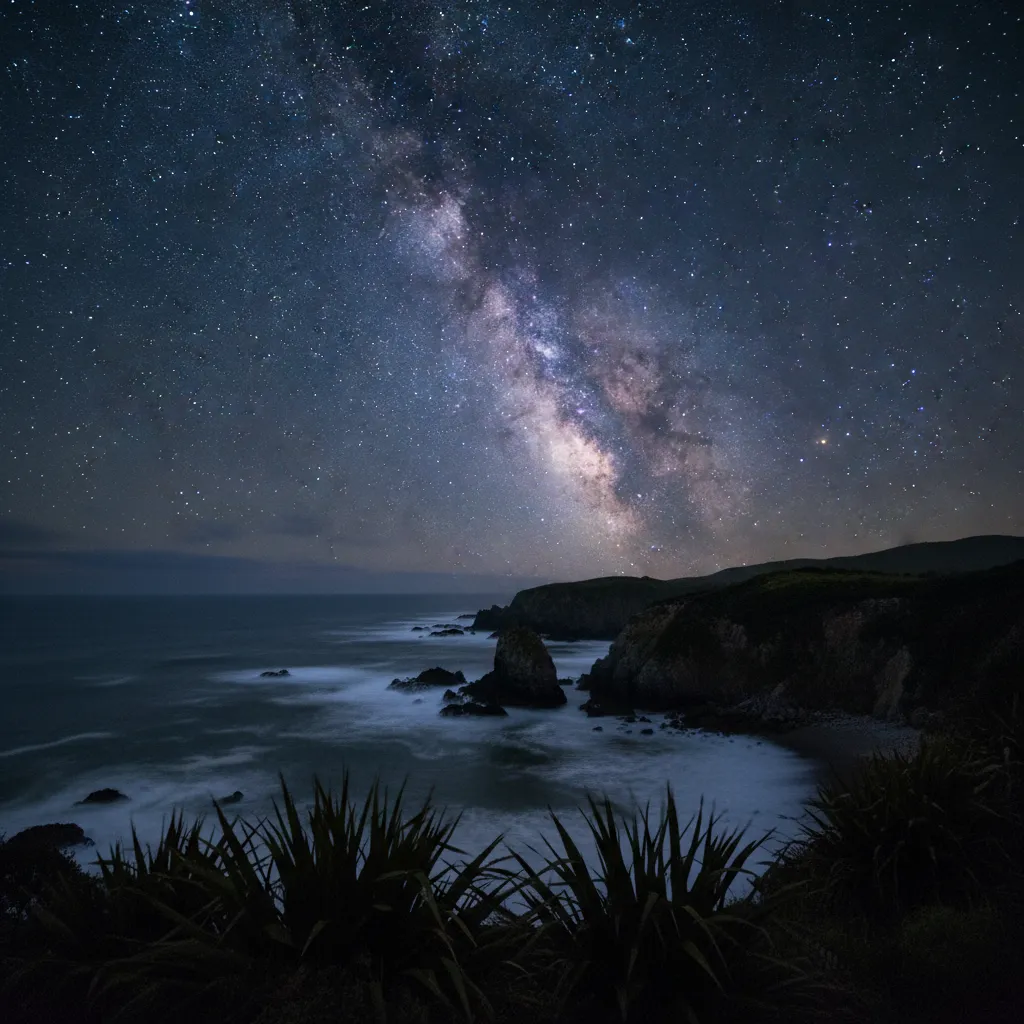
Rakiura / Stewart Island: The Land of Glowing Skies
Rakiura, New Zealand’s third-largest island, lies at the very bottom of the country. Its Māori name, Rakiura, translates to “The Land of Glowing Skies,” a reference to the Aurora Australis (Southern Lights) which frequently grace the horizon here due to the island’s southern latitude (47°S).
Designated as a Dark Sky Sanctuary in 2019, roughly 85% of the island is Rakiura National Park. With a permanent population of fewer than 450 people centered in the township of Oban, the light footprint is negligible. The sanctuary status protects the pristine night environment for the benefit of the erratic and sizable population of Kiwi birds (tokoeka) that outnumber humans here.
Chasing the Aurora
While the Milky Way is spectacular year-round, Rakiura is the prime location for hunting the Southern Lights. Unlike the Aurora Borealis, which often requires freezing Arctic temperatures, the Aurora Australis can be viewed from Rakiura in relatively milder coastal climates, though winter (June–August) is still cold. The best viewing spots include Observation Rock in Oban and the remote beaches of Lee Bay.

Connecting Astronomy with Landscape: Tātai Arorangi
Astrotourism in New Zealand is deeply enriched by the indigenous Māori worldview. Tātai Arorangi (Māori astronomy) is not just about identifying stars; it is about the connection between the celestial and the terrestrial. For centuries, Māori navigators used the stars to traverse the vast Pacific Ocean, and the rising of specific constellations signaled seasonal changes for planting, harvesting, and hunting.
The most significant event in the calendar is the rise of Matariki (the Pleiades star cluster) in mid-winter, marking the Māori New Year. In a Dark Sky Sanctuary, the cultural storytelling becomes visceral. When a guide points out the waka (canoe) in the sky or explains how the star Rehua (Antares) relates to summer heat, the landscape itself feels more alive. Visitors are encouraged to seek out tours that are led by Mana Whenua (local people with authority over the land) to gain this dual perspective of science and spirit.
Astrophotography Basics for Travelers
Visiting a Dark Sky Sanctuary offers the perfect opportunity to capture world-class images of the cosmos. However, shooting in true darkness requires specific techniques that differ from daytime photography.
Essential Gear
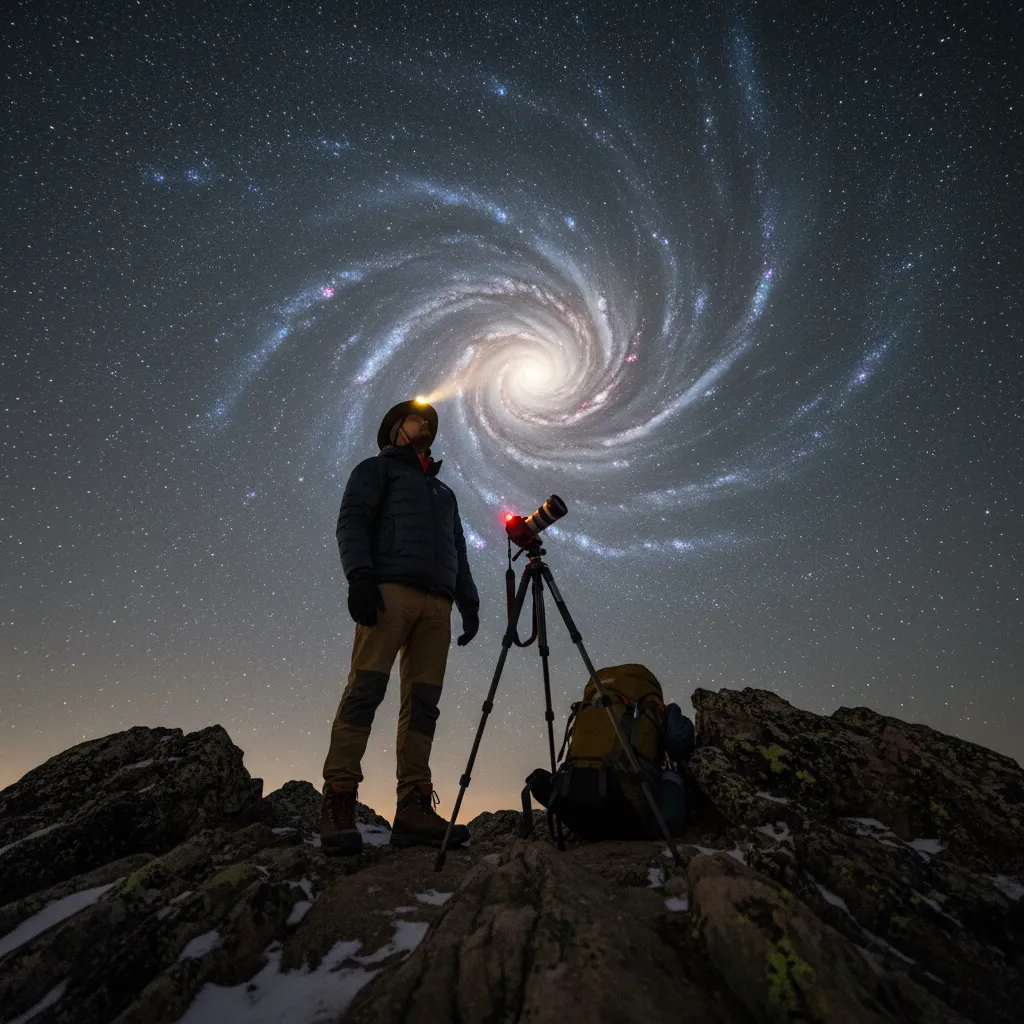
You do not need a telescope to photograph the Milky Way. A DSLR or Mirrorless camera with manual mode capability is essential. Pair this with a “fast” wide-angle lens (aperture f/2.8 or lower) to capture as much light as possible. A sturdy tripod is non-negotiable; even the slightest vibration will ruin a long exposure.
The 500 Rule
To prevent stars from turning into trails due to the Earth’s rotation, astrophotographers use the “500 Rule.” Divide 500 by the focal length of your lens to determine the maximum exposure time in seconds. For example, if you are using a 24mm lens: 500 / 24 = 20.8 seconds. Set your shutter speed to 20 seconds or less for sharp stars.
Recommended Settings
- Aperture: The widest possible (e.g., f/1.8 or f/2.8).
- ISO: Start at ISO 1600 or 3200. In a Dark Sky Sanctuary, you can push ISO higher because there is no ambient city light to wash out the image.
- Focus: Auto-focus will not work. Switch to manual focus, zoom in on the brightest star in your live view, and adjust until it is a pinpoint of light.
- Format: Always shoot in RAW format to retain shadow data for post-processing.
Planning Your Dark Sky Itinerary
To maximize your chances of a clear view in New Zealand’s Dark Sky Sanctuaries, timing is everything. The New Zealand winter (June to August) offers the longest nights and the clearest air, making it the peak season for serious stargazers. This is also when the galactic core is most visible.
However, always check the lunar calendar. A full moon acts as a massive natural light polluter, washing out the fainter stars and the Milky Way detail. Plan your trip during the “New Moon” phase—specifically the five days before and after the new moon—for the deepest, darkest skies. Whether you choose the rugged isolation of Great Barrier Island or the southern auroras of Stewart Island, a visit to these sanctuaries is a reminder of what the night sky looked like to our ancestors: vast, overwhelming, and profoundly beautiful.
What is the best time of year to see the Milky Way in New Zealand?
The best time to see the core of the Milky Way in New Zealand is during the winter months, from late February to October. The peak viewing season is June and July when the galactic center is directly overhead and the nights are longest.
Can I see the Aurora Australis from Great Barrier Island?
While it is possible to see the Aurora Australis from Great Barrier Island during strong solar storms, it is much rarer than on Stewart Island. Great Barrier Island is further north, making it better suited for deep sky objects and Milky Way viewing rather than aurora hunting.
Do I need a 4WD vehicle to visit New Zealand’s Dark Sky Sanctuaries?
On Great Barrier Island, a 4WD or a vehicle with high clearance is recommended as many roads are unsealed and rugged. On Stewart Island, most visitors walk or take water taxis, as the road network is extremely limited (less than 30km of roads total).
Are there guided tours available in the sanctuaries?
Yes, both Great Barrier Island and Stewart Island offer guided astrotourism experiences. These are highly recommended as guides provide telescopes, knowledge of the southern sky navigation, and often hot beverages to keep you warm.
What is the difference between a Dark Sky Park and a Sanctuary?
A Dark Sky Park is typically a protected public land (like a national park) with good outdoor lighting and dark skies, accessible to the public. A Sanctuary is more focused on the fragility of the site and its isolation; they are often the darkest places on Earth and harder to access than Parks.
Is it cold stargazing in New Zealand?
Yes, even in summer, nights can be cool. In winter (peak stargazing season), temperatures in Dark Sky Sanctuaries can drop near or below freezing. It is essential to dress in warm layers, including thermal underwear, a down jacket, a beanie, and gloves.