Celestial Heritage: Dark Skies

Matariki star cluster rising over New Zealand landscape
Celestial Heritage: Dark Skies

Māori Astronomy & Matariki

The history of Māori astronomy, known as Tātai Arorangi, is deeply intertwined with Polynesian navigation and the Maramataka (lunar calendar). It involves observing celestial bodies to guide ocean voyages, predict seasonal changes for agriculture, and mark significant cultural events like Matariki, preserving ancient knowledge through oral traditions and star lore. For centuries, the night sky […]
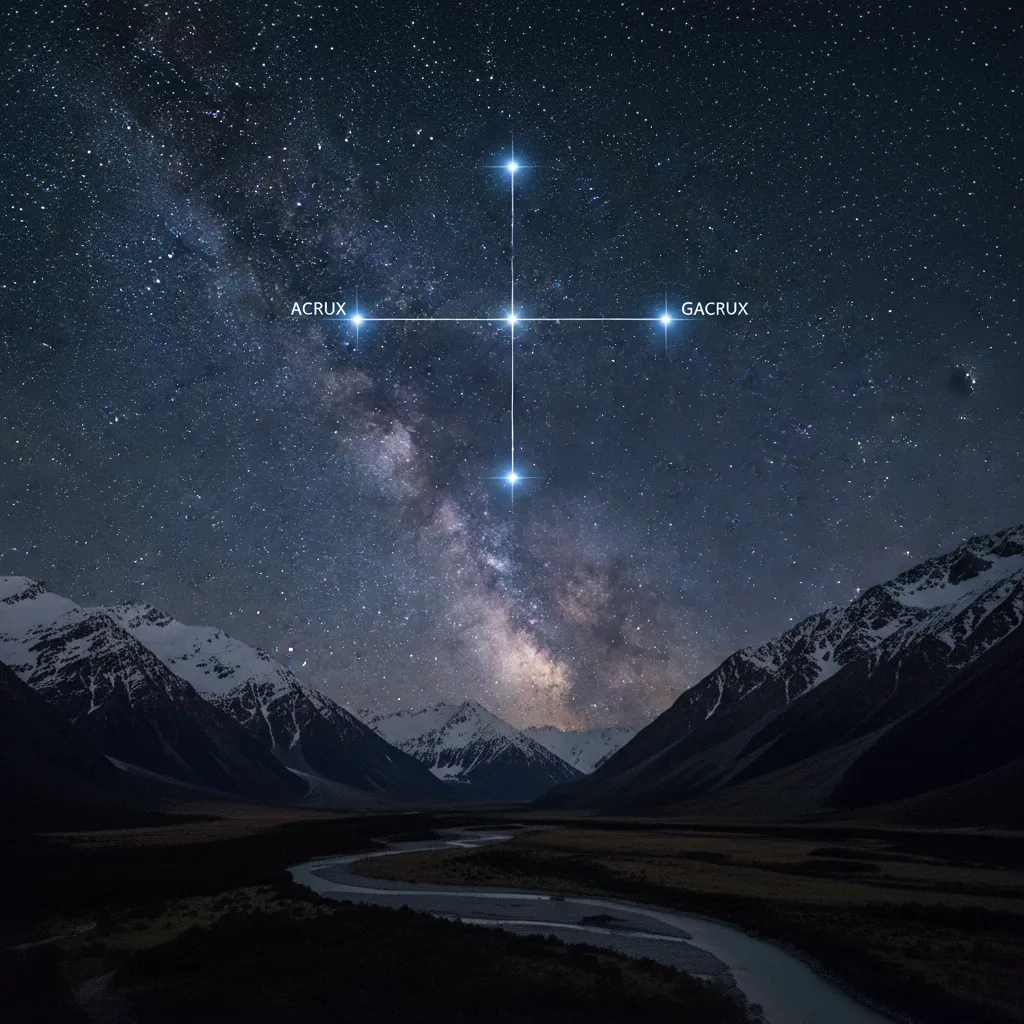
The Southern Cross constellation visible over New Zealand mountains
Celestial Heritage: Dark Skies

Southern Cross Navigation

To find south using the Southern Cross, locate the constellation Crux and the two bright “Pointer” stars (Alpha and Beta Centauri). Imagine a straight line extending from the long axis of the cross. Next, draw an imaginary perpendicular bisector from the line connecting the two Pointers. The point where these two imaginary lines intersect marks

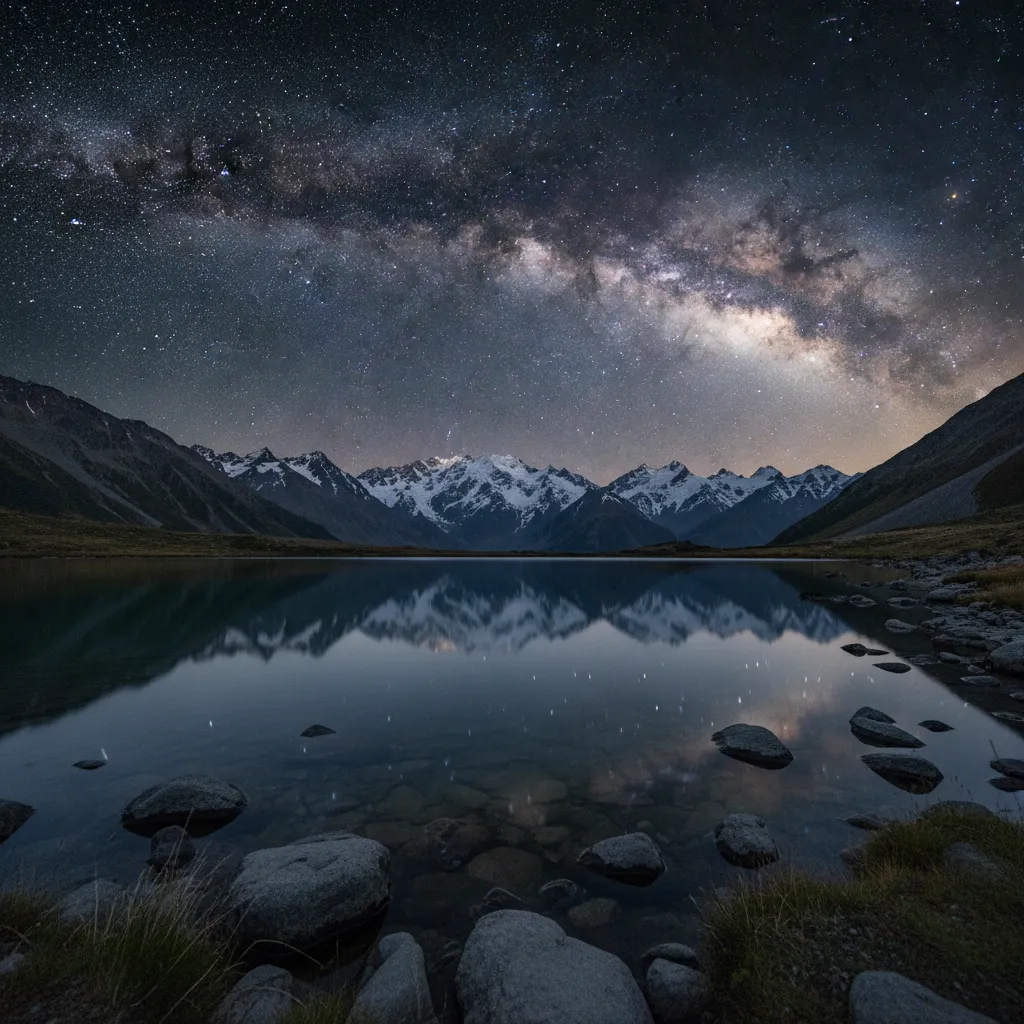
Milky Way arching over New Zealand Southern Alps in winter
Celestial Heritage: Dark Skies

Winter Stargazing

Winter stargazing in New Zealand offers the premier astronomical experience due to long, dark nights and the visibility of the Milky Way’s galactic core. The crisp, stable winter air minimizes atmospheric distortion, while the Matariki cluster rises, marking the Māori New Year, making June through August the optimal viewing season. Table of Contents Why Winter

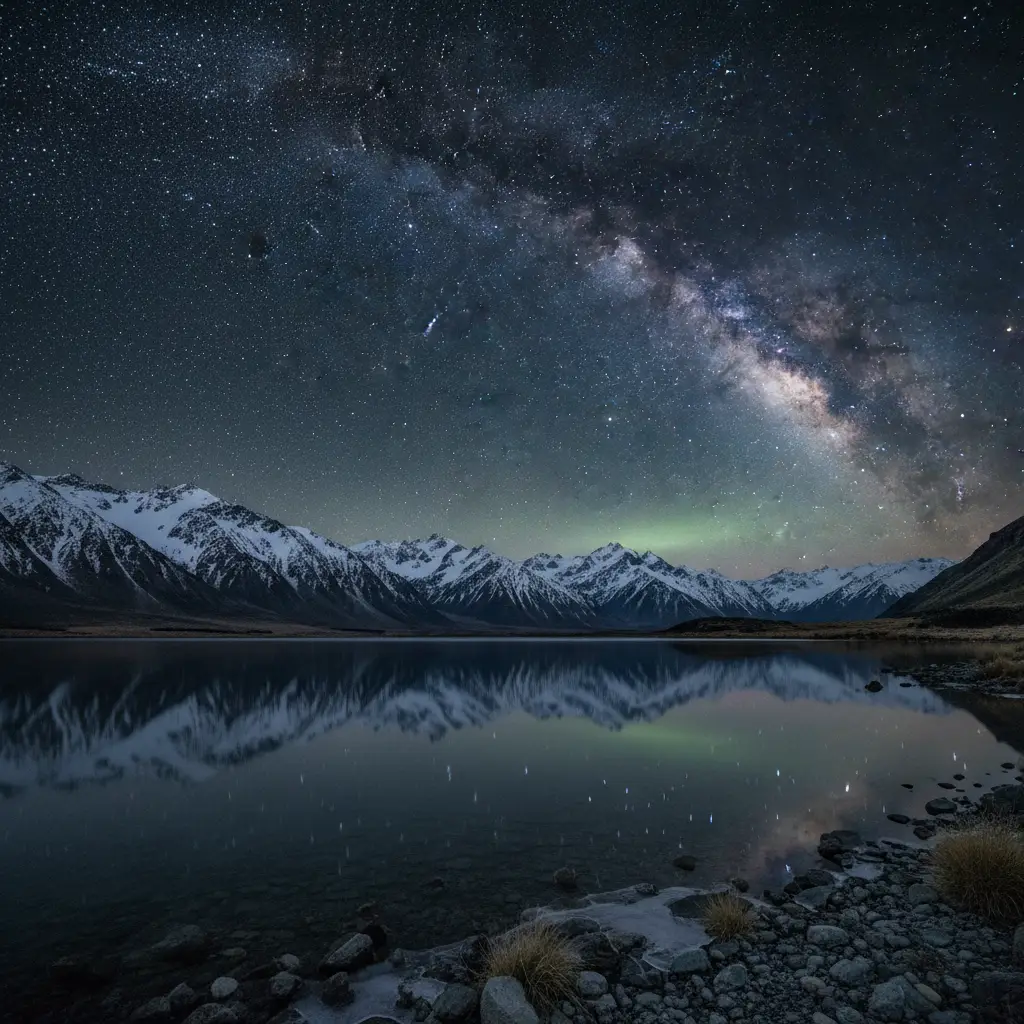
Milky Way arching over a New Zealand alpine lake
Celestial Heritage: Dark Skies

Astrophotography 101

Astrophotography 101: Discovering the Best Astrophotography Spots in NZ The best astrophotography spots in NZ are located within designated Dark Sky Sanctuaries and Reserves, specifically the Aoraki Mackenzie International Dark Sky Reserve, Great Barrier Island, and Stewart Island. These locations offer minimal light pollution, allowing photographers to capture the Milky Way and Aurora Australis with

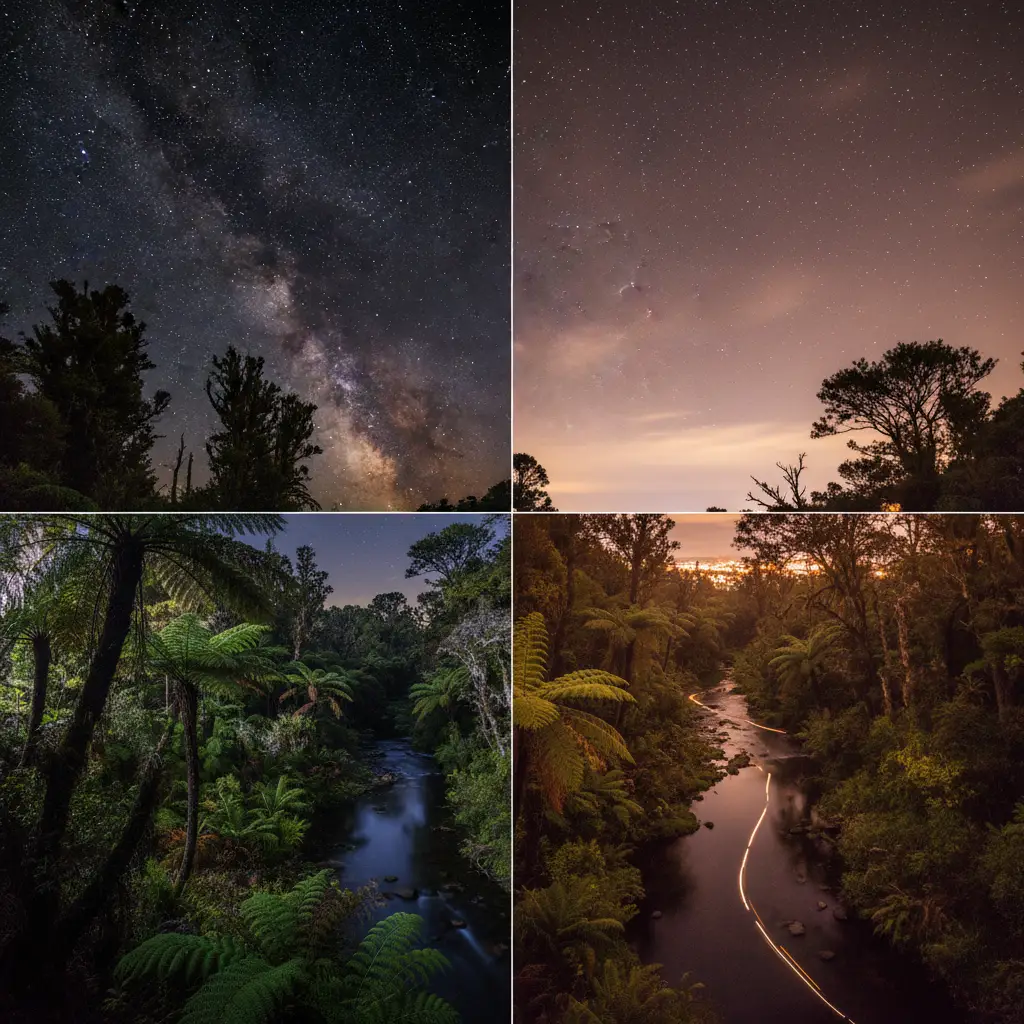
Comparison of a natural dark sky versus a light-polluted landscape in New Zealand
Celestial Heritage: Dark Skies

Light Pollution Effects

Light pollution effects on wildlife are characterized by the disruption of natural circadian rhythms, the alteration of navigational cues, and the suppression of melatonin production. In New Zealand, this artificial light at night (ALAN) critically impacts endemic species like the Kiwi and Westland Petrel, leading to disorientation, fatal collisions, and reduced reproductive success. Table of

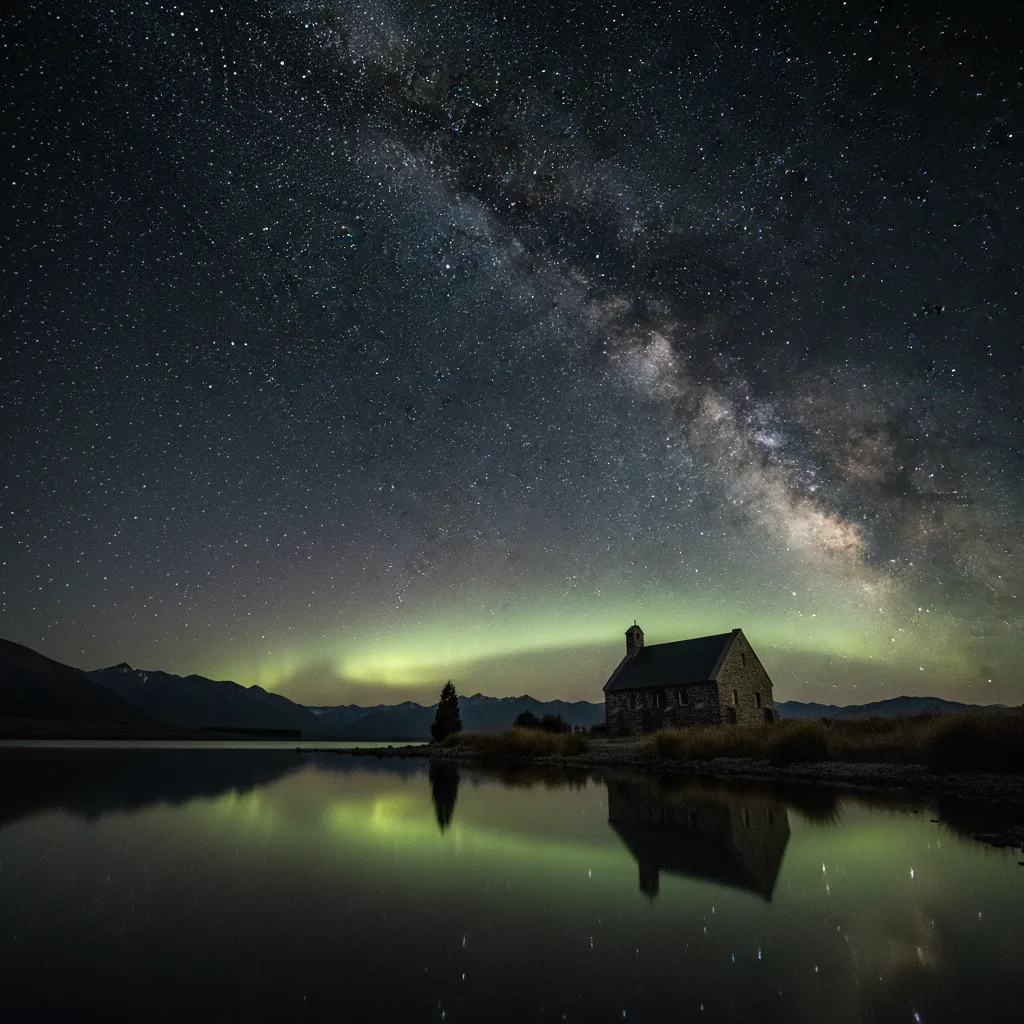
Aurora Australis viewing NZ at Lake Tekapo
Celestial Heritage: Dark Skies

Aurora Australis Guide

Aurora Australis viewing NZ offers some of the world’s most spectacular celestial displays, primarily visible from the lower South Island’s dark sky sanctuaries. The best viewing opportunities occur during the winter months of March through September in locations like Stewart Island, Lake Tekapo, and The Catlins, requiring clear skies, minimal light pollution, and high geomagnetic

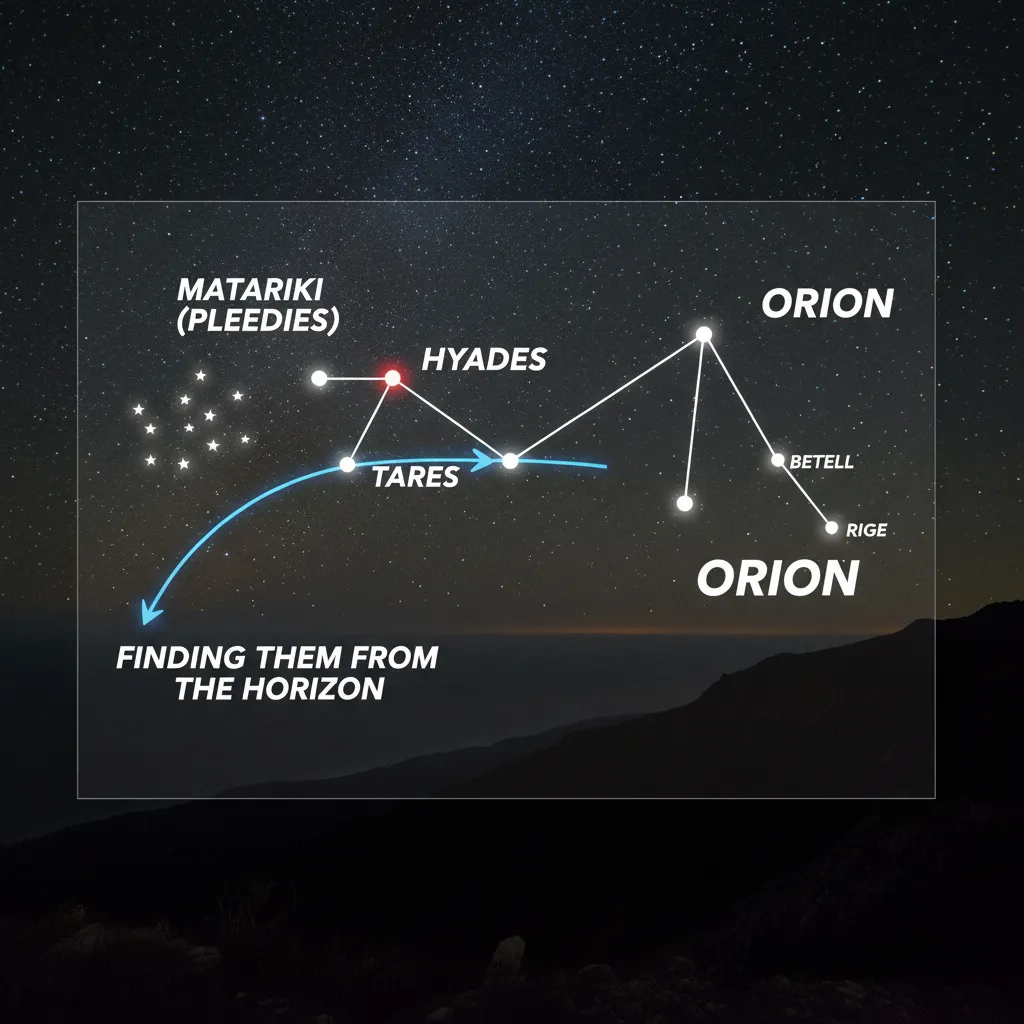
Diagram showing how to find Matariki using Orion's Belt
Celestial Heritage: Dark Skies

Matariki: Maori New Year

What are the Matariki Star Clusters? Matariki is the Māori name for the Pleiades star cluster, an open cluster of several hundred stars located in the constellation Taurus. Its heliacal rising in mid-winter marks the beginning of the Māori New Year, signifying a pivotal time for remembrance, celebrating the present harvest, and planning for the

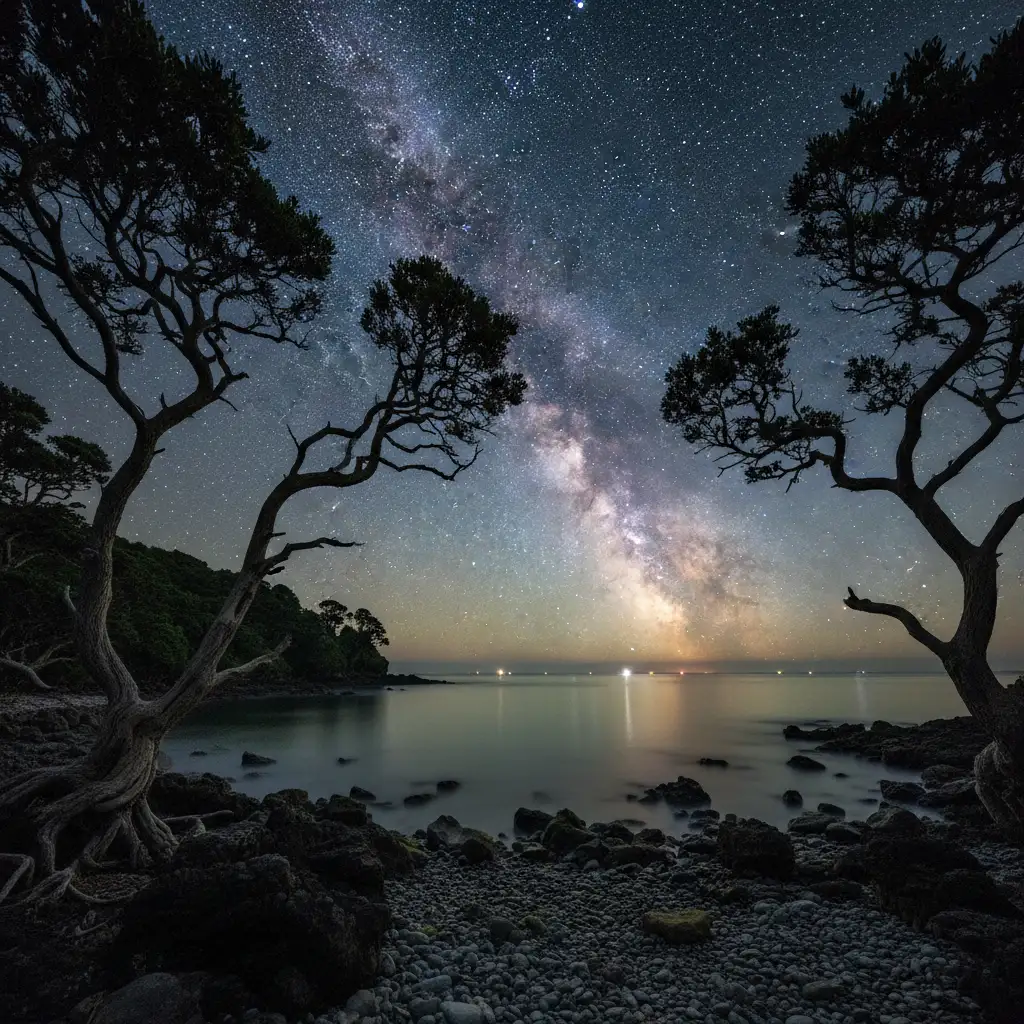
Milky Way galaxy visible over Great Barrier Island coastline
Celestial Heritage: Dark Skies

Great Barrier Island (Aotea)

Great Barrier Island stargazing offers a world-class celestial experience within a designated International Dark Sky Sanctuary. Located off the coast of Auckland, Aotea features minimal light pollution due to its off-grid infrastructure, allowing visitors to observe the Milky Way, Magellanic Clouds, and transient celestial events with exceptional clarity using both the naked eye and professional

Wairarapa dark sky reserve map boundaries highlighting South Wairarapa and Carterton districts
Celestial Heritage: Dark Skies

Wairarapa Dark Sky

The Wairarapa Dark Sky Reserve map encompasses a protected area of 3,665 square kilometers, covering the entirety of the South Wairarapa and Carterton districts. Officially accredited as an International Dark Sky Reserve, this zone enforces strict outdoor lighting ordinances to preserve the pristine quality of the night sky, extending from the Tararua Forest Park to

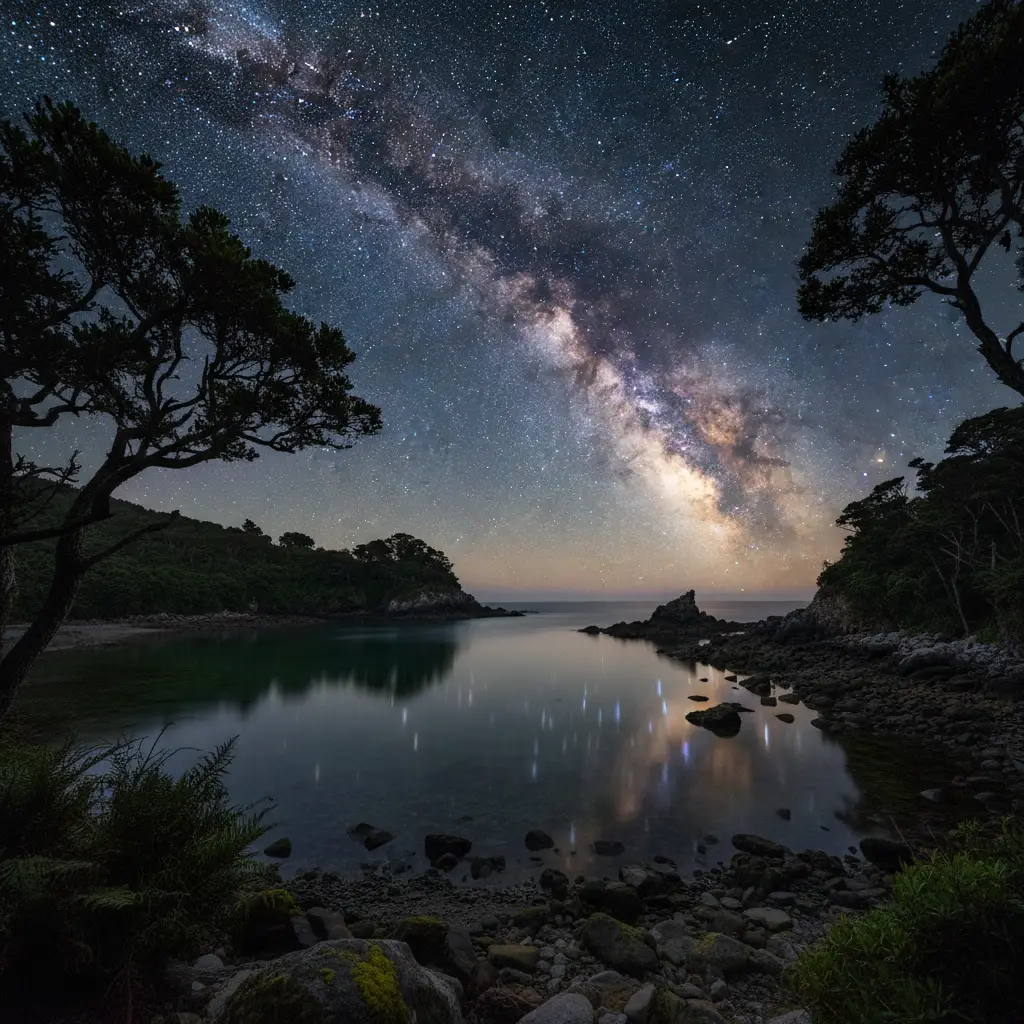
Milky Way galaxy visible over the Stewart Island coastline
Celestial Heritage: Dark Skies

Stewart Island (Rakiura)

Stewart Island (Rakiura) is an accredited International Dark Sky Sanctuary, recognized for its exceptional quality of starry nights and a nocturnal environment protected for its scientific, natural, educational, and cultural heritage. It offers some of the world’s lowest levels of light pollution, making it a premier destination for viewing the Aurora Australis and the Milky

Scroll to Top