Blue Horizons: Marine Sanctuaries

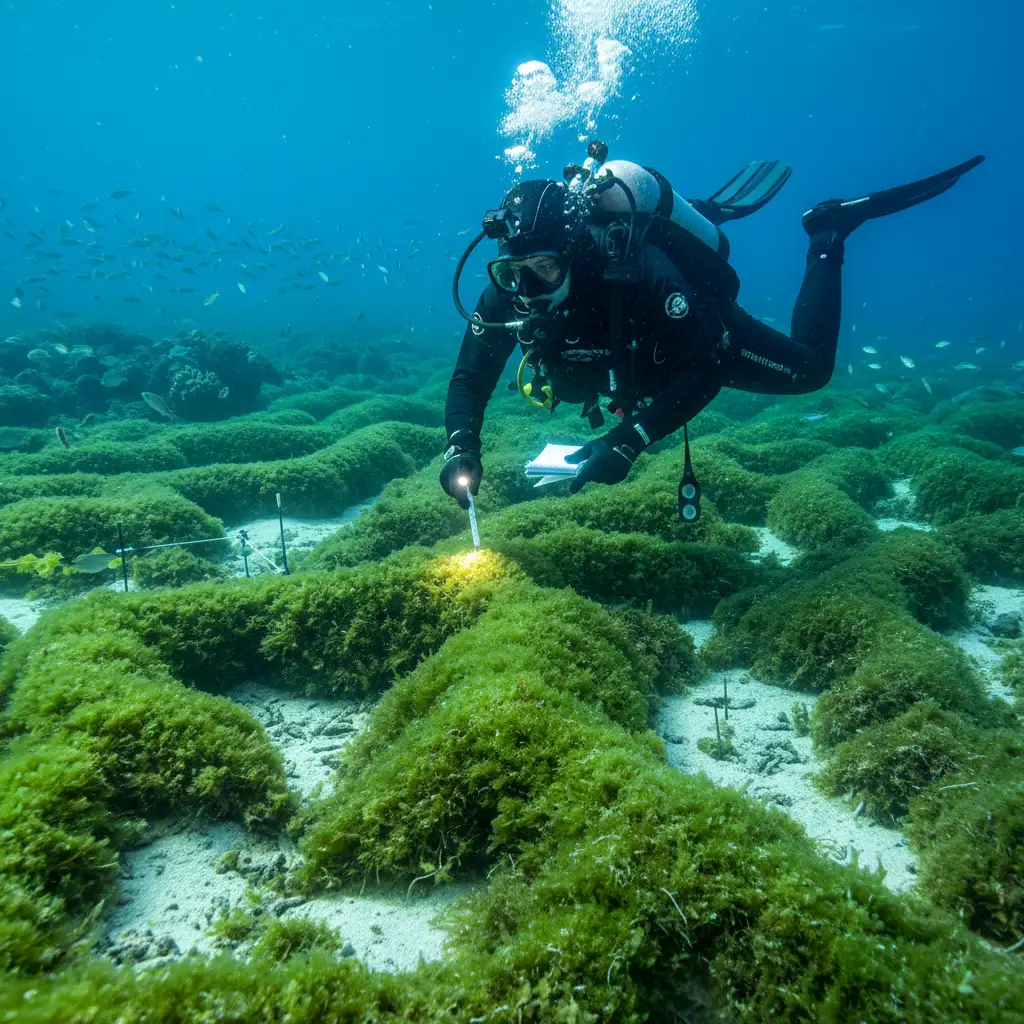
Diver inspecting invasive Caulerpa seaweed on the ocean floor
Blue Horizons: Marine Sanctuaries

Reporting Marine Pests

To report invasive seaweed in New Zealand, particularly Exotic Caulerpa, immediately contact the Biosecurity New Zealand hotline at 0800 80 99 66 or complete the online report form. Do not attempt to remove the seaweed yourself, as fragmentation spreads the pest. Note the GPS location, take a clear photo, and wait for instructions from authorities. […]

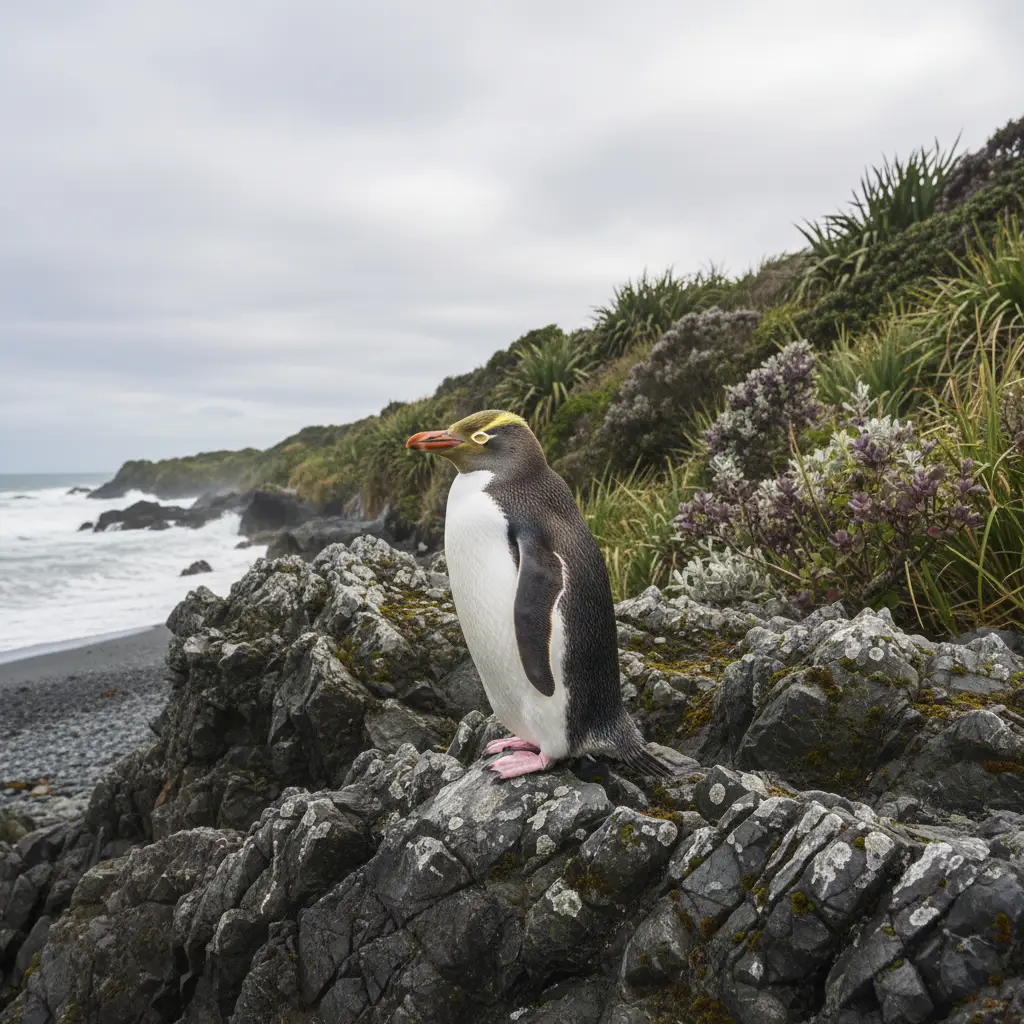
Yellow-eyed penguin standing on rocks near the ocean
Blue Horizons: Marine Sanctuaries

Penguin Conservation

Yellow-eyed penguin conservation is a critical recovery effort focused on saving the Hoiho (Megadyptes antipodes), one of the world’s rarest penguin species. With fewer than 3,000 individuals remaining, strategies involve intensive habitat restoration, predator control, disease management, and rehabilitation programs to prevent their extinction in New Zealand. New Zealand is often referred to as the

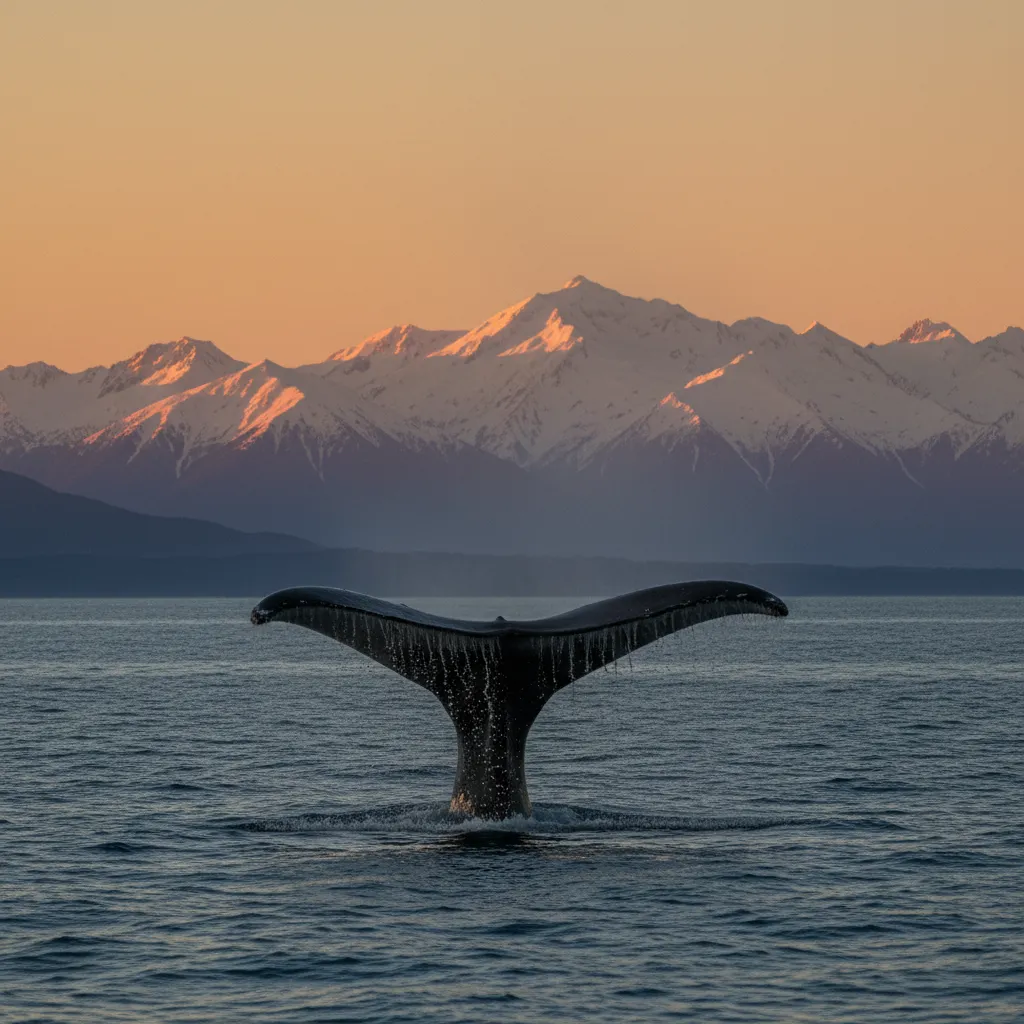
Sperm Whale diving with Kaikoura mountains in background
Blue Horizons: Marine Sanctuaries

Kaikoura Marine Canyon

The Kaikoura whale watching season is distinct globally because it operates year-round, anchored by a resident population of Giant Sperm Whales. While these deep-diving mammals are present 365 days a year, the ecosystem also hosts migratory Humpback Whales in winter (June-August) and Orca pods during summer (December-March), ensuring a diverse marine encounter regardless of when

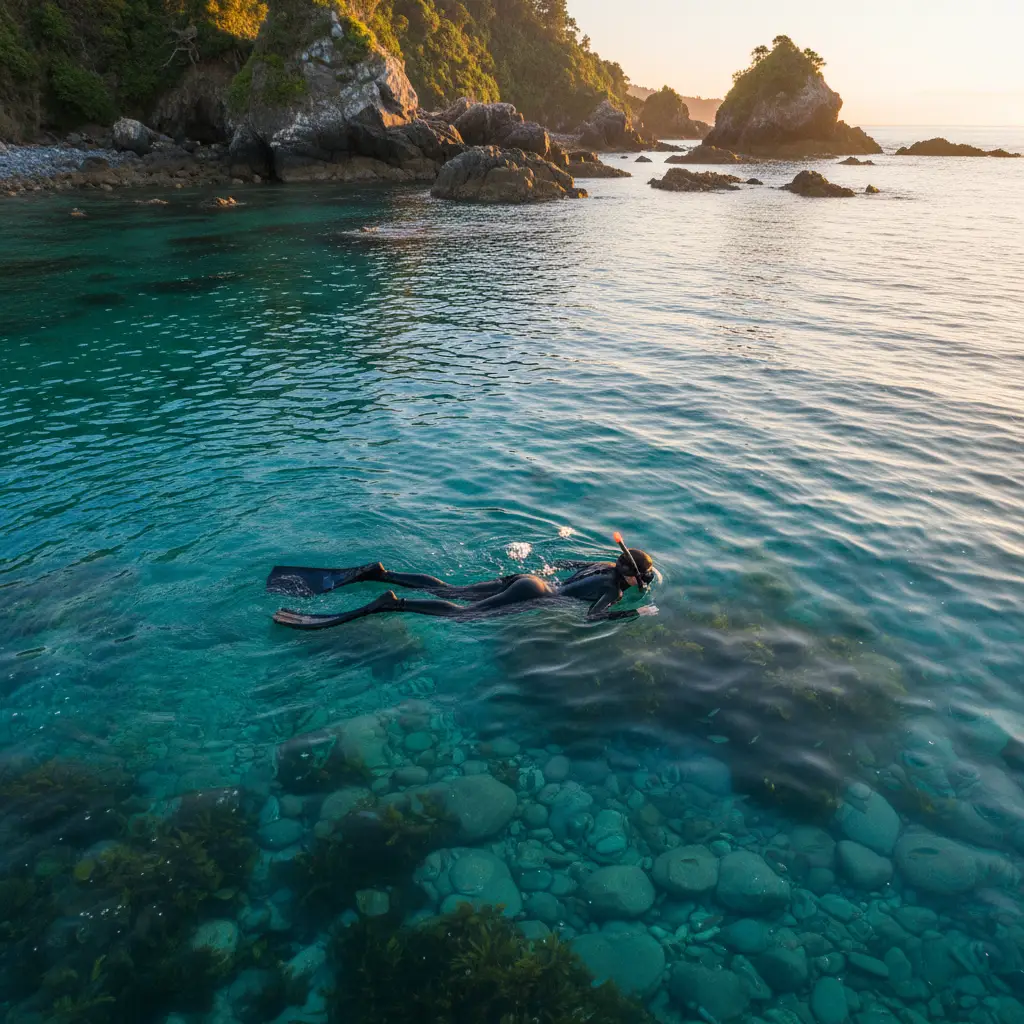
Snorkeler floating safely in New Zealand coastal waters
Blue Horizons: Marine Sanctuaries

Snorkeling Safety & Guidelines

Snorkeling guidelines in New Zealand encompass essential safety protocols and conservation rules designed to protect both swimmers and marine ecosystems. Key measures include utilizing the buddy system, wearing appropriate thermal protection like wetsuits for temperate waters, identifying rip currents, and adhering to strict no-touch policies to preserve fragile biodiversity. Table of Contents Core Principles of

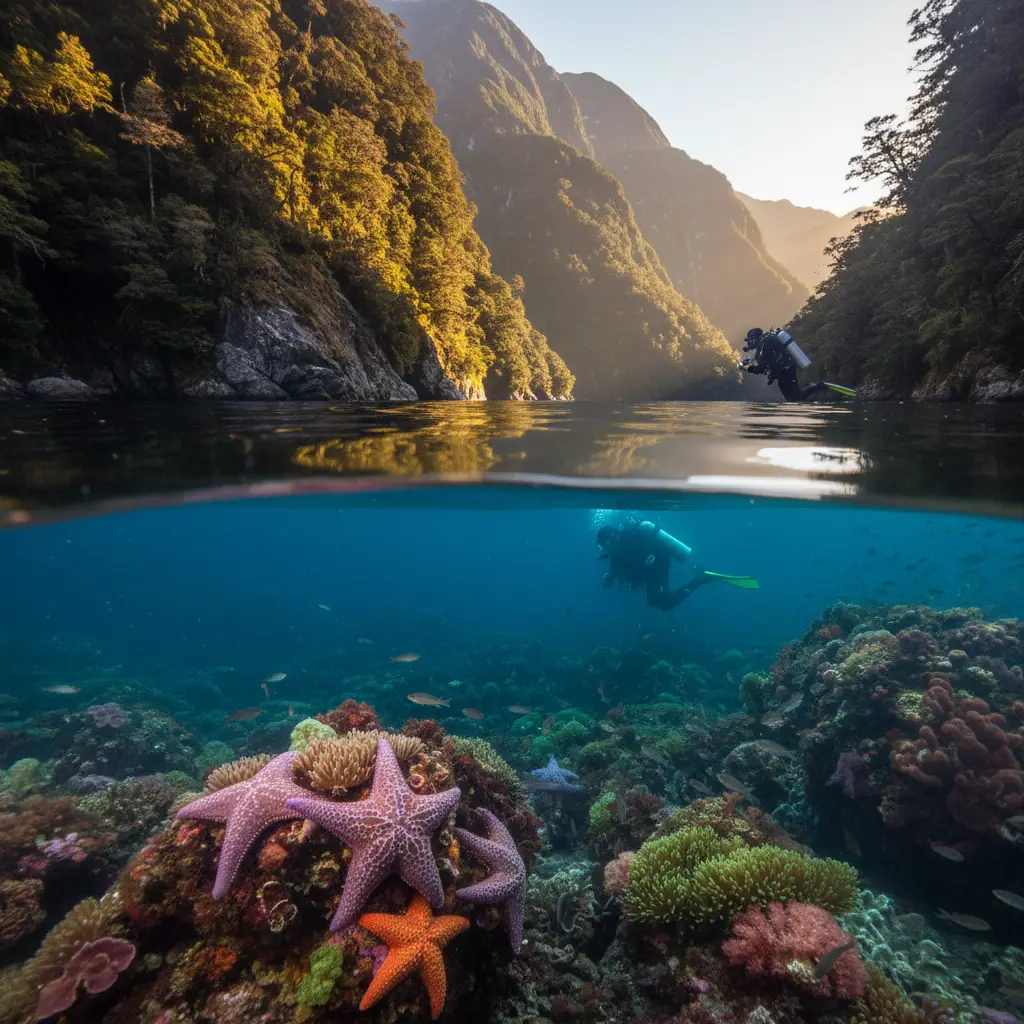
Diver observing marine life in a New Zealand marine reserve without touching
Blue Horizons: Marine Sanctuaries

Marine Mammal Protection

The essential guidelines for visiting marine reserves in New Zealand center on a strict “look but don’t touch” policy to preserve biodiversity. Visitors must maintain a distance of at least 20 meters from seals and sea lions, reduce vessel speeds to “no wake” within 300 meters of marine mammals, and ensure no biological material or

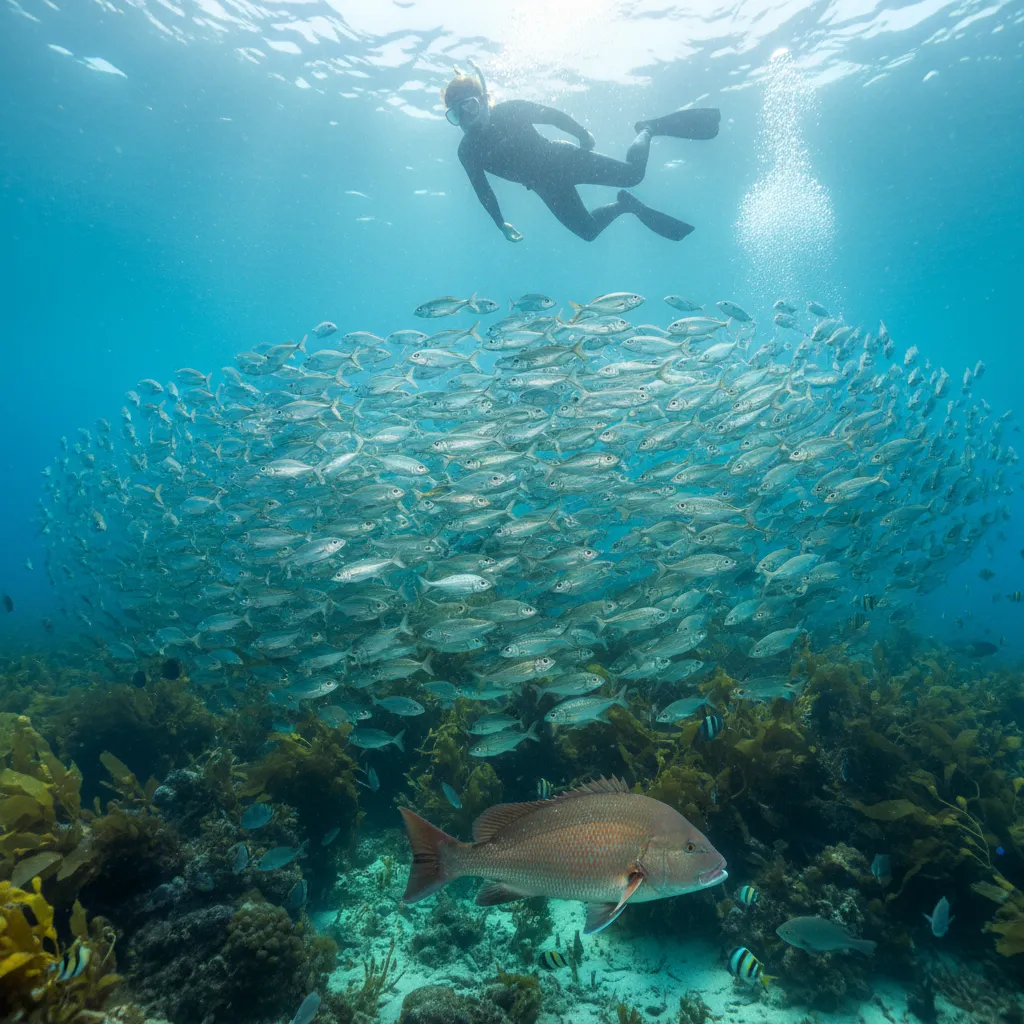
Snorkeler surrounded by snapper and marine life at Goat Island Marine Reserve
Blue Horizons: Marine Sanctuaries

Goat Island (Leigh)

Goat Island snorkeling offers a premier underwater experience in New Zealand’s Cape Rodney-Okakari Point Marine Reserve. Located near Leigh, this protected sanctuary allows swimmers to observe massive snapper, crayfish, and stingrays in their natural habitat. It provides accessible, crystal-clear waters perfect for beginners and advanced divers seeking a thriving, non-extractive marine ecosystem. Table of Contents

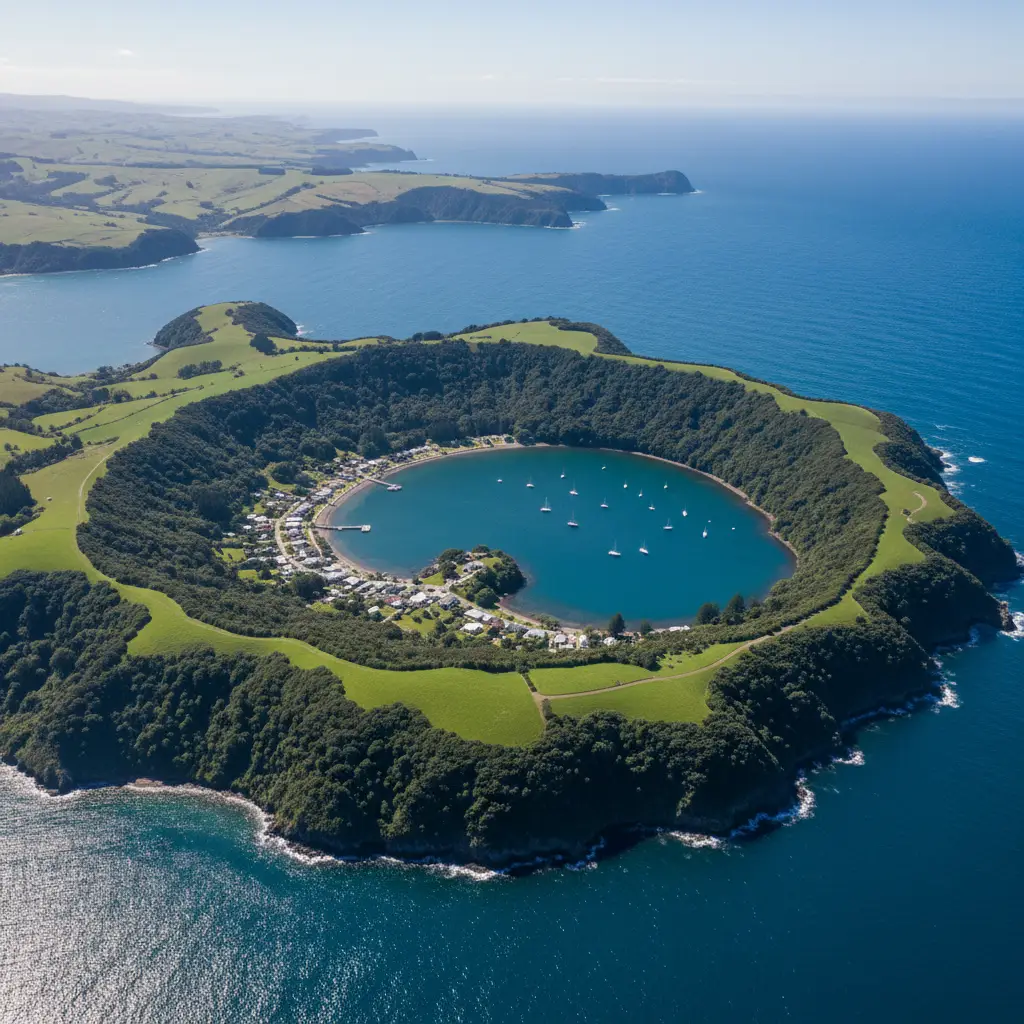
Aerial view of the rugged Poor Knights Islands Marine Reserve
Blue Horizons: Marine Sanctuaries

Poor Knights Islands

The Poor Knights Islands Marine Reserve is a world-renowned protected marine area located 23 kilometers off New Zealand’s Tutukaka Coast. Established to preserve unique subtropical biodiversity created by the East Auckland Current, it offers premier diving and snorkeling experiences featuring massive sea caves, including Riko Riko, and thriving ecosystems where landing on the islands is

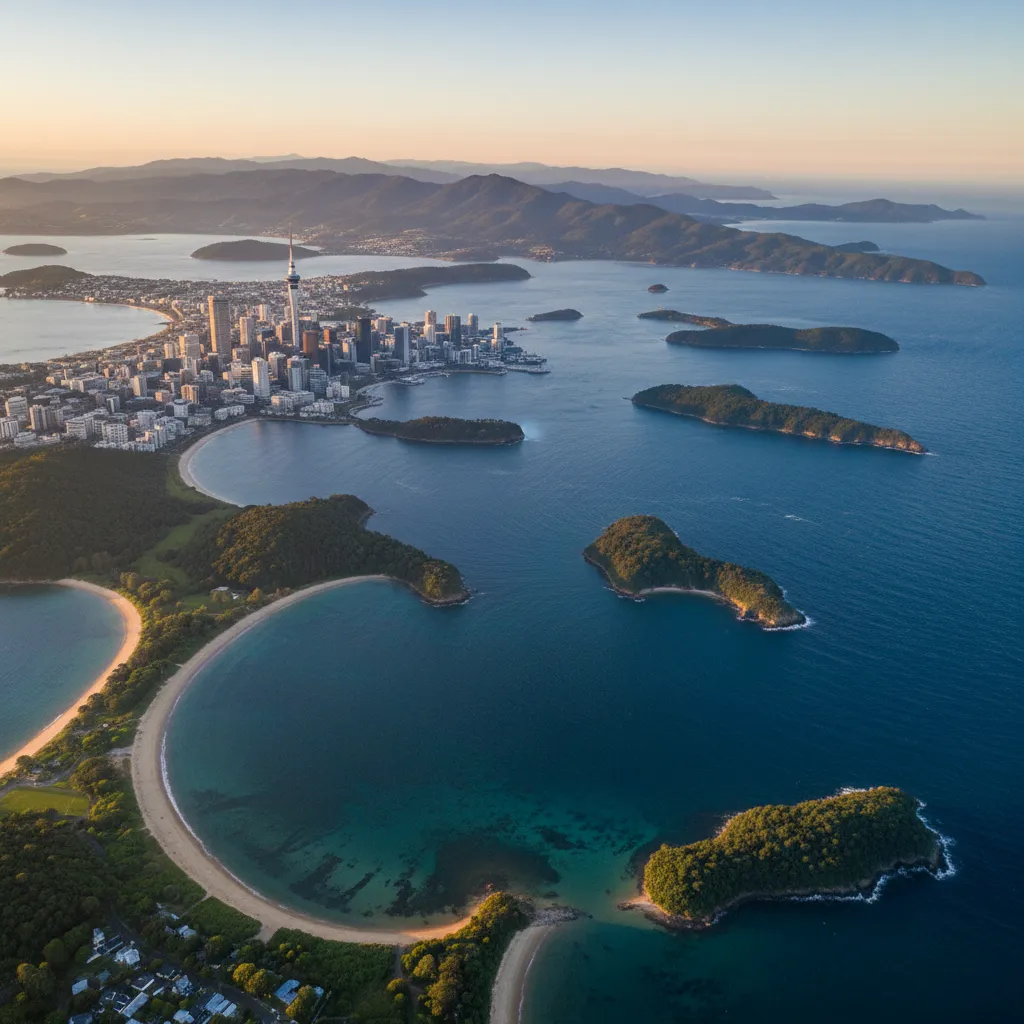
Aerial view of the Hauraki Gulf Marine Park showing islands and coastline
Blue Horizons: Marine Sanctuaries

Hauraki Gulf Marine Park

The Hauraki Gulf Marine Park is New Zealand’s first national park of the sea, encompassing 1.2 million hectares of ocean, islands, and catchments surrounding Auckland and the Coromandel Peninsula. Established in 2000, it protects a unique ecosystem rich in biodiversity, including rare seabirds and resident marine mammals, balancing conservation with recreational and economic activities. Table

Scroll to Top