The best red light headtorch for astronomy in New Zealand prioritizes direct-access red mode to preserve dark adaptation (scotopic vision) and offers dimmable brightness below 5 lumens. Top recommendations for NZ conditions include the Black Diamond Spot 400-R for its waterproof durability and the Petzl Actik Core for its rechargeable cold-weather performance.
New Zealand is home to some of the darkest skies on the planet. From the Aoraki Mackenzie International Dark Sky Reserve to the sanctuary of Great Barrier Island, the opportunities for astrotourism are world-class. However, enjoying these celestial sights requires specialized gear. A standard hiking headlamp can ruin your night vision—and the experience of those around you—in a fraction of a second. This guide explores the specific requirements for astronomy headlamps in the rugged NZ environment, comparing the market leaders to help you choose the right tool for the job.
Why Red Light Matters for Stargazing
To understand why a specific spectrum of light is required for astronomy, one must understand human physiology. The human eye uses two types of photoreceptors: cones (for color and detail in bright light) and rods (for low light and motion). When you step into the darkness of the Tekapo countryside, your eyes begin a chemical process to activate the rods, primarily through the regeneration of a photopigment called rhodopsin.
This process, known as dark adaptation, takes anywhere from 20 to 45 minutes to reach peak sensitivity. Once adapted, your eyes can detect faint nebulae and the intricate dust lanes of the Milky Way that are invisible to the unadapted eye.
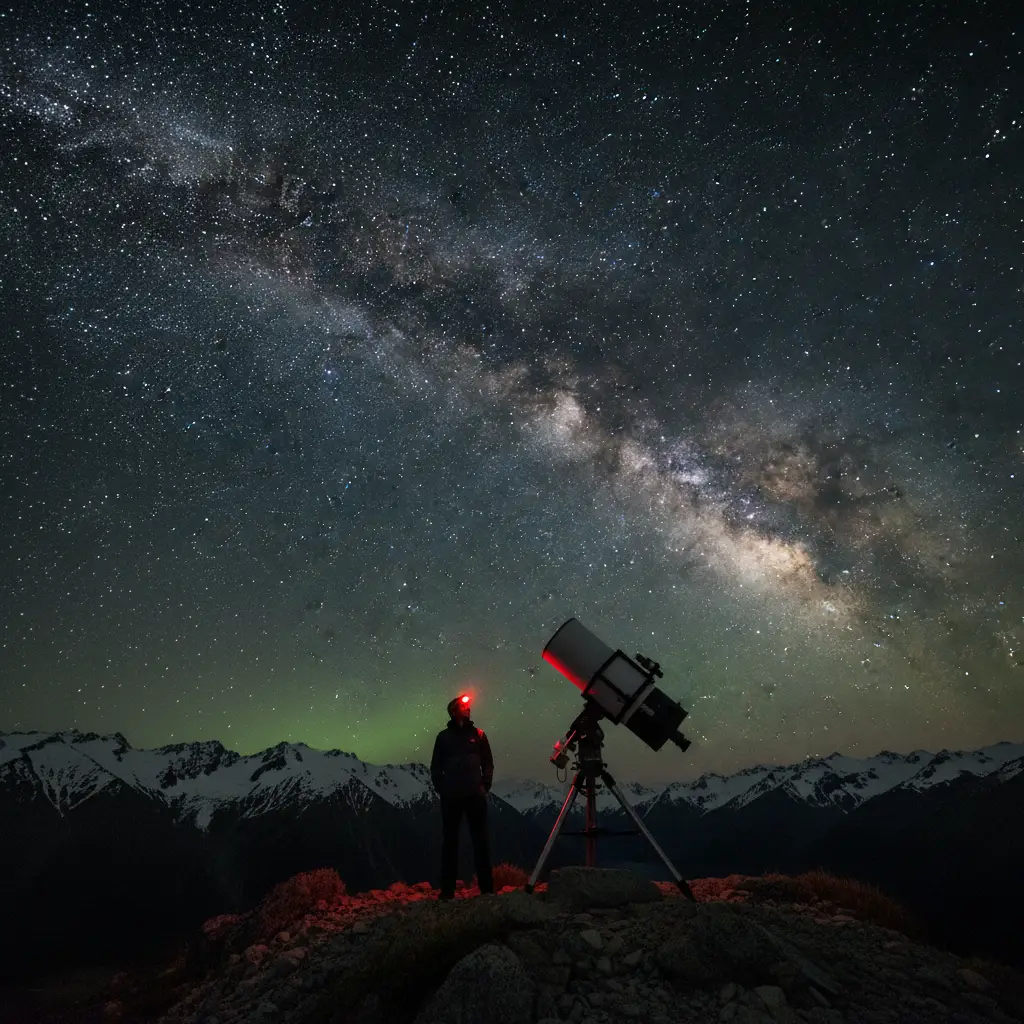
The Physics of Wavelengths
White light, particularly the blue-rich light emitted by standard LEDs, instantly bleaches rhodopsin, resetting your dark adaptation clock to zero. Red light, specifically wavelengths above 600 nanometers, has the least effect on rhodopsin. By using a deep red light, you can read star charts, adjust telescope knobs, or navigate rocky terrain without sacrificing your night vision.
However, not all red lights are created equal. Many cheaper headlamps use an orange-red filter that still bleaches vision. The best red light headtorch for astronomy utilizes dedicated red LEDs calibrated to the correct wavelength.
Critical Features: Lumens, Battery, and IPX Ratings
When selecting gear for the New Zealand outdoors, durability is just as important as optical performance. The environment can change rapidly from a calm, starry night to a damp, cold southerly wind.
Lumens and Dimmability
In the world of hiking headlamps, more lumens are usually better. In astronomy, the opposite is true. You need a headlamp that can go low. A red light that is too bright can still impact your vision and cause glare on eyepieces.
- Ideal Output: Look for a red mode that can dim down to 1-2 lumens.
- Dimmability: Stepless dimming (holding a button to fade) is superior to pre-set brightness levels, allowing you to dial in the exact amount of light needed to read a planisphere without blinding yourself.
Battery Life in Cold Conditions
New Zealand’s best stargazing often happens in alpine environments where temperatures drop below freezing. Cold weather significantly degrades battery performance, particularly alkaline batteries.
- Lithium-Ion: Rechargeable packs (like Petzl’s Core or Black Diamond’s internal batteries) generally perform better in the cold than standard AA/AAA alkalines.
- Dual-Fuel: The most versatile headlamps offer “dual-fuel” capability—running on a rechargeable block but accepting standard batteries as a backup. This is crucial for multi-day trips in remote areas like Stewart Island.
IPX Ratings
Dew is a constant companion for NZ astronomers. Your equipment will get wet. Ensure your headlamp has an IPX4 rating (splash resistant) at a minimum. IP67 (submersible) is preferred for rugged independent travel where the device might be dropped in wet grass or mud.
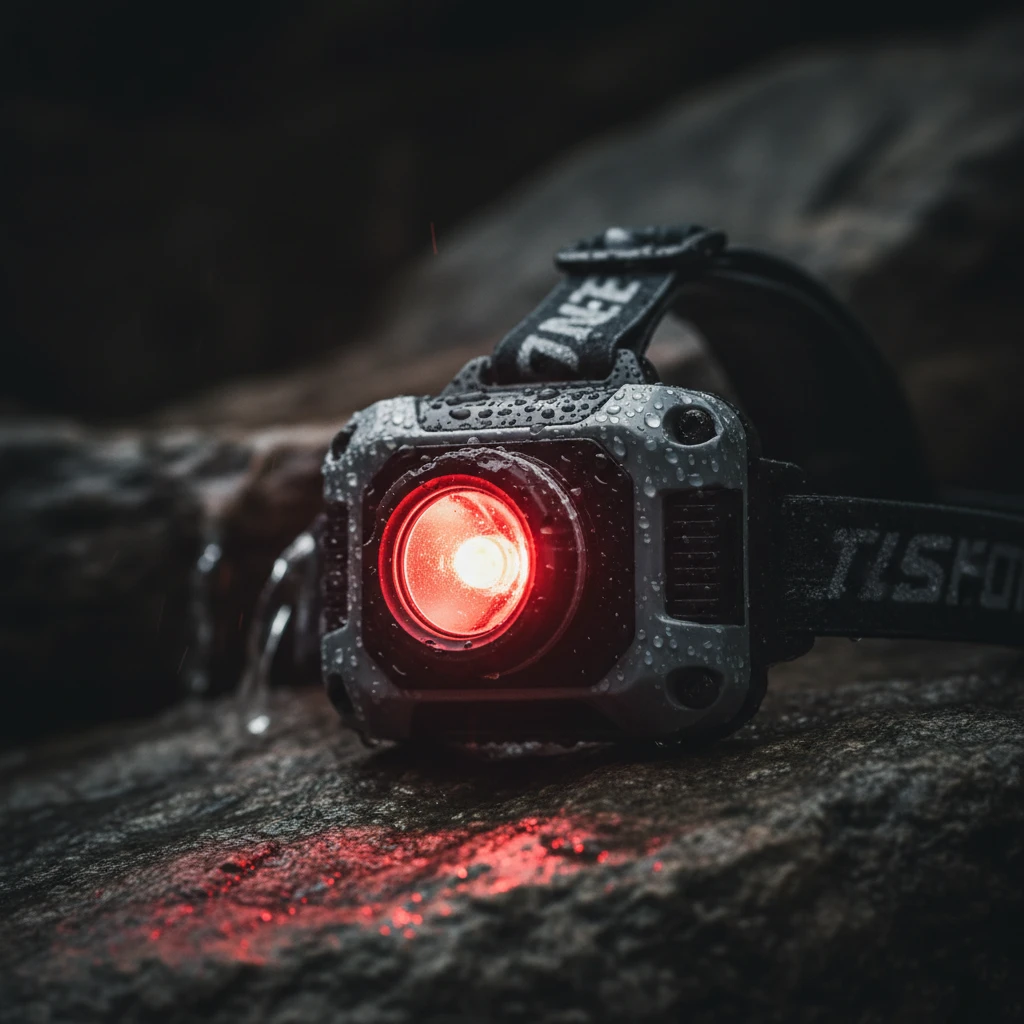
Top Contenders: Petzl vs. Black Diamond
The New Zealand market is dominated by two main giants in the headlamp space: Petzl and Black Diamond. Both brands offer high-quality optics, but their approach to the user interface—critical for astronomy—differs.
The “Direct to Red” Requirement
The single most important feature for an astronomer is Direct Access to Red. This means you can turn the headlamp on directly in red mode without cycling through white light first. If a headlamp flashes white for even a split second before turning red, it is disqualified for serious astronomy use.
Both the modern Petzl Actik/Tikka lines and the Black Diamond Spot/Cosmo lines offer this feature, but the button press combinations vary. Black Diamond typically uses a long press to switch modes while off, whereas Petzl often remembers the last used mode.
Detailed Model Reviews
1. Black Diamond Spot 400 (Best Overall)
The Black Diamond Spot 400 is widely considered the gold standard for outdoor versatility in New Zealand. For astronomers, it checks every box.
Pros:
- PowerTap Technology: Allows instant transition between full and dimmed power (though usually used for white, it’s a handy interface feature).
- IPX8 Waterproof: It can handle being dropped in a puddle or heavy dew.
- Memory Mode: If you turn it off in red mode, it turns back on in red mode.
- Optical Quality: The lens diffuses the red light evenly, preventing hot spots which are distracting when reading charts.
Cons:
- The interface can be complex to master with cold fingers.
2. Petzl Actik Core (Best Rechargeable)
Petzl’s hybrid concept is brilliant for travelers. The Actik Core comes with a high-capacity rechargeable battery but can take 3 AAA batteries if you run out of juice in the field.
Pros:
- Easy Operation: Large single button is easy to use with gloves.
- Hybrid Concept: Flexibility for remote NZ travel.
- Red Strobe: Useful for emergency signaling if your stargazing trip goes wrong.
Cons:
- Only IPX4 rated (weather resistant, not waterproof).
- The red light is slightly brighter at its lowest setting compared to the Black Diamond, which some deep-sky observers might find too intense.
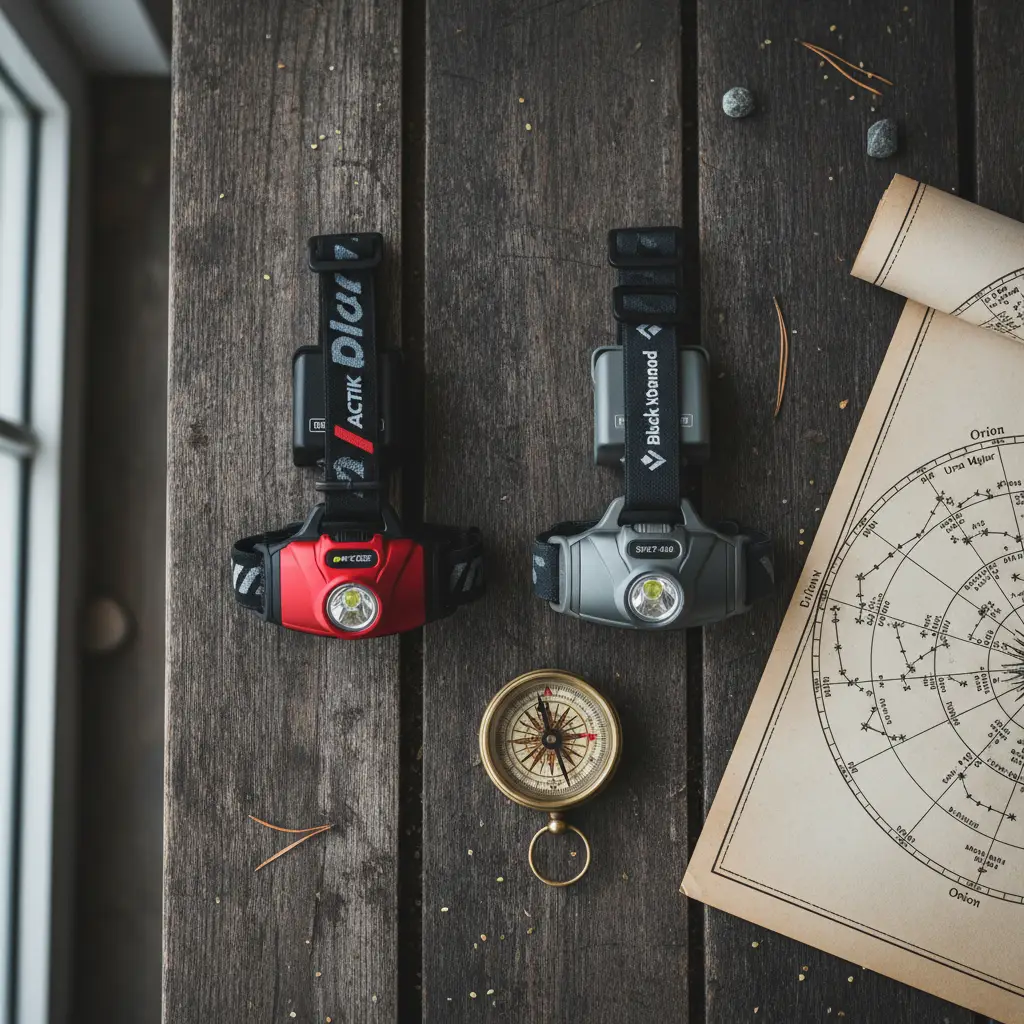
3. Black Diamond Cosmo 350 (Best Value)
If you don’t need the extreme brightness of the Spot for hiking out, the Cosmo is a lighter, cheaper alternative that retains the crucial red-light features.
Why it works for Astronomy: It features the same red-light dimming capabilities and memory mode as its big brother, the Spot, but in a more compact housing. It is perfect for keeping in your telescope accessory case.
Budget and Specialized Alternatives
Not everyone needs a $100+ headlamp. If you are casually stargazing or outfitting the whole family for a trip to the Mt John Observatory, budget options exist.
Celestron Night Vision Flashlight
While not a headlamp, the Celestron Night Vision Flashlight is a purpose-built tool for astronomers. It uses two red LEDs and a thumbwheel to adjust brightness. It is often sold in NZ telescope specialty shops. The downside is it occupies a hand, making telescope setup harder.
Generic Outdoor Store Options
Retailers like Macpac, Kathmandu, and Torpedo7 sell entry-level headlamps (often rebranded generic models). When buying these for astronomy, test them in the store. Ensure that:
- You can turn on the red light without seeing white first.
- The red light is not blindingly bright.
Stargazing Etiquette in NZ Dark Sky Reserves
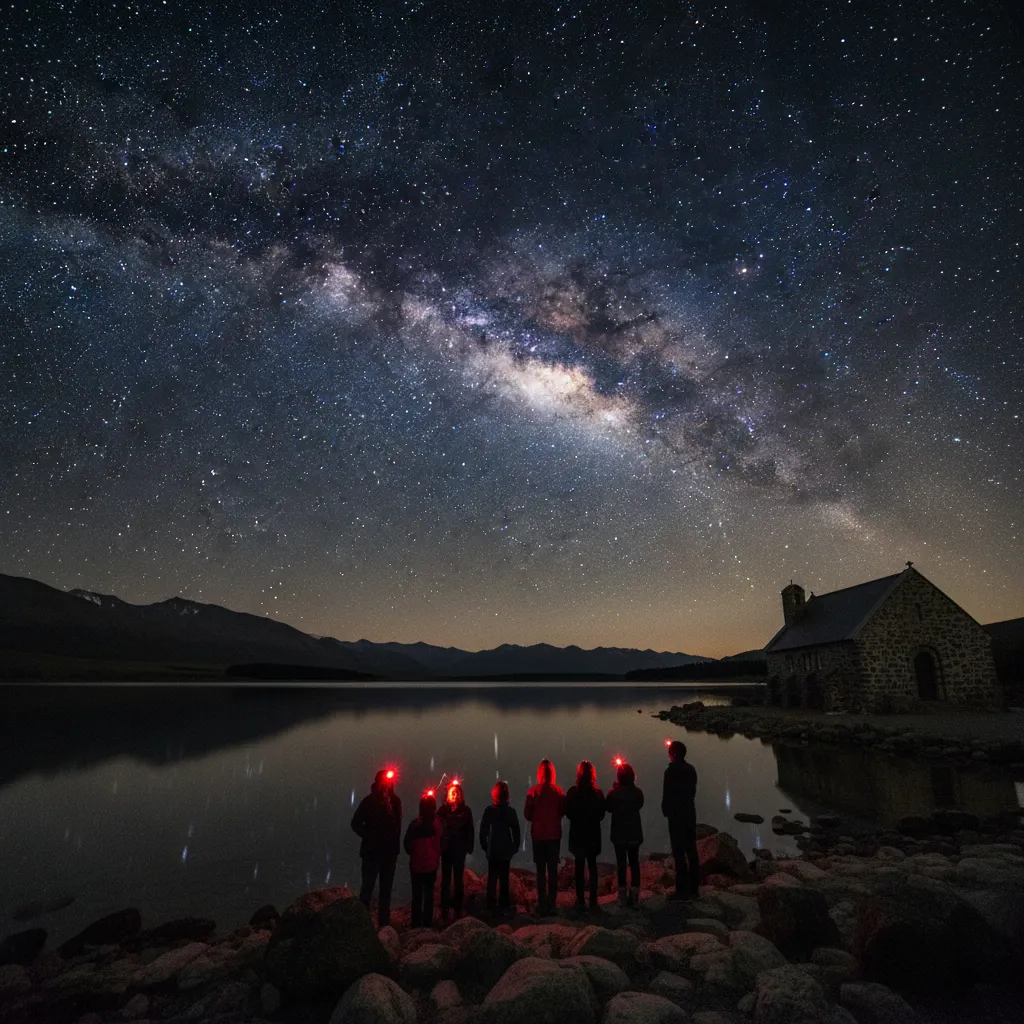
New Zealand is a leader in dark sky preservation. When visiting areas like Tekapo, Aoraki, or Great Barrier Island, using the best red light headtorch for astronomy is not just about your vision—it is about respect.
Light pollution is strictly controlled in these zones. Using a high-beam white LED can disrupt long-exposure astrophotography being conducted by others nearby and disturbs the nocturnal wildlife, such as the Kiwi, which are active in these dark environments.
A Note on Comfort
Remember, astronomy is a sedentary activity. Standing still at 2:00 AM in the Mackenzie Basin is significantly colder than hiking. While your headlamp handles the vision, ensure you are wearing merino base layers and a down jacket. A headlamp with an adjustable strap is also vital to fit over thick beanies.
People Also Ask
Why is red light better than green light for astronomy?
Red light has a longer wavelength (600nm+) and low energy, which triggers the rods in your eyes significantly less than green light. While green light provides better visual acuity for hunting or hiking, it degrades the chemical rhodopsin faster than red light, reducing your ability to see faint stars.
How many lumens should a red light be for stargazing?
For astronomy, less is more. Ideally, your red light should be adjustable between 1 and 5 lumens. This is sufficient to read star charts or check equipment without causing glare or affecting your dark adaptation.
Can I just use a red light app on my phone?
Generally, no. Even with a red screen mode, phone screens emit backlight bleed and are often too bright. Furthermore, LCD screens do not emit pure red wavelengths; they still contain broad-spectrum light that can affect night vision. A dedicated red LED is superior.
Where can I buy astronomy headlamps in New Zealand?
The models mentioned (Petzl and Black Diamond) are widely available at outdoor retailers like Bivouac Outdoor, Macpac, and Torpedo7. Specialized astronomy gear can be found at telescope retailers such as Jacobs Digital or Astronz.
Is a rechargeable headlamp better for cold NZ nights?
Lithium-ion rechargeable batteries perform better in freezing conditions than alkaline batteries, which lose voltage rapidly in the cold. However, for extended trips without power, carrying spare lithium batteries or a battery bank is recommended.
What is the best budget headlamp for astronomy?
The Black Diamond Astro or Cosmo series offer excellent value. Alternatively, simple clip-on red LED reading lights can serve as a very cheap alternative, though they lack the durability and weatherproofing of a proper headlamp.