The Aoraki Mackenzie International Dark Sky Reserve is a 4,367 square kilometer area in New Zealand’s South Island, centered on the Dark Sky Reserve Tekapo location and Aoraki/Mt Cook National Park. As the world’s largest Gold Tier reserve, it enforces strict light pollution controls to maintain pristine night skies, offering some of the clearest stargazing conditions globally.
For travelers seeking a connection with the cosmos, few places on Earth rival the ethereal beauty of the Mackenzie Basin. Situated in the heart of the South Island, the Aoraki Mackenzie International Dark Sky Reserve represents the pinnacle of astro-tourism and environmental conservation (much like the restoration work described in our Zealandia Ecosanctuary Guide). While the reserve covers a vast area, the Dark Sky Reserve Tekapo location serves as the primary hub for commercial tours, scientific research, and world-class astrophotography.
Whether you are a professional astronomer looking to utilize the powerful optics at Mt John Observatory or a casual traveler hoping to glimpse the Aurora Australis, understanding the logistics of this location is essential. This guide covers everything from booking the best tours to finding accommodation designed specifically for stargazing.
What Makes the Dark Sky Reserve Tekapo Location Unique?
The Aoraki Mackenzie International Dark Sky Reserve was established in 2012, recognizing the region’s exceptional quality of starry nights and nocturnal environment. The Dark Sky Reserve Tekapo location is unique because it combines high-altitude geography with strict municipal lighting ordinances. The Mackenzie District Council has implemented rigorous controls on outdoor lighting to minimize light spill, ensuring that the Bortle Scale rating remains incredibly low (often Class 1 or 2).
Geographically, the basin is shielded by the Southern Alps to the west, which blocks much of the prevailing cloud cover coming off the Tasman Sea. This rain shadow effect results in a high number of clear nights per year compared to the rest of New Zealand. For visitors, this translates to a higher probability of successful stargazing sessions.
Can You See the Southern Lights Here?
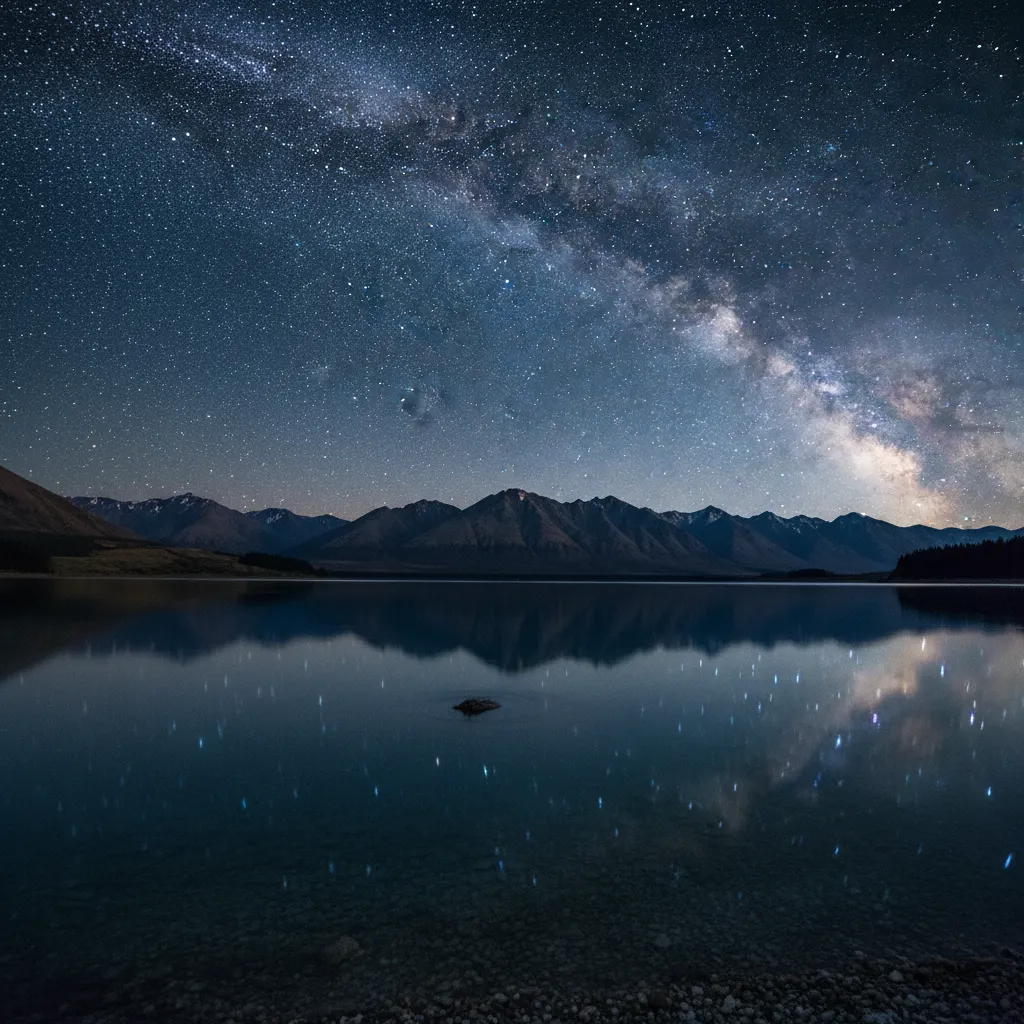
Yes, the Aurora Australis is visible from the reserve. Because the Tekapo location offers an unobstructed view to the south and suffers from zero light pollution, it is one of the premier locations in the world to witness this phenomenon. Solar activity dictates the visibility, but the dark skies here maximize the vibrancy of the colors when the aurora is active.
Experience the Cosmos: Mt John Observatory Tours
The crown jewel of the reserve’s commercial offerings is the University of Canterbury Mt John Observatory. Rising high above the township, this facility is the southernmost optical observatory in the world. While it is a working research center, it has partnered with Dark Sky Project to offer exclusive commercial tours.
What is the Summit Experience?
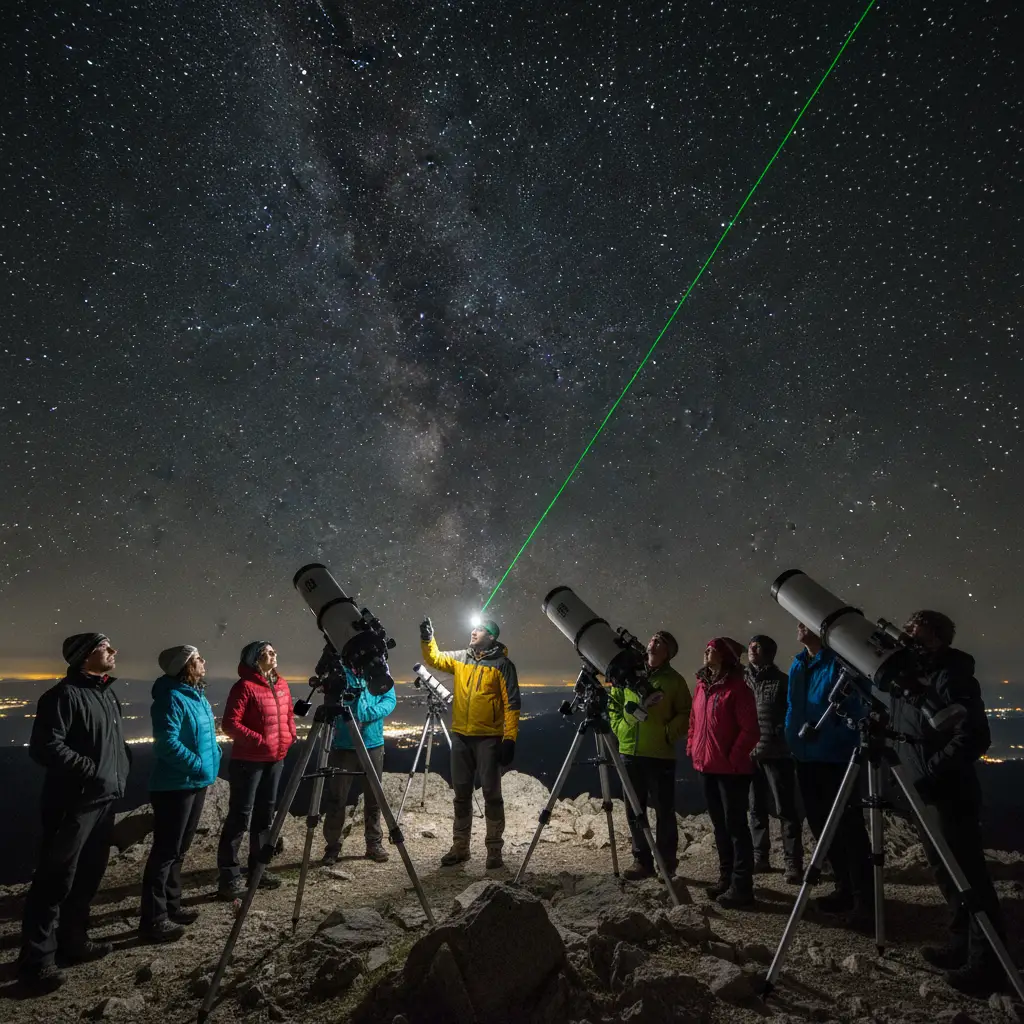
The Summit Experience is the premier tour offered at the observatory. Visitors are transported by bus to the top of Mt John, where light pollution is virtually non-existent. The altitude (1,029 meters) places viewers above low-lying atmospheric haze. Guides use high-powered lasers to point out constellations like the Southern Cross (Crux), the Magellanic Clouds (dwarf galaxies orbiting the Milky Way), and Alpha Centauri.
What Equipment Will You Use?
Commercial tours provide access to impressive hardware that is generally inaccessible to the public. This typically includes:
- 16-inch Meade LX200 Telescopes: These are powerful catadioptric telescopes capable of resolving globular clusters like Omega Centauri into thousands of individual stars.
- Solar Telescopes (Daytime): For those visiting during the day, specialized H-alpha filters allow for safe viewing of solar flares and sunspots.
- 9.25-inch Celestron Refractors: Excellent for planetary viewing, showing the rings of Saturn or the bands of Jupiter with crisp clarity.
Iconic Photography: Church of the Good Shepherd
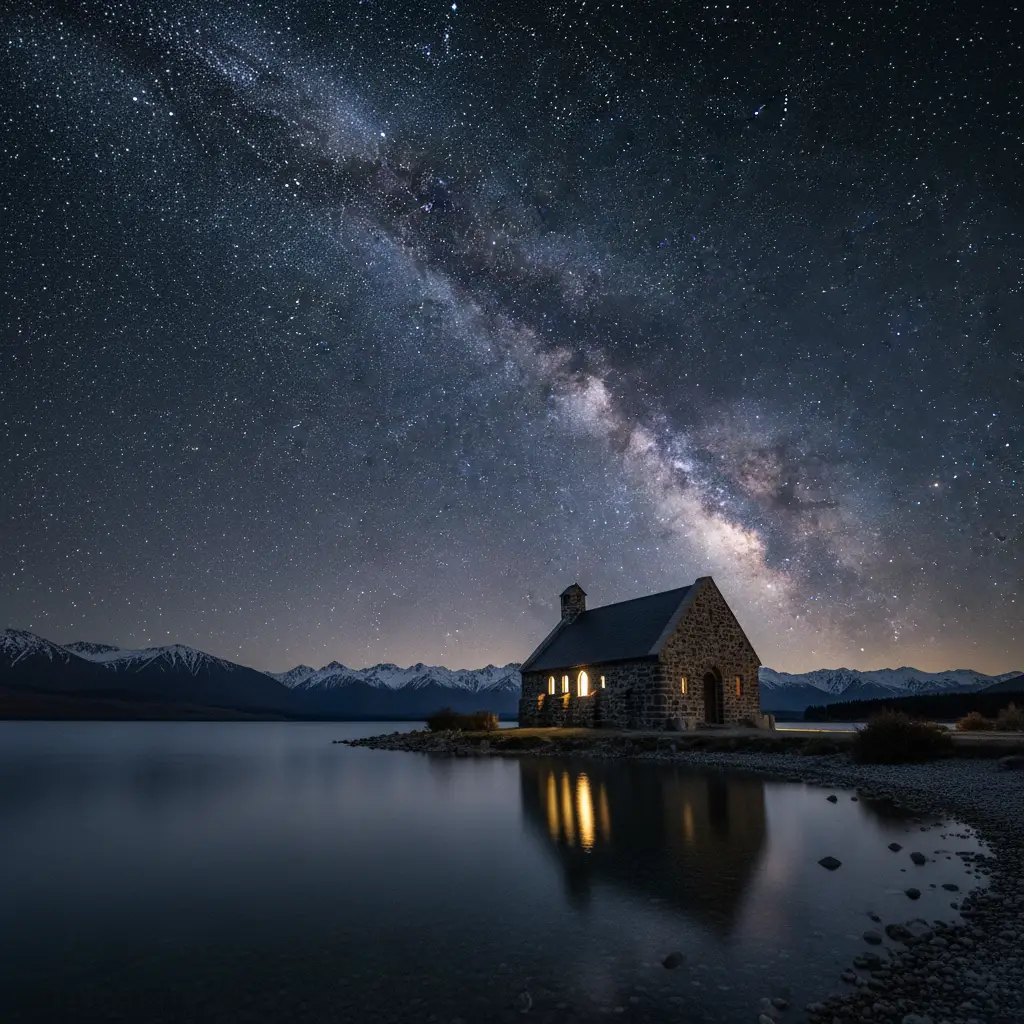
If you have searched for the “Dark Sky Reserve Tekapo location,” you have undoubtedly seen images of a small stone church set against a backdrop of stars. The Church of the Good Shepherd is perhaps the most photographed structure in New Zealand at night. It is located directly on the foreshore of Lake Tekapo.
How to Photograph the Church at Night?
To capture professional-grade images here, you need to manage technical settings, crowds, and specific Gear & Photography for NZ Skies.
- Gear: A full-frame camera and a wide-angle lens (14mm to 24mm) with a fast aperture (f/2.8 or lower) are essential. A sturdy tripod is non-negotiable.
- Settings: Start with an ISO of 3200 to 6400, an aperture of f/2.8, and a shutter speed of 20-25 seconds. Exposing longer than 25 seconds will result in star trails due to the earth’s rotation (unless that is your artistic intent).
- Timing: The best time for the Milky Way core is winter (June to August) when the galactic center is visible for longer periods. However, be prepared for sub-zero temperatures.
What are the Rules and Etiquette?
This is a place of worship and a highly popular tourist spot. During peak hours (sunset to 2 AM), the area can be crowded.
Do not use flashlights or car headlights to “light paint” the church while others are shooting. This ruins long-exposure shots for everyone else. Use a red-light headlamp to navigate to your spot to preserve your night vision and that of fellow photographers.
Tekapo vs Twizel: Choosing Your Viewing Spot
The Aoraki Mackenzie International Dark Sky Reserve encompasses both Lake Tekapo and the town of Twizel. Visitors often debate which location serves as a better base for their astro-tourism holiday.
Why Choose Tekapo?
Lake Tekapo is the heart of the reserve’s tourism. It offers the closest proximity to Mt John Observatory and the Church of the Good Shepherd. The infrastructure here is built entirely around the dark sky economy. You will find more dining options and the famous Tekapo Springs, which offers “star grazing”—floating in hot pools while looking at the sky.
Why Choose Twizel?
Twizel is located about 45 minutes south of Tekapo. It is generally quieter and offers a flatter landscape, which can provide wider horizon lines for astrophotography. Twizel is closer to Aoraki/Mt Cook village. Accommodation in Twizel can sometimes be more affordable, and light pollution is even lower in the outskirts because the town is less condensed than Tekapo.
Verdict: Choose Tekapo for the “full package” commercial experience including observatories and hot pools. Choose Twizel for a quieter, more independent photography experience or if you plan to hike near Mt Cook during the day.
Accommodation with Telescopes and Skylights
To fully capitalize on the Dark Sky Reserve Tekapo location, many visitors opt for accommodation that integrates the night sky into the room design. The commercial sector has responded to this demand with high-end eco-lodges and glass-roofed cabins.
Which Lodges Offer Private Stargazing?
Lakestone Lodge: Situated on the shores of Lake Pukaki (near Tekapo), this off-grid eco-lodge is designed to maximize views. They offer a “Night Sky Experience” exclusively for guests, utilizing the lodge’s own telescope in a private setting, away from the crowds of Mt John.
The Cairns Alpine Resort: Located in Tekapo, this resort offers refurbished shearers’ quarters and modern lodges. They are known for their proximity to the golf course, which is a popular dark spot for casual viewing.
Are There Glass-Roofed Accommodations?
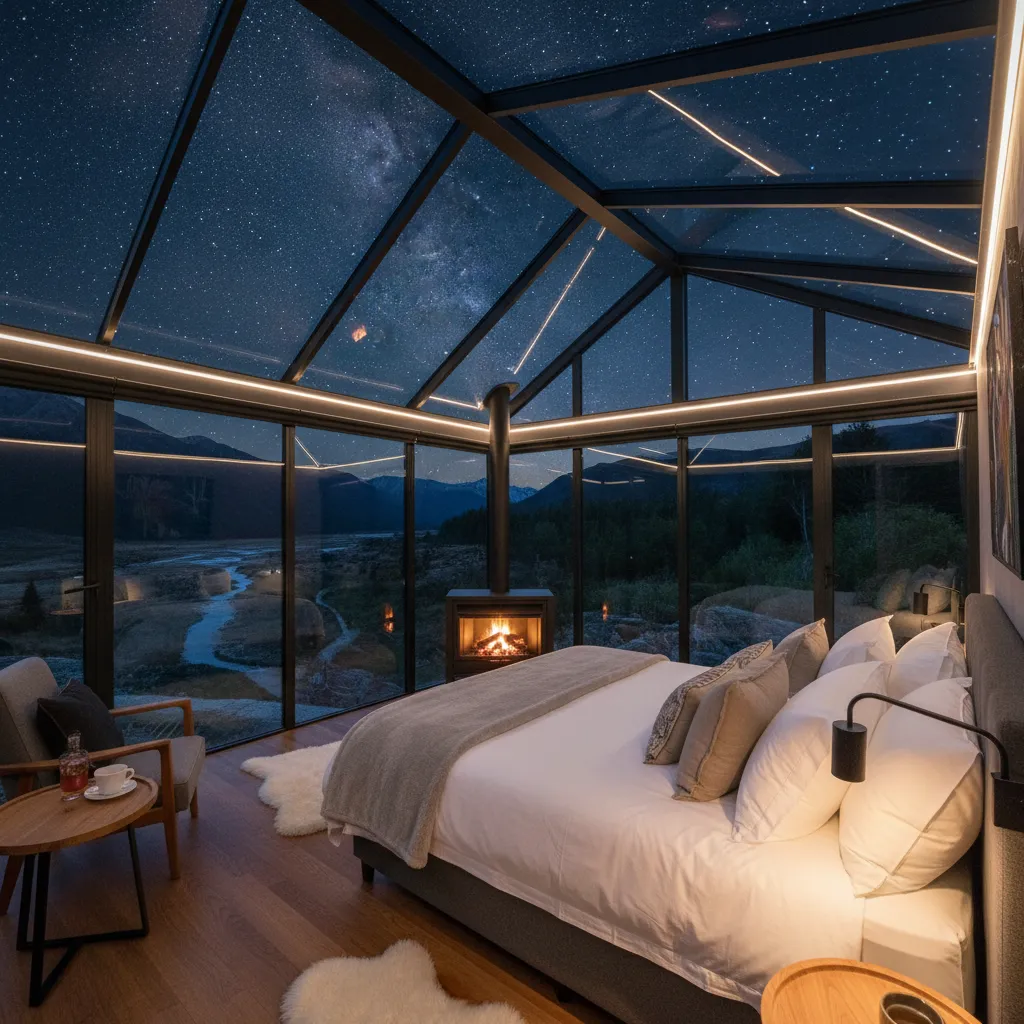
Yes. SkyScape is a world-renowned luxury accommodation option near Twizel. The units are built primarily of glass, allowing you to sleep directly under the stars while remaining in a climate-controlled environment. This is the ultimate “Position 0” experience for honeymooners or luxury travelers. Due to high demand, booking 6-12 months in advance is recommended.
Best Time to Visit the Reserve
The “best” time depends on your goals: seeing the Milky Way core, seeing the Aurora, or avoiding the cold.
- Winter (May – August): This is the prime season for hardcore astronomy. The nights are longest (up to 12 hours of darkness), the air is crispest (reducing atmospheric distortion), and the galactic core of the Milky Way is most visible. However, temperatures can drop to -5°C or lower.
- Summer (December – February): The weather is pleasant, but the nights are short. Darkness may not fully fall until 11:00 PM. This is better for casual families who do not want to endure freezing temperatures.
- Shoulder Season (March/April & September/October): A balance of reasonable temperatures and decent night length. The equinoxes are also statistically good times for Aurora activity.
Conservation and Eco-Tourism Impact
Visiting the Aoraki Mackenzie International Dark Sky Reserve is an act of supporting conservation. A portion of the fees from commercial tours often goes back into maintaining the reserve’s status. This involves upgrading streetlights to amber LEDs that do not scatter blue light (which affects wildlife—ranging from alpine birds to Chatham Islands Endemics in other regions—and astronomy) and educating the public on the importance of the night sky.
By choosing eco-certified operators in the Tekapo location, you are voting with your wallet for the preservation of natural darkness—a resource that is rapidly disappearing across the globe.
People Also Ask
Is the Dark Sky Reserve in Tekapo free to enter?
Yes, the reserve itself is a geographic area that is free to enter. You can stand on the lakeshore or anywhere in the township and look up for free. However, accessing specific locations like the Mt John Observatory summit at night requires a paid tour booking, and there is a road toll for driving up Mt John during the day.
Do I need to book a tour to see the stars in Tekapo?
No, you do not need a tour to see the stars; the sky is visible from everywhere in the reserve. However, booking a tour provides access to large telescopes, expert guides who can explain what you are seeing, and transport to high-altitude locations that are otherwise inaccessible at night.
What is the best month for stargazing in Tekapo?
June and July (New Zealand winter) are widely considered the best months for stargazing. These months offer the longest nights and the clearest air. They are also the best time to photograph the core of the Milky Way galaxy.
How far is the Dark Sky Reserve from Queenstown?
Lake Tekapo is approximately a 3-hour drive (256 km) north of Queenstown via State Highway 8. It is a scenic drive that passes through the Lindis Pass. Many travelers include Tekapo as a stopover between Christchurch and Queenstown.
Can I drive up Mt John at night?
No, the road to Mt John Observatory is closed to private vehicles at night to prevent headlight interference with the telescopes and for safety reasons. You must be on an official Dark Sky Project tour to access the summit after dark.
What should I wear for a stargazing tour?
Even in summer, alpine environments get cold at night. In winter, it is essential to wear thermal base layers, a heavy down jacket, a beanie, gloves, and warm socks. Many tour operators provide heavy rental jackets, but you should come prepared with your own warm layers.