Ethical wildlife photography is the practice of capturing images of animals in their natural environment while prioritizing the welfare of the subject and the preservation of their habitat above the image itself. It requires minimizing human impact, avoiding the disruption of natural behaviors, and adhering to conservation guidelines to ensure wildlife remains wild and undisturbed.
The Dangers of Baiting and Playback Calls
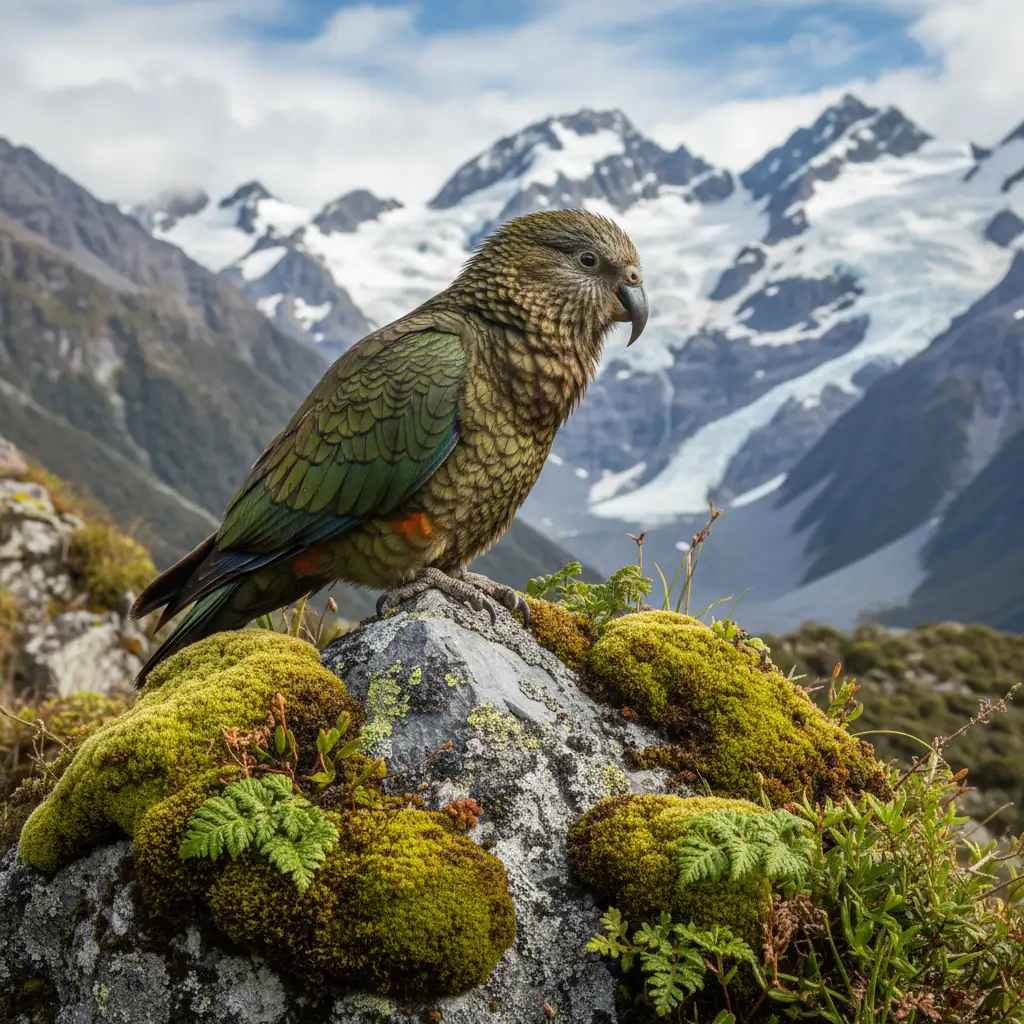
In the competitive world of wildlife photography, the temptation to lure an animal closer for that perfect, high-detail shot can be immense. However, in the context of New Zealand’s unique biodiversity, baiting (using food) or calling (using recorded bird songs) is strictly discouraged and often illegal in protected areas. New Zealand’s endemic species, such as the inquisitive Kea or the melodious Tui, are particularly susceptible to human interference.
Why Food Baiting is Harmful
Feeding wildlife to attract them for a photo creates a dangerous cycle of habituation. When animals associate humans with food, they lose their natural fear of people. For the Kea, the world’s only alpine parrot, this habituation often leads to “scrounging” behavior, where they ingest toxic human foods or congregate near roads, significantly increasing the risk of being struck by vehicles. Furthermore, human food lacks the necessary nutrients for wild animals, leading to poor health and reproductive failure.
The Hidden Stress of Playback Calls
Using recorded bird calls to draw out elusive species like the South Island Robin or the Fernbird is another common but unethical tactic. Birds use song to defend territory and attract mates. When a photographer plays a recording, the resident bird perceives a rival intruder. This causes the bird to stop foraging, nesting, or resting to defend its territory against a ghost opponent. Repeated exposure to these recordings can cause chronic stress, leading to territory abandonment or physical exhaustion during critical breeding seasons.
Maintaining Distance: The Power of Telephoto Lenses
The golden rule of ethical wildlife photography is: if the animal changes its behavior because of your presence, you are too close. In New Zealand, where many species are flightless or have evolved without mammalian predators, animals may not always show obvious signs of fear, but their internal stress levels (heart rate and cortisol) can skyrocket.
Choosing the Right Equipment
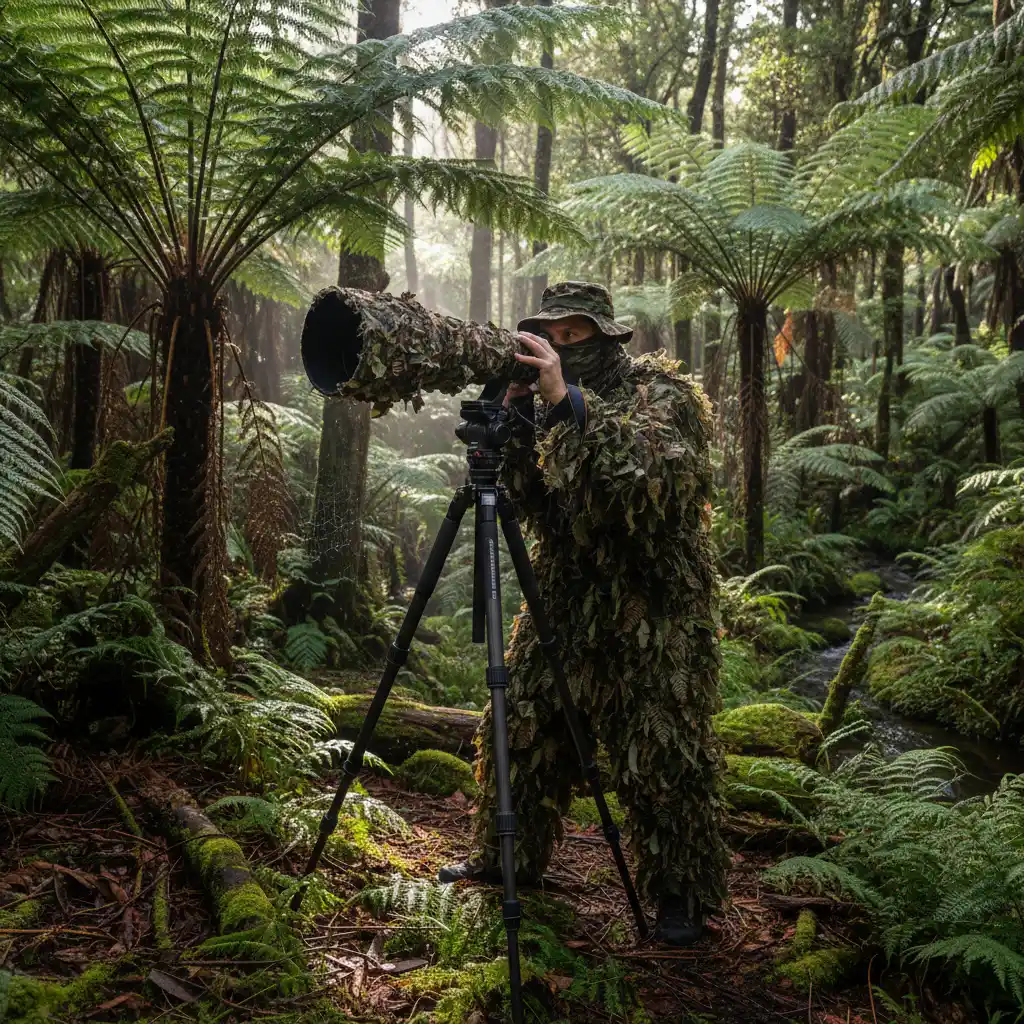
To capture stunning images without encroaching on an animal’s personal space, a long telephoto lens is an essential tool. For most birdlife and marine mammals in New Zealand, a focal length of at least 400mm (full-frame equivalent) is recommended. This allows the photographer to fill the frame while remaining at a distance that respects the animal’s comfort zone. Using “crop sensor” cameras or teleconverters can further extend your reach without physical movement.
Recognizing Stress Signals
Ethical photographers must become students of animal behavior. In New Zealand’s eco-tourism hubs, such as the Otago Peninsula, observing Yellow-eyed Penguins (Hoiho) requires extreme caution. Signs of stress in penguins include freezing, “head-flagging,” or a sudden change in direction. If a penguin is heading toward the shore and sees a human, it may return to the sea, preventing it from feeding its chicks. By staying back and using a zoom lens, you ensure the survival of the next generation.
Protecting Vulnerable Nesting and Breeding Sites
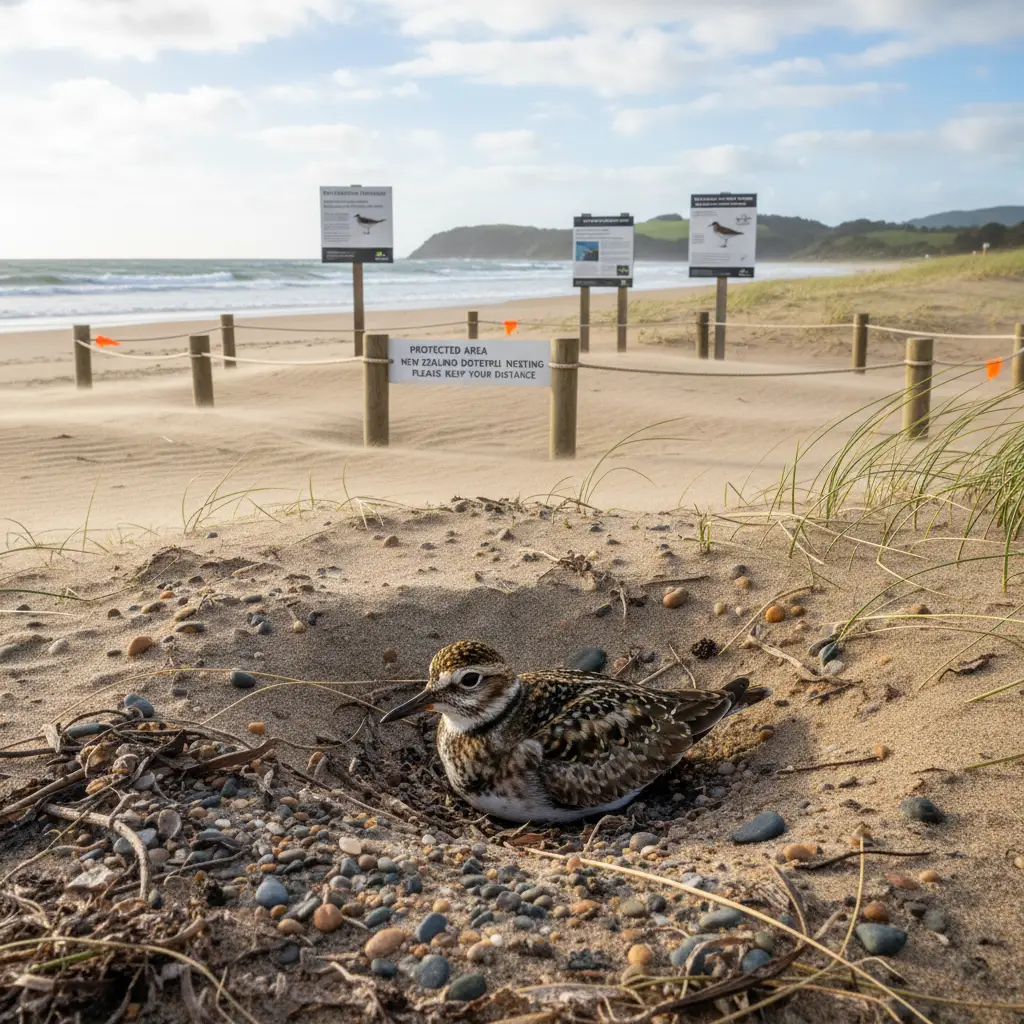
Nesting sites are the most sensitive areas for any wildlife species. In New Zealand, many shorebirds like the New Zealand Dotterel (Tuturiwhatu) nest directly on the sand, where their eggs are perfectly camouflaged and incredibly easy to crush. Approaching these areas for a photo can have catastrophic consequences.
The Risk of Nest Abandonment
When a photographer gets too close to a nest, the parents may flee. This leaves the eggs or chicks vulnerable to predators like black-backed gulls or heat exhaustion from the sun. Even if the parents return, the disruption can lead to nest abandonment. Ethical wildlife photography tips always prioritize the safety of the nest over the shot. It is often best to avoid nesting areas entirely during the peak breeding season (typically spring and summer in NZ).
Using Blinds and Natural Concealment
If you must photograph near a sensitive area, the use of a temporary blind or hiding behind natural features like fallen logs or rock outcrops can minimize your visual profile. However, this should only be done if it does not require disturbing the vegetation or altering the habitat. In New Zealand, many conservation tracks have built-in bird hides (blinds) that allow for spectacular viewing without the birds ever knowing you are there.
Digital Conservation: The Risks of Geotagging
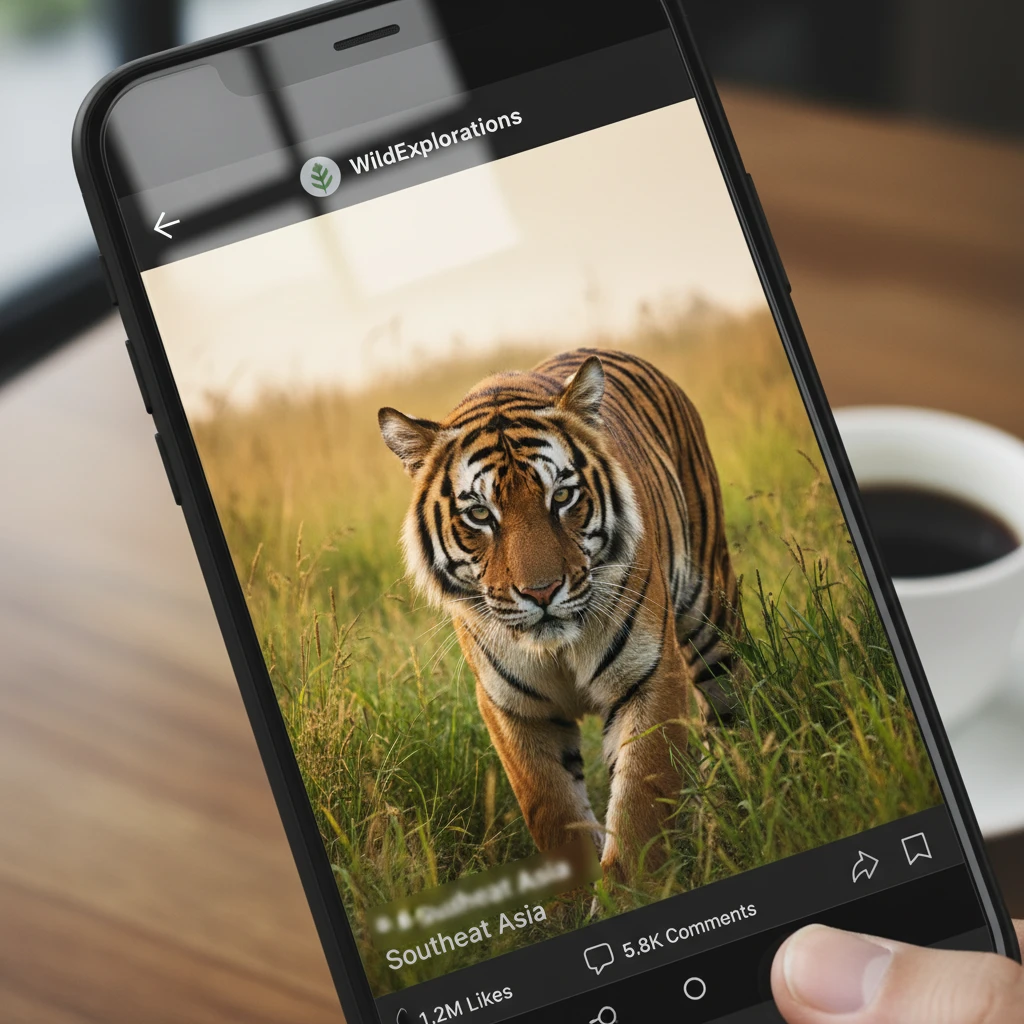
In the age of social media, a single viral photo can lead to an influx of visitors to a previously quiet location. For rare and endangered species, this “Instagram effect” can be deadly. Geotagging—the process of adding geographical identification metadata to your photos—poses a significant risk to New Zealand’s most vulnerable inhabitants.
Protecting Rare Species from Overcrowding
Species like the Takahe or the Okarito Brown Kiwi exist in very specific, often restricted, habitats. If a photographer shares a high-resolution image with precise GPS coordinates, it can invite hundreds of people to the exact spot. This leads to habitat trampling, increased litter, and the potential for disease introduction. For rare species, it is best to use a generic location tag (e.g., “South Island, New Zealand”) rather than a specific GPS point.
The Threat of Poaching and Illegal Collection
While less common in New Zealand than in other parts of the world, poaching and illegal collection of rare plants and reptiles (like the Jewelled Gecko) are real threats. Poachers often use social media and metadata to track down rare specimens. By stripping EXIF data or avoiding specific location mentions, photographers act as a first line of defense in digital conservation.
Respecting the Ecosystem and Local Regulations
Ethical photography extends beyond the animal to the environment it inhabits. In New Zealand, the “Clean, Check, Dry” protocol and Kauri Dieback prevention measures are essential for any photographer entering the bush. Moving between forests can inadvertently spread pathogens that kill ancient trees or invasive weeds that choke out native flora.
The “Leave No Trace” Principle
Photographers should always stay on marked tracks. Venturing off-trail to get a better angle can compact the soil, damage delicate root systems, and destroy the burrows of ground-nesting birds or invertebrates. In the alpine regions, the vegetation grows incredibly slowly; a single footstep can destroy plants that took decades to grow. The goal is to leave the environment exactly as you found it.
Adhering to DOC Regulations
The New Zealand Department of Conservation (DOC) has strict rules regarding wildlife interaction. For example, drones are prohibited in many national parks without a specific permit because the noise and profile of a drone can mimic a bird of prey, causing mass panic among bird colonies. Always check local bylaws and permit requirements before deploying any specialized equipment.
Photography as a Tool for Conservation
When done correctly, wildlife photography is one of the most powerful tools for conservation. It creates an emotional connection between the public and species they may never see in person. An ethical photographer doesn’t just take a photo; they tell a story that promotes protection and respect.
Captioning with Context
Use your platform to educate. Instead of just posting a beautiful photo of a Blue Duck (Whio), include information about the threats they face from stoats and the importance of river conservation. Mention that the photo was taken from a safe distance using a long lens. This sets a standard for others to follow and reinforces the importance of ethical wildlife photography tips.
Supporting Local Conservation Efforts
Many photographers in New Zealand partner with local eco-tourism operators or NGOs like Forest & Bird. By donating images for educational use or contributing a portion of print sales to habitat restoration, you turn your hobby into a tangible benefit for the species you capture. In the end, the best photograph is one that contributes to the survival of the subject.
Is it okay to feed birds for photos in New Zealand?
No, feeding native birds like Kea or Tui is harmful. It leads to habituation, poor nutrition, and increased risks of accidents or predation. Ethical photography requires capturing natural behaviors without the use of food lures.
How far away should I stay from a Yellow-eyed penguin?
The Department of Conservation recommends staying at least 50 meters away from penguins. If the penguin is on a path or appears hesitant to move, you should back away even further to allow them clear access to their destination.
Why is geotagging bad for wildlife?
Geotagging can lead to overcrowding in sensitive habitats and can be used by poachers to locate rare species. Using broad location tags instead of specific GPS coordinates helps protect vulnerable populations.
What lens is best for ethical wildlife photography?
A telephoto lens with a focal length of at least 400mm is ideal. This allows you to capture detailed shots from a distance that does not stress the animal or cause it to change its behavior.
Are bird calls harmful?
Yes, playback calls can be very stressful. They trick birds into thinking a rival is in their territory, causing them to waste energy and time that should be spent on foraging or nesting.
How can I help conservation through photography?
You can use your images to raise awareness, provide photos to conservation groups for educational purposes, and always model ethical behavior in the field to inspire other photographers.