To volunteer at a bird sanctuary in New Zealand, you must typically register with the Department of Conservation (DOC) or apply directly to community-led trusts like Zealandia or Tiritiri Matangi. Opportunities range from one-off tree planting days to long-term trap line maintenance, requiring varying levels of fitness, biosecurity adherence, and time commitment.
New Zealand is often described as the seabird capital of the world and a biological ark for ancient species. However, the fight to save these species from introduced predators is ongoing. Volunteering at a bird sanctuary is not merely a recreational activity; it is a critical contribution to the nation’s “Predator Free 2050” goal. Whether you are a local resident looking to give back or an eco-tourist seeking a meaningful connection with nature, the opportunities to intervene are vast and varied.
Why Volunteer for NZ Conservation?
New Zealand’s ecosystem evolved in isolation for 80 million years, resulting in a bird-dominated environment with no native land mammals (except bats). The introduction of rats, stoats, and possums has devastated native populations. When you volunteer at a bird sanctuary, you are stepping into a role that government funding alone cannot sustain. Volunteers contribute hundreds of thousands of hours annually, effectively serving as the backbone of New Zealand’s conservation estate.
Beyond the altruistic impact, volunteering offers exclusive access to restricted areas. Many sanctuaries are located on offshore islands or within fenced “mainland islands” where the dawn chorus is deafening—a sound rarely heard in urban environments. It provides a hands-on education in ornithology, botany, and ecology.
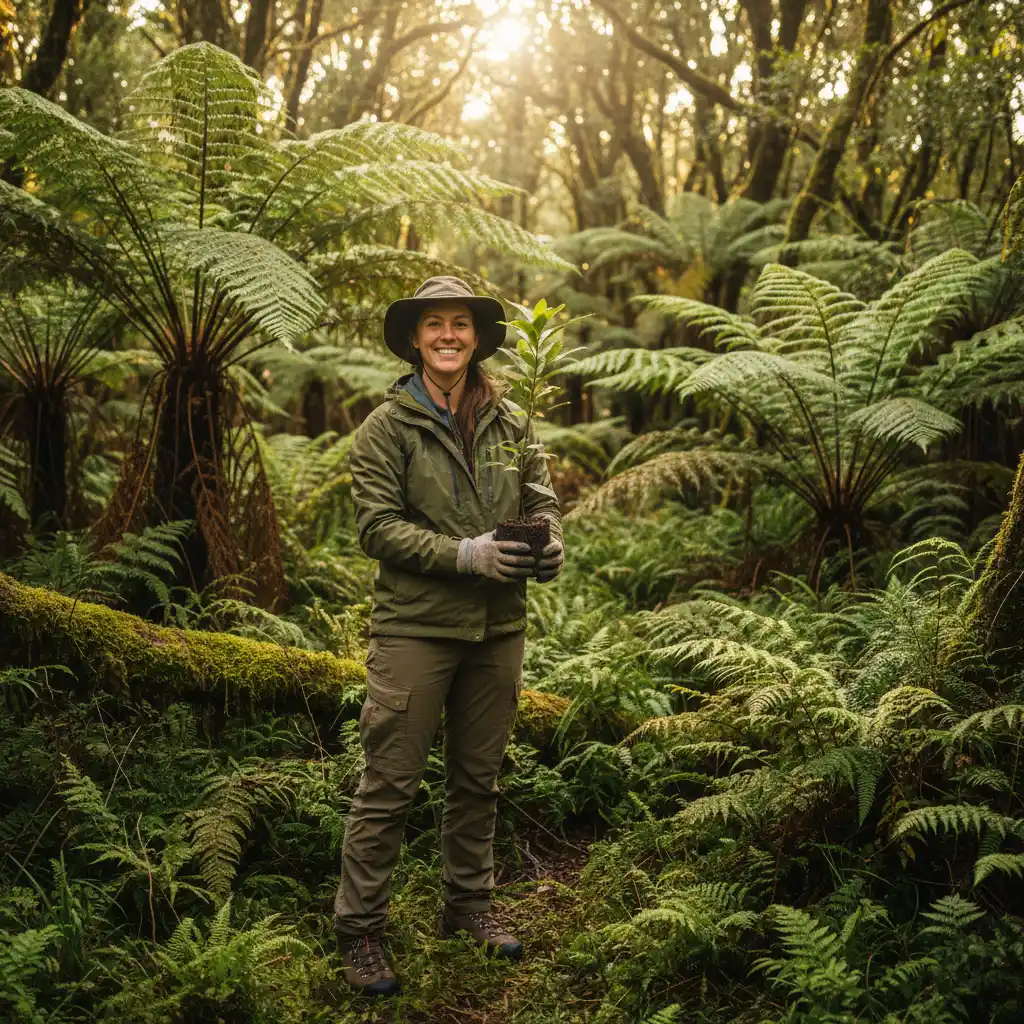
Short-term vs Long-term Placements
Understanding the commitment level is the first step in your application process. Sanctuaries categorize roles based on training requirements and duration.
Short-term Opportunities
Short-term placements are ideal for travelers, families, or corporate groups. These are often “turn up and pitch in” events that require minimal training. Activities usually focus on high-labor, low-risk tasks such as:
- Weed control: Removing invasive plant species that choke native forest regeneration.
- Track maintenance: Clearing debris to ensure safe access for rangers and visitors.
- Beach clean-ups: Essential for coastal bird sanctuaries to prevent plastic ingestion.
These roles are often transactional; you trade a few hours of sweat for free entry to the sanctuary and a guided experience.
Long-term Placements
Long-term volunteering is suited for those seeking a career in conservation or a sabbatical immersion. These roles often require a commitment of 3 to 12 months. Volunteers may be trained in:
- Bird monitoring: conducting headcount surveys of species like the Hihi (Stitchbird) or Takahe.
- Guide duties: Educating public visitors.
- Infrastructure repair: Maintaining fences and huts.
In exchange for this commitment, some remote sanctuaries (especially island sanctuaries like Raoul or Little Barrier) may provide accommodation, though food costs are usually covered by the volunteer.
Tree Planting Days: Habitat Restoration
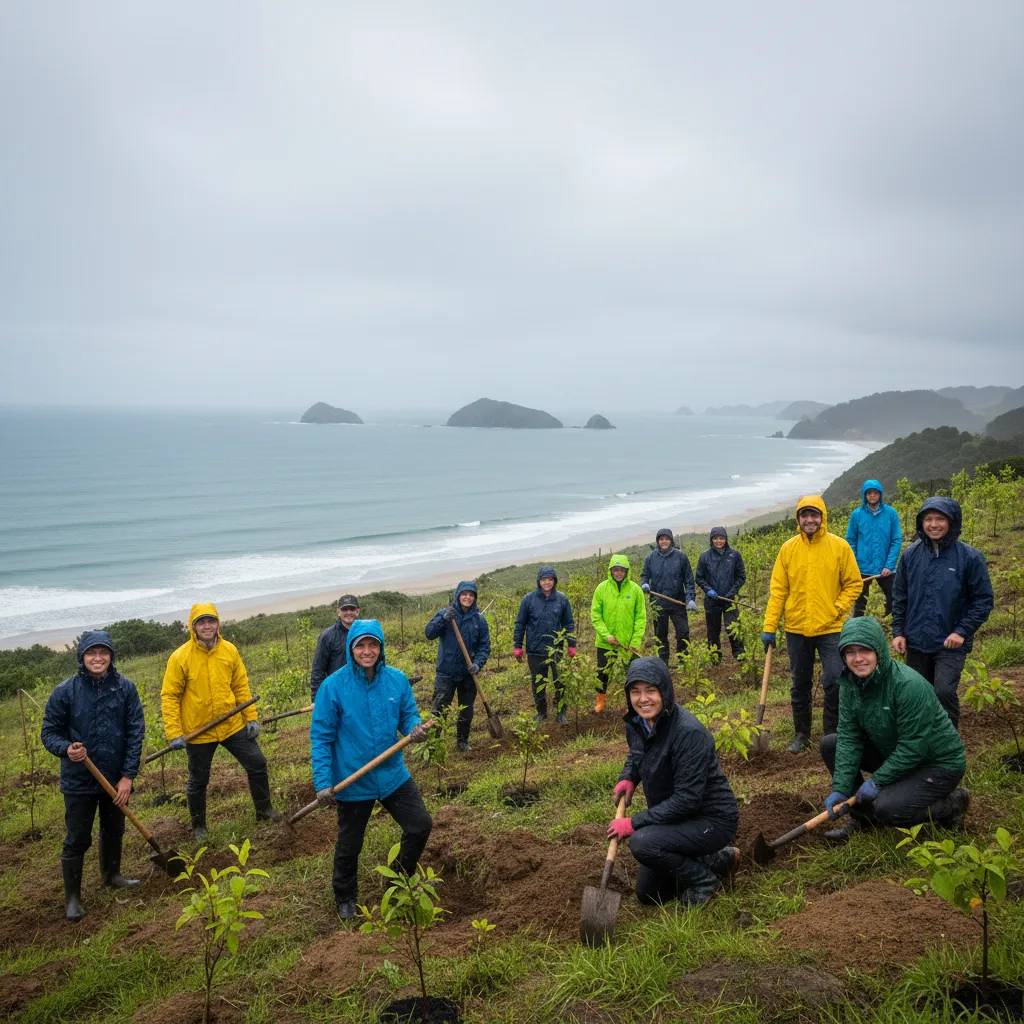
One of the most accessible ways to volunteer at a bird sanctuary is through organized tree planting days. While the primary goal is re-vegetation, the direct beneficiary is the birdlife. Native birds require specific flora for food (nectar and berries) and nesting shelter.
Planting seasons in New Zealand typically run from late autumn to early spring (May to September) when the soil is moist. Volunteers can expect to plant hardy pioneer species such as Manuka and Kanuka, which establish a canopy for larger trees like Rimu and Totara to eventually grow.
What to Expect on a Planting Day
These events are physically demanding. You will be digging in potentially rocky or clay-heavy soil, often on steep inclines. Sanctuaries usually provide the spades and gloves, but you must bring sturdy footwear. The satisfaction comes years later, seeing a barren paddock transformed into a thriving corridor for Kereru (wood pigeon) and Tui.
Trap Line Maintenance: The Frontline
For those looking for a more “gritty” and impactful experience, trap line maintenance is the core of the predator-free movement. This role is not for the faint-hearted, as it involves handling deceased pests (rats, stoats, hedgehogs) and resetting mechanical traps.
Why is this necessary?
Introduced predators kill approximately 25 million native birds in New Zealand every year. Without trapping, sanctuaries would be overrun, and ground-nesting birds like the Kiwi would face extinction.
The Workflow
Volunteers assigned to trap lines are usually given a specific route (a “line”) to check weekly or fortnightly. The process involves:
- Checking the trap: Identifying if it has been triggered.
- Clearing the catch: Removing the pest and recording the data (species, sex, location) into apps like Trap.NZ.
- Re-baiting: Using fresh bait (often peanut butter, eggs, or dehydrated meat) to lure pests.
- Resetting: Safely engaging the mechanism.
This role requires a high level of trust and usually a background check, as you are operating potentially dangerous equipment often off-track in sensitive bush areas.
DOC Volunteer Holiday Programs
The Department of Conservation (DOC) offers a structured approach known as “Volunteer Holidays.” Unlike casual volunteering, these are often paid experiences—meaning you pay a fee to volunteer. While this may seem counterintuitive, the fee covers your transport (often helicopter or boat), food, accommodation, and supervision costs.
The Value Proposition
Why pay to work? The answer lies in access. DOC Volunteer Holidays grant you entry to some of the most remote and protected environments on Earth—places the general public cannot visit.
Common DOC Projects Include:
- Kakapo Recovery: Assisting on remote islands during breeding seasons (extremely competitive).
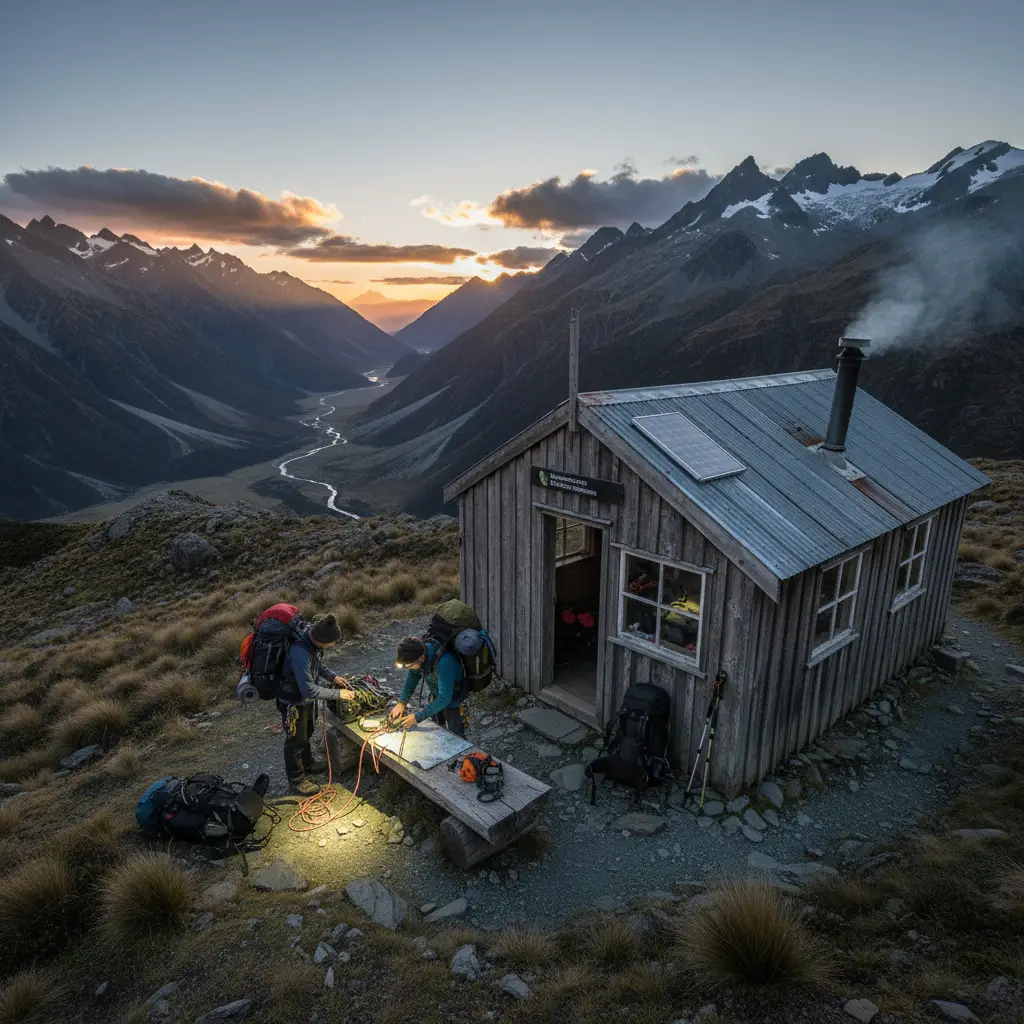
- Historic Hut Restoration: Fixing heritage sites in the backcountry.
- Tussock Control: Protecting alpine environments in the South Island high country.
These programs are transactional in nature but offer a high return on investment regarding experience and adventure. They usually last between 5 to 10 days.
Top Sanctuaries Accepting Volunteers
If you are ready to apply, focus your efforts on these established organizations known for their robust volunteer programs.
1. Zealandia (Wellington)
As the world’s first fully-fenced urban ecosanctuary, Zealandia relies heavily on volunteers. Roles range from fence monitoring to visitor hosting. It is accessible and offers a great community atmosphere.
2. Tiritiri Matangi (Auckland)
An island sanctuary in the Hauraki Gulf. Volunteers here often stay in bunkhouses and assist with track maintenance and bird feeding. It is one of the most successful conservation projects in the country.
3. Orokonui Ecosanctuary (Dunedin)
Located in the South Island, this sanctuary protects the South Island Kaka and Takahe. They offer regular volunteer days focusing on weed control and habitat maintenance.
4. Rotoroa Island
Also in the Hauraki Gulf, this island combines arts, heritage, and conservation. Volunteer days are frequent and transport is often subsidized for working bees.
Preparation and Biosecurity
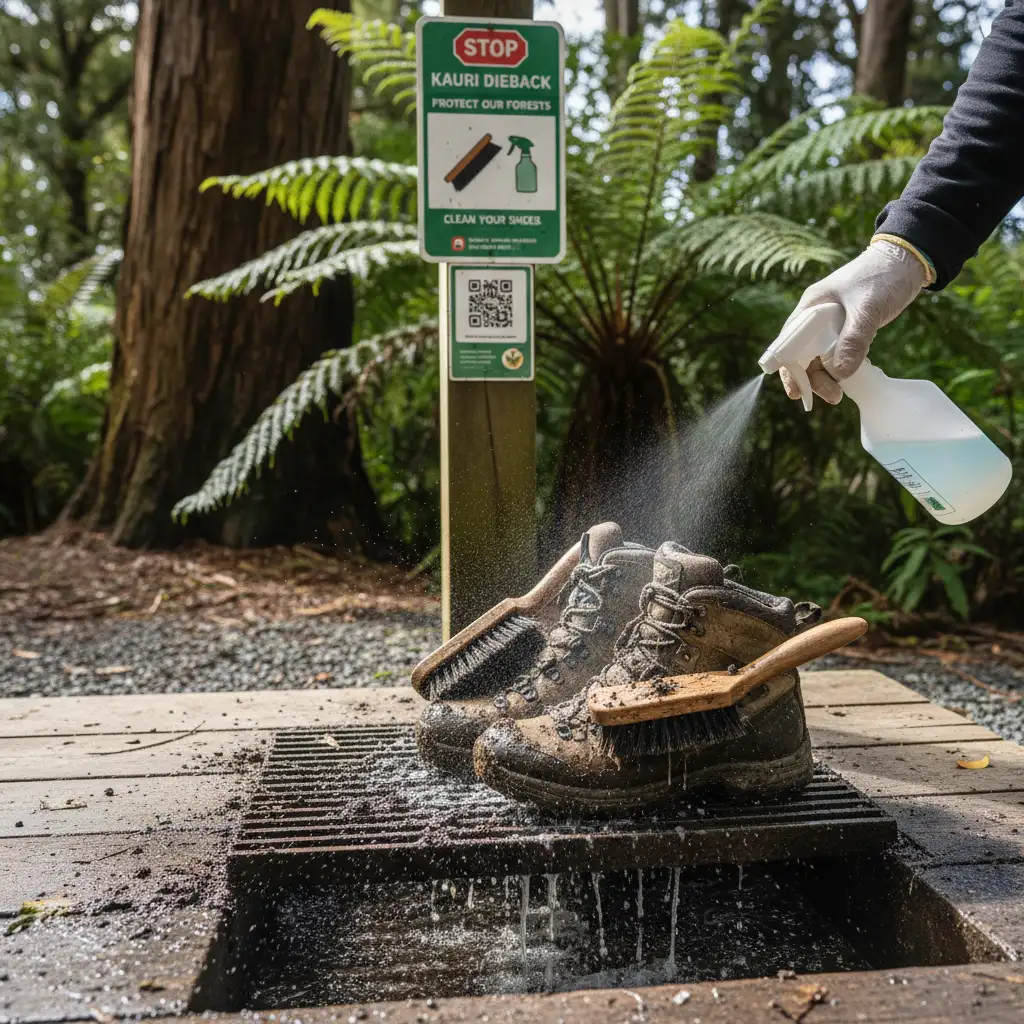
Before you volunteer at a bird sanctuary, you must understand New Zealand’s strict biosecurity laws, particularly regarding Kauri Dieback disease and pest transference.
The Clean-Check-Dry Protocol
You will be required to scrub your footwear with trigene or a similar disinfectant before entering and leaving any sanctuary. This prevents the spread of soil-borne pathogens that kill native trees.
Gear Requirements
Even for short-term placements, professional attire is recommended:
- Boots: Must be clean of all soil and seeds. Ankle support is crucial for off-track work.
- Layers: NZ weather is volatile. Merino wool is preferred over cotton.
- Gloves: Heavy-duty gardening gloves are essential for handling traps or thorny vegetation like Matagouri.
Frequently Asked Questions
Do I need a visa to volunteer in New Zealand?
Yes. If you are not a NZ resident, you typically need a Visitor Visa. You can volunteer while on a visitor visa provided you receive no gain or reward (money, food, or accommodation that exceeds reasonable pocket expenses). However, for positions that provide significant accommodation (like DOC hut wardens), a Work Visa may be required. Always check with Immigration NZ.
Is volunteering at bird sanctuaries free?
Most community volunteering (planting days, local trapping) is free. However, DOC Volunteer Holidays and some specialized internships require a fee to cover your transport, food, and accommodation, as these occur in remote locations.
Can children volunteer?
Many sanctuaries have specific “Guardian” programs for youth. However, for safety reasons, trap line maintenance and heavy labor usually have an age restriction of 16+ or 18+, or require parental supervision.
Do I need previous conservation experience?
For general tasks like tree planting or track clearing, no experience is needed; on-the-job training is provided. Specialized roles like bird banding, handling, or chemical pest control require certifications or significant prior experience.
What is the best time of year to volunteer?
Tree planting occurs in winter (May-August). Bird monitoring is often busiest during breeding season (Spring/Summer). Track maintenance is usually done year-round but is most pleasant in Autumn.
Will I get to hold a Kiwi?
Generally, no. Handling Kiwi and other endangered birds requires a “Level 3” handling permit from DOC, which takes years to acquire. Volunteers typically support the habitat for the birds rather than handling the birds themselves.