Martinborough stargazing offers a world-class celestial experience within the Wairarapa Dark Sky Reserve, New Zealand’s largest International Dark Sky Reserve. Located just an hour’s drive from Wellington, this region provides pristine, light-pollution-free skies perfect for viewing the Milky Way, the Southern Cross, and the Magellanic Clouds through guided astronomical tours and vineyard-based observation points.
What is the Wairarapa Dark Sky Reserve?
The Wairarapa Dark Sky Reserve represents a monumental achievement in environmental conservation and eco-tourism within New Zealand. Officially certified by the International Dark-Sky Association (IDA), this reserve encompasses a vast area of the South Wairarapa and Carterton districts, protecting the night sky from light pollution. For travelers seeking Martinborough stargazing opportunities, this certification guarantees a level of darkness that is increasingly rare in the modern world.
The reserve covers over 3,665 square kilometers, stretching from the rugged coastline to the Tararua Forest Park. The accreditation process took years of dedicated effort by local volunteers, councils, and scientists who measured sky darkness and audited outdoor lighting to ensure it met strict criteria. The result is a sanctuary not just for astronomers, but for nocturnal wildlife and human health.
Unlike other reserves that might be remote and inaccessible, the Wairarapa Dark Sky Reserve is unique because it includes populated towns like Martinborough, Featherston, and Greytown. This accessibility allows visitors to enjoy world-class wine and dining by day, and step immediately into a pristine astronomical environment by night. It creates a seamless blend of luxury tourism and raw, natural beauty.
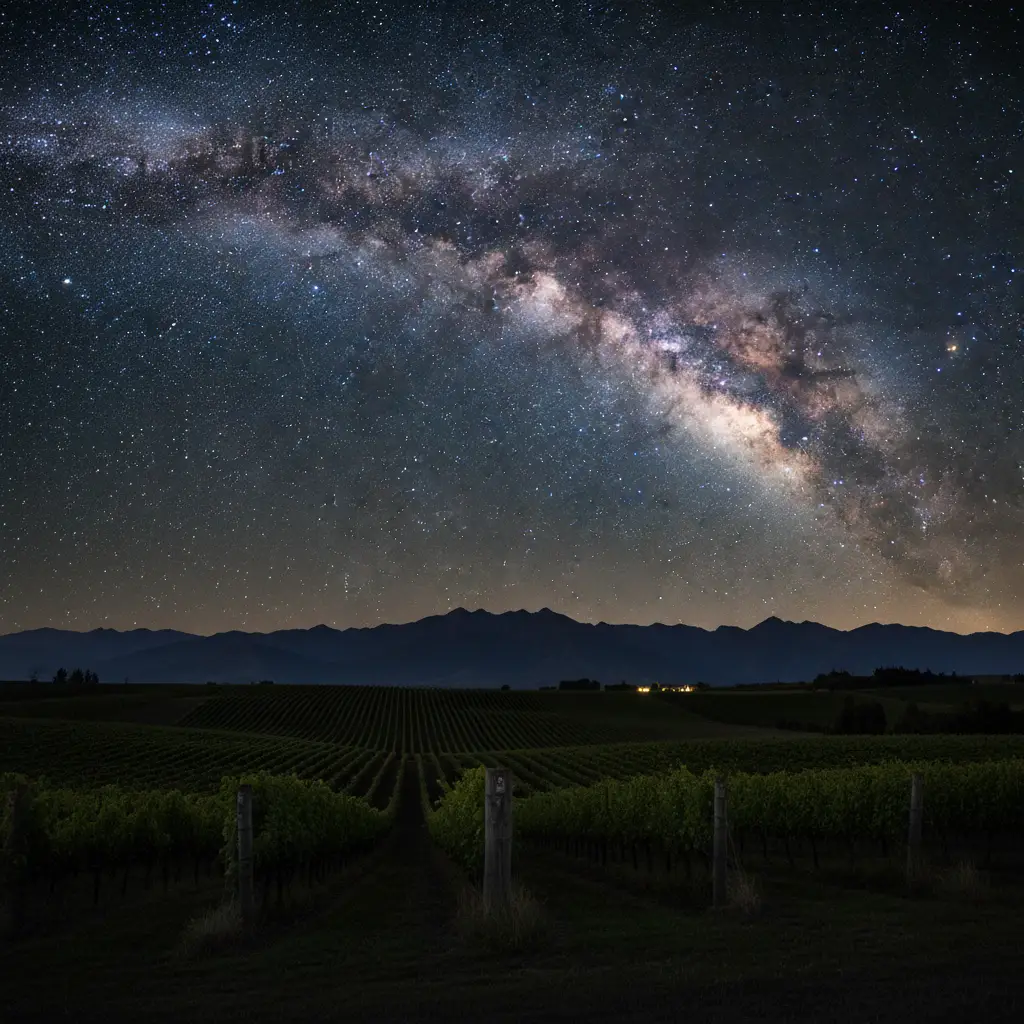
Star Safari: The Premier Martinborough Stargazing Experience
When discussing Martinborough stargazing, the conversation invariably leads to Star Safari. Located on Ponatahi Road, just a short drive from the Martinborough town square, Star Safari is the region’s flagship astro-tourism operator. Run by passionate science communicators Hari and Sam, this experience is designed to make astronomy accessible to everyone, from complete novices to seasoned space enthusiasts.
What to Expect at Star Safari
The experience typically begins with an orientation that helps visitors understand their place in the universe. The site is situated in a designated dark zone, far enough from streetlights to ensure optimal viewing conditions. Guests are introduced to high-grade telescopes, including large Dobsonian telescopes capable of gathering immense amounts of light to reveal deep-sky objects.
During a typical session, you will observe:
- Planetary Details: Depending on the time of year, you might see the rings of Saturn, the bands of Jupiter, or the red hue of Mars.
- Deep Sky Objects: The Orion Nebula, Omega Centauri (a globular cluster containing millions of stars), and the Jewel Box cluster are common targets.
- Lunar Craters: If the moon is visible, the high-magnification views of its cratered surface are breathtaking.
Beyond the equipment, the true value of Star Safari lies in the storytelling. The guides weave together scientific facts with Māori astronomy (Tātai Arorangi), explaining how indigenous navigators used the stars to traverse the Pacific Ocean to Aotearoa. This cultural context adds a profound layer of depth to the visual spectacle.
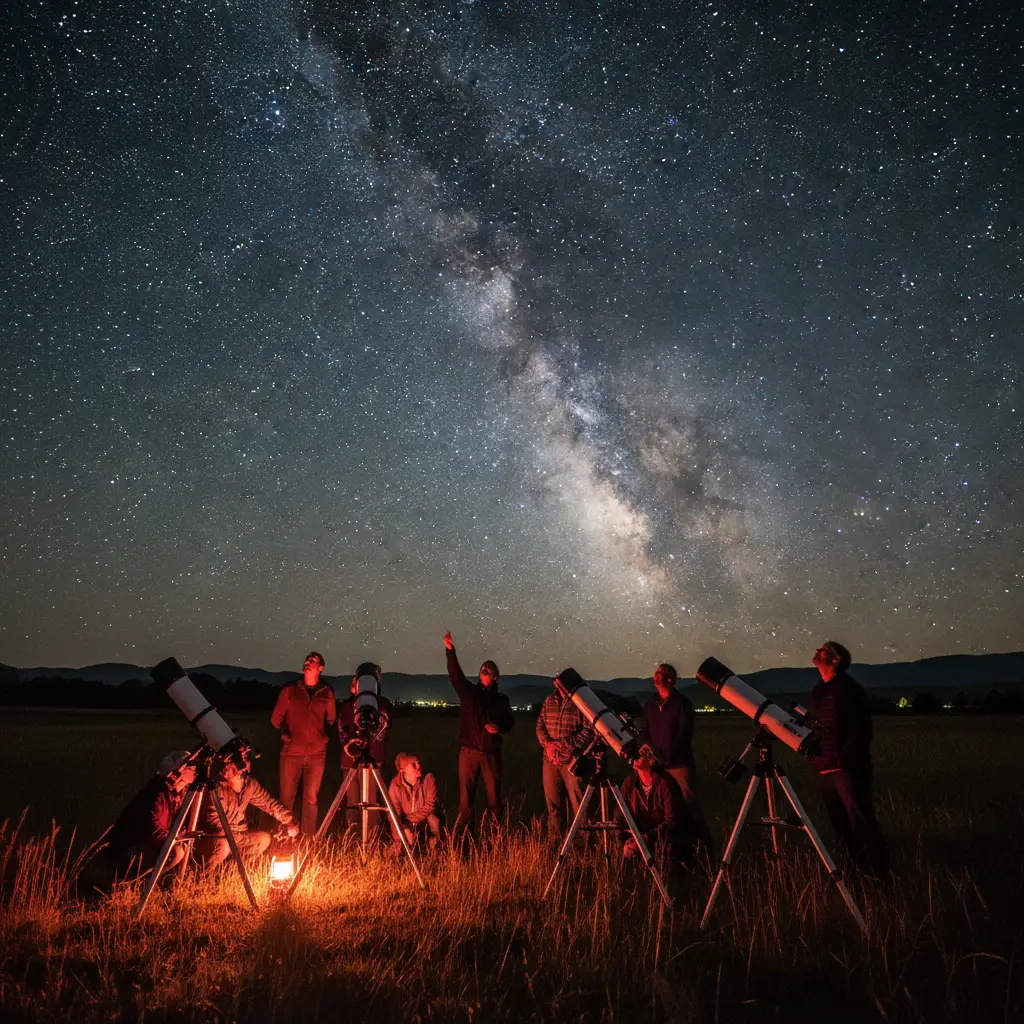
Under the Stars: Nomadic Astronomy Events
Another key player in the Wairarapa astronomy scene is “Under the Stars.” While Star Safari offers a fixed location experience, Under the Stars often operates as a mobile or event-based service, bringing astronomy to various locations throughout the region, including schools, private events, and public parks like the Stonehenge Aotearoa site nearby.
This operator focuses heavily on education and the “naked eye” experience, teaching visitors how to navigate the night sky without equipment before moving on to telescope viewing. This is an essential skill for any stargazer. Learning to identify the Southern Cross (Crux), the Pointers (Alpha and Beta Centauri), and the difference between true south and magnetic south is a highlight of their sessions.
Under the Stars frequently collaborates with local vineyards and festivals, creating pop-up stargazing events where you can sip a local Pinot Noir while learning about the life cycle of stars. Keep an eye on local event calendars if you are visiting Martinborough, as these special events offer a social and relaxed atmosphere for astronomy.
Best Vineyards and Accommodation for Night Views
One of the distinct advantages of Martinborough stargazing is the ability to combine it with high-end accommodation. Many visitors choose to stay at vineyard cottages or glamping sites that capitalize on the Dark Sky Reserve status. You do not always need a guided tour to appreciate the sky; sometimes, a deck chair and a dark patio are enough.
Top Accommodation Picks for Stargazers
1. The Martinborough Hotel: While in the center of town, the heritage charm is undeniable. However, for true dark skies, you want to be slightly outside the town center.
2. Parehua Resort: Located on the edge of town, the cottages here often feature private decks. If you turn off your cabin lights, the view of the Milky Way rising over the vines is spectacular.
3. Glamping at Wairarapa Eco-Farms: For a more immersive experience, several glamping operators in the wider South Wairarapa area offer glass-roofed tents or outdoor baths. Soaking in a hot outdoor bath while counting shooting stars is the quintessential Wairarapa luxury experience.
4. Wharekauhau Country Estate: For the ultra-luxury traveler, this lodge located on the coast (a short drive from Martinborough) offers unrivaled darkness. The coastal location means the air is often cleaner and less turbulent, providing sharper star images.
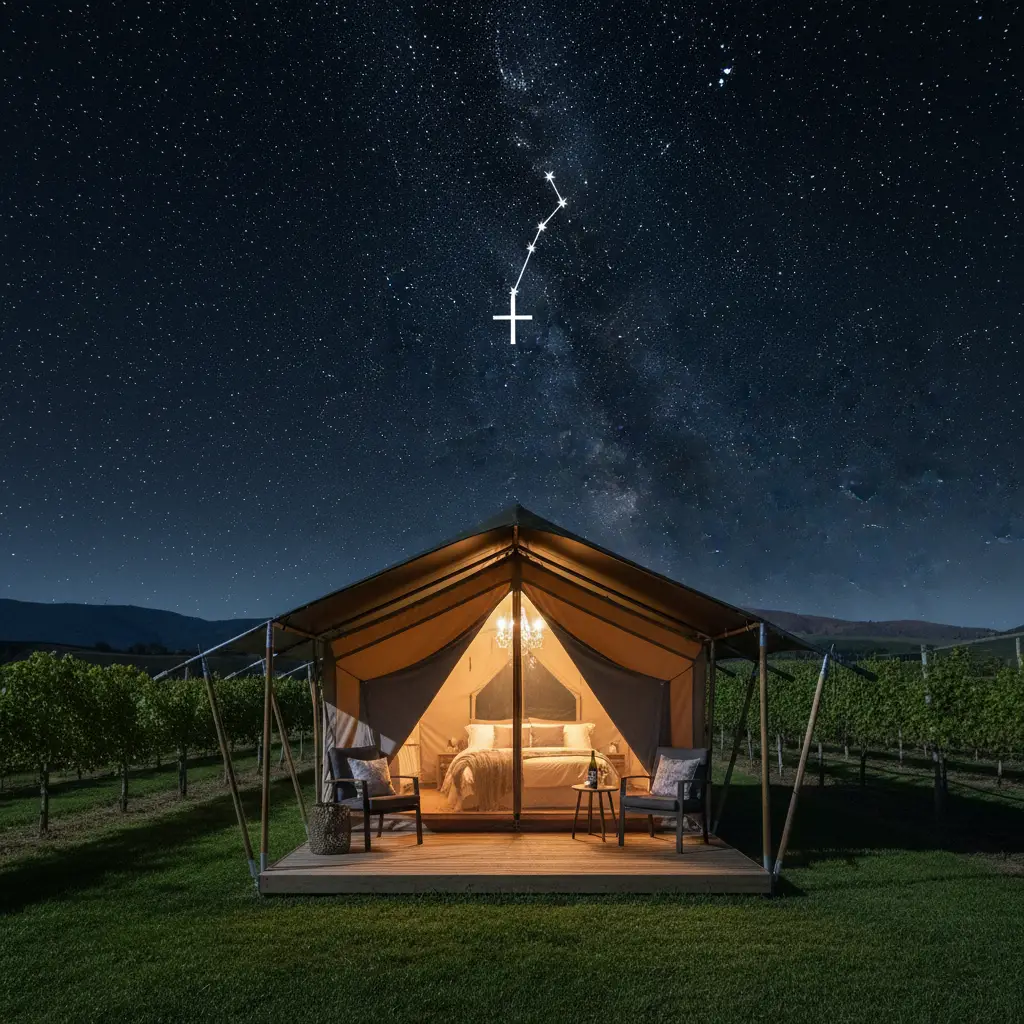
What You Can See in the Southern Sky
The Southern Hemisphere sky is widely considered superior to the Northern Hemisphere for stargazing because it looks toward the galactic center of the Milky Way. When visiting Martinborough, there are specific celestial landmarks you should look for.
The Southern Cross (Crux)
The most iconic constellation in the southern sky. It is compact and bright, sitting right in the middle of the Milky Way band. It is used to find celestial south.
The Magellanic Clouds
These are two dwarf galaxies orbiting our own Milky Way. They look like detached pieces of the Milky Way cloud and are visible to the naked eye in dark locations like the Wairarapa. They are not visible from most of the Northern Hemisphere.
Alpha Centauri
The closest star system to our solar system, appearing as a single bright star to the naked eye but revealed as a binary system through a telescope. It is the third brightest star in the night sky.
The Emu in the Sky
Unlike Western constellations made of stars, many indigenous cultures, including Māori and Aboriginal Australians, identify “dark constellations” made from the dust lanes obscuring the stars. The Emu (or the Great Kiwi in some local interpretations) stretches across the Milky Way, with the Coalsack Nebula forming its head.
Access from Wellington and Travel Logistics
Martinborough is strategically located for travelers based in Wellington, making it an easy overnight trip or a long evening excursion.
Driving over the Remutaka Hill
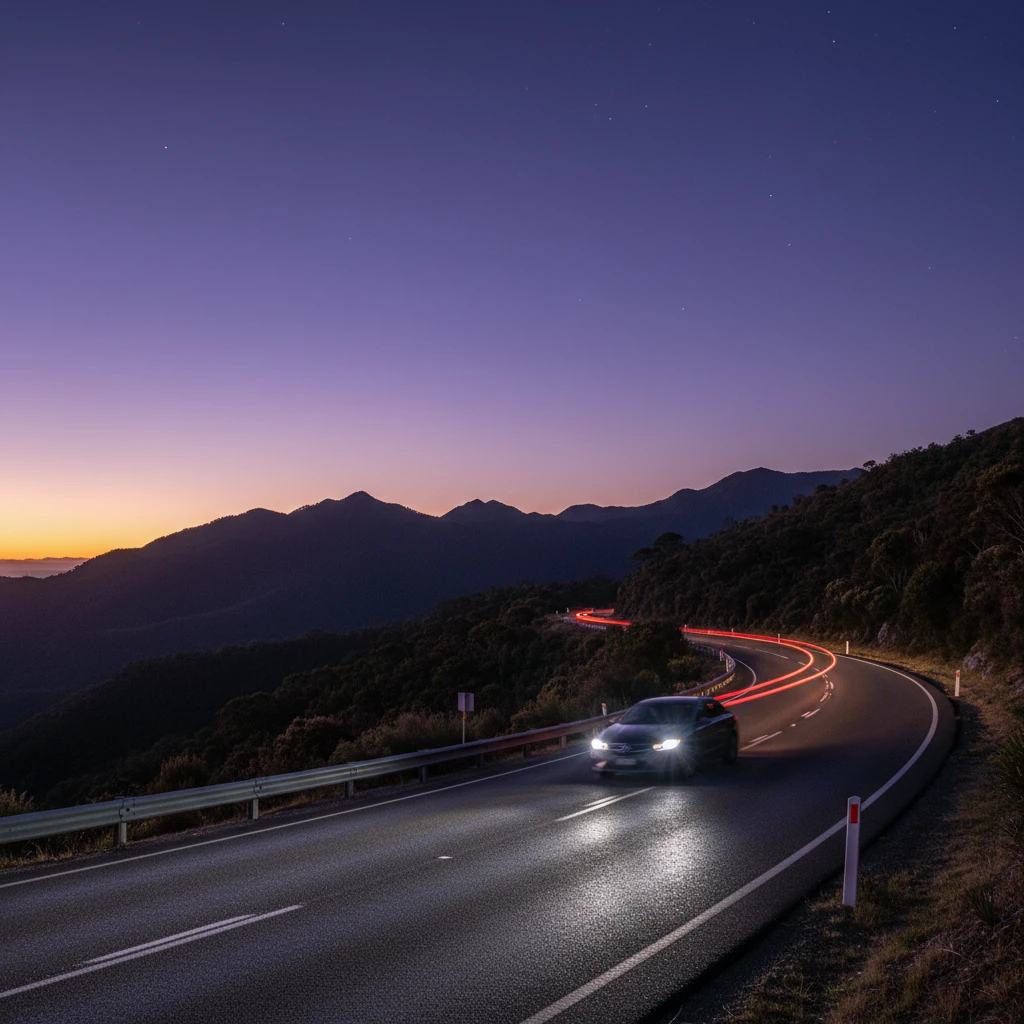
The drive from Wellington to Martinborough takes approximately 60 to 75 minutes. The route involves crossing the Remutaka Hill, a winding mountain road that offers stunning views but requires careful driving. In winter, the road can occasionally be closed due to snow or high winds, so always check the Waka Kotahi (NZ Transport Agency) traffic updates.
If you are driving back to Wellington after a stargazing tour, be prepared for a very dark drive over the hill. The road is well-marked with cat’s eyes, but fatigue can be a factor late at night. Many visitors prefer to book accommodation in Martinborough to avoid the late-night return drive.
The Wairarapa Connection Train
For those who prefer not to drive, the Wairarapa Connection train runs between Wellington and Featherston/Martinborough (via a bus connection from Featherston station). However, train schedules are geared towards commuters (morning into Wellington, evening out). This makes it difficult to use the train for a single evening of stargazing unless you plan to stay overnight. Bringing a bicycle on the train is a popular option, allowing you to cycle from the station to the vineyards.
Astrophotography Tips for the Wairarapa
With the Wairarapa Dark Sky Reserve offering such low light pollution, it is a photographer’s paradise. Here is how to capture the best images of Martinborough stargazing:
1. Use a Tripod: This is non-negotiable. Exposures will range from 10 to 30 seconds, and any movement will blur the stars.
2. Wide Aperture: Set your lens to the widest aperture possible (lowest f-number, like f/2.8 or f/1.8) to let in maximum light.
3. High ISO: Don’t be afraid to push your ISO to 1600, 3200, or even 6400, depending on your camera’s noise handling capabilities.
4. The 500 Rule: To avoid star trails (where stars look like lines instead of points), divide 500 by the focal length of your lens. For example, if you are using a 24mm lens, 500 / 24 = approximately 20 seconds. This is your maximum shutter speed.
5. Manual Focus: Autofocus will not work in the dark. Switch to manual focus and zoom in on the brightest star in Live View to ensure pinpoint sharpness.
Frequently Asked Questions
When is the best time to go stargazing in Martinborough?
The best time for stargazing is during the New Moon phase when the sky is darkest. Winter (June to August) offers longer nights and the galactic core of the Milky Way is often visible earlier in the evening, though it can be cold. Summer offers more comfortable temperatures, but you must wait until very late (after 10 PM) for true darkness.
Do I need to book a tour to see the stars in Martinborough?
No, you do not need a tour to see the stars; the Wairarapa Dark Sky Reserve ensures the skies are dark everywhere. However, booking a tour with operators like Star Safari provides access to large telescopes and expert guidance, which significantly enhances the experience by allowing you to see deep-sky objects invisible to the naked eye.
Is Martinborough good for seeing the Southern Lights (Aurora Australis)?
Yes, it is possible to see the Aurora Australis from Martinborough during periods of high solar activity, provided you have a clear view to the southern horizon. While not as frequent as in the South Island, the low light pollution of the Dark Sky Reserve makes it one of the best places in the North Island to capture the Aurora photographically.
How far is the Wairarapa Dark Sky Reserve from Wellington?
The Wairarapa Dark Sky Reserve begins almost immediately after you cross the Remutaka Ranges. Martinborough, a central hub for the reserve, is approximately 80 kilometers (50 miles) from Wellington CBD, which typically takes 1 hour and 15 minutes to drive.
What equipment should I bring for Martinborough stargazing?
If you are not on a guided tour, bring a pair of binoculars (10×50 is a good size), a red-light torch (to preserve night vision), warm clothing (layers are essential even in summer), and a reclining chair or blanket to avoid neck strain while looking up.
Can children participate in Martinborough stargazing tours?
Yes, most stargazing tours in Martinborough are family-friendly. Star Safari, for example, is excellent at engaging children with science. However, parents should consider the late hours, especially in summer when true darkness doesn’t fall until late, which might be past the bedtime of very young children.