Pukaha National Wildlife Centre is a renowned conservation reserve in New Zealand’s Wairarapa region, globally famous for hatching Manukura, the rare white North Island Brown Kiwi. The centre serves as a critical education and breeding facility for endangered native species, offering visitors intimate encounters with wildlife through daily talks, feedings, and immersive forest trails.
Located at Mount Bruce, just a short drive from Masterton or Palmerston North, Pukaha stands as a beacon of hope for New Zealand’s biodiversity. While the kiwi is the national icon, the specific phenomenon of the white kiwi at Pukaha has captured the world’s imagination, drawing eco-tourists and researchers alike to this sanctuary of ancient forest.
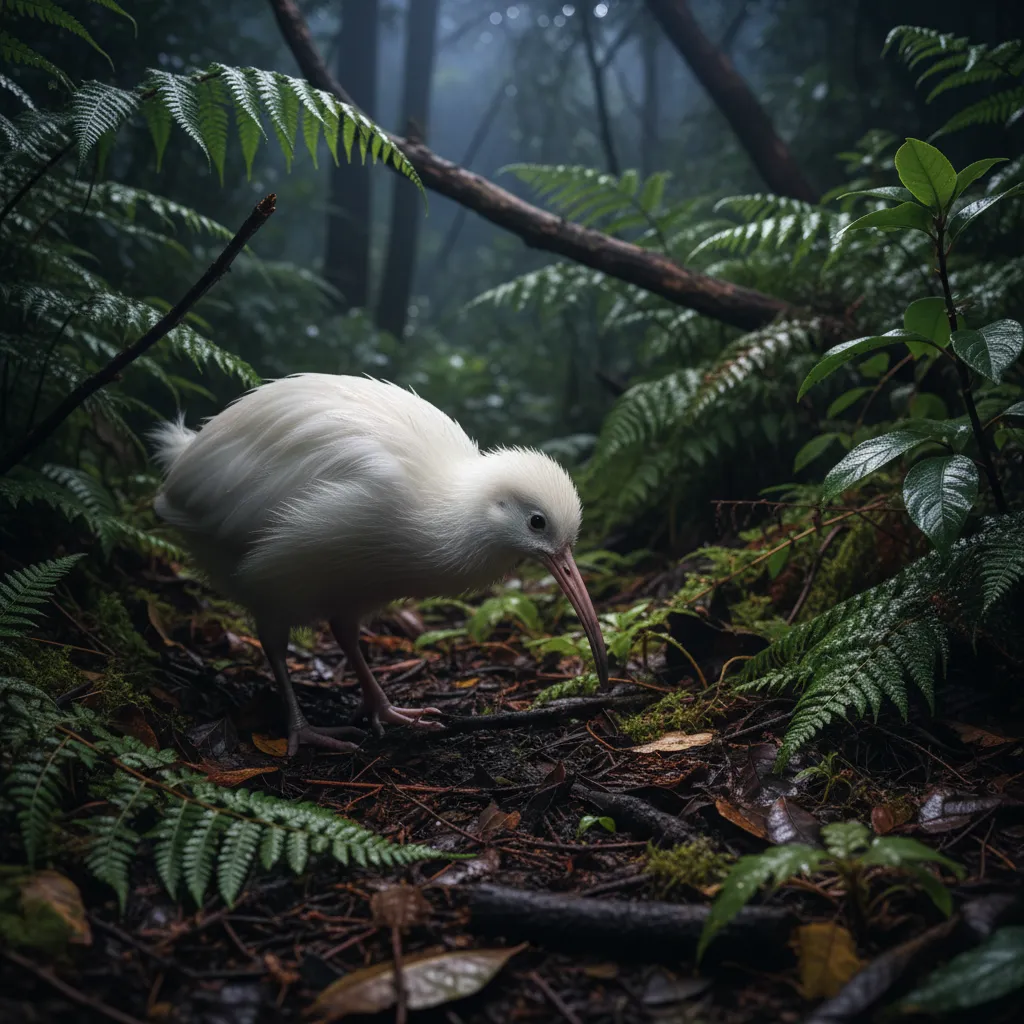
The White Kiwi Pukaha Legacy: Understanding Manukura
When discussing the white kiwi pukaha phenomenon, one name stands above all others: Manukura. Hatched in May 2011, Manukura was not an albino, but a rare North Island Brown Kiwi exhibiting a genetic condition known as leucism. This condition results in the partial loss of pigmentation, rendering her feathers pure white while her eyes remained the standard black—unlike the pink eyes associated with albinism.
Why is the White Kiwi So Rare?
The birth of a white kiwi is an incredibly infrequent event requiring a specific genetic alignment. Both parents must carry the recessive gene for white feathers. In the wild, a white kiwi is extremely vulnerable to predation due to the lack of camouflage against the dark forest floor. However, within the protected boundaries of the Pukaha National Wildlife Centre, Manukura was able to thrive, becoming a global ambassador for conservation.
For the local Māori iwi, Rangitāne o Wairarapa, the arrival of a white kiwi was seen as a tohu (sign) of new beginnings and a blessing. It highlighted the deep spiritual connection between the land, the people, and the native taonga (treasures) that Pukaha protects.
The Continuation of the Lineage
Manukura passed away in 2020, but her legacy at Pukaha remains potent. She proved that with intensive management and predator control, even the most vulnerable of nature’s oddities can survive. Following her, other white kiwi have been hatched at the centre, including Mauriora, proving that the recessive gene is present in the local Little Barrier Island kiwi population that was transferred to Pukaha. Visitors today come to learn about this genetic rarity and the extensive work required to ensure the survival of the species.
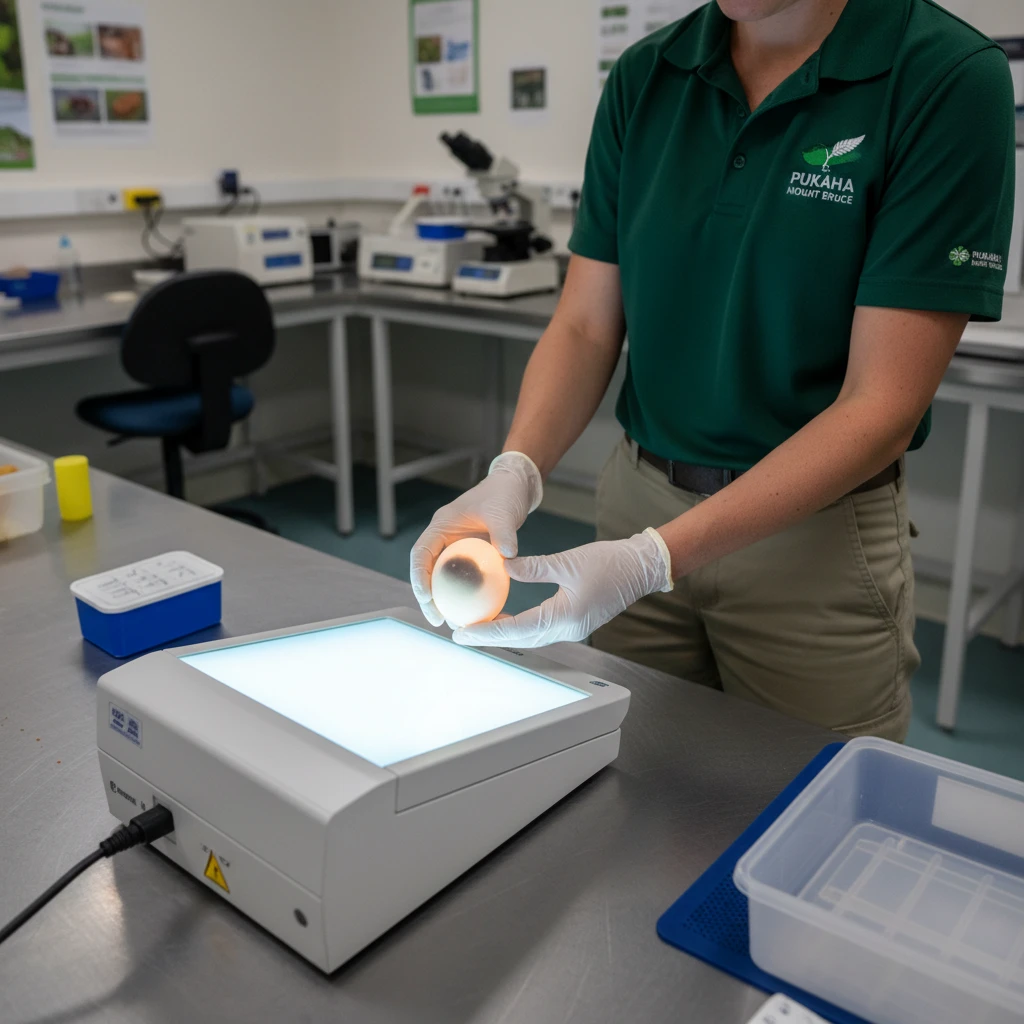
Daily Talks, Feeding Times, and Wildlife Encounters
Pukaha is not a zoo; it is an unfenced sanctuary (with a predator-proof perimeter) where wildlife behaves naturally. To maximize your chances of seeing the animals and understanding the ecosystem, timing your visit around the daily schedule is essential for the independent traveler.
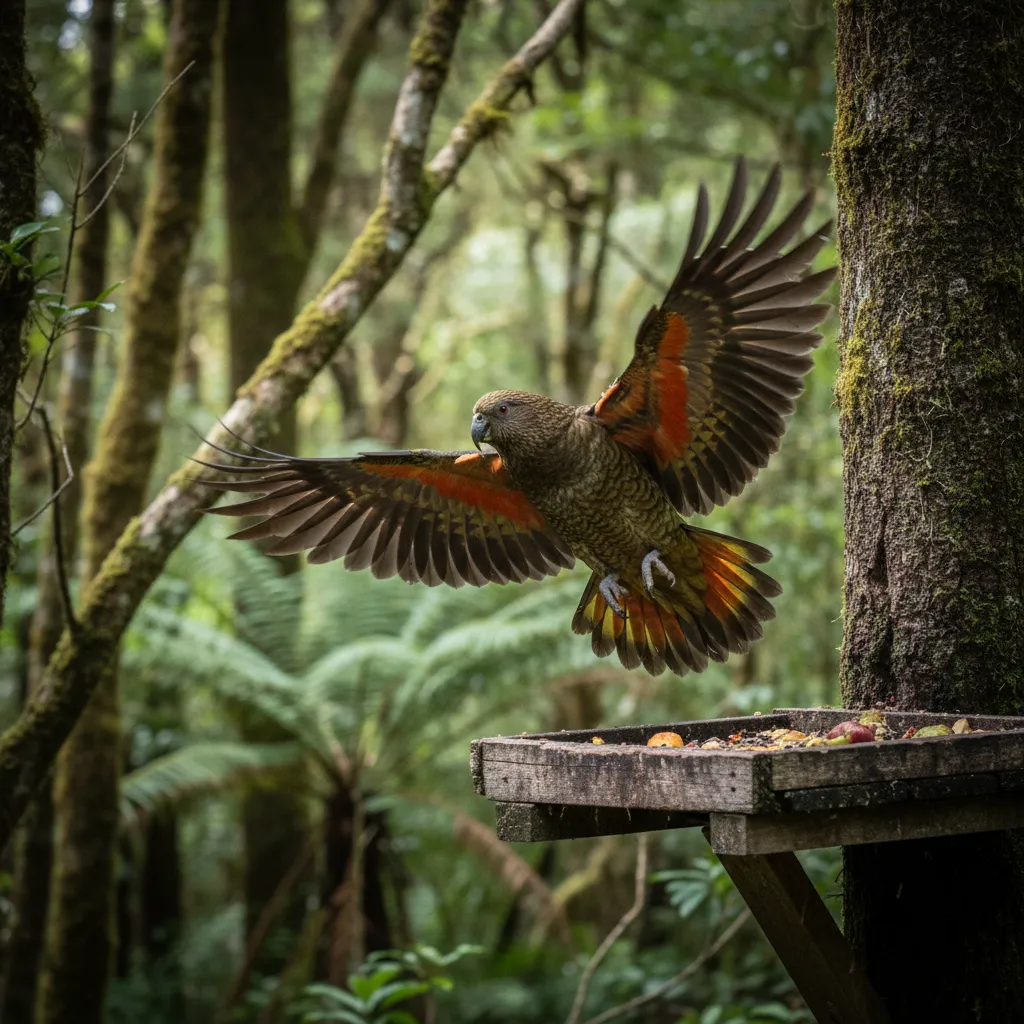
The Kākā Circus
One of the most energetic displays at Pukaha is the daily Kākā feed. Usually occurring around 3:00 PM, wild Kākā (native forest parrots) swoop down from the canopy to feed stations. Unlike the Kea, which is an alpine parrot, the Kākā is a forest dweller known for its raucous call and boisterous personality.
This experience offers photographers an exceptional opportunity to capture these birds in flight or interacting socially. The sheer noise and vibrancy of the Kākā circus is a stark contrast to the secretive nature of the kiwi.
Longfin Eels (Tuna) Feeding
At approximately 1:30 PM, visitors can witness the feeding of the Longfin Eels. These are not ordinary eels; they are legendary creatures in Māori mythology and can live for over 80 years, growing to massive sizes. Seeing these ancient creatures emerge from the depths of the stream is a reminder of the prehistoric nature of New Zealand’s fauna.
The Kiwi House
Because kiwi are nocturnal, seeing them in the wild forest during the day is impossible. Pukaha features a state-of-the-art Nocturnal House where the day/night cycle is reversed. Here, you can see the North Island Brown Kiwi foraging in near-darkness. While photography is strictly prohibited inside the Kiwi House to protect the birds’ sensitive eyes, the memory of seeing the national icon up close is indelible.
Beyond the Kiwi: Conservation and Kaitiakitanga
While the search for the white kiwi pukaha lineage draws the crowds, the centre’s mission is holistic forest restoration. Pukaha Mount Bruce encompasses 942 hectares of podocarp forest, a remnant of the vast ancient bush that once covered the Wairarapa and Tararua regions.
Tuatara: The Living Fossil
Pukaha is home to the Tuatara, a reptile that walked the earth alongside dinosaurs 200 million years ago. They are the only surviving members of the order Rhynchocephalia. The centre’s captive breeding program helps boost populations that are then released onto predator-free offshore islands.
Operation Nest Egg
Pukaha is a pivotal player in “Operation Nest Egg.” Rangers locate kiwi eggs in the wild, bring them to the centre for incubation, and rear the chicks until they reach a “stoat-proof” weight (usually around 1kg). They are then released back into the wild. This intervention increases the survival rate of kiwi chicks from 5% in the wild to over 65%.
Kākā Café and Visitor Facilities
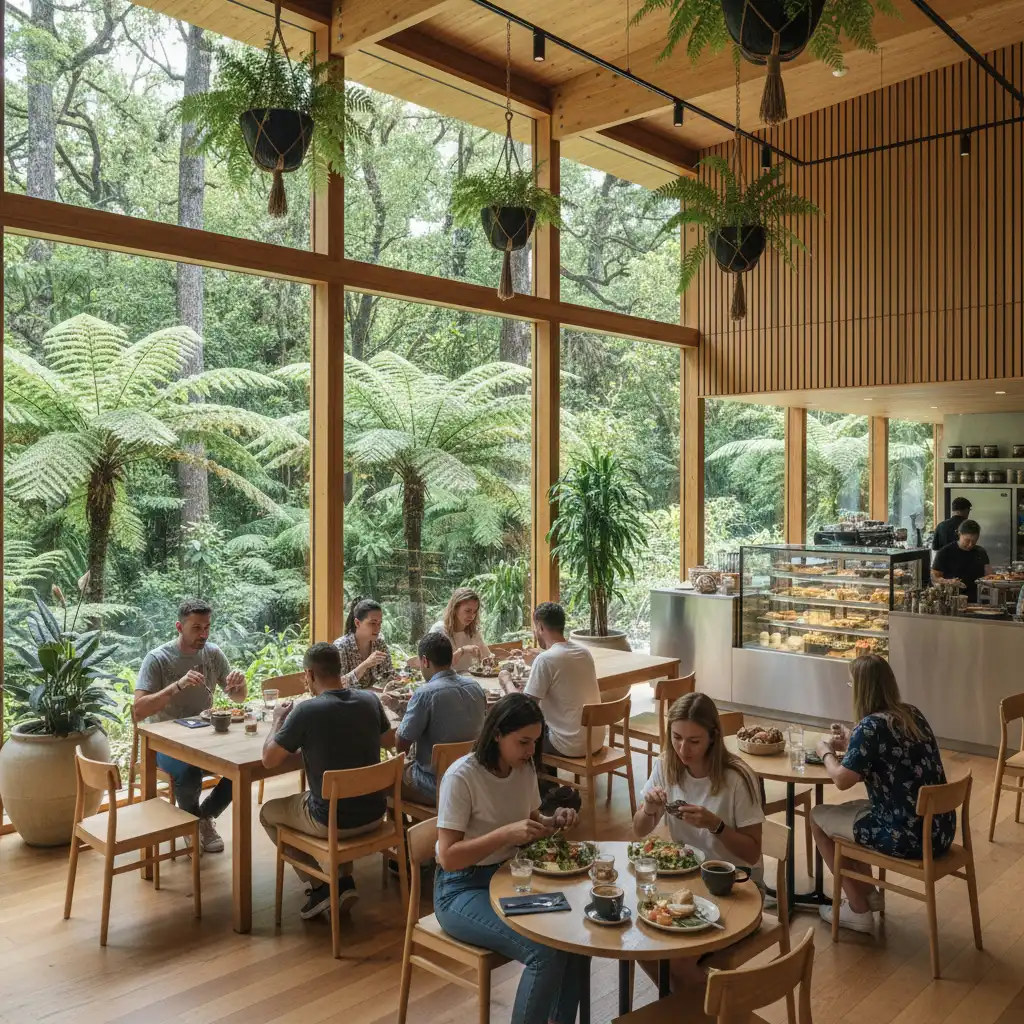
After a few hours trekking through the Redwood track or the Te Arapiki track, the Kākā Café offers a welcome respite. Overlooking the Takahe enclosure, the café is not merely a food stop but an extension of the eco-tourism experience.
Sustainable Dining
The café focuses on sustainability, minimizing waste and using locally sourced ingredients where possible. The menu caters to various dietary requirements, offering hearty kiwi staples like pies and slices, alongside modern cafe cuisine. It is the perfect spot to sit with a coffee and watch the Takahe—a bird once thought extinct—graze on the grass just meters away.
Education Centre and Gift Shop
The visitor centre includes an interactive educational space designed to teach children and adults about introduced pests (stoats, rats, possums) and the devastation they cause. The gift shop proceeds go directly back into conservation efforts, allowing you to purchase high-quality NZ-made souvenirs that support the cause.
Camping Nearby and Accommodation for Independent Travelers
For the independent traveler touring New Zealand by campervan or car, Pukaha is situated on State Highway 2, making it a strategic stop. While you cannot camp inside the reserve itself (to protect the wildlife), there are excellent options nearby.
Freedom Camping and DOC Sites
Putara Road: Located near the Tararua Forest Park entrance, this area often serves hikers and trampers. It is a more rugged experience suited for self-contained vehicles.
ANZAC Park (Norsewood): A bit further north, this is a popular spot for freedom campers with self-contained vehicles, offering a quiet place to rest before heading to Pukaha in the morning.
Holiday Parks
Masterton: 20 minutes south of Pukaha, Masterton offers full-service holiday parks like the Mawley Holiday Park. This is ideal if you need to power up, do laundry, or access hot showers after a few days of freedom camping. It serves as a great base of operations for exploring the wider Wairarapa region.
Eketāhuna
Just 10 minutes north, the quirky town of Eketāhuna offers camping grounds and cabins. It is famous for its large Kiwi statue, keeping with the theme of your trip.
People Also Ask (PAA)
Is Manukura the white kiwi still alive?
No, Manukura passed away in December 2020. However, her legacy continues at Pukaha National Wildlife Centre through their ongoing breeding programs and the preservation of her genetic lineage, which includes other kiwi carrying the rare white gene.
Can you see kiwi at Pukaha during the day?
Yes, you can see kiwi during the day inside the Nocturnal House. This facility reverses the light cycle, keeping the enclosure dark during visitor hours so the nocturnal kiwi are active and visible, while they sleep during the actual night.
How much does it cost to visit Pukaha National Wildlife Centre?
As of the latest updates, adult entry is approximately $20-$25 NZD, with discounts for children, families, and students. It is recommended to check their official website for the most current pricing and family pass deals.
Why are some kiwi birds white?
Some kiwi are white due to a genetic condition called leucism (not albinism). This is a recessive trait where the bird has a partial loss of pigmentation in its feathers, but retains normal eye color. Both parents must carry this recessive gene to produce a white chick.
How long do you need at Pukaha Mount Bruce?
Most visitors spend between 2 to 3 hours at Pukaha. This allows enough time to walk the main loop track, visit the nocturnal house, see the Tuatara, and catch one of the daily feeding talks.
Is Pukaha suitable for campervans?
Yes, Pukaha has a large car park that can accommodate campervans and motorhomes. It is a popular stop for independent travelers driving State Highway 2 between Wellington and Napier.