Rotoroa Island is a unique wildlife sanctuary in New Zealand’s Hauraki Gulf, renowned for its diverse population of endangered native birds. Visitors can spot rare species such as Takahē, North Island Brown Kiwi, and Weka roaming freely, making it a premier destination for eco-tourism and ornithology enthusiasts seeking conservation success stories.
The Wildlife Sanctuary: Rotoroa Island Birds
Rotoroa Island represents one of the most successful conservation experiments in New Zealand. Once an addiction treatment center run by the Salvation Army for over a century, the island has been transformed into a predator-free haven for wildlife. For eco-tourists and birdwatchers, the primary draw is the incredible density of Rotoroa Island birds, many of which are threatened or endangered on the mainland.
Unlike other sanctuaries where wildlife might be elusive, Rotoroa offers a high probability of encounters. The absence of mammalian predators—such as stoats, rats, and possums—allows these birds to thrive in a habitat that closely resembles pre-human New Zealand. The Rotoroa Island Trust, in partnership with Auckland Zoo, manages the release and monitoring of these species, ensuring genetic diversity and population health.
How to Spot Takahē and Kiwi
The crown jewels of the island’s avian population are undoubtedly the Takahē and the North Island Brown Kiwi. Spotting these birds requires patience, specific timing, and an understanding of their behaviors.
Where to Find the Takahē?
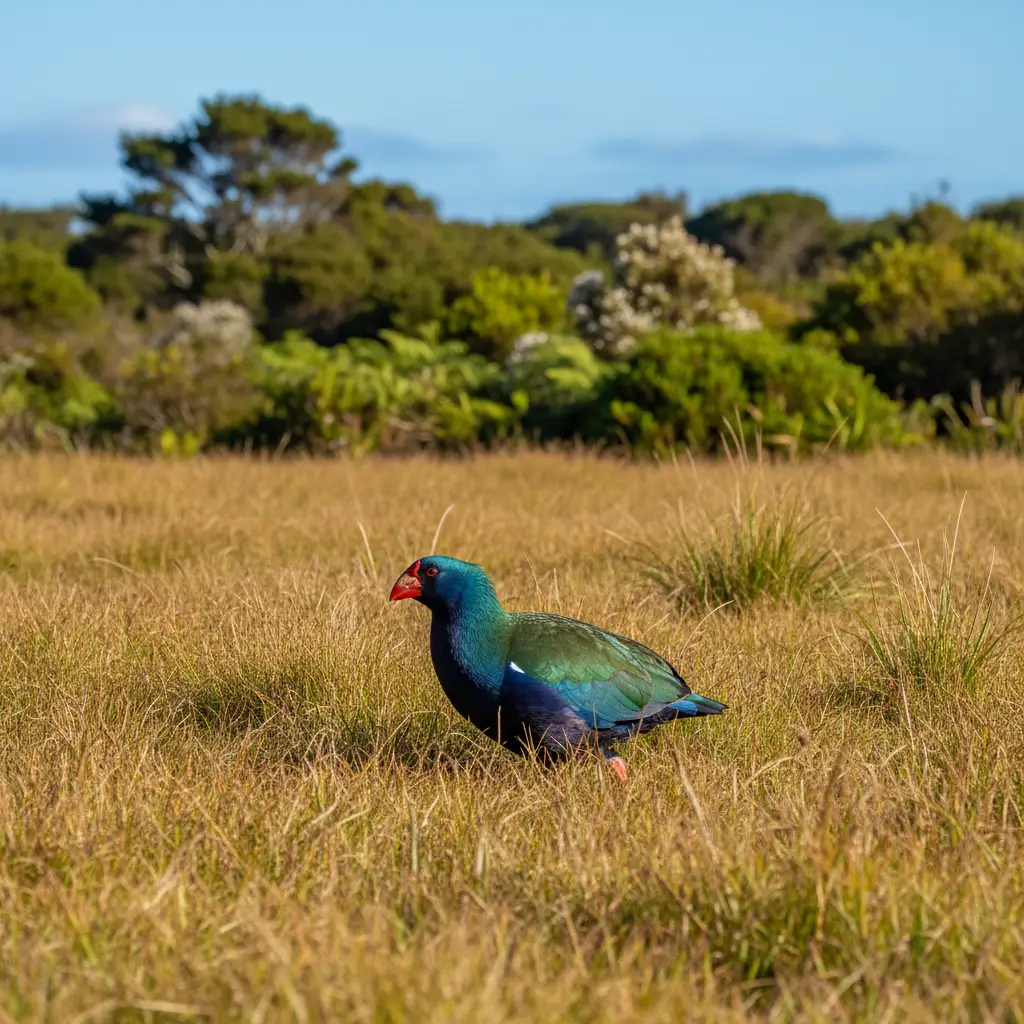
The Takahē is a flightless swamp hen that was once thought to be extinct. Today, Rotoroa Island plays a critical role in the recovery of this species. These birds are large, with iridescent blue and green plumage and a distinctive heavy red beak.
To maximize your chances of sighting a Takahē:
- Check the Open Grasslands: Unlike shy forest dwellers, Takahē often graze in open grassy areas, particularly near the wetland sites and the grassy verges of the main walking tracks.
- Listen for the Call: They make a loud, percussive “clump” sound or a high-pitched shriek.
- Look for Pairs: Takahē are monogamous and territorial; if you see one, its partner is likely nearby.
- Respect their Space: While they can appear docile, they are wild animals. Maintain a distance of at least 20 meters to avoid stressing them.
Locating the North Island Brown Kiwi
Seeing a Kiwi in the wild is a bucket-list experience for many travelers. Rotoroa Island has a healthy population of North Island Brown Kiwi, but because they are nocturnal, day-trippers will not see them. To experience the magic of a Kiwi encounter, you must book overnight accommodation.
Strategies for Kiwi spotting include:
- Use Red Light: Kiwi are sensitive to white light. Use a torch with a red filter or cover your light with red cellophane. This allows you to observe them without disturbing their natural foraging behaviors.
- Silence is Golden: Kiwi have a keen sense of hearing. Walk softly on the tracks and stop frequently to listen.
- Listen for Snuffling: You will often hear a Kiwi before you see it. They make loud snuffling and snorting noises as they probe the ground for invertebrates.
- Identify the Calls: The male Kiwi has a high-pitched, piercing whistle, while the female has a lower, raspier cry.
Other Native Species to Watch For
While the Kiwi and Takahē steal the headlines, the ecosystem of Rotoroa Island birds is vast and varied. The regeneration of the native bush has attracted a plethora of other species that contribute to the island’s dawn chorus.
The Inquisitive Weka
You will almost certainly encounter the Weka. These flightless rails are known for their feisty and curious nature. They are often seen patrolling the beaches and walking tracks.
Warning: Weka are attracted to shiny objects and food. Never leave your bags unzipped or food unattended, as a Weka will not hesitate to investigate and potentially steal your belongings. Despite their scavenging behavior, it is crucial not to feed them, as human food is harmful to their health.
Pāteke (Brown Teal)
The Pāteke is one of New Zealand’s rarest waterfowl. Rotoroa Island has several ponds and wetland areas specifically managed to support these ducks. Look for them in the freshwater ponds near the main visitor center or in the wetlands at the southern end of the island. They are smaller than common mallards and have a distinctive cryptic brown coloration.
Forest and Shore Birds
As you traverse the island’s network of trails, keep an eye out for:
- Tīeke (Saddleback): Recognizable by the chestnut “saddle” across their black back. They are weak fliers and often hop noisily through the lower canopy.
- Pīwakawaka (Fantail): These small birds may follow you as you walk, catching insects disturbed by your footsteps.
- Tūī and Bellbirds (Korimako): Responsible for the beautiful melodic chimes heard throughout the island. Look for Tūī with their distinctive white throat tuft feeding on flax flowers.
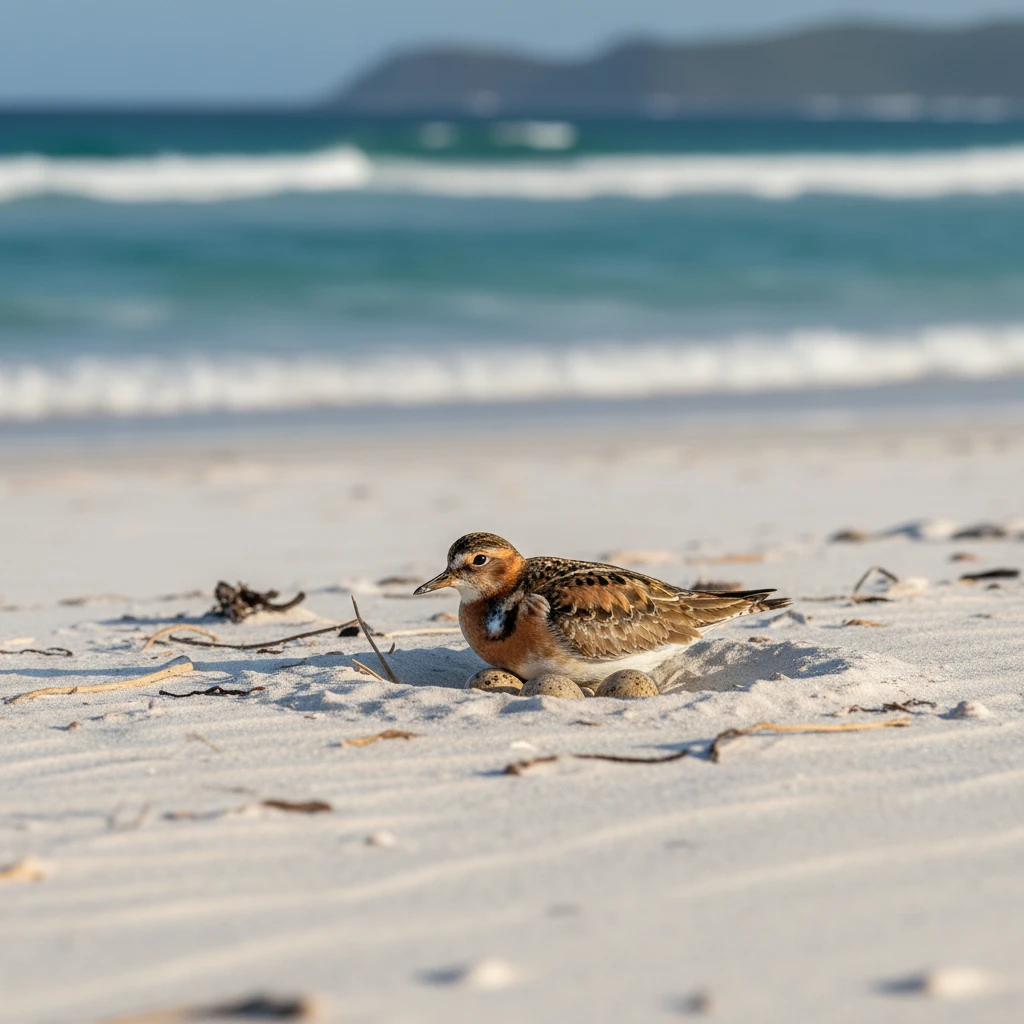
- New Zealand Dotterel: On the sandy beaches, particularly Ladies Bay and Men’s Bay, you may find these endangered shorebirds. Be careful where you step, as their nests are often simple scrapes in the sand above the high-tide mark.
The Arts Trail and Historical Heritage
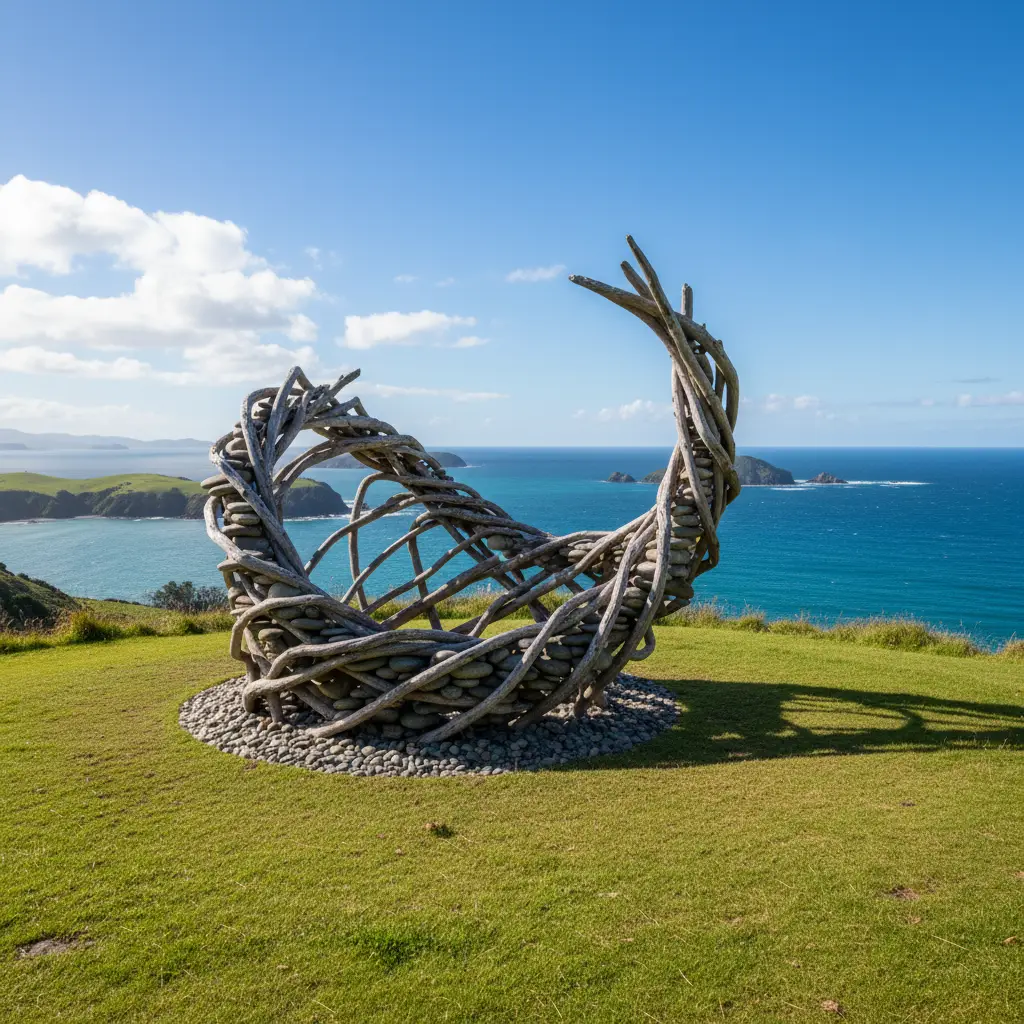
Rotoroa Island offers more than just wildlife; it is a landscape where nature meets culture. The island features an impressive outdoor exhibition known as the Arts Trail, featuring works by renowned New Zealand artist Chris Booth.
Sculptures in the Landscape
The sculptures are designed to integrate seamlessly with the environment, reflecting the island’s history of renewal and isolation. The most prominent work is a massive sculpture located on the southern headland, which serves as a poignant reminder of the island’s past as a place of rehabilitation.
As you hike between birdwatching spots, these installations provide a moment for reflection. The juxtaposition of modern art against the backdrop of the Hauraki Gulf and regenerating native bush creates a unique atmospheric experience that distinguishes Rotoroa from other nature reserves.
The Exhibition Center
To fully understand the context of the island, a visit to the museum and exhibition center is essential. It details the 100-year history of the Salvation Army’s presence. The heritage buildings, including the old jail and the chapel, have been beautifully restored, offering a glimpse into the lives of the people who lived here in isolation seeking recovery.
Ferry Access from Auckland
Rotoroa Island is accessible via a regular ferry service, making it an easy day trip or overnight excursion from Auckland city. However, planning your transport is crucial as services can be seasonal.
Fullers360 Ferry Service
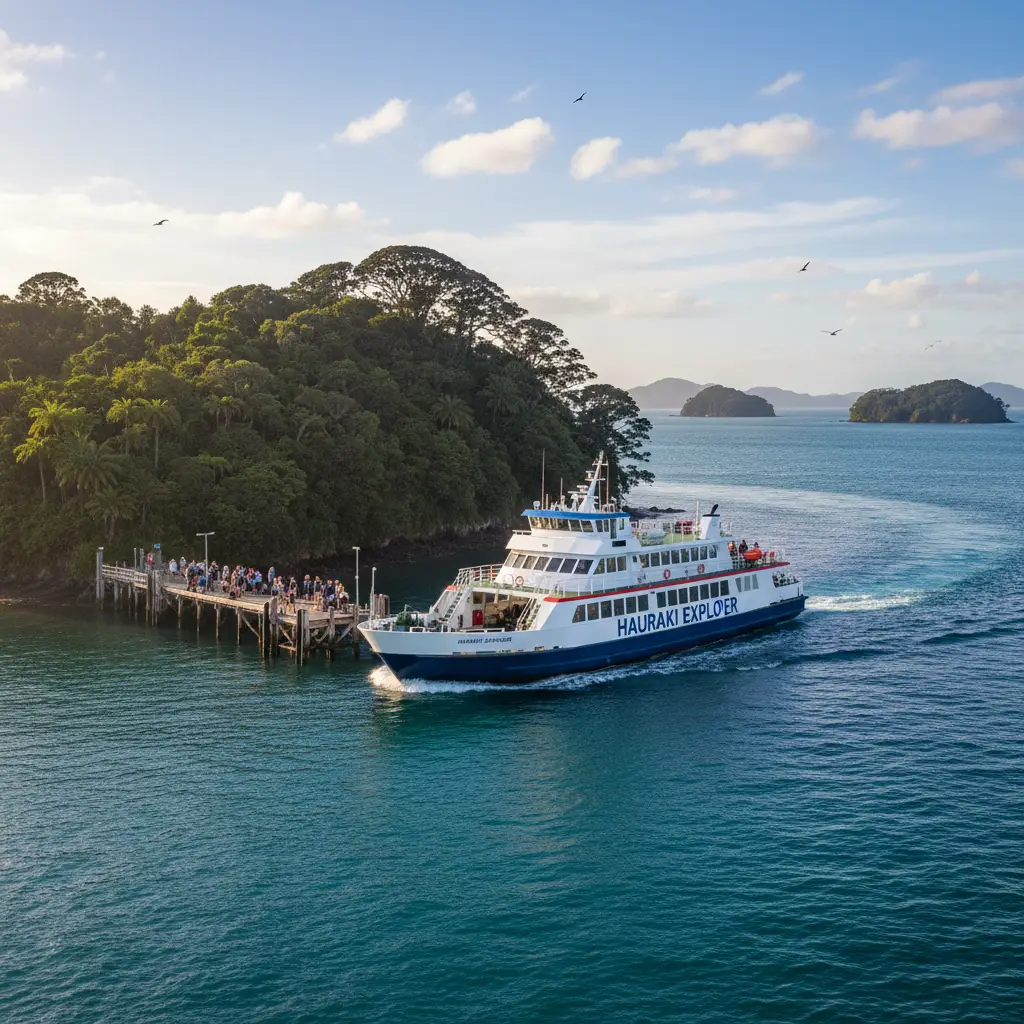
The primary operator to the island is Fullers360. The ferry departs from the Downtown Auckland Ferry Terminal (Queens Wharf). The journey typically takes about 75 minutes, often stopping at Waiheke Island (Orapiu) en route.
- Schedule: Ferries usually run on specific days of the week (often Wednesday to Sunday), but this fluctuates with the season. It is imperative to check the current timetable on the Fullers360 website before planning your trip.
- Coromandel Connection: Occasionally, services connecting the Coromandel Peninsula (Hannaford’s Wharf) to Rotoroa Island are available, providing a link between the city and the peninsula via the island.
Arriving by Private Boat
If you are visiting by private vessel, you are welcome to land at Rotoroa Island. There is a wharf available for drop-offs and pick-ups, but permanent berthing is not permitted. You may anchor in the sheltered bays, such as Home Bay, but you must be mindful of the biosecurity rules before coming ashore.
Accommodation on the Island
To truly experience the Rotoroa Island birds—especially the nocturnal Kiwi—staying overnight is highly recommended. The island offers holiday accommodation managed by the Rotoroa Island Trust. Options range from shared hostel-style bunkrooms to private holiday homes.
The Superintendent’s House
For larger groups or families, the Superintendent’s House is the premium option. This restored heritage building offers 4 bedrooms, a full kitchen, and spacious living areas. It provides a comfortable, historical setting with stunning views over the gulf.
Holiday Homes
There are several other refurbished holiday homes available, typically sleeping up to 6 or 7 people. These are fully self-contained, meaning you have private cooking and bathroom facilities. They are perfect for a secluded getaway.
The Superintendent’s Bunkhouse
For budget-conscious travelers or solo backpackers, the shared bunkhouse is the best choice. It offers affordable beds in a communal setting. Facilities are shared, and it provides a social atmosphere for meeting fellow nature lovers.
Important Accommodation Note: There are no shops or restaurants on Rotoroa Island. Regardless of where you stay, you must bring all your own food and supplies. The water on the island is safe to drink, but bringing a bottle is recommended.
Biosecurity and Visitor Rules
Rotoroa Island’s status as a wildlife sanctuary is hard-won and fragile. To protect the endangered species, strict biosecurity measures are in place. Failure to adhere to these can devastate the local bird population.
Pest-Free Warrant
Before boarding the ferry or stepping onto the island, you must check your gear. Ensure your bags, pockets, and shoes are free of:
- Rodents and Insects: Check for stowaway pests like mice, ants (especially Argentine ants), and plague skinks.
- Seeds and Soil: Scrub your hiking boots to remove soil that may contain kauri dieback disease spores or weed seeds.
General Island Rules
- No Dogs or Pets: No domestic animals are allowed on the island under any circumstances.
- No Fires: The risk of fire is significant; open fires and portable BBQs are prohibited.
- Take Your Trash: Rotoroa operates on a “pack in, pack out” philosophy. There are no rubbish bins on the island. You must take all your garbage back to the mainland with you.
- Stay on Tracks: To protect nesting birds and fragile vegetation, always stick to the marked walking trails.
People Also Ask
Can you stay overnight on Rotoroa Island?
Yes, you can stay overnight on Rotoroa Island. The Rotoroa Island Trust offers several accommodation options, including the Superintendent’s House, private holiday homes, and a shared bunkhouse. Staying overnight is the only way to spot the nocturnal North Island Brown Kiwi. Bookings are essential and must be made in advance.
How long is the ferry ride to Rotoroa Island?
The ferry ride from downtown Auckland to Rotoroa Island takes approximately 75 minutes. The service is operated by Fullers360 and often stops at Waiheke Island’s Orapiu wharf along the way. Travel times can vary slightly depending on sea conditions.
Are there shops or cafes on Rotoroa Island?
No, there are no shops, cafes, or restaurants on Rotoroa Island. Visitors must bring all their own food, snacks, and beverages for the duration of their stay. There are water fountains available to refill bottles, but self-sufficiency regarding food is mandatory.
Is Rotoroa Island suitable for children?
Yes, Rotoroa Island is an excellent destination for children. The walking tracks are generally well-maintained and not overly strenuous. Kids enjoy the beaches and the opportunity to see rare birds like the Weka up close. However, parents should supervise children near water and ensure they respect the wildlife.
Can you swim on Rotoroa Island?
Yes, there are several beautiful sandy beaches on Rotoroa Island where swimming is permitted. Ladies Bay and Men’s Bay are popular spots. The water is generally calm and clear, making it pleasant for a dip during the warmer summer months.
What is the best time of year to visit Rotoroa Island?
The best time to visit is during the New Zealand summer (December to March) for the best weather and swimming opportunities. However, spring (September to November) is fantastic for birdwatching as bird activity is high during the breeding season. Autumn offers stable weather and fewer crowds.