The Tiritiri Matangi ferry is a dedicated passenger service operated exclusively by Explore Group, connecting downtown Auckland and Gulf Harbour to the Hauraki Gulf’s premier open scientific sanctuary. The journey takes approximately 75 minutes from Auckland or 20 minutes from Gulf Harbour, with mandatory biosecurity checks required before boarding to protect the island’s predator-free status.
For nature enthusiasts and eco-travelers visiting New Zealand, securing a spot on the Tiritiri Matangi ferry is the first step toward experiencing one of the world’s most successful conservation projects. As an open sanctuary, Tiritiri Matangi offers a rare opportunity to walk among rare wildlife like the flightless Takahē and the primitive Tuatara. However, because this is a sensitive biological reserve, the logistics of getting there differ significantly from a standard commuter ferry ride.
Ferry Logistics: Providers, Prices, and Timetables
Unlike other destinations in the Hauraki Gulf, such as Waiheke Island, there is only one authorized commercial operator for the Tiritiri Matangi ferry service: Explore Group. This exclusivity ensures that passenger numbers are managed sustainably to protect the island’s ecosystem.
Current Schedule and Frequency
The service typically runs Wednesday through Sunday, with daily departures often added during peak summer months (December through February) and public holidays. It is vital to check the official Explore Group calendar as schedules fluctuate based on seasonality and weather conditions.
- Outbound: The ferry usually departs Auckland Viaduct Harbour at 9:00 AM, picks up passengers at Gulf Harbour at 9:50 AM, and arrives at Tiritiri Matangi around 10:20 AM.
- Return: The return leg departs the island promptly at 2:30 PM (or 3:30 PM in high summer), reversing the route to drop off at Gulf Harbour before continuing to Auckland.
Pro Tip: The ferry waits for no one. Arrive at least 30 minutes prior to departure to clear biosecurity checks and boarding procedures.

Choosing Your Departure: Auckland vs. Gulf Harbour
Travelers have two primary options for boarding the Tiritiri Matangi ferry. Your choice depends largely on your location, budget, and tolerance for sea travel.
Option 1: Departing from Auckland Viaduct Harbour
This is the most popular choice for tourists staying in the CBD. The ferry departs from the Explore kiosk located in the Viaduct (near the Maritime Museum).
Pros:
- Convenience: No need to rent a car or drive out of the city.
- Scenic Route: You get a 75-minute cruise through the Waitematā Harbour, offering views of Rangitoto Island and the North Shore.
- Amenities: Easy access to coffee and breakfast in the Viaduct before departure.
Cons:
- Cost: Tickets from the city are generally more expensive than from Gulf Harbour.
- Duration: The longer travel time may be an issue for those prone to seasickness, although the inner harbor is usually calm.
Option 2: Departing from Gulf Harbour
Located at the end of the Whangaparāoa Peninsula, Gulf Harbour is a marina roughly 45-60 minutes drive north of Auckland City.
Pros:
- Speed: The ferry ride is a short 20-minute hop across the channel.
- Price: Tickets are cheaper due to the shorter distance.
- Stability: Less time on the water reduces the chance of seasickness.
Cons:
- Parking Logistics: While there is parking available at the marina, it can fill up quickly on weekends. You must ensure you park in designated long-term areas to avoid fines.
- Transport: Public transport to Gulf Harbour from the CBD is limited and time-consuming; this option is best for those with a private vehicle.
Critical Biosecurity Checks Before Boarding
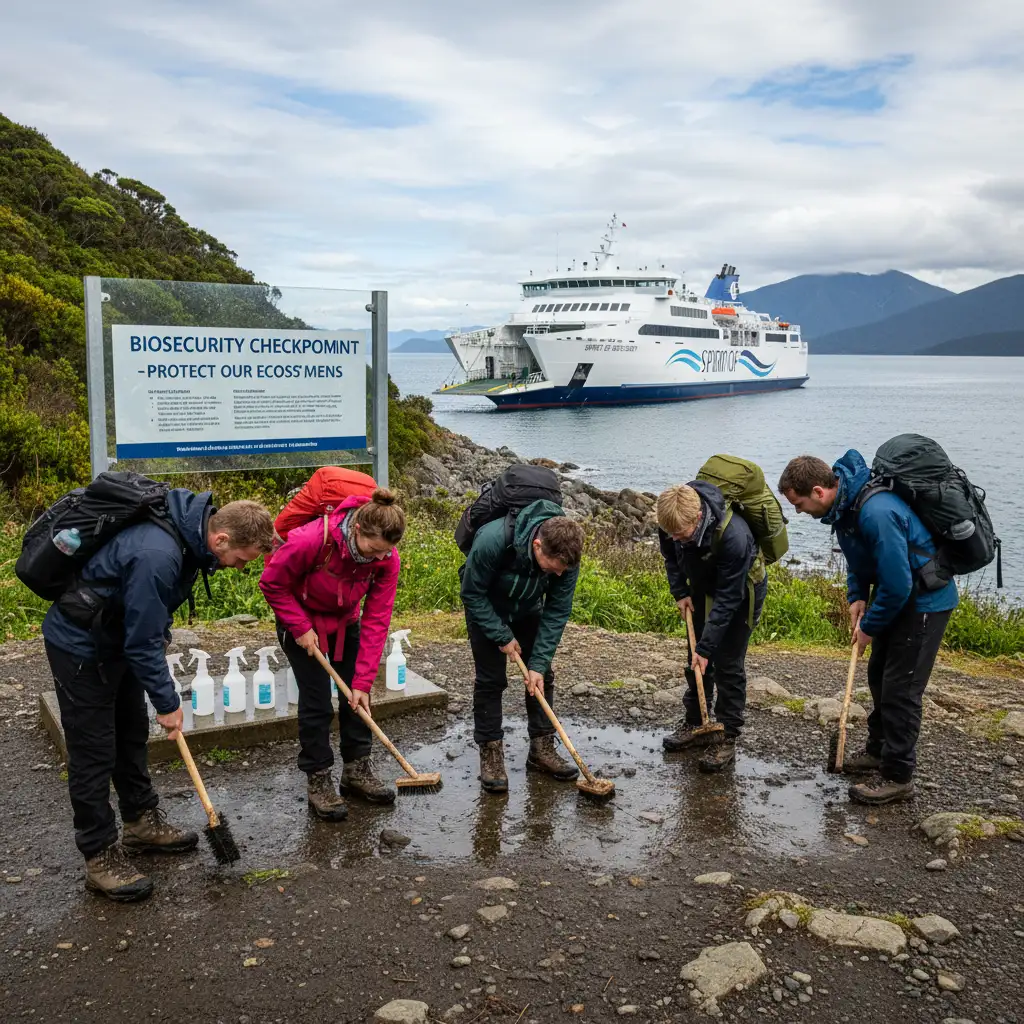
Tiritiri Matangi is a predator-free sanctuary. A single stowaway pest—be it a mouse, an Argentine ant, or a plague skink—could devastate the bird population. Therefore, the biosecurity check is the most critical part of the boarding process.
Before you step onto the Tiritiri Matangi ferry, you must complete a self-check, and staff will inspect your gear. Failure to comply can result in being denied boarding.
The “Check, Clean, Close” Protocol
- Check Your Bags: Empty your backpack completely before packing. Shake it out to ensure no insects or rodents are hiding in pockets. Check all velcro and mesh pockets for seeds.
- Clean Your Footwear: Your shoes must be free of soil and seeds. Scrub the soles thoroughly before leaving home. There are scrubbing stations at the wharf, but arriving with dirty boots delays the queue.
- Seal Your Food: All food must be in sealed, rodent-proof containers (like Tupperware). Plastic supermarket bags or open tote bags are not acceptable as they are easily penetrated by pests.
How Long to Spend on the Island
Because the ferry schedule is fixed (drop off in the morning, pick up in the afternoon), you will have approximately 4 to 5 hours on the island. For most visitors, this is the perfect amount of time to explore the main tracks, visit the lighthouse, and enjoy a lunch break.
Sample Itinerary (5 Hours)
- 10:30 AM – 12:00 PM: Take the Wattle Track (mostly boardwalk) up to the Visitor Centre. This is a slow walk because you will be stopping constantly to photograph birds.
- 12:00 PM – 12:45 PM: Lunch at the Visitor Centre courtyard. Free tea and coffee are usually available (donations appreciated), but you must bring your own food.
- 12:45 PM – 1:30 PM: Explore the Lighthouse and the gift shop. Listen to the daily ranger talk if scheduled.
- 1:30 PM – 2:30 PM: Take the Kawerau Track back down to the wharf. This offers different vegetation and coastal views.
Booking Guided Walks vs. Independent Hiking
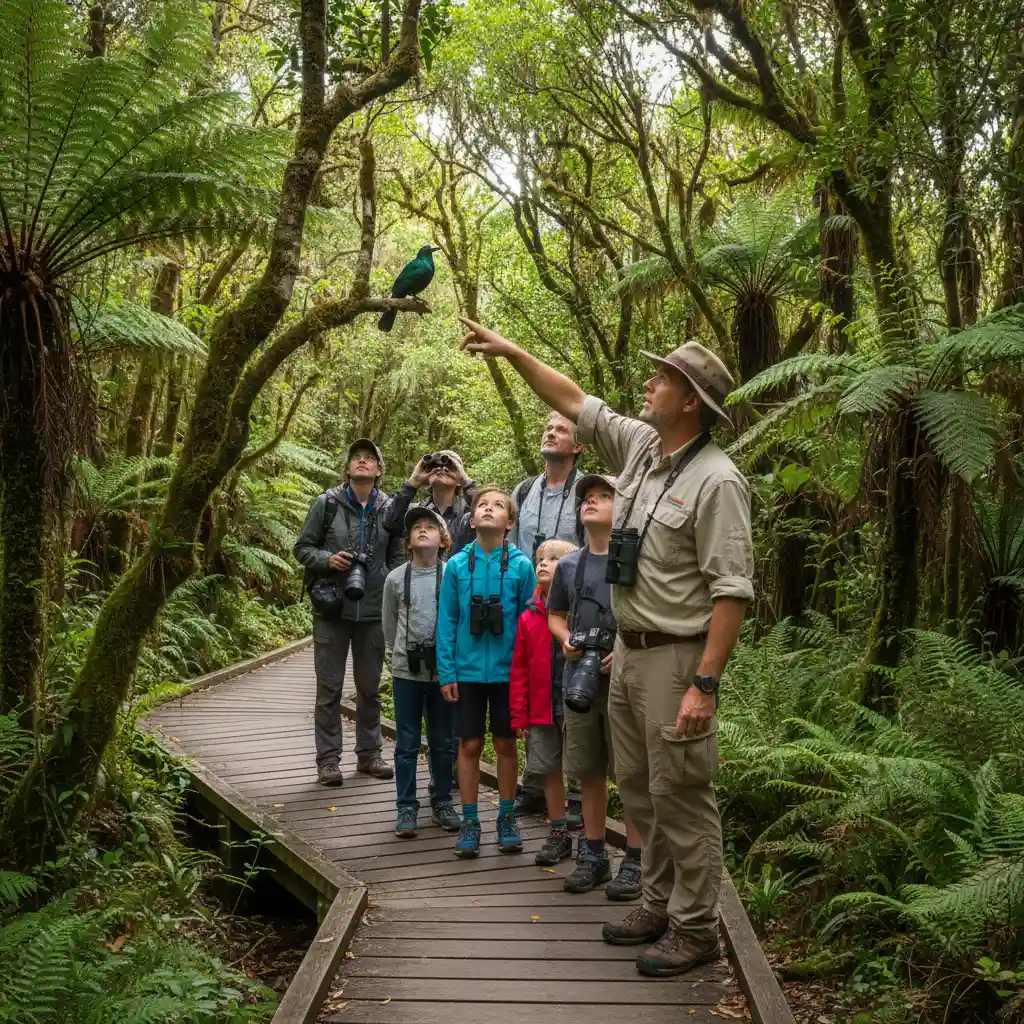
One of the most common questions is whether to pay extra for a guided walk. The Supporters of Tiritiri Matangi offer guided tours that coincide with the ferry arrival.
Why Book a Guided Walk?
We highly recommend the guided walk for first-time visitors. The guides are volunteers who know exactly where specific birds were last seen. They can identify bird calls that an untrained ear would miss and provide rich historical context about the island’s reforestation.
How to Book:
You can pre-book a guided walk when you purchase your ferry ticket through Explore Group. The cost is nominal (usually around $10-$20 NZD), and the proceeds go directly back into the conservation efforts on the island.
Independent Walking
If you prefer solitude or are a serious photographer who wants to wait patiently in one spot for the perfect shot, independent walking is better. The tracks are incredibly well-marked, and you will undoubtedly see birdlife even without a guide. The island is small enough that getting lost is virtually impossible.
Packing List: What to Bring (and Leave Behind)
Tiritiri Matangi is a “pack in, pack out” destination with limited facilities. Being unprepared can make for an uncomfortable day.
Must-Have Items
- Water: Bring at least 1.5 liters per person. While there is water at the visitor center, having it on the trail is essential.
- Food: There is no cafe and no food for sale on the island. You must bring a packed lunch and snacks.
- Layers: The island is exposed. Even on sunny days, the wind can be cold. Bring a windbreaker or rain jacket.
- Sun Protection: The New Zealand sun is harsh. High SPF sunscreen, sunglasses, and a hat are non-negotiable.
- Camera/Binoculars: If you don’t have a zoom lens, binoculars are the best way to appreciate the wildlife.
Prohibited Items
- Pets: Absolutely no dogs or other animals.
- Bicycles: The tracks are for walking only.
- Drones: Drones are strictly prohibited to prevent disturbing the birds.
Wildlife Guide: What You Will See
The primary motivation for booking the Tiritiri Matangi ferry is the birdlife. The island is an “open sanctuary,” meaning there are no cages; the birds roam wild.
The Big Ticket Birds
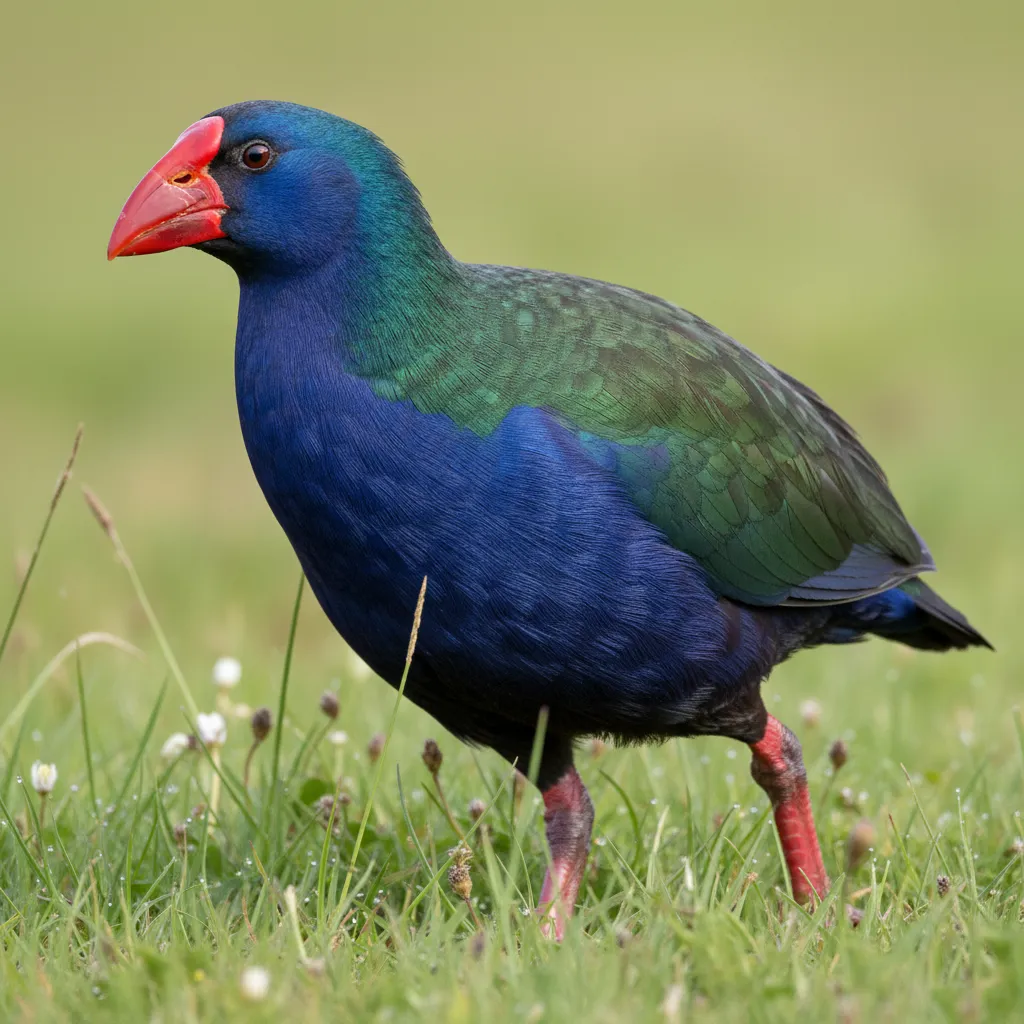
- Takahē: These large, flightless, prehistoric-looking birds are often seen grazing near the lighthouse or the visitor center. They are one of New Zealand’s rarest species.
- Kōkako: Famous for their hauntingly beautiful song (which sounds like an organ), these blue-wattled birds are often spotted in the wattle forest.
- Tīeke (Saddleback): You will hear them before you see them. They are noisy, active, and have a distinctive chestnut “saddle” on their back.
- Little Blue Penguins (Kororā): While they are usually at sea during the day, you can sometimes spot them in the nesting boxes near the wharf (look through the viewing holes).
People Also Ask
Do I need to book the Tiritiri Matangi ferry in advance?
Yes, booking in advance is highly recommended, especially during summer weekends and public holidays. The ferry has a capped capacity to protect the island, and tickets frequently sell out days or weeks ahead.
Is there a cafe or food shop on Tiritiri Matangi Island?
No, there are no food vendors on the island. The gift shop sells cold drinks and occasionally ice blocks, but you must bring your own lunch and snacks. Complimentary tea and coffee are available at the Visitor Centre for a donation.
Can I stay overnight on Tiritiri Matangi?
Yes, there is a Department of Conservation (DOC) bunkhouse available for overnight stays. However, this must be booked well in advance via the DOC website, and you must arrange your ferry transport to match your accommodation dates.
Is the track on Tiritiri Matangi difficult to walk?
No, the tracks are generally well-maintained and range from easy to moderate. The main track to the lighthouse involves an uphill walk, but it is gradual. There is also a vehicle that can transport visitors with limited mobility to the top for a small fee (subject to availability).
What happens if the weather is bad?
Ferry sailings are weather-dependent. If conditions are too rough, Explore Group will cancel the sailing for safety reasons. In this event, you will typically be offered a full refund or the option to reschedule to a different date.
Are there toilets on the island?
Yes, there are toilet facilities located at the wharf upon arrival and at the Visitor Centre near the lighthouse. There are no toilets along the walking tracks between these two points.