Stewart Island accommodation options range from the historic South Sea Hotel and boutique eco-lodges to private holiday homes known as “cribs” and backpacker hostels. For wilderness enthusiasts, the Department of Conservation (DOC) manages a network of huts along the Rakiura Track. Due to limited island infrastructure, booking months in advance for the peak summer season is critical.
What are the main accommodation types on Stewart Island?
Stewart Island (Rakiura) offers a distinct departure from the commercialized tourism found on the New Zealand mainland. Accommodation here is concentrated almost exclusively within the township of Oban and its immediate surrounds in Halfmoon Bay. The options generally fall into four distinct categories: traditional hotel/lodge hospitality, private holiday homes, backpacker hostels, and wilderness huts.
Visitors must understand the unique constraints of the island. As an eco-tourism destination, resources such as water and electricity are precious. Many accommodations operate on rainwater tank systems, and while the power grid is reliable in Oban, the ethos is one of conservation. Whether you are a luxury traveler seeking an eco-retreat or a tramper preparing for the Great Walk, understanding the landscape of available lodgings is the first step in planning a successful trip to New Zealand’s third island.

What makes the South Sea Hotel the central hub?
The South Sea Hotel is more than just a place to sleep; it is the social and geographical heart of Oban. Located directly on the waterfront, it serves as the primary meeting point for locals and tourists alike. For many visitors, staying here offers the most convenient access to the island’s amenities, including the ferry terminal, the flight depot, and the general store.
Room Types and Amenities
The hotel retains a classic Kiwi pub atmosphere. Accommodation options within the hotel generally include:
- Studio Units: These are modern, motel-style units located adjacent to the main building. They typically offer en-suite bathrooms, tea and coffee making facilities, and sometimes small kitchenettes. These are ideal for couples or travelers seeking privacy and comfort.
- Hotel Rooms: Located upstairs in the historic main building, these rooms are more traditional. They often share bathroom facilities down the hall, reflecting the historic nature of the building. These rooms are often more affordable and offer a nostalgic experience.
The Social Experience
The downstairs pub and restaurant are where the island’s pulse beats. It is famous for its blue cod and chips and its Sunday night quiz. Staying at the South Sea Hotel means you are never far from a meal or a conversation with a local fisherman. However, light sleepers should be aware that because it is the main social venue in town, it can be lively during peak summer evenings.
Why choose Private Rentals and “Cribs”?
In the southern part of New Zealand, a holiday home is affectionately known as a “crib” (equivalent to the North Island “bach”). Renting a private crib is arguably the most authentic way to experience Stewart Island, particularly for families or groups staying for three days or longer.
The “Crib” Experience
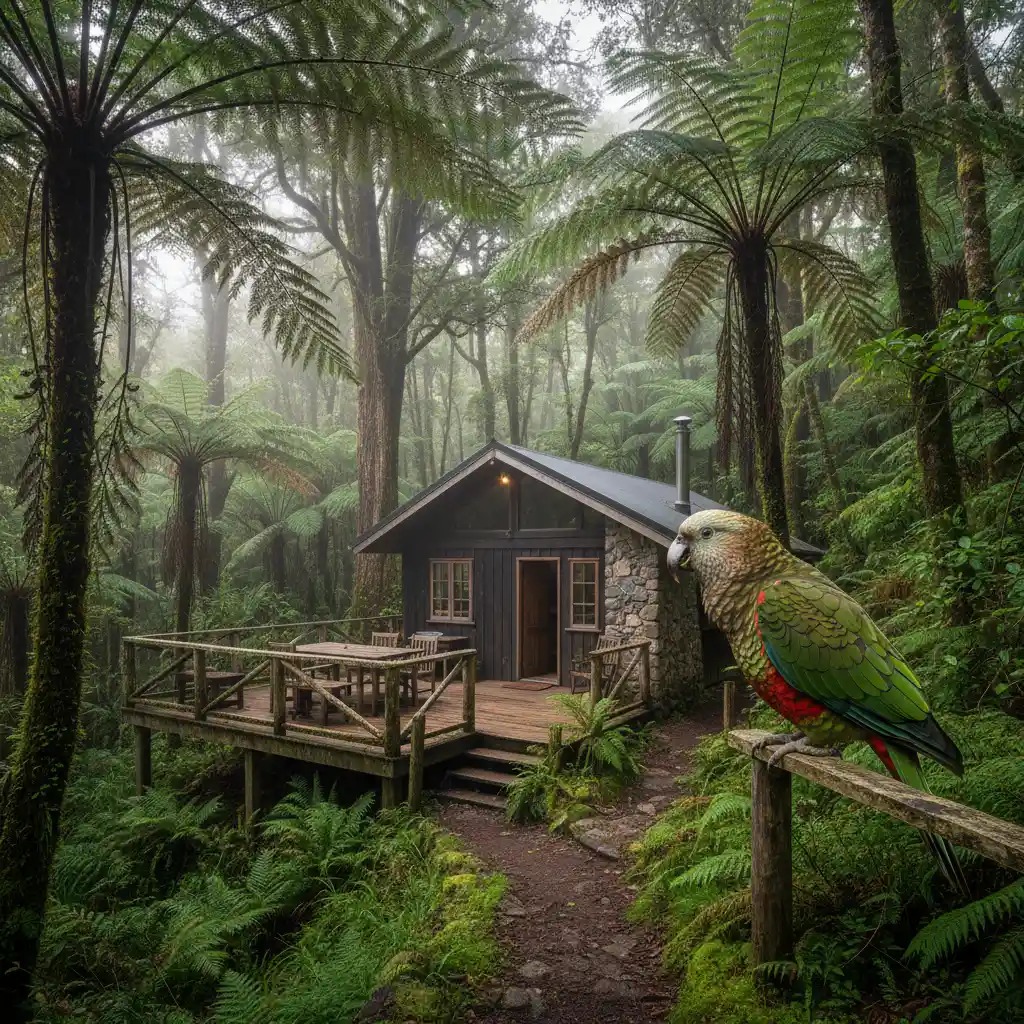
Private rentals range from retro 1970s A-frames nestled in the bush to modern, architectural homes with sweeping views of Paterson Inlet. The primary advantage of a crib is self-sufficiency. You have access to a full kitchen, which is crucial given the limited number of dining establishments on the island.
Key Considerations for Rentals:
- Vehicle Requirement: While Oban is small, some cribs are located up steep hills or several kilometers from the shop. Check if your rental includes a vehicle (some do) or if you will need to rent a car or e-bike.
- Utilities: Most cribs rely on tank water. Guests are strictly reminded to be mindful of water usage, especially during dry summer spells.
- Birdlife: It is common to have Kaka (native parrots) land on the deck of your private rental. This intimate connection with nature is a major selling point for private accommodation.
How do DOC Huts compare to private rentals?
For those visiting Stewart Island specifically for hiking (tramping), the accommodation landscape shifts from comfort to utility. The Department of Conservation (DOC) manages a network of huts that are essential for traversing the Rakiura National Park.
The Rakiura Track (Great Walk)
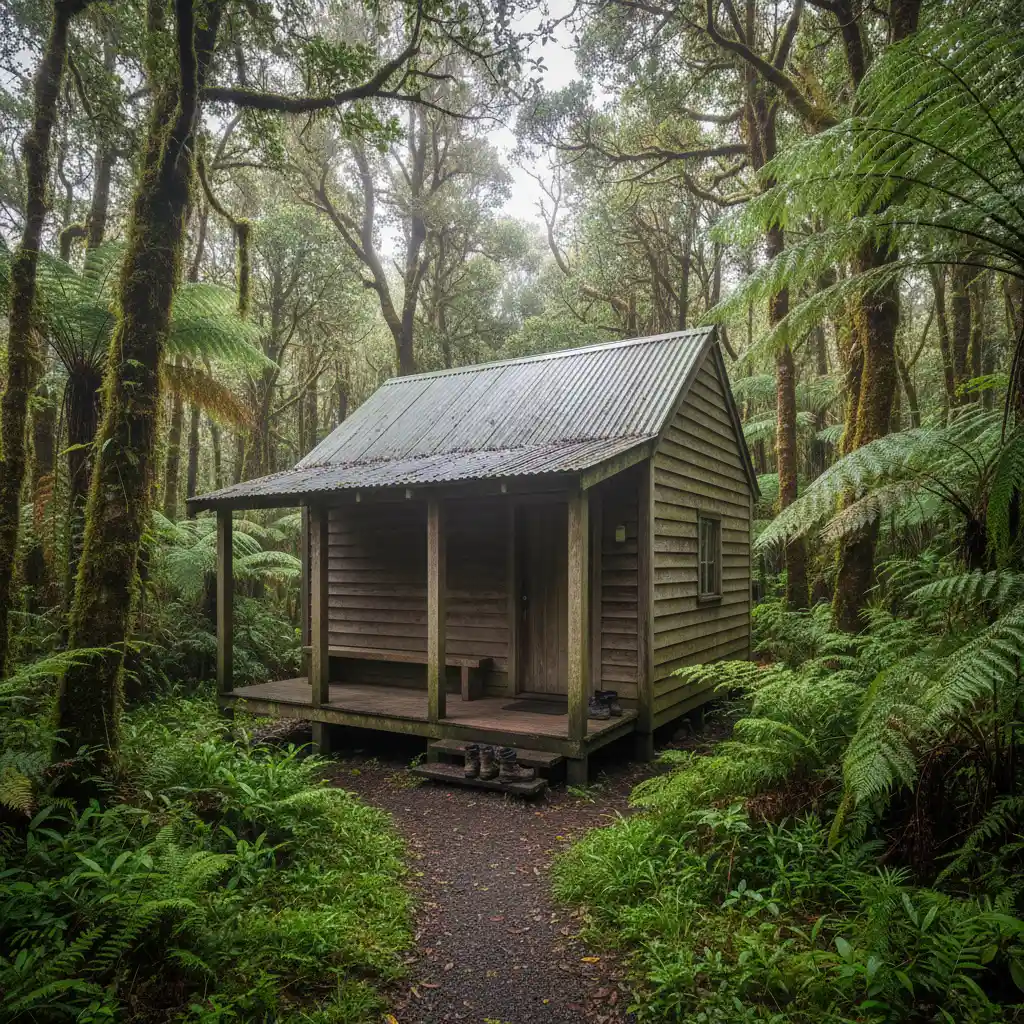
The Rakiura Track is one of New Zealand’s Great Walks. It features two main huts: Port William Hut and North Arm Hut. These are not basic shelters; they are well-maintained facilities with bunks, mattresses, heating, and water supply. However, they do not have electricity or food services.
Booking Rule: During the Great Walks season, these huts must be booked well in advance via the DOC website. You cannot simply turn up and expect a bunk.
Backcountry Huts
Beyond the Great Walk, the North West Circuit and Southern Circuit tracks utilize backcountry huts. These are more basic than the Great Walk huts. They operate on a first-come, first-served basis (using backcountry hut tickets or passes), and are intended for experienced trampers carrying full survival gear.
Private Hostels
For budget travelers who are not hiking overnight, Oban offers backpacker hostels. These provide dormitory-style beds and communal kitchens. They are excellent places to meet fellow travelers and exchange information about track conditions and kiwi spotting locations.
Are there luxury options on Stewart Island?
While Stewart Island is rugged, it is not devoid of luxury. In recent years, the independent travel market has seen a rise in boutique lodges catering to high-end eco-tourists.
Properties such as the Stewart Island Lodge or Church Hill Boutique Lodge & Restaurant offer a significant step up in amenities. These accommodations typically provide:
- Elevated Views: Often situated on hillsides overlooking Halfmoon Bay.
- Hosted Experiences: Personalized service where hosts provide breakfast and local insights.
- Privacy: Fewer rooms (often only 3-6 suites) ensuring a quiet atmosphere.
These options are popular with international visitors and couples celebrating special occasions. They combine the raw beauty of the island with the comforts of 5-star hospitality, including transfer services and gourmet dining on-site.
When should you book accommodation?
The concept of “Local” search intent implies you need actionable advice on timing. Stewart Island has a very distinct seasonality, and capacity is the biggest challenge for visitors.
The Peak Window (October to April)
During the summer months, demand far exceeds supply. The population of Oban swells, and every bed—from bunk to suite—is often occupied.
- Strategy: You should aim to book your accommodation at least 3 to 5 months in advance for travel in January or February.
- Christmas/New Year: This period is often booked out 6-12 months ahead.
The Shoulder and Off-Season (May to September)
Winter on Rakiura is a secret gem for independent travelers. While the weather is cooler and days are shorter, the accommodation availability is much better, and prices may drop slightly. This is also the best time to view the Aurora Australis (Southern Lights). However, be aware that some restaurants and tour operators may reduce their hours or close for maintenance during August.
How do luggage transfers work?
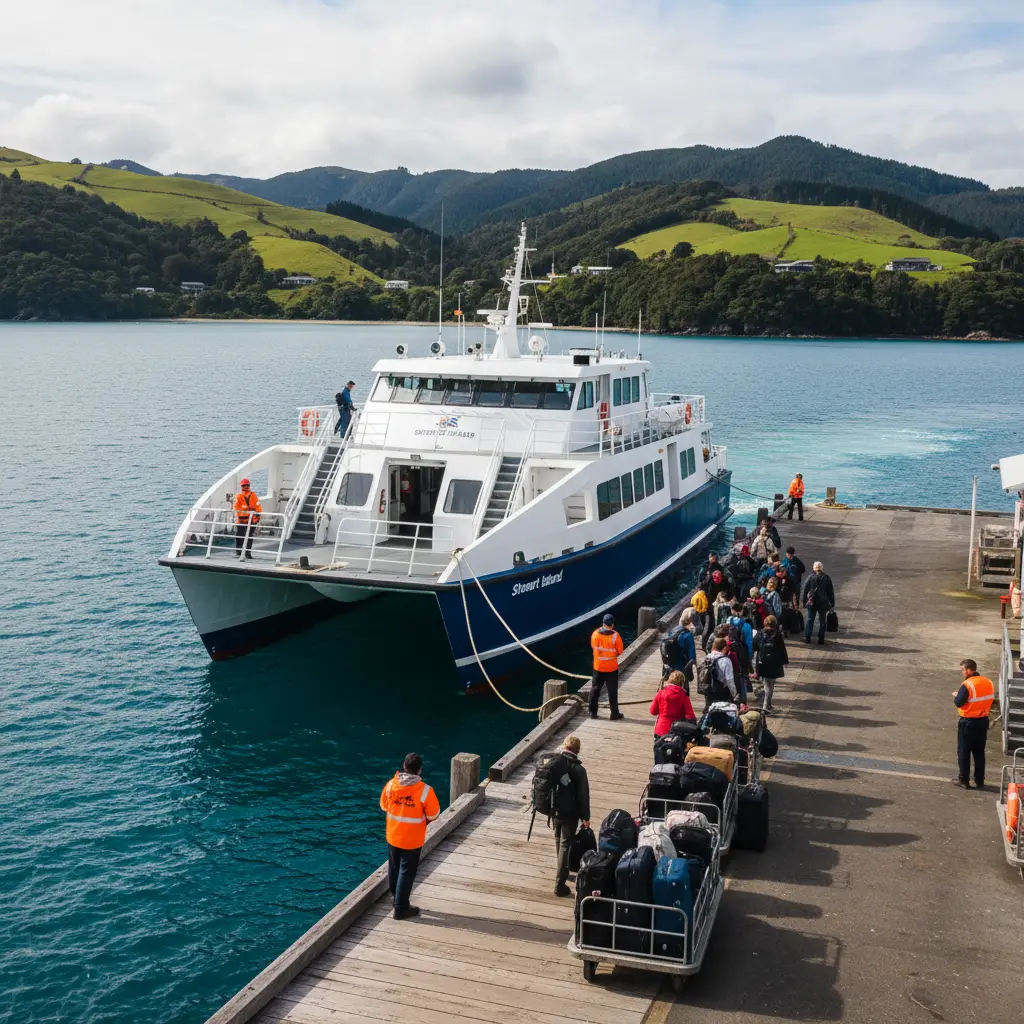
A unique aspect of Stewart Island accommodation is the logistics of getting your bags from the ferry or airfield to your bed. Oban is hilly, and dragging a suitcase from the wharf to a rental home on a ridge is not recommended.
Luggage Transfer Services
Most accommodation providers offer a transfer service. When you book, you will be asked for your arrival details (ferry time or flight number).
- Hotels/Lodges: Usually have a courtesy van waiting at the terminal.
- Private Rentals: Often utilize a third-party luggage transfer service or the property manager will meet you. If you are renting a car, the rental company will meet you at the terminal.
- Baggage Limits: If arriving by flight (Stewart Island Flights), be mindful of strict weight limits (usually 15kg per person). The ferry (RealNZ) is more lenient with weight but requires bags to be stowed properly.
People Also Ask
Can you stay on Stewart Island without booking?
It is highly risky to arrive on Stewart Island without a booking, especially between October and April. Accommodation capacity is very limited, and there are no overflow facilities. You may be forced to return to the mainland on the last ferry if no beds are available.
Is there camping on Stewart Island?
Yes, but freedom camping is generally prohibited near the township to protect the environment. You must use designated campsites. There is a managed campground in Oban (Ferndale) and various DOC campsites along the walking tracks which require small fees or bookings.
How many days should I stay on Stewart Island?
A minimum of two nights is recommended to experience the island’s atmosphere. Three to four nights allows time for a trip to Ulva Island, a kiwi spotting tour, and some relaxation without rushing. Day trips are possible but often feel too hurried.
Do Stewart Island accommodations have Wi-Fi?
Most accommodations in Oban provide Wi-Fi, though speeds can vary compared to the mainland. Once you leave the township or enter the National Park huts, there is no Wi-Fi and very limited cell phone coverage.
Are linens provided in Stewart Island cribs?
This varies by rental. Many “Bach/Crib” listings on platforms like Airbnb will specify if linen is included or if there is an extra charge. Higher-end rentals always include linen, while budget private rentals might ask you to bring your own sheets and towels.
Is it better to stay in a hotel or a holiday home on Stewart Island?
If you prefer eating out and want social interaction, a hotel or lodge in the center of Oban is better. If you want to cook your own meals, save money as a group, and enjoy privacy in the bush, a holiday home (crib) is the superior choice.