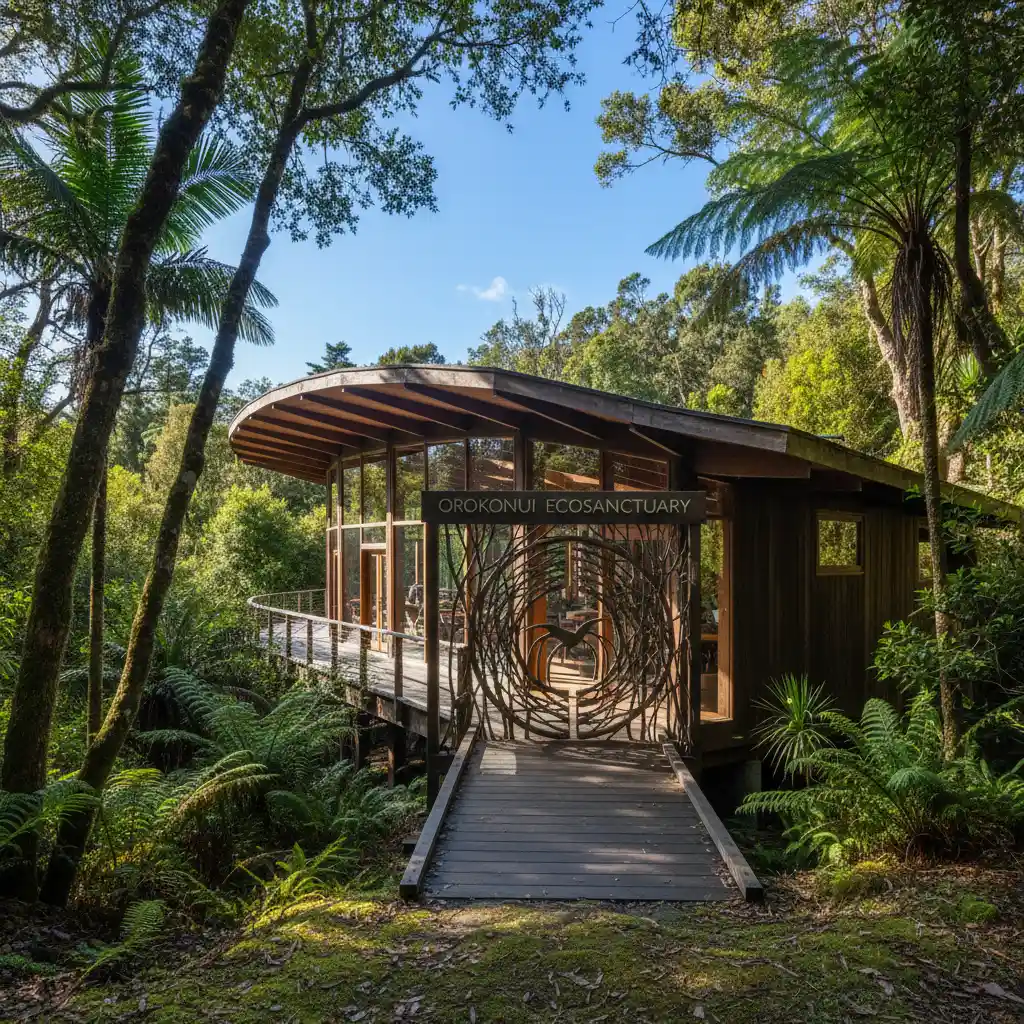
The most reliable Orokonui Ecosanctuary transport option is driving a private vehicle or rental car, which takes approximately 25 minutes from Dunedin’s Octagon via State Highway 1 or the scenic Mount Cargill Road. While public buses service the nearby Waitati township, they do not travel up the steep hill to the sanctuary entrance, making shuttle tours or taxis the best alternatives for non-drivers.
Introduction to Orokonui Logistics
Visiting the Orokonui Ecosanctuary is a highlight for many eco-tourists exploring the South Island of New Zealand. Located approximately 20 kilometers (12 miles) north of Dunedin, this predator-free cloud forest offers a sanctuary for Tuatara, Kiwi, and Kākā. However, its location on the upper slopes of the Blueskin Bay catchment means that getting there requires a bit of planning.
Unlike many urban attractions, Orokonui is situated in a semi-rural, high-altitude environment. This geography is essential for the flora and fauna protected within the fence, but it presents specific challenges for transport. Whether you are an independent traveler with a campervan, a cruise ship passenger docking in Port Chalmers, or a backpacker relying on public transit, understanding your transport options is critical to ensuring your visit is stress-free.
Driving from Dunedin CBD: The Preferred Route
For the vast majority of visitors, self-driving is the most efficient and flexible method of Orokonui Ecosanctuary transport. The drive is relatively short, scenic, and well-signposted, allowing you to operate on your own schedule without waiting for scheduled pickups.
Route Option 1: State Highway 1 (The Northern Motorway)
This is the fastest route and generally the easiest for those unfamiliar with New Zealand roads. From the Dunedin Octagon, head north on George Street, which eventually merges onto State Highway 1 (SH1). You will climb out of the city, passing through the Pine Hill suburb.
Continue on SH1 for approximately 15 minutes. As you descend towards Waitati, look for the clear brown tourism signage indicating “Orokonui Ecosanctuary.” You will turn left onto Waitati Valley Road, then take an immediate left onto Blueskin Road. The sanctuary entrance is located about 2 kilometers up this road on the right-hand side. The total drive time is roughly 20–25 minutes.
Route Option 2: The Scenic Mount Cargill Road
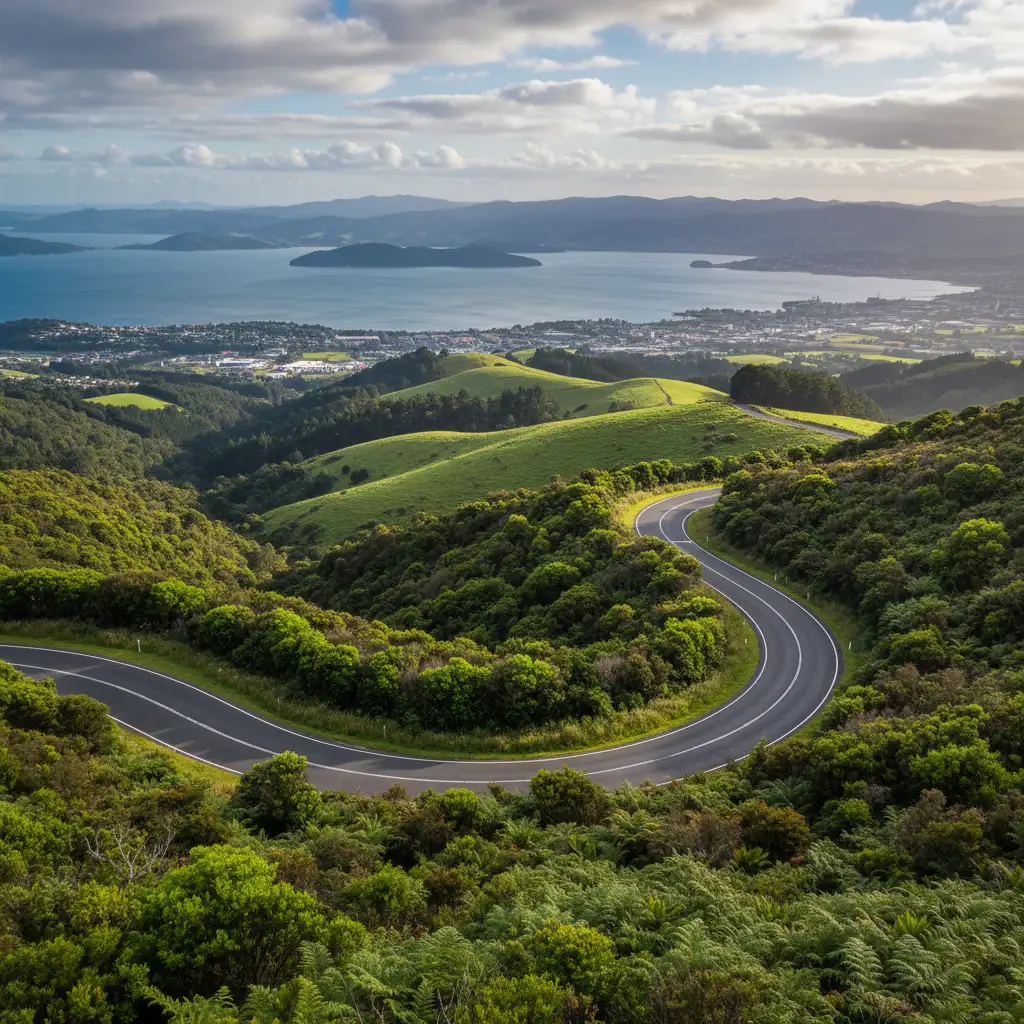
If you are not in a rush and want to experience spectacular panoramic views of the Otago Peninsula and Otago Harbour, the Mount Cargill route is highly recommended. Instead of staying on SH1, turn off towards Mount Cargill/Port Chalmers (often signposted near the Botanical Gardens).
Follow the winding road up the mountain. This route is narrower and more technical than the highway, so caution is advised, especially in winter when ice can be present. The road eventually connects with Blueskin Road. This route adds about 10–15 minutes to your journey but offers some of the best photo opportunities in the region.
Public Transport Limitations: The “Last Mile” Problem
A common misconception among budget travelers is that the Dunedin public bus network services the Ecosanctuary directly. It is crucial to clarify that no public bus goes to the sanctuary gate.
The Bus to Waitati
The Otago Regional Council operates the Route 1 (Palmerston) and Route 63 (Waitati) buses. These buses depart from central Dunedin and travel north to the township of Waitati. The fare is affordable (usually under $5 NZD with a Bee Card), and the service is reliable.
The Challenge of the Uphill Walk
The bus drops passengers in Waitati village. From the bus stop to the Orokonui Ecosanctuary Visitor Centre, there is a distance of approximately 3.5 kilometers. However, the critical factor is the elevation gain. The road from Waitati to the sanctuary is a steep, winding uphill climb with no dedicated footpath and narrow shoulders.
Walking this route takes an average person 45 to 60 minutes and requires a moderate to high level of fitness. If you choose this option, you must be prepared for highway traffic and changing weather conditions. For most tourists, relying solely on the public bus is not recommended unless you have arranged a pickup from the bus stop or are prepared for a strenuous hike before your tour even begins.
Shuttle Services and Private Eco-Tours
For those without a vehicle who wish to avoid the steep walk from the bus stop, booking a shuttle or a guided tour is the premier solution. This sector of the market caters specifically to eco-tourists who prioritize convenience and local knowledge.
Dedicated Ecosanctuary Shuttles
Periodically, the Ecosanctuary itself or partner transport providers offer shuttle services during peak summer months (December through March). It is highly advisable to check the official Orokonui website or contact their visitor center directly to see if a dedicated shuttle is running during your visit.
Private Tour Operators
Several Dunedin-based eco-tourism companies include Orokonui as a key stop in their itineraries. Companies such as Elm Wildlife Tours, Horizon Tours, or other local operators often provide door-to-door transport from Dunedin CBD hotels.
Benefits of Private Tours:
- Expert Commentary: The drive usually includes commentary on Dunedin’s history and ecology.
- Combined Itineraries: These tours often combine Orokonui with other attractions like the Royal Albatross Centre or Penguin Place.
- Stress-Free Logistics: No need to worry about navigation, parking, or timing.

Taxis and Rideshare Considerations
Using services like Uber or local taxi companies (e.g., Dunedin Taxis, Southern Taxis) is a viable but potentially expensive option for Orokonui Ecosanctuary transport.
Cost Analysis
A one-way fare from the Octagon to the Ecosanctuary can range from $60 to $90 NZD, depending on the time of day and surge pricing. A round trip could easily cost between $120 and $180 NZD, which may be more expensive than renting a car for the day.
The Return Trip Availability Issue
The most significant risk with rideshare apps like Uber is availability for the return leg. While getting a driver to take you to the sanctuary from the city is easy, getting a driver to come out to the semi-rural Blueskin Road location to pick you up can be difficult. Drivers may decline the ride due to the distance from the city center.
If you choose to take a taxi, it is strongly recommended that you negotiate a fixed price for a return trip or arrange for the driver to return at a set time to collect you. Do not rely on finding an available Uber instantly when you are ready to leave.
Combining Transport with Port Chalmers
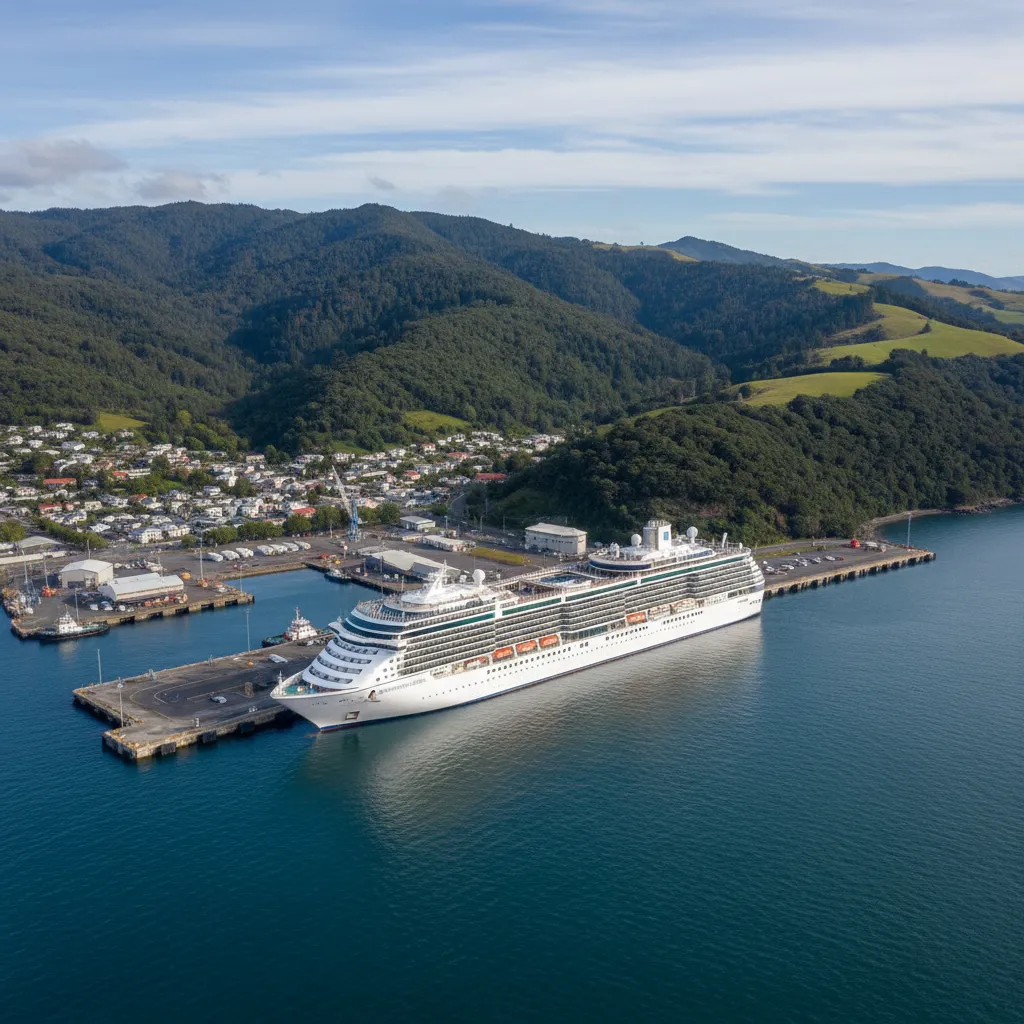
Many visitors to Dunedin arrive via cruise ships docking at Port Chalmers. Orokonui is geographically closer to Port Chalmers than it is to Dunedin CBD, making it an excellent shore excursion.
The “Back Road” Route
There is a direct route connecting Port Chalmers to Orokonui via Blueskin Road. This drive takes approximately 15 minutes. It bypasses the main highway and offers stunning views over the inlet.
Transport for Cruise Passengers
Cruise passengers generally have two main options:
- Pre-booked Ship Excursions: Most cruise lines offer an official excursion to Orokonui. This is the safest option regarding ship departure times.
- Private Charters from Port: Local operators often wait at the port terminal. You can hire a private van or taxi for a few hours to take you to the sanctuary, wait (or return), and bring you back to the ship. This is often cheaper than the ship’s excursion if you have a group of 4 or more.
Cycling and Active Transport
For the fitness enthusiast, cycling to Orokonui is a rewarding challenge. Dunedin is becoming increasingly cycle-friendly, though the terrain remains demanding.
E-Bikes: The Game Changer
With the rise of e-bikes, the climb up Mount Cargill or the ascent from Waitati is much more manageable. Several rental shops in Dunedin CBD offer high-quality e-bikes capable of the distance and elevation.
The ride via Mount Cargill Road is part of a popular local cycling loop. It offers low traffic volume compared to SH1 (which should be avoided by cyclists due to high speeds and heavy freight trucks). Once at the sanctuary, there are places to lock your bike. Be aware that you cannot ride bikes inside the sanctuary fence; it is a walking-only zone to protect the wildlife.
Accessibility and Parking Logistics
Once you arrive at the sanctuary, the logistics are straightforward. The facility is designed to be accessible and welcoming.
Parking Facilities
There is ample free parking available directly outside the Visitor Centre. The car park is sealed and includes designated spots for disability permit holders. Even during peak season, parking is rarely an issue due to the flow of visitors.
EV Charging
Aligning with its conservation ethos, Orokonui Ecosanctuary hosts electric vehicle (EV) charging stations. This allows eco-conscious travelers to top up their vehicles while exploring the forest. It is advisable to check apps like PlugShare for the current status and compatibility of these chargers before arrival.
Wheelchair Access
The Visitor Centre, café, and the upper trails of the sanctuary are wheelchair accessible. If you are arriving via a specialized mobility transport vehicle, they can drop you right at the front door. The transport options mentioned above (particularly private tours and taxis) can usually accommodate folding wheelchairs, but it is best to confirm with the specific operator beforehand.
Frequently Asked Questions
Is there a direct bus from Dunedin to Orokonui Ecosanctuary?
No, there is no direct public bus that stops at the sanctuary gate. The closest bus stop is in Waitati, which is a steep 3.5km walk away. Most visitors drive or take a shuttle.
How much does an Uber cost from Dunedin to Orokonui?
An Uber usually costs between $60 and $90 NZD one way. However, availability for the return trip from the sanctuary back to the city can be very limited.
Can I drive a rental car to Orokonui Ecosanctuary?
Yes, driving a rental car is the best option. The roads are sealed and well-maintained. The drive takes about 25 minutes from the city center, and there is free parking on-site.
How far is Orokonui Ecosanctuary from the cruise ship terminal?
The sanctuary is approximately a 15-minute drive from the Port Chalmers cruise terminal via Blueskin Road. It is a popular and accessible shore excursion.
Is there EV charging at Orokonui Ecosanctuary?
Yes, the sanctuary provides EV charging facilities in the main car park, allowing visitors to charge their electric vehicles while they explore the forest.
What is the best scenic route to drive to Orokonui?
The Mount Cargill Road route is the most scenic option. It takes slightly longer than the highway but offers incredible views of the Otago Harbour and Peninsula.