To book a Zealandia Night Tour, visit the official Zealandia Ecosanctuary website or authorized travel partners to secure reservations at least 3-4 weeks in advance. These guided, torch-lit tours provide exclusive access to the sanctuary after dark, offering an approximate 80% success rate for spotting wild Little Spotted Kiwi in their natural habitat.
Wellington, New Zealand, holds a secret that only reveals itself after sunset. Just minutes from the central business district lies a prehistoric valley that transports visitors back to a time before humans arrived in Aotearoa. The Zealandia Te Māra a Tāne Night Tour is not merely a walk in the park; it is a highly sought-after ecotourism experience that requires strategic planning to secure. As the premier location for spotting wild kiwi on the North Island, demand frequently outstrips supply.
This comprehensive guide details everything required to successfully book your tour, prepare for the elements, and maximize your chances of witnessing the elusive nocturnal wildlife of New Zealand.
The Night Tour Experience: Why Book?
Understanding the distinction between general admission and the night tour is critical for travelers. While the sanctuary is open during the day for self-guided walks, the fence gates lock at dusk. The only way to access the 225-hectare sanctuary after dark is by securing a spot on a guided Night Tour. This exclusivity ensures small group sizes and minimal disturbance to the wildlife.
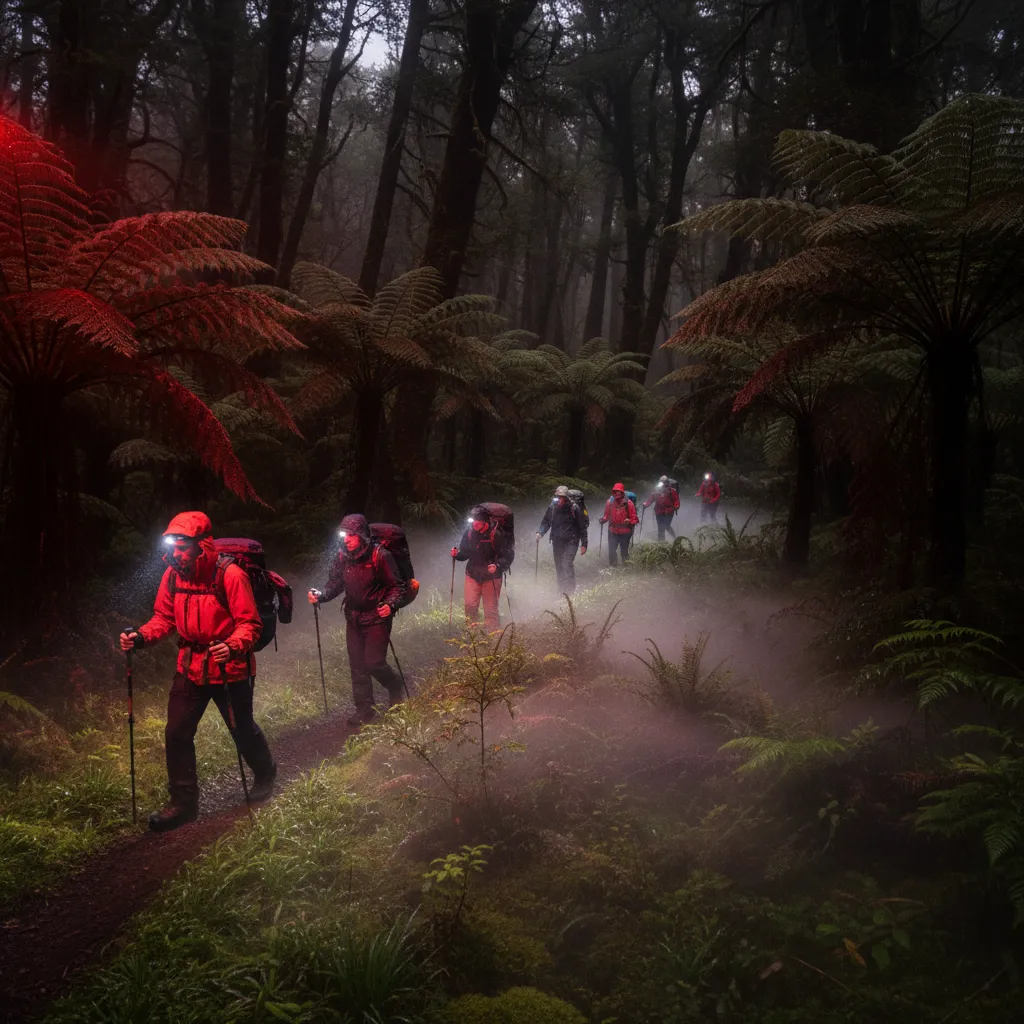
Day vs. Night: A Tale of Two Sanctuaries
During the day, Zealandia is a cacophony of bird calls from Tūī, Kākā, and Bellbirds. It is vibrant, visual, and energetic. However, the ecosystem undergoes a complete transformation once the sun sets over the wind turbines of Brooklyn. The diurnal birds retreat, and the forest floor comes alive.
The night tour is an auditory and sensory experience. Your guide leads you by torchlight (specifically red light to protect animal vision) through the valley. The atmosphere is thick with the sounds of Ruru (Morepork owls) and the rustling of foraging creatures. Booking a night tour is essential for those specifically targeting nocturnal species, particularly the Little Spotted Kiwi, which are strictly nocturnal and never seen during daylight hours.
Little Spotted Kiwi: Success Rates and Expectations
The primary driver for the high search volume surrounding “book Zealandia night tour” is the Little Spotted Kiwi (Kiwi Pukupuku). As the smallest of the five kiwi species, they are incredibly elusive and extinct on the mainland outside of predator-free sanctuaries. Zealandia manages a healthy, wild population of over 100 of these birds.
What are the chances of seeing a Kiwi?
While no wildlife encounter can be guaranteed in a non-captive environment, Zealandia boasts one of the highest success rates in the country. Historically, sightings occur on approximately 80% of night tours. This high probability is due to the density of the population within the predator-proof fence and the expertise of the guides who know the specific territories and calling patterns of the birds.
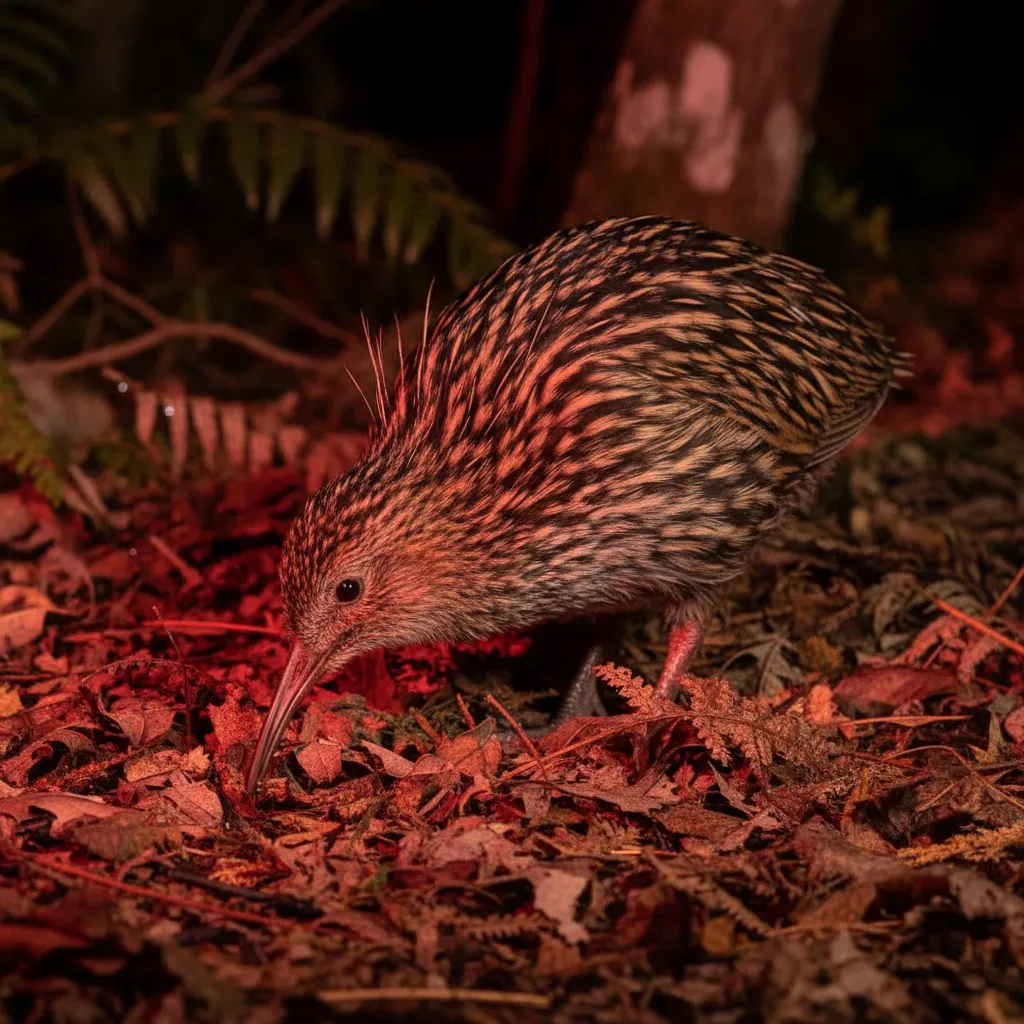
Managing Expectations
It is important to note that these are wild animals. They are not fed by staff and roam freely across the 500+ acres. Sightings may range from a bird crossing the path right in front of your group to a rustle in the ferns and a glimpse of a beak. However, even on nights without a visual confirmation, the experience of hearing their piercing calls—the male’s high-pitched whistle and the female’s lower, guttural cry—is haunting and memorable.
How to Book Zealandia Night Tours: Availability & Pricing
Because the tours are capped to ensure a low guide-to-visitor ratio (usually around 12 people per guide), tickets sell out rapidly, especially during the New Zealand summer high season (December through March).
Step-by-Step Booking Process
- Visit the Official Portal: Navigate to the Zealandia website’s booking engine. While third-party aggregators like Viator or TripAdvisor offer tickets, booking direct often provides the most accurate real-time availability.
- Select Your Date Early: For travel in January or February, it is recommended to book at least 4 to 6 weeks in advance. For shoulder seasons (April/May or September/October), 2 weeks is usually sufficient.
- Choose Your Tier:
- Adult: Typically priced around $85-$95 NZD.
- Child (5-17): Discounted rates available. Note that children under 12 must be accompanied by an adult, and the tour is generally not recommended for children under 5 due to the need for silence and the late finish time.
- Members: Zealandia members receive a significant discount (usually 50%). If you are a local or planning to visit multiple times, purchasing a membership first may be cost-effective.
- Receive Confirmation: Ensure you receive an email confirmation with a barcode. You do not usually need to print this; showing it on a mobile device is acceptable.
Cancellation and Weather Policies
Zealandia tours operate rain or shine. In fact, kiwi are often more active during light rain as the soil softens, bringing invertebrates to the surface. Refunds are generally not provided for rain unless the weather is dangerous (e.g., gale-force winds causing tree fall risks). If you need to cancel, standard policies usually require 24-48 hours notice for a full refund, but always check the specific terms at the point of purchase.
What to Wear and Bring
Wellington is famously known as “Windy Wellington,” and the valley microclimate can be significantly cooler than the city center. Being underprepared for the weather is the number one complaint among visitors who did not enjoy their tour.
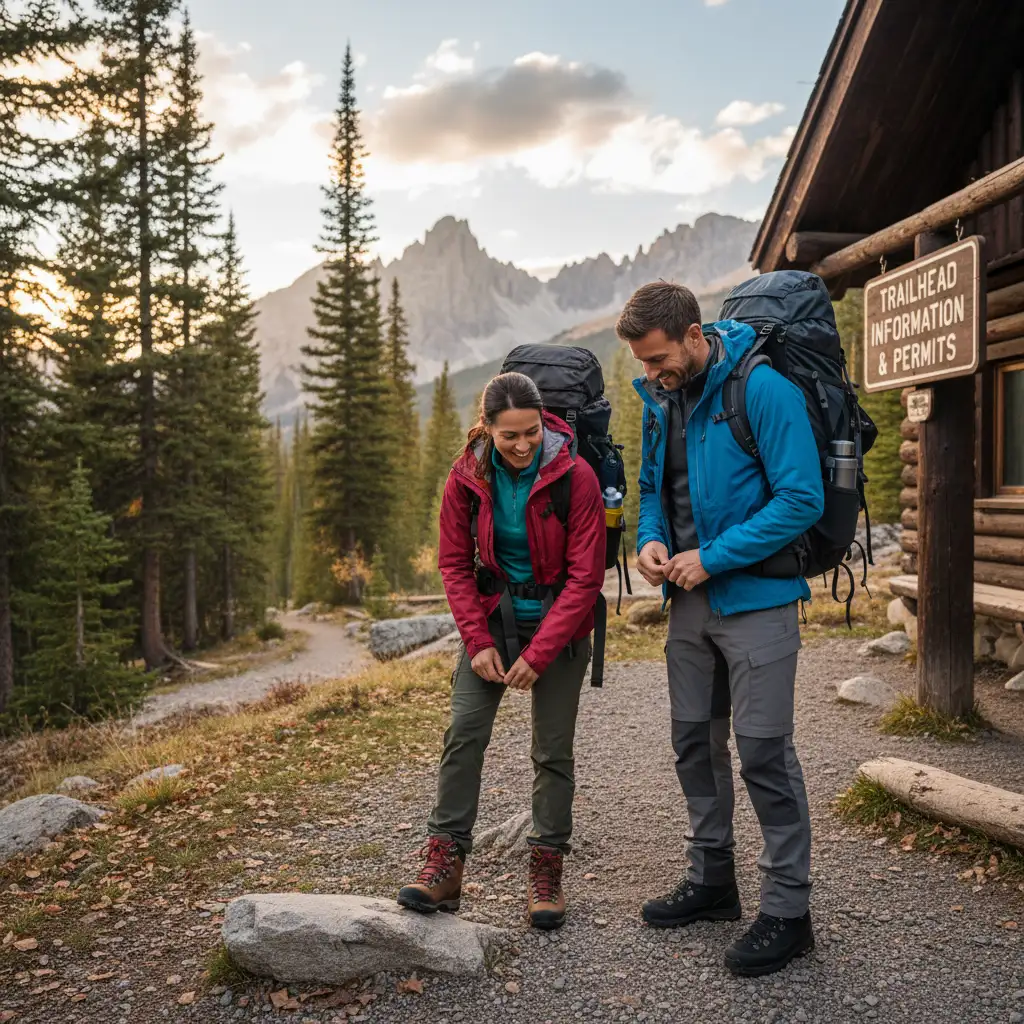
Essential Gear List
- Footwear: Flat, enclosed walking shoes with good grip are mandatory. Hiking boots are ideal. Do not wear heels, flip-flops, or light sandals. The paths are well-maintained but can be gravelly, steep in sections, and slippery when wet.
- Layers: Even in summer, temperatures drop rapidly after dark. Wear a thermal base layer (merino wool is best), a fleece mid-layer, and a windproof/waterproof outer shell.
- Rain Gear: A waterproof jacket is essential. Ponchos may be available for purchase at the visitor center, but bringing your own ensures a better fit and comfort.
- Photography Gear: Flash photography is strictly prohibited as it can stun nocturnal animals. You may take photos without flash, but given the low light conditions and the movement of the animals, it is often better to put the camera away and enjoy the moment.
Beyond the Kiwi: Other Nocturnal Species
While the kiwi is the star, the supporting cast of the Zealandia ecosystem is equally impressive. A successful booking opens the door to seeing species that have remained unchanged for millions of years.
Tuatara Hunting
Zealandia is one of the few places where you can see Tuatara wild on the mainland. While these “living fossils” are often visible basking in the sun during the day, they are also active hunters at night. Your guide will help you spot them near the path edges, often freezing mid-motion when the light hits them.
Glowworms (Titiwai)
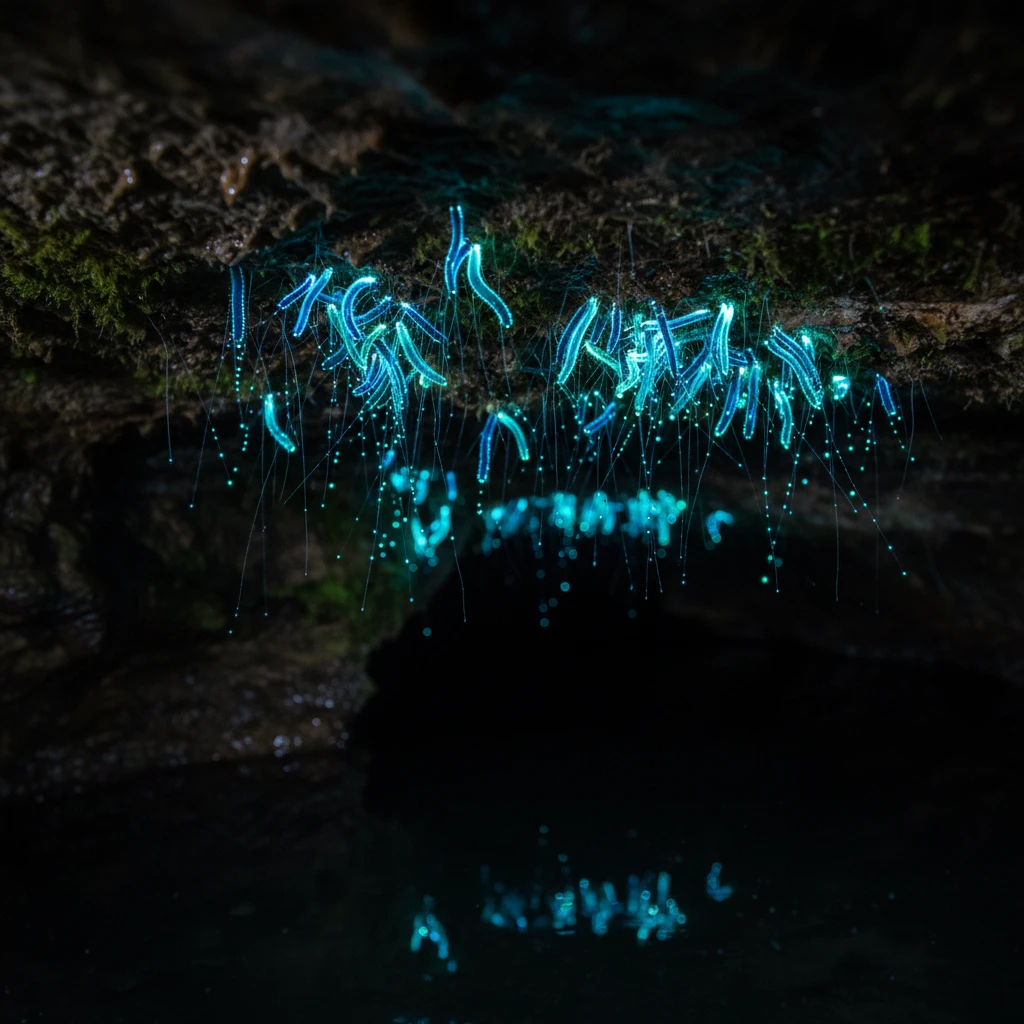
Along the banks of the stream and in the damp overhangs of the valley, you will likely see constellations of glowworms. These are not worms but the bioluminescent larvae of fungus gnats. Seeing the banks light up with their blue-green light adds a magical element to the tour.
Wētā and Ruru
Keep an eye on the tree trunks for Wellington Tree Wētā—large, flightless insects that look prehistoric. You will also likely hear, and perhaps see, the Ruru (Morepork), New Zealand’s only surviving native owl, hunting for moths and beetles.
Location and Transportation
Zealandia is located at the end of Waiapu Road in the suburb of Karori. For night tour bookings, transportation planning is slightly different than daytime visits.
- Free Shuttle: Zealandia operates a free electric shuttle from the city (top of the Cable Car or i-SITE) during the day, but this does not operate for night tour return trips. Do not rely on the shuttle for your night tour logistics.
- Rideshare/Taxi: Uber, Zoomy, and standard taxis are the most convenient way to get to and from the sanctuary at night. The drive from the CBD takes approximately 10 minutes.
- Public Bus: The Number 2 bus (Karori) stops near the bottom of Waiapu Road, but it requires a dark, uphill walk of about 10-15 minutes to reach the visitor center. This is not recommended for late-night returns.
- Parking: There is ample free parking at the visitor center for those with rental cars. The car park is secure, but standard precautions regarding valuables should be taken.
Frequently Asked Questions
Is the Zealandia Night Tour worth the money?
Yes, for most travelers, the cost is justified by the exclusivity and the high probability of seeing wild kiwi. Unlike zoos, this is a conservation project, and ticket proceeds directly fund the sanctuary’s maintenance. The guided nature of the tour ensures you learn significantly more than you would on a self-guided walk.
How long does the Zealandia Night Tour last?
The tour typically lasts for 2.5 hours. This includes a briefing at the visitor center, a short introductory film, and approximately 2 hours of walking through the sanctuary. Tours usually finish between 9:30 PM and 10:30 PM, depending on the season and start time.
Can I take photos during the night tour?
You can take photos, but flash photography is strictly forbidden to protect the sensitive eyes of nocturnal wildlife. Because it is very dark and red light is used, smartphone cameras generally struggle to capture good images. It is recommended to simply enjoy the experience rather than focusing on photography.
What happens if it rains during my booking?
The tour proceeds in rain. In fact, kiwi activity often increases during damp weather as invertebrates come to the surface. Zealandia does not cancel for standard rain; cancellations only occur during extreme weather events (high winds) that pose safety risks. Bring a waterproof jacket.
Are there age restrictions for the night tour?
While there is no strict ban on children, the tour is recommended for ages 12 and up. Children under 12 must be accompanied by an adult. It is generally unsuitable for infants or toddlers due to the requirement for silence to spot wildlife and the late hours.
How many Little Spotted Kiwi are in Zealandia?
The population is estimated to be over 140 birds. This is a significant density for the area size, which contributes to the high sighting success rate compared to other sanctuaries with lower population densities.