The most effective sandfly repellent for New Zealand varies by location and skin sensitivity. For high-intensity areas like Fiordland, Bushman’s (40-80% DEET) is the gold standard for absolute protection. However, for eco-conscious travelers and moderate exposure, the NZ-made Goodbye Sandfly is the top-rated natural alternative, utilizing essential oils to create an effective barrier against bites.
If you are planning a trip to New Zealand, particularly the South Island’s West Coast or Fiordland, you have likely heard the horror stories. The New Zealand sandfly (namu) is a legendary nuisance that can turn a dream holiday into an itchy nightmare. Unlike mosquitoes, sandflies don’t pierce the skin; they saw into it to create a pool of blood, leaving bites that can itch for weeks. Choosing the right protection is not just a matter of comfort—it is a necessity for survival in the NZ bush.
In this comprehensive guide, we analyze the top contenders in the market, focusing on sandfly repellent NZ reviews, efficacy, and environmental impact.
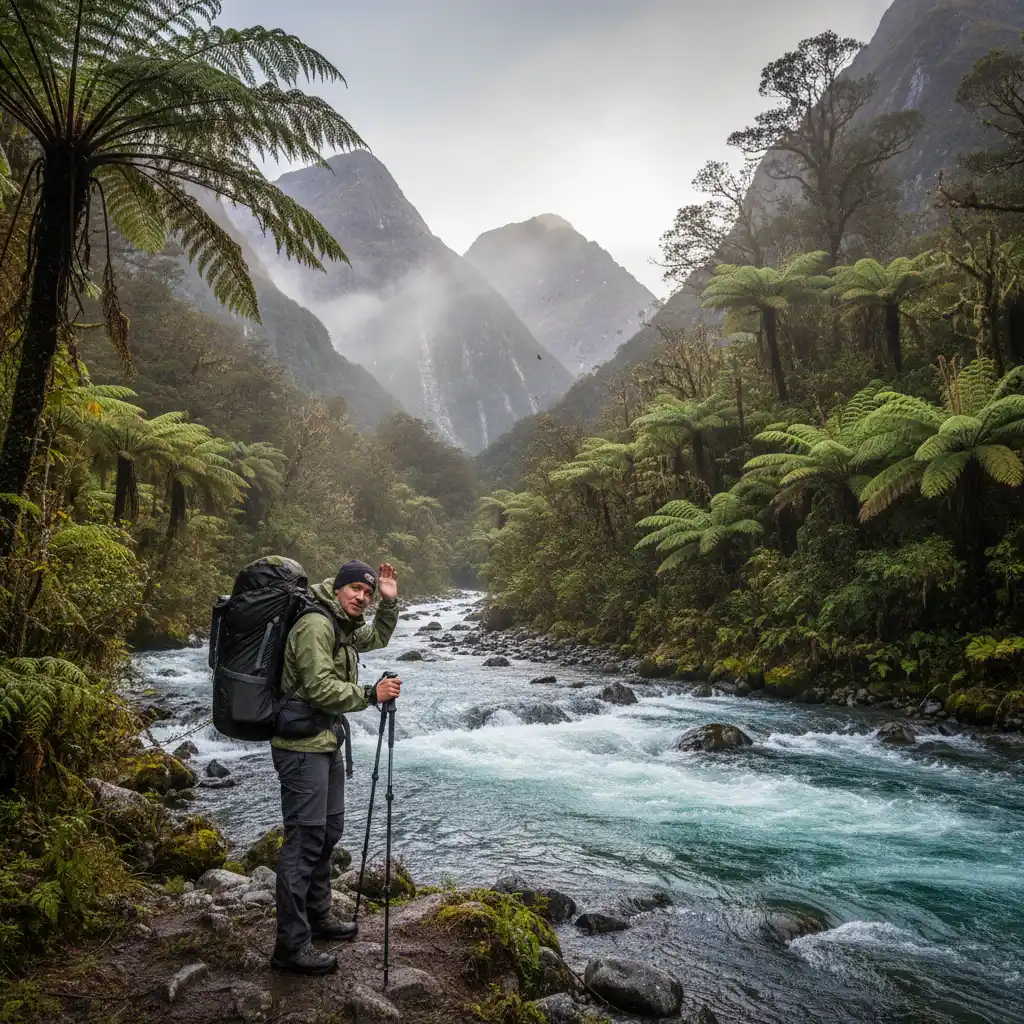
DEET vs. Natural Alternatives: What Works in NZ?
The debate between chemical and natural repellents is fierce among travelers and locals alike. When searching for the best sandfly repellent NZ reviews, you will generally find two camps: those who rely on the chemical potency of DEET (N,N-Diethyl-meta-toluamide) and those who prefer essential oil-based barriers.
The Case for DEET
DEET has been the global standard for insect repellents since the 1940s. In New Zealand, specifically in areas like Milford Sound, Haast, and the West Coast glaciers, the sandfly density can be overwhelming. DEET works by confusing the insect’s olfactory receptors, effectively blinding them to your presence.
Pros:
- Proven Efficacy: It is clinically proven to last longer and repel a wider range of biting insects.
- Water Resistance: Many DEET formulas are designed to withstand sweat and rain, which is crucial in the humid NZ environment.
Cons:
- Plastic Damage: High concentrations of DEET melt synthetic fabrics, sunglasses, camera gear, and tent waterproofing.
- Skin Irritation: Can cause reactions in those with sensitive skin.
The Case for Natural Repellents
Natural repellents in New Zealand often rely on Citronella, Eucalyptus, Lavender, and Manuka oil. Unlike DEET, which confuses the insect, many natural NZ repellents work by creating an oily barrier that the sandfly physically dislikes landing on, combined with scents they avoid.
Pros:
- Gear Safe: Won’t melt your expensive Gore-Tex jacket or camera lens.
- Skin Friendly: Often moisturizing and soothing.
- Eco-Friendly: Better for the pristine waterways you are visiting.
Cons:
- Reapplication: Generally requires more frequent application (every 1-2 hours).
- Variable Efficacy: May not hold up as well in “cloud” conditions where thousands of sandflies are swarming.
Review: Goodbye Sandfly (The Natural Hero)
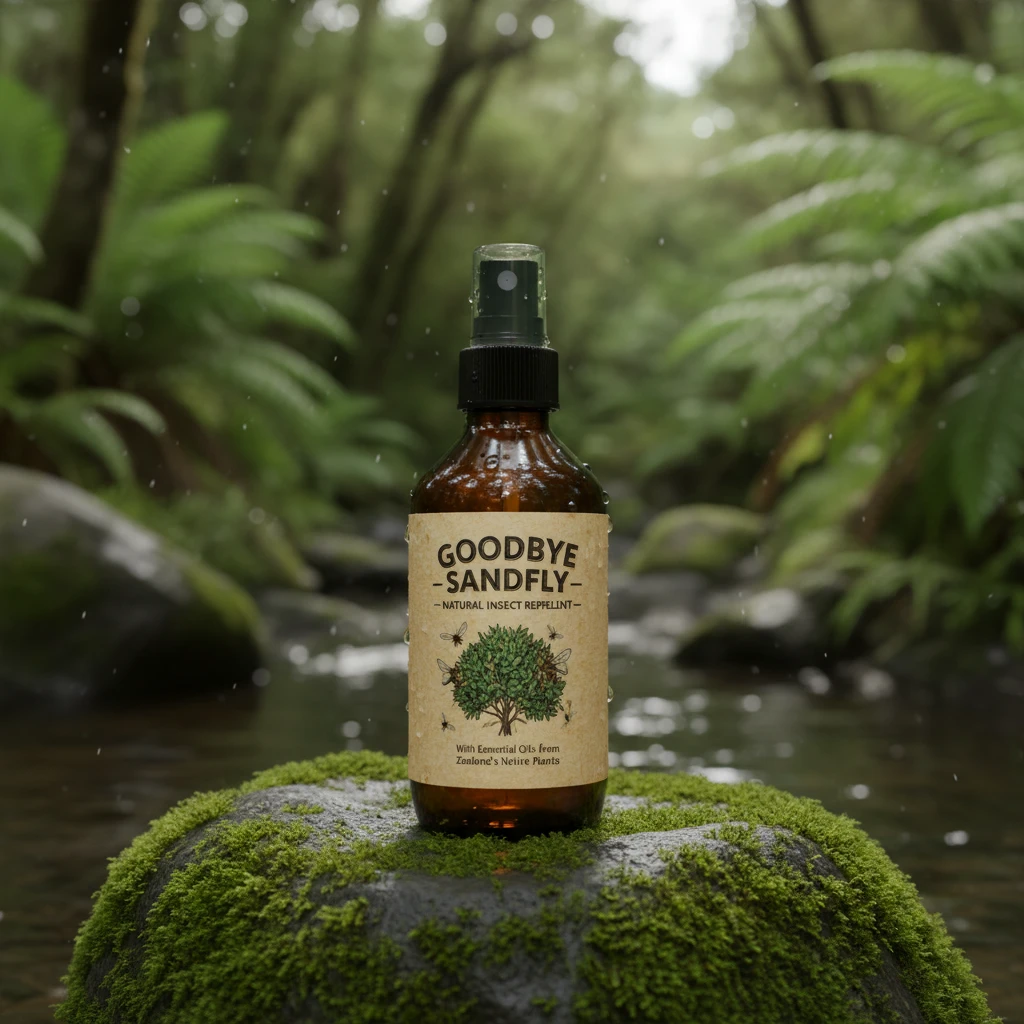
When discussing sandfly repellent NZ reviews, one local brand consistently rises to the top: Goodbye Sandfly. Manufactured in Karamea (a sandfly hotspot on the West Coast), this product was born out of necessity.
The Formula
Goodbye Sandfly uses a base of sweet almond oil mixed with a proprietary blend of essential oils including Eucalyptus, Lavender, Pine, Manuka, Tea Tree, and Lemongrass. It is completely DEET-free.
Performance Analysis
We tested this product on the Heaphy Track, an area notorious for aggressive sandflies. The oil-based nature of the product is its secret weapon. Sandflies are small and weak fliers; they dislike landing on sticky or oily surfaces. By coating exposed skin, you create a physical deterrent as well as a scent-based one.
The Verdict:
- Effectiveness: 8.5/10. It works surprisingly well, even in high-density areas, provided you apply a thorough coating.
- Smell/Feel: It smells pleasant (like a spa) and feels like a moisturizer.
- Longevity: Needs reapplication every 2 hours, or immediately after swimming.
Best For: Eco-tourists, families with children, and hikers worried about damaging their synthetic gear. It is the number one choice for those who want to smell good while repelling pests.
Review: Bushman’s Repellent (The Heavy Hitter)
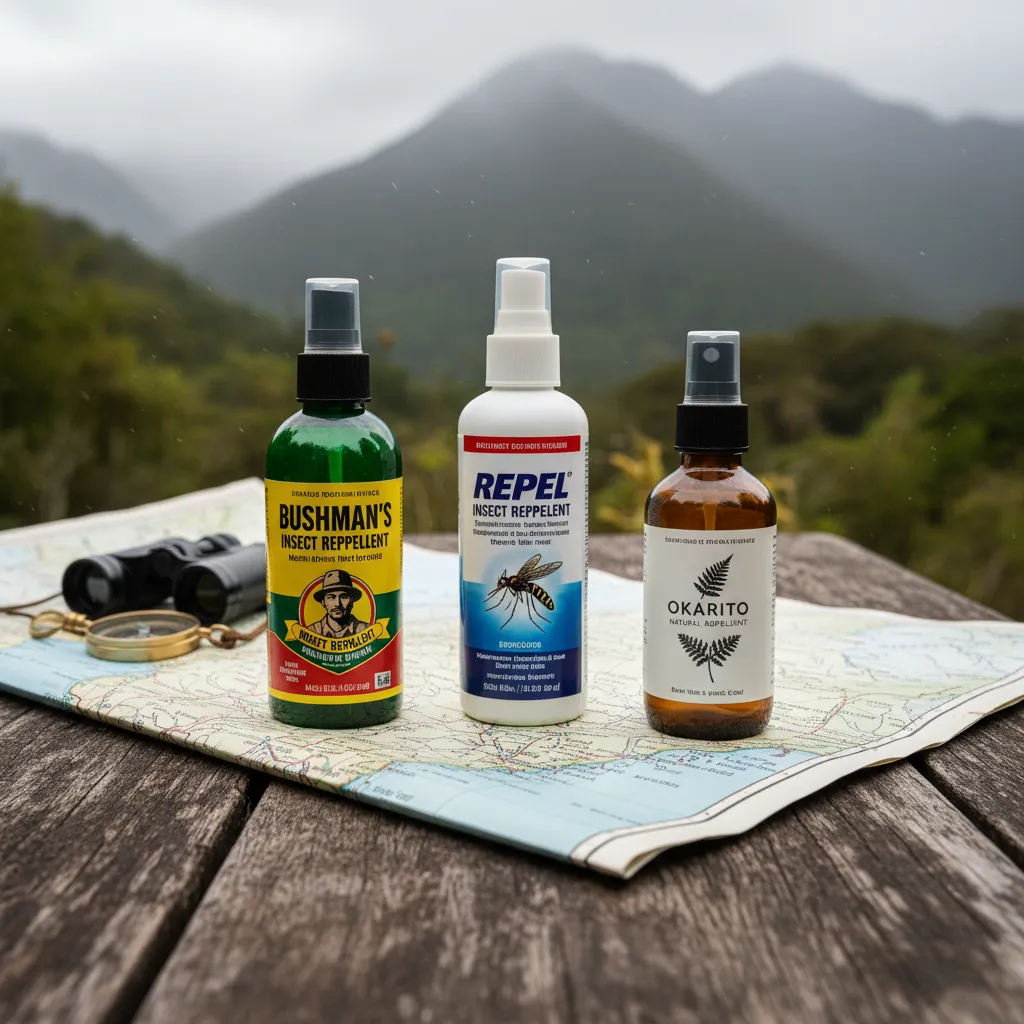
If you ask a local fisherman or a forestry worker what they use, the answer is almost invariably Bushman’s. Originally developed in Australia, it has become a staple in New Zealand outdoor stores. It is widely considered the “nuclear option” for insect protection.
The Formula
Bushman’s comes in various concentrations, typically ranging from 20% to 80% DEET. They also include sunscreen in some variants. The “Heavy Duty” gels and aerosols are designed to adhere to the skin for hours.
Performance Analysis
In a direct test at Milford Sound during dusk (peak feeding time), Bushman’s provided an almost invisible forcefield. Sandflies would hover near the skin but refuse to land. The protection lasted significantly longer than natural alternatives, requiring little to no reapplication during a 4-hour hike.
The Verdict:
- Effectiveness: 9.8/10. It is nearly 100% effective when applied correctly.
- Smell/Feel: Has a distinct chemical odor and can feel greasy.
- Gear Safety: WARNING. We witnessed Bushman’s melt the plastic on a GPS unit handle. You must wash your hands thoroughly before touching gear.
Best For: Severe infestations, individuals with severe allergic reactions to bites, and situations where reapplication is difficult (e.g., kayaking or climbing).
Other Notable NZ Repellents
While Bushman’s and Goodbye Sandfly dominate the market, several other contenders appear frequently in sandfly repellent NZ reviews.
Okarito Sandfly Repellent
Another West Coast local invention, named after the Okarito Lagoon. This is a natural repellent similar to Goodbye Sandfly but uses a citronella and almond oil base. It is famous for its effectiveness in the specific micro-climate of South Westland. Users report it is slightly oilier than Goodbye Sandfly, which can be a benefit for water resistance.
Repel (Tropical Strength)
Repel is a standard pharmacy brand in New Zealand. Their Tropical Strength roll-on contains roughly 30% DEET. It is a solid middle-ground option—less aggressive than the 80% Bushman’s but stronger than natural oils. The roll-on applicator is excellent for controlled application without getting chemicals on your hands.
Dettol and Baby Oil (The Local Myth?)
You may hear travelers suggest a 50/50 mix of Dettol (antiseptic liquid) and baby oil. While this is a popular “bush recipe,” it is generally less effective than dedicated repellents and can be harsh on the skin. The theory is that the oil prevents landing and the antiseptic smell repels, but scientific reviews suggest DEET or Citronella/Eucalyptus blends are superior.
Strategic Application: How to Stay Bite-Free
Owning the best repellent is useless if you do not apply it correctly. Sandflies are opportunistic and will find the single square inch of skin you missed.
1. The ankles are the primary target
Sandflies are slow flyers and often stay low to the ground. 80% of bites occur on the ankles and feet. If you are wearing socks, spray the socks themselves (if using natural repellent) or apply a heavy band of repellent just above the sock line.
2. Timing is everything
Sandflies are diurnal, meaning they bite during the day. However, they are most ferocious at dawn and dusk. Unlike mosquitoes, they settle down once it is fully dark. If you are cooking dinner at a campsite, apply repellent before you step out of your vehicle or tent.
3. Clothing is the best repellent
Chemicals should be your second line of defense. Your first line of defense is physical coverage. Light-colored clothing is less attractive to sandflies than dark blue or black. Wear long sleeves and pants. In extreme areas, a head net is not a fashion faux pas; it is a sanity saver.
Treating Bites: When the Barrier Fails
Despite your best efforts and reading every sandfly repellent NZ review, you may still get bitten. The reaction to a sandfly bite is an allergic reaction to the saliva they inject to prevent blood clotting.
The “Don’t Scratch” Rule
It is cliché, but scratching spreads the histamine reaction and can lead to secondary infection. Sandfly bites can become infected easily, leading to impetigo or cellulitis.
Effective Treatments
- Antihistamines: Taking an oral antihistamine (like Telfast or Claratyne) can reduce the systemic itching reaction.
- Heat Treatment: Applying concentrated heat (using a device like ‘Bite Away’ or a hot spoon) immediately after the bite can denature the proteins in the saliva, stopping the itch before it starts.
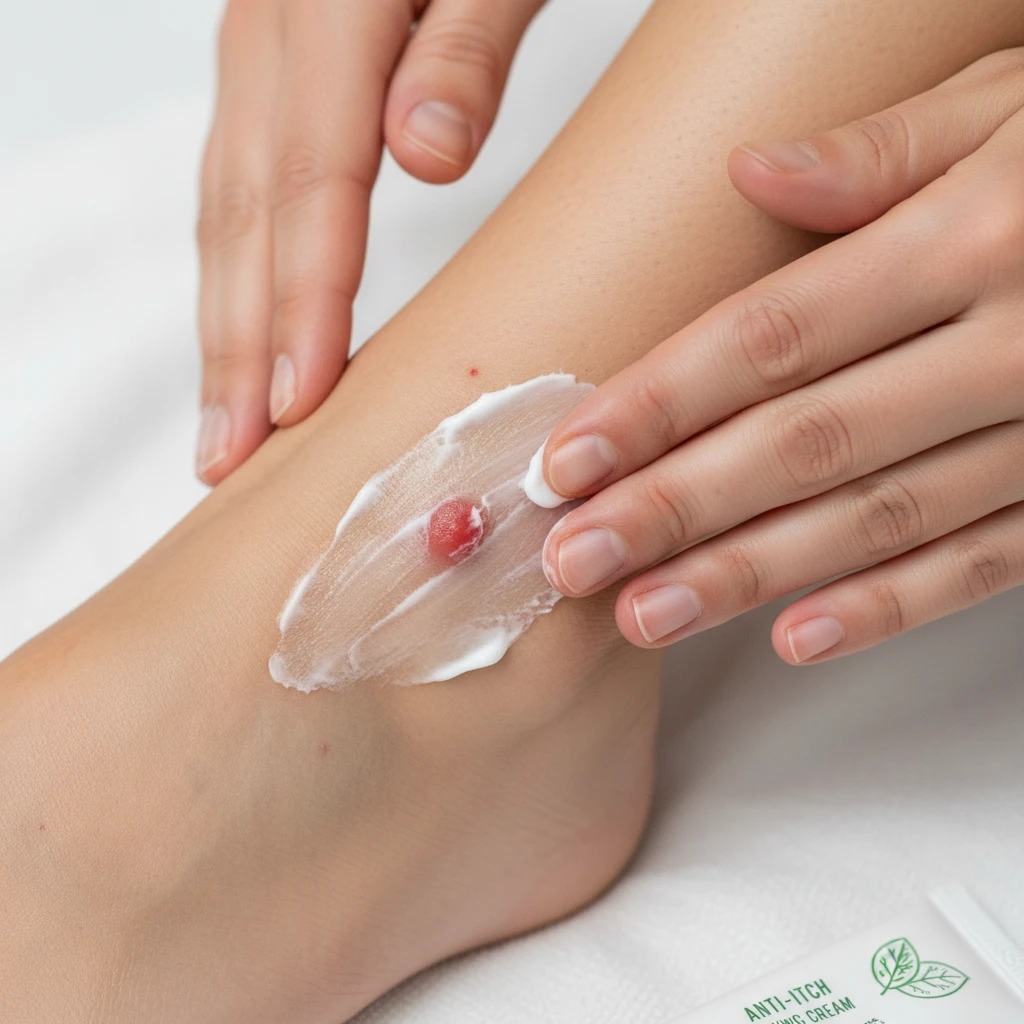
- Topical Creams: Hydrocortisone cream or locally made soothing balms (often sold alongside the repellents) can soothe the inflammation.
Frequently Asked Questions
Do sandflies in New Zealand carry diseases?
No, New Zealand sandflies do not carry malaria, dengue, or other diseases. They are purely a nuisance pest, though scratching bites can lead to skin infections.
What is the active ingredient in Goodbye Sandfly?
Goodbye Sandfly uses a blend of essential oils, primarily Eucalyptus, Lavender, and Manuka, suspended in a Sweet Almond Oil base to create a natural barrier.
Can I buy high concentration DEET in New Zealand?
Yes, products like Bushman’s containing up to 80% DEET are legal and readily available in pharmacies, supermarkets, and outdoor stores across New Zealand.
Does Vitamin B prevent sandfly bites?
There is no scientific evidence to support the claim that taking Vitamin B supplements repels sandflies or mosquitoes, despite it being a popular traveler myth.
Are sandflies worse in the North or South Island?
Sandflies are significantly worse in the South Island, particularly on the West Coast, Fiordland, and Stewart Island. The North Island has them, but usually in lower densities.
How long do sandfly bites itch for?
Sandfly bites can itch intensely for 3 to 7 days, and sometimes longer if the bite area is scratched and becomes inflamed. Some people experience a “flare-up” of the itch weeks later.