The Mt John Observatory tour is a premier guided stargazing experience operated by the Dark Sky Project within the Aoraki Mackenzie International Dark Sky Reserve. Located at the University of Canterbury Mt John Observatory in Lake Tekapo, this tour provides exclusive access to research-grade telescopes, expert astronomy guides, and unparalleled views of the Southern Hemisphere’s celestial highlights.
The Ultimate Mt John Observatory Tour Experience
For astro-tourists and independent travelers venturing through New Zealand’s South Island, the Aoraki Mackenzie International Dark Sky Reserve represents the pinnacle of nocturnal observation. At the heart of this reserve lies the University of Canterbury Mt John Observatory, the southernmost optical observatory in the world. A Mt John Observatory tour is not merely a sightseeing trip; it is an immersion into the cosmos facilitated by world-class technology and a strictly protected dark sky environment.
The tour is commercially operated by the Dark Sky Project (formerly Earth & Sky), which holds the exclusive license to take visitors to the summit at night. Unlike typical stargazing experiences that might occur in a field or a park, this tour takes you to a working scientific facility sitting at 1,029 meters (3,376 feet) above sea level. This elevation takes you above a significant portion of the atmospheric turbulence and low-lying aerosols, resulting in crystal-clear seeing conditions that are rare globally.
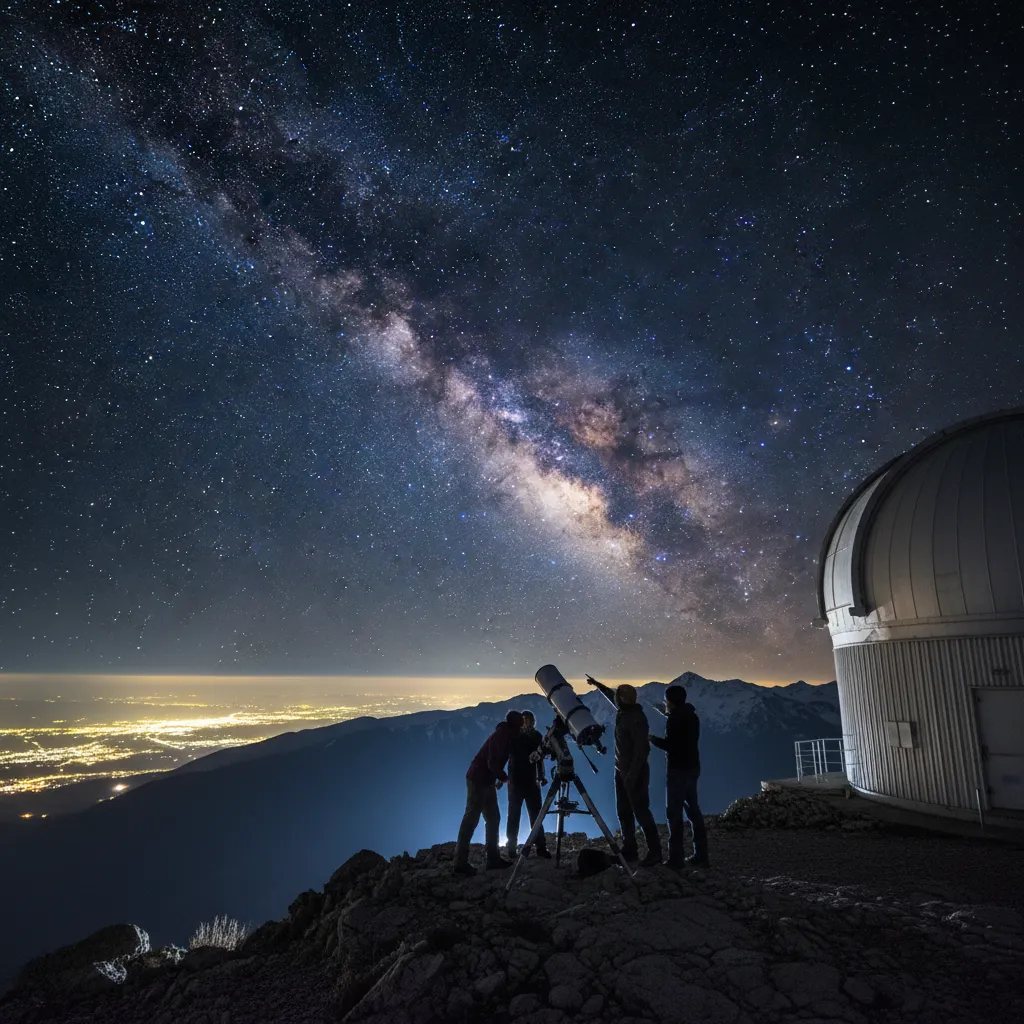
What to Expect: Logistics and Viewing
Understanding the logistics of the Mt John Observatory tour is crucial for planning your itinerary in Lake Tekapo. The experience is meticulously organized to ensure safety and optimal viewing conditions.
Transportation and Arrival
Visitors cannot drive their private vehicles to the summit of Mt John at night to prevent light pollution from headlights interfering with scientific equipment. All tours depart from the Dark Sky Project Base located in the Tekapo township. From there, you board a specialized bus for a 15-minute journey up the mountain. The road is private, narrow, and winding, adding a sense of exclusivity to the adventure.
The Telescopes
Upon arrival, guests are guided to the viewing area. The tour utilizes several high-powered telescopes, typically including 16-inch Schmidt-Cassegrain reflectors. These instruments are capable of resolving dense star clusters, nebulae, and planetary details that are invisible to the naked eye. Depending on the time of year and planetary alignment, you might observe:
- The Rings of Saturn: Often visible with distinct clarity.
- Jupiter’s Moons: The Galilean moons are frequently spotted.
- The Jewel Box Cluster: A colorful collection of stars in the Southern Cross.
- Alpha Centauri: Our nearest star system.
- Magellanic Clouds: Dwarf galaxies orbiting the Milky Way, visible only from the Southern Hemisphere.
The Naked-Eye Experience
While the telescopes are the commercial drawcard, the naked-eye experience is equally profound. Guides use high-powered lasers to point out constellations, navigating the sky with stories that blend Maori astronomy (Taatai Arorangi) with modern astrophysics. This cultural context adds a rich layer of depth to the scientific observation.
Clothing and Photography
The environment at the summit is alpine. Even in summer, temperatures can drop near freezing, and wind chill is a significant factor. In winter, temperatures can plummet to -10°C (14°F) or lower. The Dark Sky Project provides heavy Antarctic-style jackets for guests, but independent travelers should wear thermal layers, beanies, and gloves.
Regarding photography, the tour operates under strict “red light only” rules to preserve night vision. Flash photography is prohibited. However, the guides are often skilled astrophotographers and can assist you in setting up a DSLR on a tripod to capture long-exposure shots of the observatory domes against the galactic core.
Cowans Hill Observatory vs. Mt John
If the Mt John Observatory tour is fully booked, or if you are traveling with younger children who might struggle with the late hours and cold exposure of the summit, the Cowans Hill Observatory tour offers a compelling alternative. Also operated by the Dark Sky Project, Cowans Hill is located in a more sheltered, accessible area closer to the township.
Key Differences:
- Location: Cowans Hill is nestled in a crater-like depression, providing natural wind protection. It is lower in altitude than Mt John but still offers incredibly dark skies.
- Accessibility: It is a shorter bus ride and generally easier for those with mobility issues.
- Telescopes: While Mt John boasts the largest commercially accessible telescopes, Cowans Hill utilizes 14-inch telescopes which are still exceptionally powerful and sufficient for most amateur astronomers.
- Price Point: The Cowans Hill tour is generally slightly less expensive, making it a budget-friendly option for families.
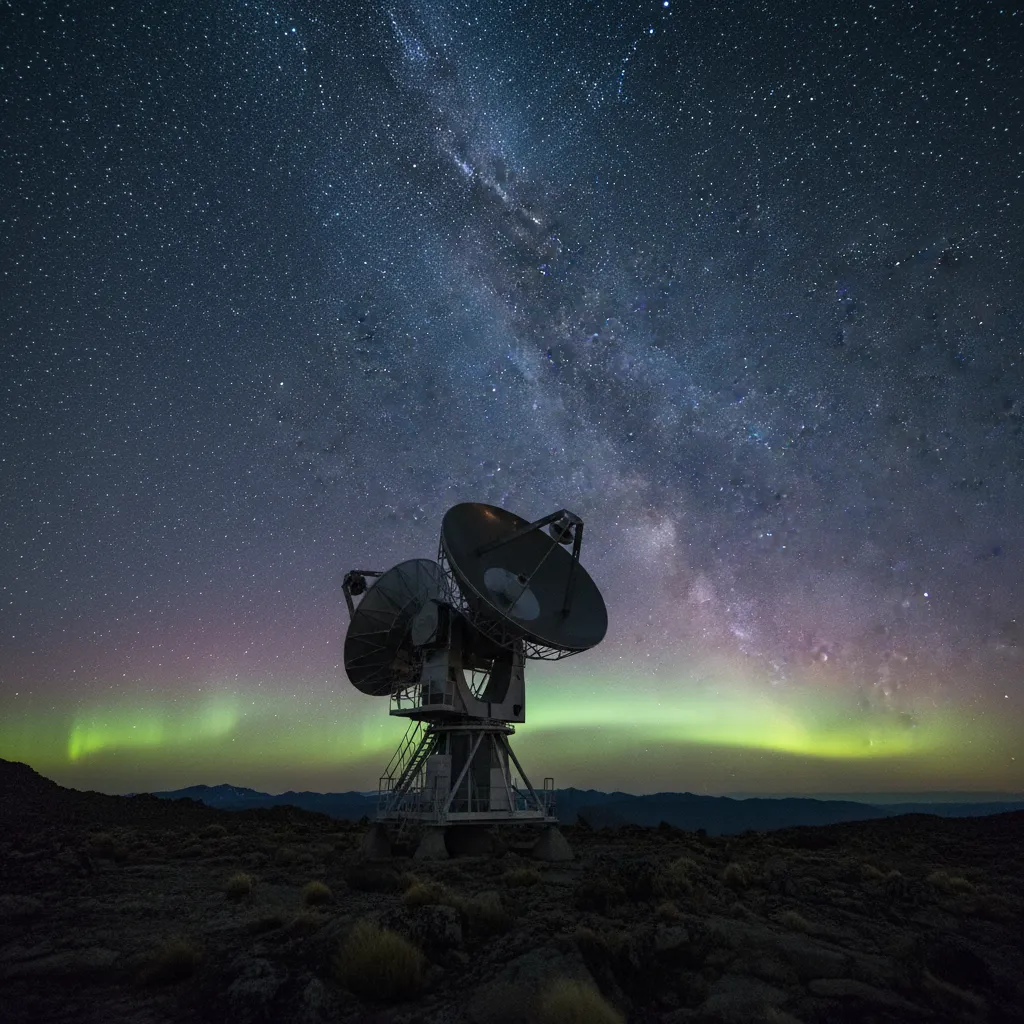
Free Stargazing Spots in Tekapo
For independent travelers on a budget, the Aoraki Mackenzie International Dark Sky Reserve offers spectacular views without the need for a ticket. While you won’t have access to 16-inch telescopes, the naked-eye visibility of the Milky Way is accessible from several public locations.
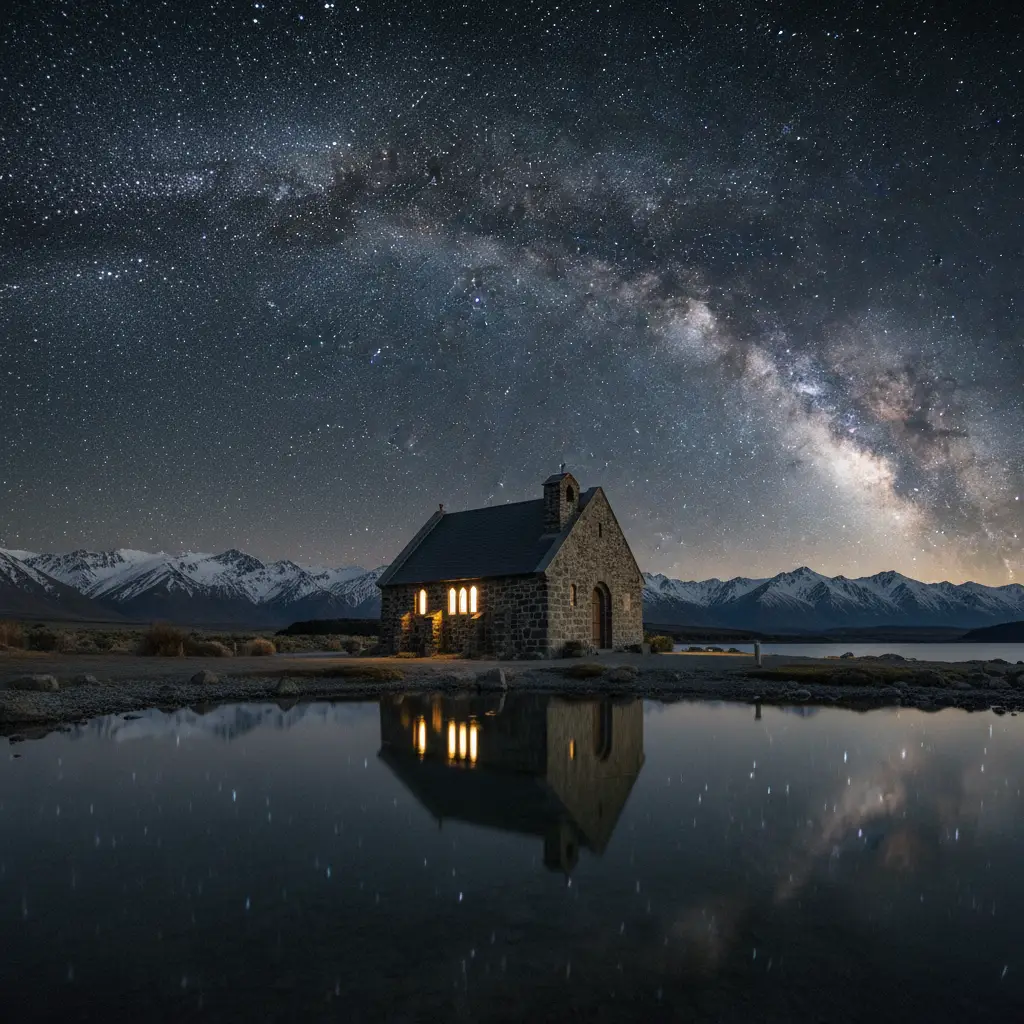
Church of the Good Shepherd
This is the most iconic astrophotography location in New Zealand. Located on the shores of Lake Tekapo, the stone church provides a stunning foreground subject. However, be aware that this spot is extremely popular. Car headlights and other photographers’ flashlights can be an issue. For the best experience, visit very late at night (after 1:00 AM) when the crowds have dispersed.
Lake Tekapo Foreshore
Walking along the lakeside path away from the township lights offers excellent darkness. The area near the pedestrian bridge provides wide, unobstructed views of the southern horizon, which is essential if you are hunting for the Aurora Australis (Southern Lights).
History and Significance of the Reserve
The Aoraki Mackenzie International Dark Sky Reserve was established in 2012, recognizing the region’s pristine skies. It was the first reserve in the Southern Hemisphere to achieve Gold Status from the International Dark-Sky Association (IDA). This designation is not accidental; it is the result of decades of careful planning and light pollution control.
Why is it a Reserve?
The primary driver for the reserve’s creation was the protection of the Mt John Observatory. Established in 1965 by the University of Pennsylvania and the University of Canterbury, the observatory required a location with high transparency, low humidity, and minimal light pollution. To protect this scientific asset, the local Mackenzie District Council implemented strict lighting ordinances.
These ordinances require all outdoor lighting to be fully shielded (pointing down) and restrict the use of blue-rich white light, which scatters more in the atmosphere than amber light. This commitment to “dark sky compliant” lighting has created an eco-tourism boom, proving that environmental protection and economic growth can coexist.
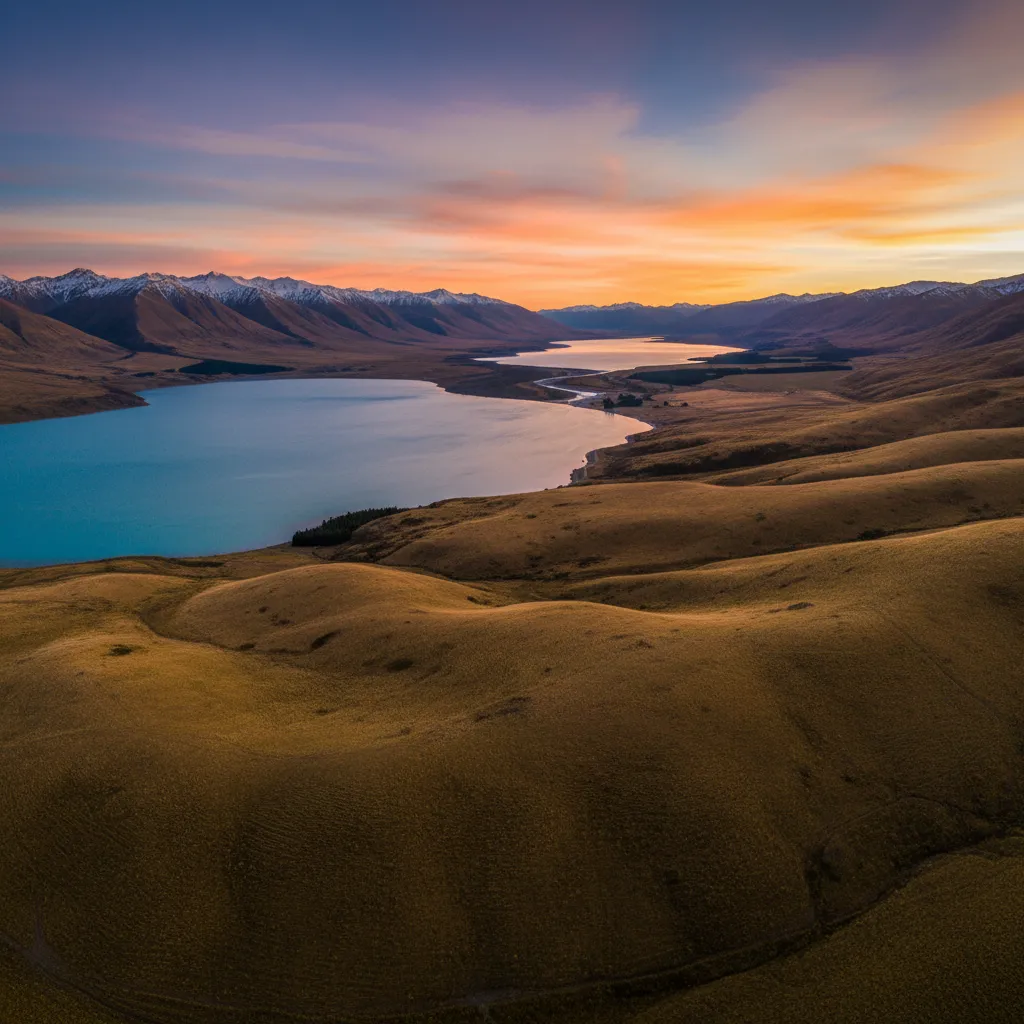
Planning Your Trip: Best Times to Visit
Booking a Mt John Observatory tour requires strategic timing. The experience varies significantly depending on the season and the lunar cycle.
Winter (May to September)
Winter offers the longest nights and the clearest air. The galactic core of the Milky Way is directly overhead, appearing as a bright river of light. This is also the best season to potentially see the Aurora Australis. However, temperatures are freezing, and tours can be cancelled due to snow or ice on the road.
Summer (December to February)
Summer provides a more comfortable ambient temperature, though jackets are still required. The nights are short, with true darkness not falling until after 10:30 PM. The orientation of the Earth means you see a different part of the sky compared to winter.
The Moon Phase Factor
For the absolute best deep-sky viewing (nebulae and galaxies), book your tour during the New Moon phase. A Full Moon acts as natural light pollution, washing out fainter stars. However, viewing the craters of a Full Moon through a large telescope is a spectacular experience in its own right.
Frequently Asked Questions
Is the Mt John Observatory tour worth the price?
Yes, for most visitors, the access to research-grade telescopes and the high-altitude location makes it a unique experience that cannot be replicated elsewhere. The educational value provided by expert guides adds significant context to what you are seeing.
Can you drive up Mt John at night?
No, the road to Mt John is closed to private vehicles at night to prevent light pollution from headlights interfering with the observatory’s scientific operations. You must book a tour or hike up during daylight hours only.
What happens if the tour is cancelled due to weather?
The Dark Sky Project has a strict weather policy. If cloud cover or high winds prevent viewing, the outdoor tour is cancelled. They usually offer a refund or an alternative indoor experience involving virtual reality and behind-the-scenes tours of the observatory, though many travelers prefer to reschedule for the next clear night.
What is the best month to see the Milky Way in Tekapo?
The core of the Milky Way is most visible during the winter months, specifically from June to August. During this time, it stretches across the sky directly overhead. In late summer, the core sets earlier in the night.
Is the tour suitable for children?
The Mt John tour has a minimum age requirement (usually 8 years old) due to the late hours, cold temperatures, and the need for quiet around scientific equipment. The Cowans Hill tour or the Dark Sky Experience (indoor) are better suited for younger children.
Can I see the Southern Lights (Aurora Australis) on the tour?
While possible, it is not guaranteed. The Aoraki Mackenzie Dark Sky Reserve is one of the best places in New Zealand to see them, but solar activity is unpredictable. Winter offers the best chances due to longer hours of darkness.