To locate dump stations in New Zealand, travelers should utilize official interactive maps provided by the Department of Conservation (DOC) or trusted camping apps like CamperMate and Rankers. These digital tools offer real-time GPS locations for public and commercial dump sites, ensuring responsible disposal of grey and black water across the North and South Islands.
New Zealand’s pristine landscapes are the primary draw for millions of international and domestic tourists annually. However, the privilege of exploring these remote environments comes with a strict responsibility: managing your waste. For those traveling by campervan or motorhome, understanding where and how to dispose of wastewater is not just a matter of convenience—it is a legal requirement and a crucial component of environmental stewardship. This guide provides authoritative information on utilizing a dump stations NZ map, distinguishing between waste types, and adhering to the highest standards of hygiene and etiquette.
Grey Water vs. Black Water: What is the Difference?
Before navigating to the nearest disposal point, it is essential to understand the technical classification of waste generated within a self-contained vehicle. New Zealand regulations distinguish clearly between grey water and black water, yet both require specific disposal methods to prevent contamination of waterways and soil.
What is Grey Water?
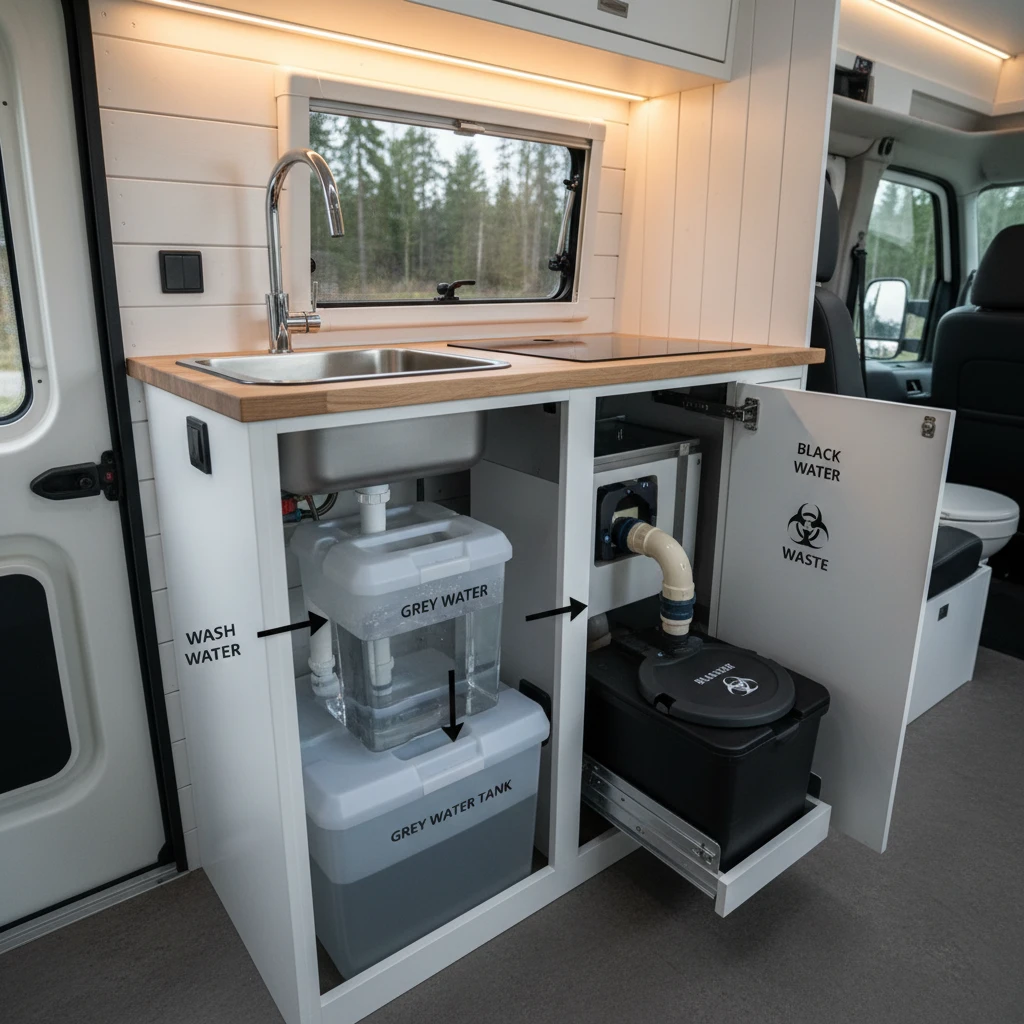
Grey water refers to the wastewater generated from domestic activities such as dishwashing, showering, laundry, and brushing teeth. While it does not contain fecal matter, grey water is far from harmless. It typically contains soaps, detergents, fats, food particles, and bacteria. In New Zealand, discharging grey water directly onto the ground or into storm drains is illegal in many districts and environmentally damaging everywhere. It must be stored in a dedicated on-board tank and emptied at a designated dump station.
What is Black Water?
Black water is the wastewater from the toilet system, containing human waste and toilet paper. In campervans, this is usually collected in a removable cassette or a fixed holding tank. Due to the high concentration of pathogens and harsh chemicals used to break down the waste and control odors, black water poses a significant biohazard. It must never be emptied into public toilets, long drops, or nature. It requires disposal into the specific sewage system connections found at dump stations.
How to Find a Dump Stations NZ Map and Facilities
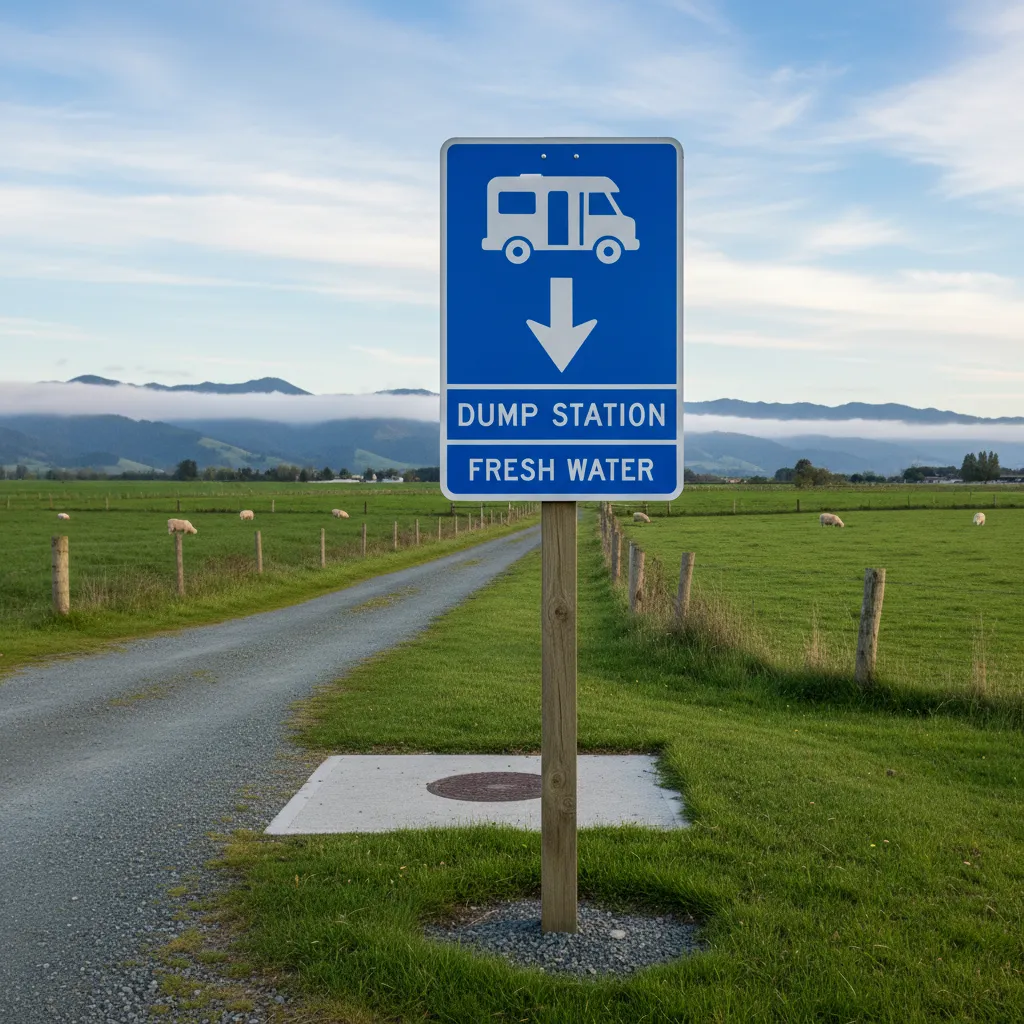
Locating a dump station is one of the most frequent logistical challenges for independent travelers. Fortunately, New Zealand has an extensive network of facilities. A “dump station” is a designated facility where you can empty your wastewater tanks and toilet cassettes into the sewage system. These are marked with a standard symbol: a campervan with a downward arrow.
Utilizing Digital Mapping Tools
The most efficient way to maintain a flexible itinerary is to use digital apps that provide an offline-capable dump stations NZ map. Relying solely on physical signs can lead to unnecessary detours.
- CamperMate: This is arguably the most popular app for travelers in New Zealand. It allows users to filter maps specifically for dump stations, showing user reviews, current status (open/closed), and whether the facility is free or requires a fee.
- Rankers Camping NZ: Another authoritative resource, Rankers provides detailed maps that include official Department of Conservation (DOC) data and user-generated content regarding the quality of facilities.
- Official Council Maps: Many local district councils (such as the Queenstown Lakes District Council or Thames-Coromandel District Council) publish specific maps on their websites indicating authorized disposal points.
Types of Dump Stations
When looking at a map, you will encounter different types of facilities:
- Public Dump Stations: Often located in towns, near public toilets, or at gas stations. Many are free to use, though some may ask for a small donation or fee.
- Holiday Parks and Campgrounds: Commercial holiday parks almost always have dump stations. These are generally reserved for paying guests. If you are not staying overnight, you may be able to use the facility for a nominal fee, but you must ask permission at the reception first.
- DOC Campsites: Some larger Department of Conservation campsites have dump stations, but many basic ones do not. Always check the facility list before heading to a remote DOC site.
Step-by-Step Guide: How to Use a Dump Station
For first-time campervan renters, the process of emptying tanks can be daunting. However, following a systematic approach ensures the process is clean, quick, and hygienic.
1. Position Your Vehicle
Pull up close to the dump station drain. Ensure your vehicle is positioned so that the outlet valve or cassette locker is on the same side as the drain. Do not block the thoroughfare for other users.
2. Emptying the Black Water (Toilet Cassette)
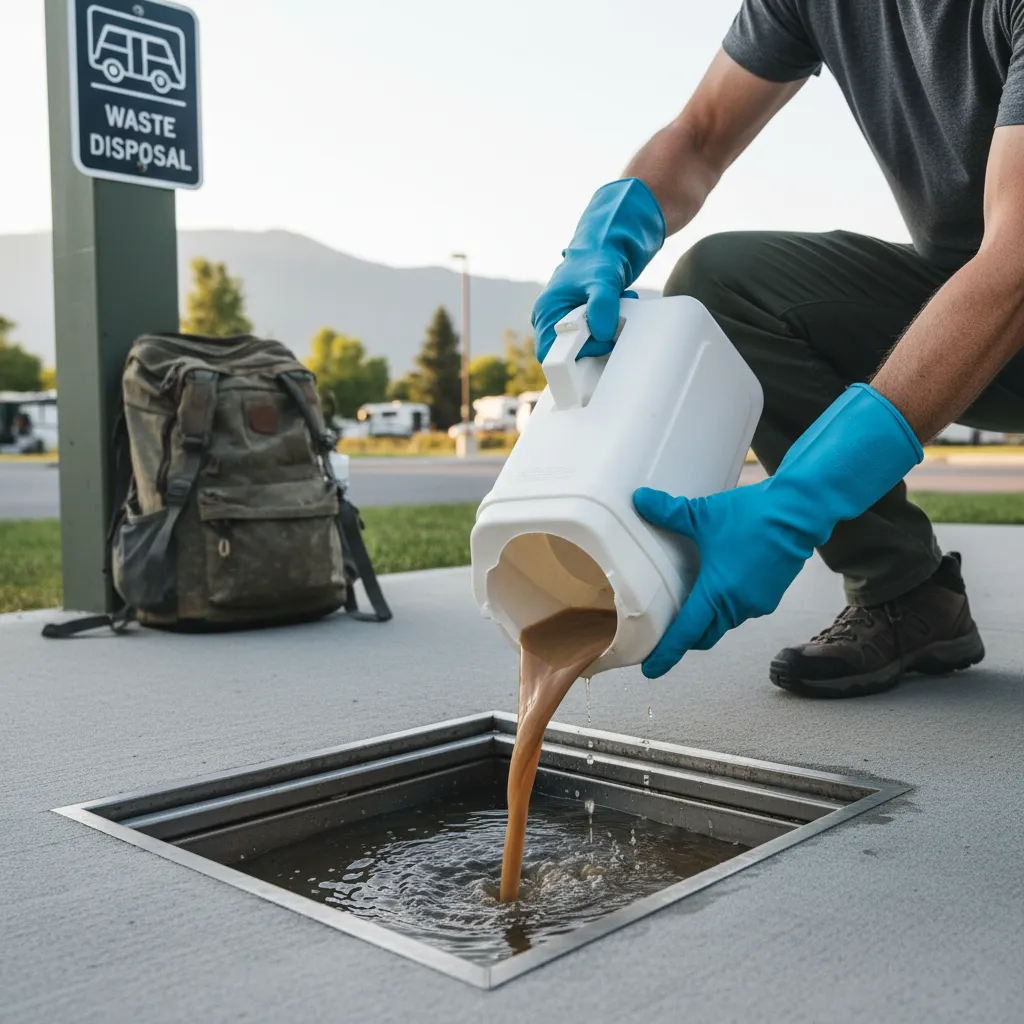
Always empty the toilet cassette first. Remove the cassette from your vehicle and carry it to the drain. Most dump stations have a concrete lid or a heavy plastic cover—lift this to expose the sewer opening. Unscrew the cap of your cassette, point the nozzle into the hole, and press the air-release button while pouring to ensure a smooth flow without splashing. Once empty, use the provided water tap (often labeled “non-potable” or “rinse only”) to put some water in the cassette, shake it, and empty it again to rinse.
3. Emptying the Grey Water
Connect your waste hose to the grey water outlet on your vehicle and place the other end securely in the dump station drain. Open the valve to let the water flow. If you do not have a hose, you may need to use a bucket or drive precisely over a floor grate if the station is designed for it. Emptying grey water after black water helps wash away any spills around the drain area if you are using a drive-over grate, though usually, they are separate processes.
4. Clean Up
Use the hose provided at the dump station to wash down the concrete apron and the drain area. Leave the facility cleaner than you found it. Wash your hands thoroughly immediately after finishing.
Dump Station Etiquette and Hygiene Best Practices
Shared public facilities rely on the cooperation of all users to remain sanitary and operational. Poor etiquette can lead to facility closures, impacting all travelers.
The Hose Rule: Potable vs. Non-Potable
This is the most critical hygiene rule. Dump stations usually have two taps. One is for rinsing the drain and toilet cassettes (Non-Potable). The other is for filling fresh water tanks (Potable). Never use the fresh water tap to rinse your toilet cassette. Doing so can contaminate the fresh water supply for everyone else with E. coli and other dangerous bacteria. If there is only one tap, assume it is contaminated and do not use it to fill your fresh water drinking tank.
Blockage Prevention
Dump stations are designed for liquid waste and toilet paper only. Do not dispose of sanitary items, wet wipes (even “flushable” ones), diapers, or food scraps into the dump station. These items cause severe blockages that are expensive to fix and result in the station being closed for days.
Wait Your Turn
During peak summer season, queues can form at popular dump stations. Be patient. Do not rush the person ahead of you, as rushing leads to spills and mistakes. Prepare your gloves and keys while you wait to minimize your time at the drain.
Recycling and Rubbish in Remote Areas
New Zealand’s waste management infrastructure varies significantly between urban centers and remote regions. In cities, you will find ample recycling bins. In remote areas, such as national parks and rural coastal spots, you will often encounter a “Pack In, Pack Out” policy.
The “Pack In, Pack Out” Philosophy
Many Department of Conservation sites and remote lookouts have removed rubbish bins. This strategy reduces pest numbers (rats and wasps attracted to food waste) and encourages self-responsibility. You must have a plan to carry your rubbish with you until you reach a town with transfer stations or recycling facilities.
Separating Waste
To manage trash in a small campervan:
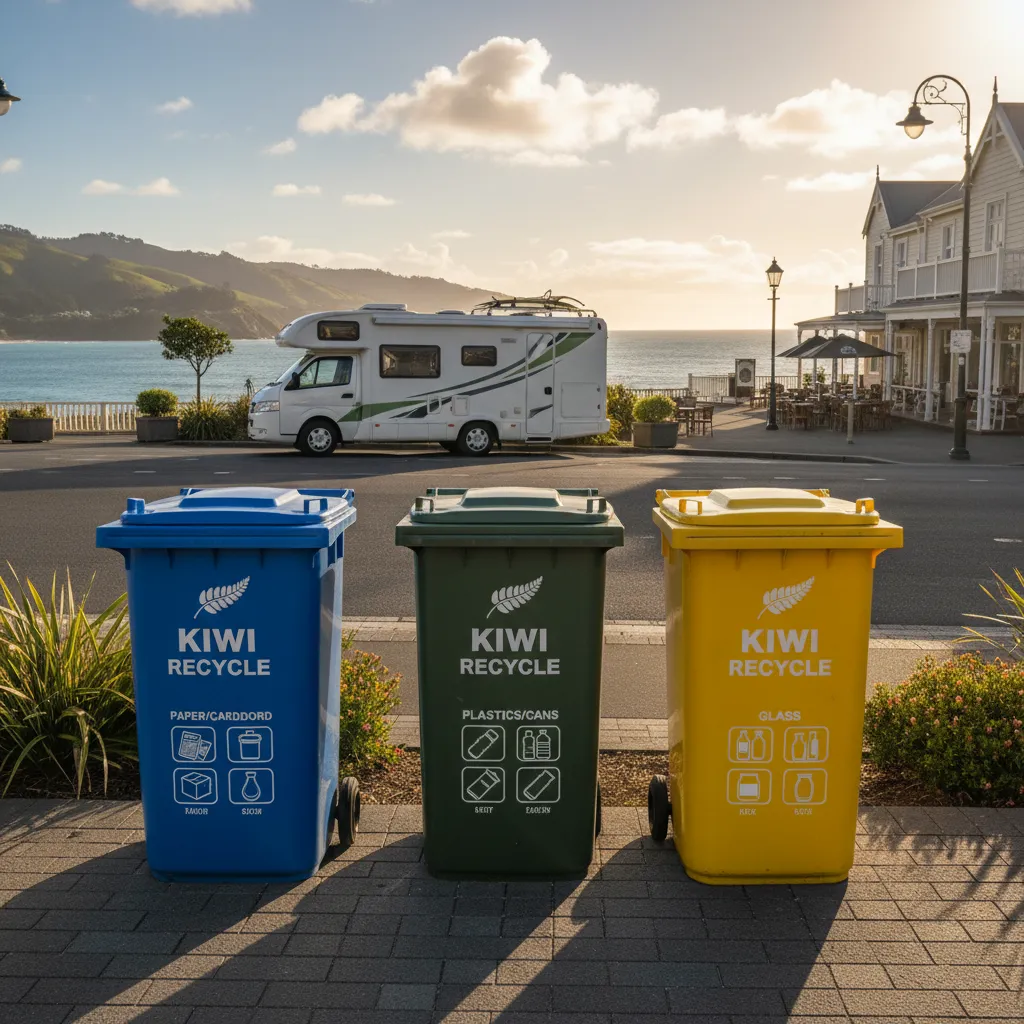
- Crush and Flatten: Flatten cardboard boxes and crush plastic bottles and aluminum cans to save space.
- Wash Recyclables: Rinse food containers before storing them. Unwashed recycling smells and attracts sandflies and vermin into your vehicle.
- Soft Plastics: New Zealand has specific soft plastic recycling schemes in major supermarkets. Collect your plastic bags and wrappers separately and drop them off at participating stores (Countdown, New World, etc.).
- Glass: Glass is heavy and breaks easily. Store it low to the ground in a secure box to prevent breakage while driving on winding roads.
The Tiaki Promise: A Commitment to New Zealand
Responsible waste disposal is a core tenet of the Tiaki Promise. Tiaki means to care for people and place. By acting as a guardian (kaitiaki) of New Zealand, you promise to protect nature, keep NZ clean, and show respect.
Improper disposal of waste—often referred to as “freedom camping abuse”—has led to stricter laws. The Freedom Camping Act allows for instant fines of $400 NZD or more for illegal dumping or camping in non-self-contained vehicles in restricted zones. Local councils actively monitor popular spots. By using a dump stations NZ map and planning your stops, you avoid fines and, more importantly, preserve the environment for future visitors.
When you travel responsibly, you are not just a tourist; you are a guest who respects the house rules. Ensure your vehicle is certified self-contained (look for the green or blue warrant sticker on the windshield) and always use official facilities for waste disposal.
Frequently Asked Questions
Where can I find a free dump stations NZ map?
You can find free maps of dump stations on apps like CamperMate and Rankers, or on the Department of Conservation (DOC) website. These resources allow you to filter for “dump stations” and often indicate which ones are free versus those that charge a fee.
Can I empty my grey water on the grass?
No, you should not empty grey water on the grass, especially in public areas or near waterways. Grey water contains soaps, fats, and food particles that can harm the environment and attract pests. Always use a designated dump station.
How often should I empty my campervan toilet cassette?
It depends on usage and tank size, but generally, you should empty the toilet cassette every 2 to 3 days. In hot weather, it is advisable to empty it more frequently to reduce odors and ensure the chemicals work effectively.
Is tap water at dump stations safe to drink?
Not always. Taps are usually labeled. If a tap is labeled “Potable,” it is safe to drink. If it is labeled “Non-Potable” or is located directly next to the waste drain, do not drink from it or use it to fill your fresh water tank, as it may be contaminated.
What happens if I get caught dumping waste illegally in NZ?
Illegal dumping of waste is taken very seriously in New Zealand. Under the Freedom Camping Act and the Litter Act, you can face instant infringement fines starting from $400 NZD, and serious court prosecutions can result in fines significantly higher.
Do all campsites in New Zealand have dump stations?
No, not all campsites have dump stations. Most commercial holiday parks do, but many basic DOC campsites and free camping areas do not. You must plan ahead and use a map to locate a dump station before or after your stay at a basic site.