Okarito boat tour booking requires advance reservation through authorized Department of Conservation concessionaires, such as Okarito Boat Tours or Okarito Kiwi Tours. Due to strict environmental protections in the UNESCO World Heritage site, daily passenger numbers are limited. Visitors should book online 3 to 6 months in advance, particularly for the October through March peak season, to secure access to White Heron sanctuaries and twilight wetland experiences.
The rugged West Coast of New Zealand’s South Island offers one of the most immersive wilderness experiences on the planet. At the heart of this region lies Okarito, a tiny settlement that serves as the gateway to New Zealand’s largest unmodified wetland. For eco-tourists and wildlife enthusiasts, securing an Okarito boat tour booking is the first step into a world of ancient biodiversity, dark sky sanctuaries, and rare nocturnal wildlife.
While the region is famous for its daytime vistas, the transition from twilight to total darkness reveals a different side of the wetland. This guide provides authoritative advice on booking your boat tour, understanding the nocturnal ecosystem, and maximizing your chances of seeing the rarest kiwi species in the world.

Okarito Boat Tour Booking Essentials
Booking a tour in Okarito is not merely a transaction; it is the acquisition of a permit to enter a highly sensitive ecological zone. The Department of Conservation (DOC) strictly regulates commercial activity here to protect the habitat of the Kotuku (White Heron) and the Rowi Kiwi. Consequently, capacity is artificially capped, making advance booking critical.
How far in advance should I book?
For travel during the New Zealand summer (December to February), it is highly recommended to finalize your Okarito boat tour booking at least three to four months prior. The White Heron breeding season, which runs from September to early March, attracts ornithologists from around the globe. If you are targeting a specific time slot—such as an early morning photography tour or a twilight cruise—booking six months out is advisable.
Understanding the Booking Process
Most operators in Okarito utilize real-time online booking systems. When navigating these platforms, pay attention to the following details:
- Concession Fees: A portion of your ticket price goes directly to the Department of Conservation. Ensure your operator lists this transparency.
- Weather Contingencies: The West Coast is notorious for high rainfall. reputable operators will have clear cancellation or rescheduling policies. Look for “fully refundable if cancelled due to weather” clauses.
- Check-in Times: Okarito is isolated. Missing your check-in time often means missing the only boat of the day. Confirm the drive time from Franz Josef (approx. 25 minutes) or Fox Glacier (approx. 55 minutes).
The Magic of Okarito Lagoon at Night
While most boat tours operate during daylight hours to maximize visibility of the birdlife, the atmosphere of Okarito transforms as the sun sets. The lagoon comprises over 3,000 hectares of shallow open water and tidal flats, bordered by rimu and kahikatea rainforest. As a designated Dark Sky location, the absence of light pollution creates a celestial amphitheater above the water.
The Twilight Transition
Booking a late-afternoon boat tour allows visitors to witness the “change of guard.” Diurnal birds like the Royal Spoonbill and the White Heron return to their roosts, while the forest edges begin to stir with nocturnal activity. The visual spectacle of the sun setting behind the sandspit, casting the Southern Alps (including Aoraki/Mt Cook) in alpenglow, is a primary reason photographers seek out these specific time slots.
The silence of the lagoon at dusk is profound. Without the noise of combustion engines (many operators use quiet four-stroke or electric-assist motors), the soundscape is dominated by the water lapping against the hull and the distant call of the Morepork (Ruru).

Spotting the Rowi Kiwi and Kotuku (White Heron)
Your Okarito boat tour booking is essentially a ticket to see two of New Zealand’s most significant avian treasures. However, it is vital to understand that these two species require different viewing strategies.
The Kotuku (White Heron)
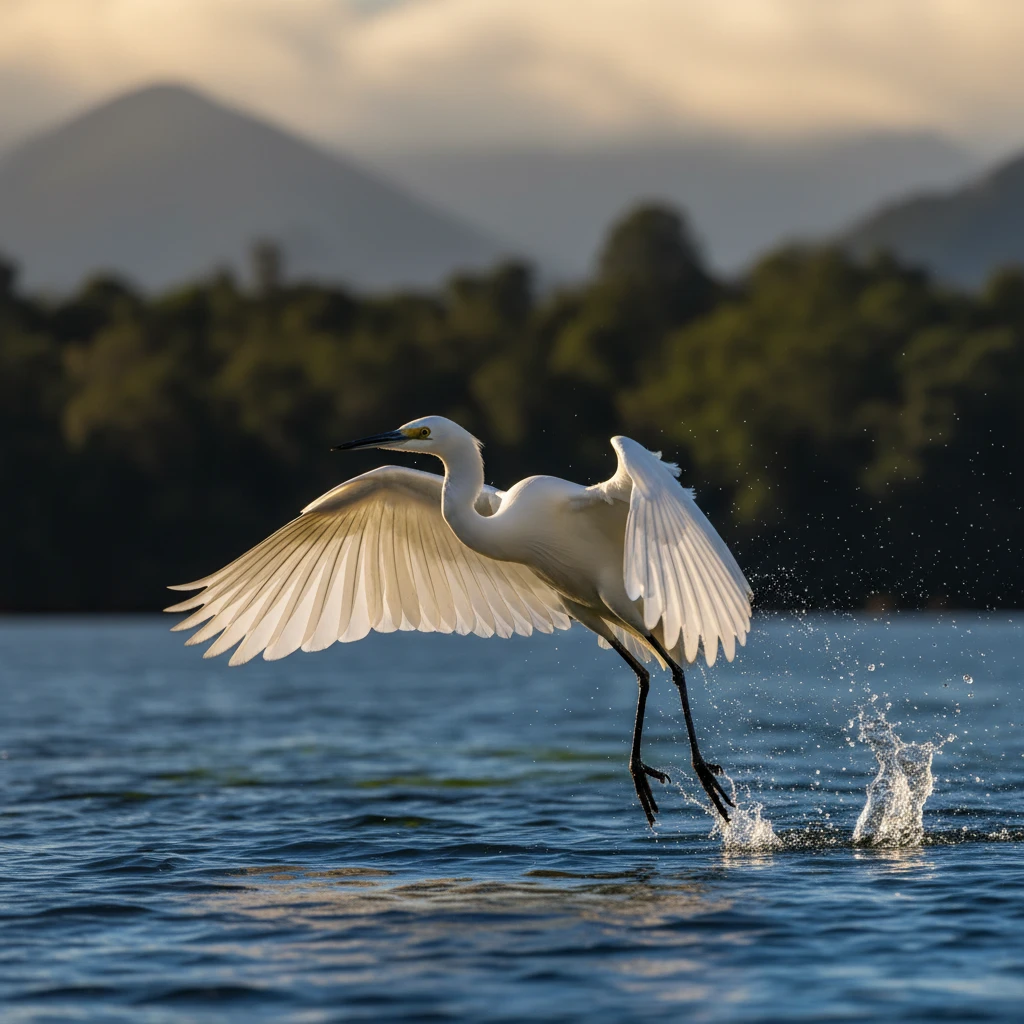
Okarito is the site of the only breeding colony of White Herons in New Zealand. Access to the colony is strictly controlled and only possible via an authorized boat tour operator.
Best Booking Time: September to February (Breeding Season).
What to Expect: The boat takes you across the lagoon to a jetty, followed by a short boardwalk into the rainforest hide. From here, you can observe nesting behaviors, feeding, and courtship displays without disturbing the birds.
The Rowi Kiwi
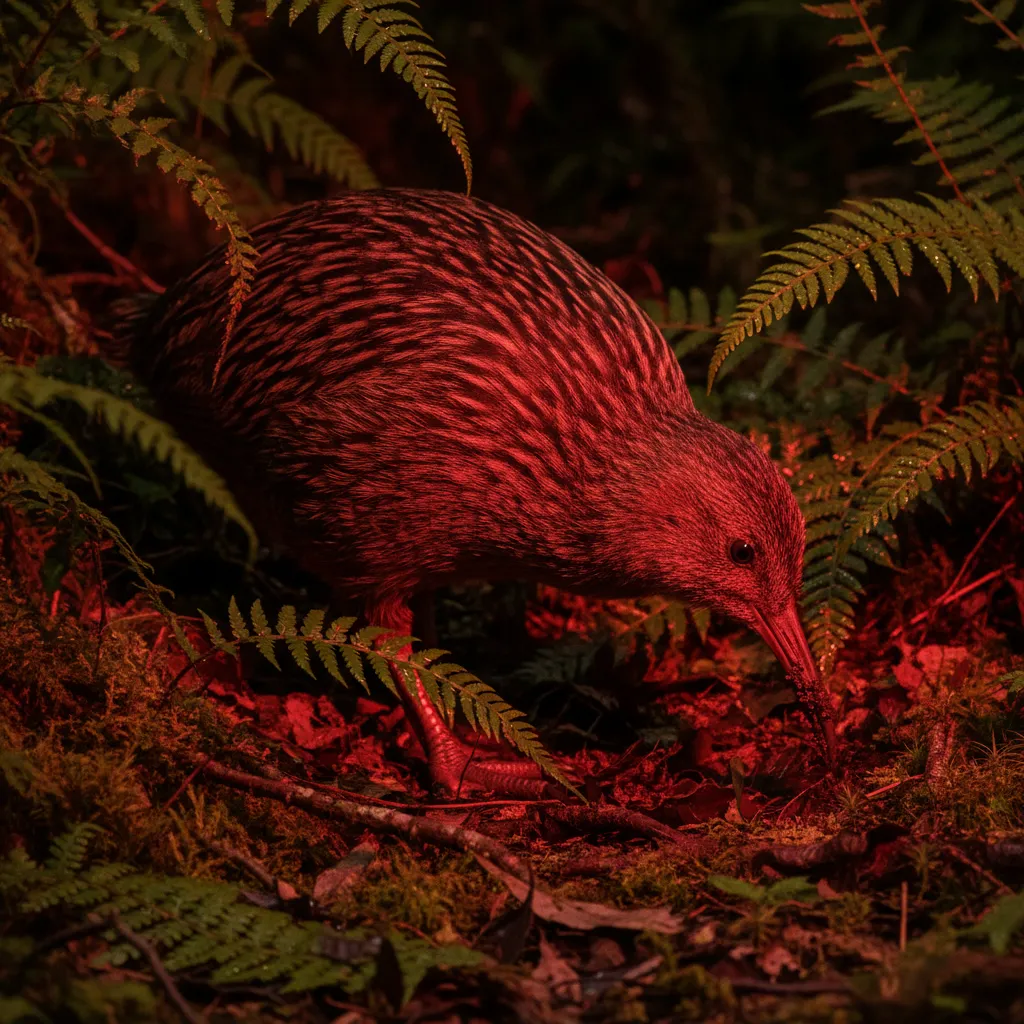
The Rowi is the rarest of the five species of kiwi, with a population that was once critically low. Okarito is their stronghold. While you generally do not spot Kiwi from the boat, the boat tour provides the context of their habitat.
The Night Safari Connection: Many visitors combine a daytime or sunset boat tour with a guided “Okarito Kiwi Tour” at night. These are land-based walking tours that venture into the forest surrounding the settlement. Booking these two experiences back-to-back provides a comprehensive “Wetland & Coastal Night Safari” itinerary.
Haast UNESCO World Heritage Site Biodiversity
Okarito falls within the Te Wahipounamu – South West New Zealand World Heritage Area. When you finalize your boat tour booking, you are entering a landscape recognized by UNESCO for its outstanding universal value. This area provides a window into Gondwanaland, the ancient supercontinent.
Flora and Fauna
The biodiversity here extends beyond the famous birds. The lagoon supports a complex food web starting with microscopic organisms in the nutrient-rich mud, feeding galaxiids (whitebait) and eels (tuna), which in turn support the bird populations. During your boat tour, knowledgeable guides will often point out:
- Kahikatea: New Zealand’s tallest tree, dating back to the Jurassic period.
- Fernbirds (Matata): Elusive birds that scramble through the reeds.
- Long-finned Eels: These can live for 80+ years and migrate to Tonga to breed.
Booking Guide for Eco-Friendly Boat Operators
Choosing the right operator is crucial for a responsible tourism experience. In Okarito, the operators are generally small, family-run businesses deeply embedded in the conservation community. When making your Okarito boat tour booking, look for the following credentials:
1. Okarito Boat Tours
This is a primary operator for general lagoon exploration and dawn/dusk photography. They specialize in small groups and quiet observation.
Booking Tip: Request the “Early Morning” slot for the best reflection photography, or the late afternoon for atmospheric lighting.
2. White Heron Sanctuary Tours
The only operator permitted to take visitors onto the Waitangiroto Nature Reserve to view the Kotuku nesting site. This is a combined jet boat and walking tour.
Booking Tip: This tour is extremely popular. If the online calendar shows “Sold Out,” it is worth calling directly to check for cancellations, though this is rare.
3. Okarito Kiwi Tours
While not a boat tour, this is the essential companion booking for the night safari experience. They offer guided night walks to spot Rowi.
Booking Tip: These tours are weather-dependent and have very low ratios (guide to guest). Book this in conjunction with your boat tour.
Seasonal Availability for Wetland Tours
Seasonality dictates the nature of the experience in Okarito more than almost any other factor. Your booking strategy must align with the wildlife calendar.
Spring (September – November)
This is the prime season for the White Heron. The birds are in full plumage and nesting activity is high. The weather can be volatile, with spring rains feeding the lagoon.
Verdict: Essential for bird watchers. High demand for bookings.
Summer (December – February)
The chicks are hatching and being fed. The days are long, allowing for late evening boat tours (sunset can be as late as 9:00 PM). This is the busiest time for tourism on the West Coast.
Verdict: Best weather, but requires the earliest advance booking.
Autumn (March – May)
The Herons disperse after the breeding season, so the Sanctuary tours may wind down. However, general lagoon scenic tours are spectacular as the light softens and the winds calm. The Rowi Kiwi remains active year-round.
Verdict: Great for landscape photography and solitude.
Winter (June – August)
Many operators reduce their schedule or close for maintenance. However, the winter light on the snow-capped Southern Alps is unmatched. If you can find an operator running, you will likely have the lagoon to yourself.
Verdict: For the adventurous traveler willing to brave the cold.
People Also Ask
What is the best time of day for an Okarito boat tour?
The best time of day is typically early morning (for calm water and reflections) or late afternoon/sunset (for dramatic lighting and increased wildlife activity). Mid-day can often be windier, which disturbs the water surface.
Can you see Kiwis on the Okarito boat tour?
No, you generally cannot see Kiwis on the boat tour itself. Kiwis are nocturnal and forest-dwelling. To see a Rowi Kiwi, you should book a separate guided night walk with Okarito Kiwi Tours, which complements the boat experience.
How much does an Okarito boat tour cost?
Prices typically range from $75 to $150 NZD per adult depending on the duration and exclusivity of the tour. White Heron sanctuary tours are generally more expensive due to the DOC concession fees and longer duration.
Is it necessary to book Okarito tours in advance?
Yes, advance booking is highly recommended, especially between October and March. Okarito is a small settlement with limited capacity, and tours often sell out weeks in advance during peak summer season.
What should I wear for an Okarito boat tour?
Dress in warm layers, even in summer. The West Coast weather changes rapidly. A waterproof jacket is essential, along with comfortable shoes. Insect repellent is also highly recommended due to sandflies.
Are Okarito boat tours suitable for children?
Yes, the lagoon tours are generally very safe and suitable for children. The water is calm and the boats are stable. However, silence is often required to spot wildlife, so it is best for children who can remain relatively quiet.