The best places to see wild kiwi in New Zealand are Stewart Island (Rakiura) for the Southern Brown Kiwi, Okarito on the West Coast for the rare Rowi, and Kapiti Island for the Little Spotted Kiwi. For high-probability sightings near urban centers, fenced sanctuaries like Zealandia (Wellington) and Tawharanui (Auckland) offer guided night tours with exceptional success rates.
Spotting a kiwi in the wild is often cited as the pinnacle of New Zealand eco-tourism experiences. As a national icon and a biological curiosity, this flightless, nocturnal bird represents the unique evolutionary history of Aotearoa. However, due to their elusive nature and conservation status, finding them requires specific knowledge of geography, behavior, and ethical observation practices. This guide provides a comprehensive analysis of where to see wild kiwi in NZ, evaluating the top locations, tour operators, and environmental conditions required for a successful encounter.
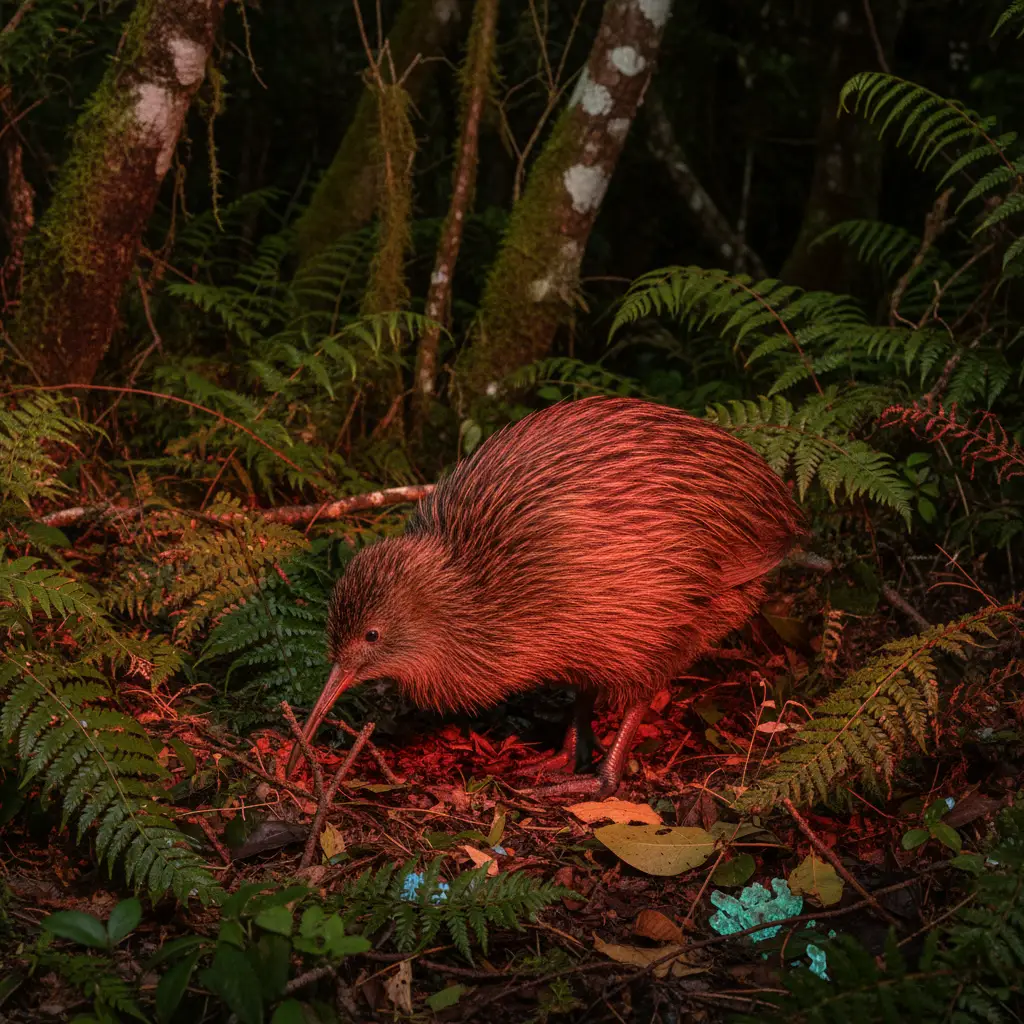
Understanding Kiwi Behavior: Active Hours and Seasons
When is the best time of night to see kiwi?
To maximize your chances of a sighting, it is crucial to understand the circadian rhythm of these birds. Kiwi are strictly nocturnal (with the exception of the Stewart Island Tokoeka, which occasionally appears during the day). They typically emerge from their burrows roughly 30 to 45 minutes after sunset. The first few hours of darkness are generally the most active as the birds begin their nightly forage for invertebrates, fallen fruit, and seeds. However, activity can continue throughout the night until dawn.
Behavior is also heavily influenced by the moon phase. Contrary to popular belief, some studies suggest kiwi may be less active or more cautious during a full moon to avoid predation, although in predator-free sanctuaries, this behavior is less pronounced. Dark, overcast nights often yield excellent viewing results.
How do seasons affect sighting probabilities?
While kiwi can be seen year-round, their behavior changes with the seasons:
- Spring (September to November): This is often considered the peak season for vocalization. Male kiwi are highly territorial and will call frequently to mark boundaries and attract mates. Hearing the piercing whistle of a male or the guttural growl of a female is a highlight of any tour.
- Summer (December to February): Incubation periods vary, but during summer, birds are actively foraging to maintain energy. The nights are shorter, meaning tours start later (often around 9:30 PM or 10:00 PM).
- Autumn and Winter (March to August): The nights are longer, allowing for earlier tour departures. In winter, the birds may forage for longer periods to sustain body heat, but the cold weather requires visitors to be well-prepared with thermal layers.
Stewart Island (Rakiura): The Best Odds for Spotting Tokoeka
If your primary goal is to see a kiwi in a truly wild, unfenced environment, Stewart Island (Rakiura) is widely regarded as the premier destination globally. The island is home to the Southern Brown Kiwi, or Tokoeka, which is physically larger than its northern cousins.
Why is Stewart Island superior for sightings?
The human population of Stewart Island is approximately 400, while the kiwi population is estimated to be over 15,000. This ratio creates the highest probability of encounters. Unlike the mainland, where introduced predators like stoats and ferrets have decimated populations, Stewart Island has managed to maintain a robust ecosystem that supports these birds.
Key Locations on Rakiura
Ocean Beach and Glory Cove: These areas are accessible primarily by boat and are the focal points for commercial operators. The beaches here often see kiwi venturing out of the bush to feed on sandhoppers (amphipods) in the decaying kelp lines—a behavior unique to this species.
Mason Bay: For the adventurous hiker, Mason Bay on the west coast of the island offers spectacular opportunities. It requires a flight or a multi-day tramp (hike). The isolation means the birds are less habituated to humans, providing a raw wilderness experience.
Traill Park and Oban Township: It is not uncommon for visitors to spot kiwi walking across the local rugby field or even in backyard gardens in the main township of Oban, although reliance on these chance encounters is not recommended for those on a tight schedule.

Okarito Kiwi Sanctuary: Guided Tours vs. Self-Guided Risks
Located on the West Coast of the South Island, near Franz Josef Glacier, Okarito is the stronghold of the Rowi (Okarito Brown Kiwi). The Rowi is the rarest of the five species of kiwi.
The Value of Guided Tours in Okarito
Finding a Rowi without a guide is statistically improbable and ecologically risky. The Okarito forest is dense, and the birds are sensitive to disturbance. Authorized tour operators in this region have access to concession areas that are otherwise restricted. They utilize tracking telemetry equipment to locate the general vicinity of monitored birds without interfering with them. This technology significantly increases the success rate, often boasting over 90% sighting records during the season.
Risks of Self-Guided Spotting
Attempting to find kiwi in Okarito without a guide often leads to disappointment and potential harm to the ecosystem. Untrained visitors may inadvertently trample sensitive vegetation, crush burrows, or use white light (flashlights or phone flashes), which can temporarily blind the birds and cause them severe stress. For the commercial traveler, investing in a professional tour here is mandatory for a reliable experience.
Kapiti Island and Zealandia: Managed Sanctuary Night Tours
For those unable to travel to the deep south, managed sanctuaries offer a “wild” experience within a protected perimeter. These locations are predator-free havens where kiwi populations have thrived to saturation points.
Kapiti Island Nature Tours
Kapiti Island, located off the coast of Paraparaumu (north of Wellington), is one of New Zealand’s oldest and most important nature reserves. It is home to the Little Spotted Kiwi (Kiwi Pukupuku), the smallest species, which is extinct on the mainland. An overnight stay on the island is required to see them, as day visitors must leave before dusk. The “Kapiti Island Nature Tours” lodge offers guided night walks where spotting these small, energetic birds is almost guaranteed. The experience is intimate, often involving fewer than 10 guests.
Zealandia Ecosanctuary (Wellington)
Zealandia is a groundbreaking conservation project—a fully fenced urban ecosanctuary. While it is minutes from downtown Wellington, the interior feels like a prehistoric forest. Their “Zealandia by Night” tour is highly commercialized yet deeply educational. Because the Little Spotted Kiwi population here exceeds 150 birds in a concentrated valley, sightings are extremely frequent. This is arguably the most accessible option for international travelers on a tight itinerary.
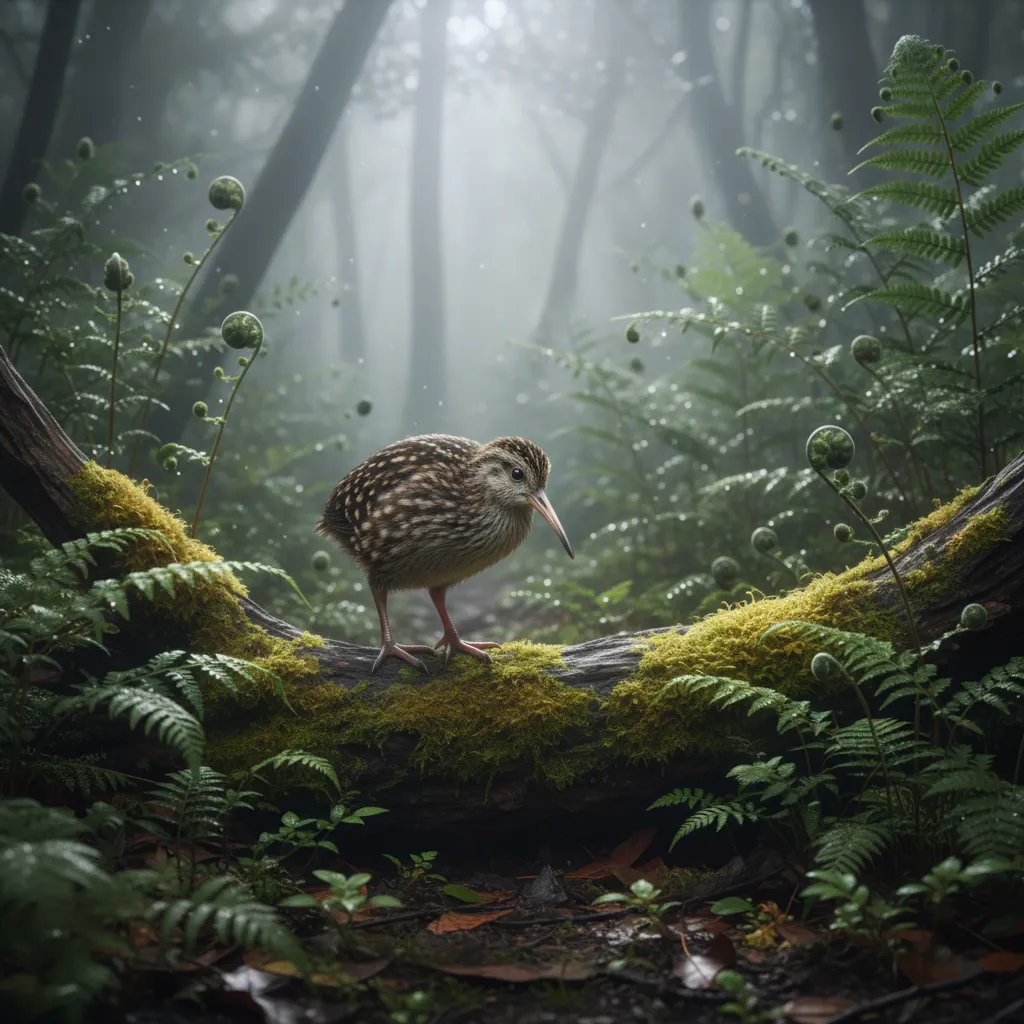
Review of Top-Rated Kiwi Spotting Tour Operators
Choosing the right operator can make the difference between a cold night walk and a life-changing wildlife encounter. Below is an analysis of the market leaders in New Zealand.
1. RealNZ (Stewart Island / Rakiura)
Experience Type: Boat cruise and short walk.
Target Species: Southern Brown Kiwi (Tokoeka).
Verdict: RealNZ operates the “Wild Kiwi Encounter” which involves a catamaran cruise to Little Glory Cove followed by a guided walk. This is a polished, high-volume commercial operation. It is excellent for visitors with lower fitness levels as the walking is on well-graded tracks. The success rate is very high, but the group sizes can be larger (up to 15-20 people), which may detract from the intimacy for some hardcore nature enthusiasts.
2. Okarito Kiwi Tours
Experience Type: Small group forest walk.
Target Species: Rowi.
Verdict: This is a premium, eco-centric experience. The guides are often involved in the conservation efforts themselves. With a maximum ratio of roughly 1:8, the tour feels personal. They are masters of “stealth” tourism. If you want to learn about the science of conservation while spotting the rarest kiwi, this is the top choice. Note: Bookings must be made months in advance due to limited capacity.
3. Ruggedy Range (Stewart Island)
Experience Type: Boutique, small group hiking.
Target Species: Southern Brown Kiwi.
Verdict: For those who want to avoid the crowds of the larger boats, Ruggedy Range offers specialized birding tours. Their approach is more immersive, often involving longer walks in more secluded areas. The guides are expert ornithologists. This is the recommended option for serious birders and photographers seeking a more authentic chase.
Essential Gear and Observation Etiquette
To ensure the safety of the birds and the quality of your experience, strict adherence to gear and behavioral protocols is necessary.
The Red Light Rule
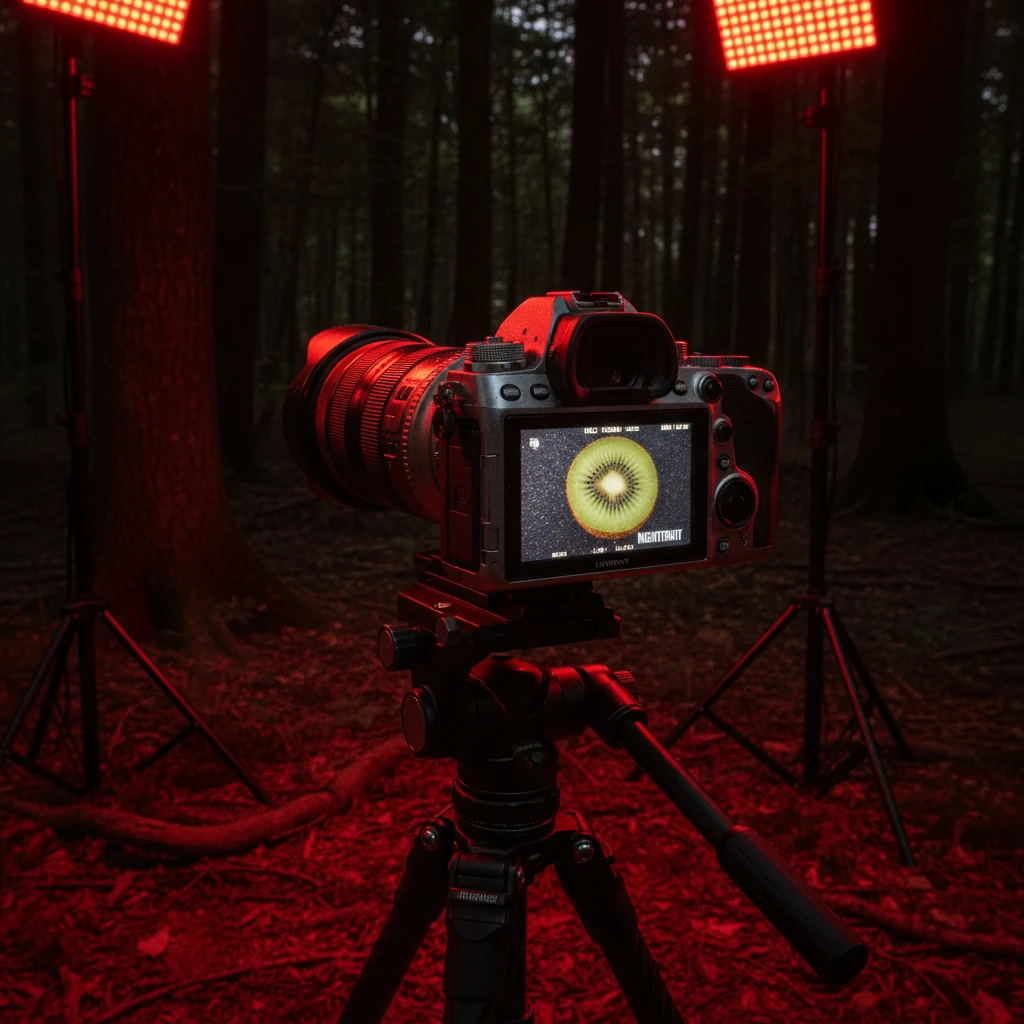
Kiwi eyes are sensitive to white light. Exposure to camera flashes or standard LED torches can cause temporary blindness and disrupt their foraging ability. All reputable tours will provide red-light torches. If you are self-guiding in a permitted area, you must use a red filter or a dedicated red LED headlamp. Never shine the light directly into the bird’s face; aim at their feet or the ground nearby.
Clothing and Noise
Kiwi have an exceptional sense of hearing. The rustle of a waterproof jacket can sound like a thunderclap to them.
- Wear: Fleece, wool, or soft-shell fabrics that do not rustle. Avoid crinkly raincoats if possible, or move extremely slowly.
- Footwear: Sturdy walking shoes are essential. Clean your footwear thoroughly before entering sanctuary areas to prevent the spread of Kauri Dieback disease.
Photography Constraints
Most commercial tours strictly prohibit flash photography. Capturing a kiwi on a smartphone is nearly impossible and the light from the screen disturbs the group and the birds. If you are a serious photographer, you require a camera with high ISO capabilities (ISO 6400+) and a fast lens (f/2.8 or wider). Focus manually, as autofocus systems struggle in the red-light spectrum.
People Also Ask
Can you see kiwi in the wild without a tour?
Yes, it is possible to see kiwi without a tour in places like Stewart Island (around Oban) or occasionally in Northland campsites like Trounson Kauri Park. However, your chances of success are significantly lower (around 10-20%) compared to guided tours (90%+), and you risk disturbing the birds if you are not trained in proper approach etiquette.
What is the best time of year to see kiwi?
Kiwi can be seen year-round. However, late spring and summer (November to March) are generally more comfortable for tourists regarding weather. Spring is excellent for hearing vocalizations, while summer offers better weather for the requisite waiting and walking in the dark.
Are kiwi birds dangerous to humans?
No, kiwi are not dangerous to humans. They are flightless and generally shy. However, they have strong legs and sharp claws used for digging and defense. If cornered or handled (which is illegal), they can scratch or kick, but they will almost always choose to run away rather than fight.
Why is red light used for kiwi spotting?
Kiwi are visually sensitive to the white/blue light spectrum, which mimics daylight and signals them to sleep or hide. Red light has a longer wavelength that kiwi eyes are less sensitive to, allowing observers to watch natural behaviors without stressing or startling the bird.
How much does a kiwi spotting tour cost?
Prices vary by location and exclusivity. A standard group tour at a sanctuary like Zealandia costs approximately NZD $95-$125 per adult. More specialized wilderness tours, such as those on Stewart Island or Okarito, typically range from NZD $150 to $250 per person due to the logistics and small group sizes.
Can I take photos of kiwi during a tour?
Most operators strictly prohibit flash photography. Some allow photography if the flash is disabled and the screen brightness is dimmed, but others have a total ban on cameras to ensure the birds are not disturbed. Always check the specific policy of your tour operator before booking.