Wheelchair accessible nature walks in NZ are purpose-built trails featuring sealed surfaces, wooden boardwalks, and gentle gradients designed for mobility devices and prams. Primarily managed by the Department of Conservation (DOC), these tracks provide barrier-free access to diverse ecosystems, from ancient kauri forests to alpine lakes, ensuring inclusive eco-tourism experiences across Aotearoa.
New Zealand’s reputation as a rugged, mountainous wilderness often overshadows a rapidly growing sector of its tourism industry: accessible travel. For visitors and locals with mobility requirements, the Department of Conservation (DOC) and local councils have invested significantly in upgrading infrastructure to ensure that the beauty of Aotearoa is available to everyone. Whether you are using a power chair, a manual wheelchair, a walking frame, or pushing a pram, the country offers a spectacular array of accessible outdoor experiences.
This guide explores the finest accessible landscapes in New Zealand, focusing on practical logistics, sensory experiences, and the specific conservation values of each location.
Top Wheelchair-Friendly Boardwalks in NZ
The cornerstone of accessible nature in New Zealand is the boardwalk system. These structures protect delicate root systems of native flora while providing a smooth, predictable surface for wheels. Below are the premier destinations categorized by island.

North Island Highlights
1. Tāne Mahuta Walk (Northland)
Accessibility Rating: Excellent
Surface: Timber boardwalk
Gradient: Flat to gentle slope
To stand before the Lord of the Forest is a spiritual experience. The walk to Tāne Mahuta in the Waipoua Forest is one of the finest examples of accessible infrastructure in the country. The short boardwalk protects the sensitive kauri roots from dieback disease while allowing wheelchair users to get within viewing distance of the giant tree. The path is wide enough for two-way traffic, and the viewing platform is spacious.
2. Redwoods Treewalk (Rotorua)
Accessibility Rating: Moderate (Specific sections)
Surface: Suspended bridges and forest floor tracks
While the suspended bridges have specific width restrictions (check ahead for chair dimensions), the forest floor tracks beneath the towering Californian Redwoods are hard-packed and generally flat. This area offers a unique micro-climate experience, distinct from the native bush, with massive tree trunks creating a cathedral-like atmosphere.
3. New Plymouth Coastal Walkway (Taranaki)
Accessibility Rating: Excellent
Surface: Paved concrete
Stretching 12.7km, this award-winning promenade offers uninterrupted views of the Tasman Sea. It is fully paved and largely flat, making it ideal for power chairs and hand cycles. The highlight is the Te Rewa Rewa Bridge, an architectural marvel that frames Mount Taranaki and is fully accessible.
South Island Highlights
1. Punakaiki Pancake Rocks (West Coast)
Accessibility Rating: Very Good
Surface: Sealed path and timber boardwalk
The loop track around the famous limestone formations is largely accessible. While there are some steeper sections that may require assistance for manual wheelchair users, the main viewing platforms for the blowholes are reachable. The sensory experience here is profound, with the booming sound of the ocean crashing against the rocks.
2. Milford Sound Foreshore Walk (Fiordland)
Accessibility Rating: Excellent
Surface: Gravel and boardwalk
Milford Sound is often considered the eighth wonder of the world. The foreshore walk allows visitors to soak in the iconic view of Mitre Peak without needing to board a boat. The loop is short (400m) and meanders through beech forest and along the sandy estuary. It is a vital stop for anyone visiting the fiords.
3. Aoraki/Mount Cook Village Walks
Accessibility Rating: Good
Surface: Paved and gravel
The Governor’s Bush Walk and the path leading toward the Hooker Valley track start offer paved sections that allow wheelchair users to experience the alpine environment. While the full Hooker Valley track has swing bridges and stairs that limit full access, the initial sections provide breathtaking views of the glaciers and the highest peak in New Zealand.
Sensory Trails for the Visually Impaired
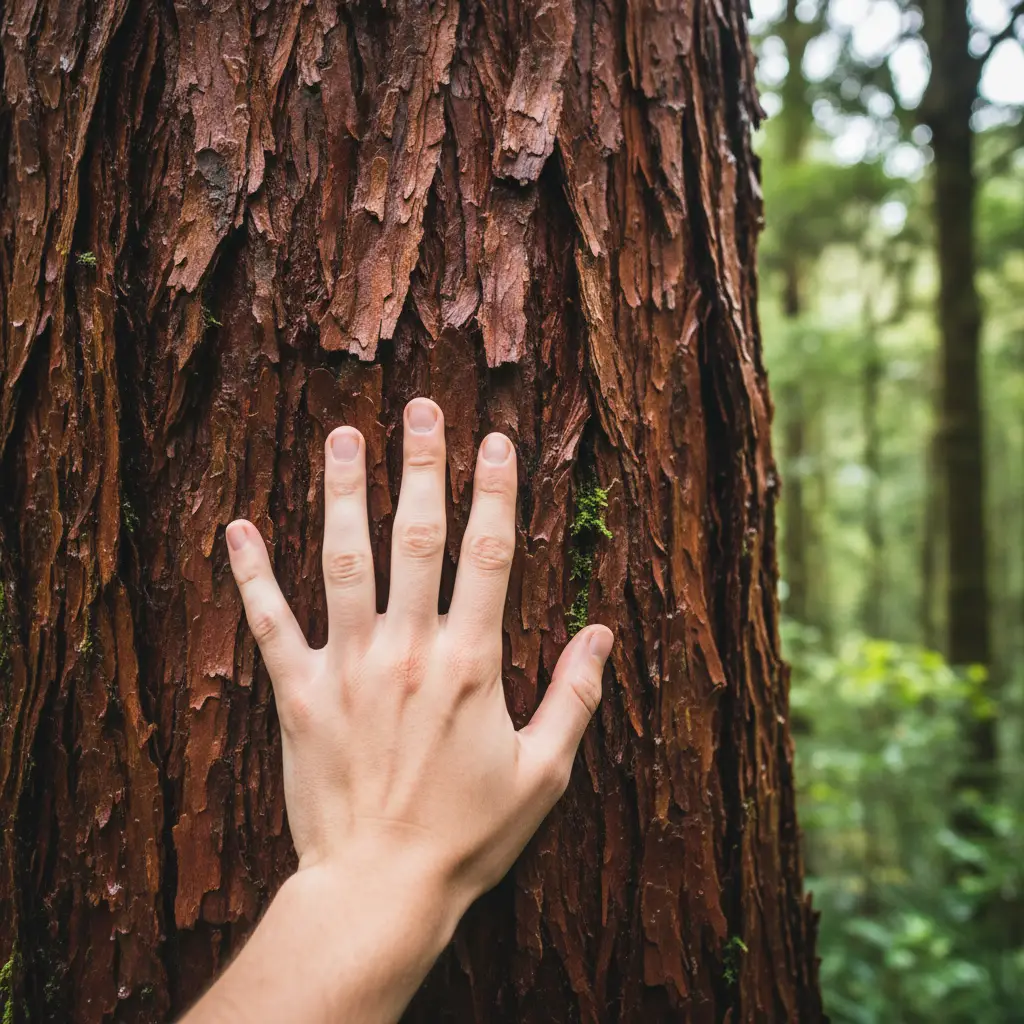
True accessibility extends beyond mobility. For visitors with visual impairments, New Zealand’s nature offers a rich tapestry of sound, smell, and tactile experiences. ‘Sensory trails’ are designed to heighten these non-visual engagements with the environment.
The Power of Soundscapes
New Zealand’s birdlife is distinct because it evolved without mammalian predators, resulting in unique calls. Places like Zealandia Ecosanctuary in Wellington are enclosed by predator-proof fences, resulting in a density of birdlife that creates an immersive 3D soundscape. The wide, flat tracks allow for safe navigation with a cane or guide dog, while the calls of the Tũĩ, Bellbird (Korimako), and Kākā provide an auditory map of the forest.
Tactile Gardens and Plant Life
The Auckland Botanic Gardens features a Potter Children’s Garden and native forest sections where interaction is encouraged. The texture of the Silver Fern (ponga), with its rough trunk and soft fronds, or the waxy feel of the Rengarenga lily, provides a tactile connection to the flora. Guide dogs are generally permitted in National Parks if they are certified, but it is crucial to check specific DOC regulations as some areas with kiwi populations have strict controls.
Family-Friendly Pram Tracks
Families with young children often require the same infrastructure as wheelchair users: wide paths, barriers on drop-offs, and smooth surfaces. However, pram accessibility also opens up longer distance walking options where ‘all-terrain’ buggies can handle compact gravel.
Lake Matheson (West Coast)
Famous for its mirror reflections of Aoraki/Mount Cook, the walk to the Jetty Viewpoint is accessible for robust prams and assisted wheelchairs. The track is well-formed, and the gradient is manageable. It is an ideal introduction to the West Coast rainforest for families, offering safety and spectacular scenery without a strenuous hike.

Cathedral Cove (Coromandel) – Top Section
While the descent to the beach is steep and not accessible, the paved path leading from the car park to the viewing platform offers one of the best coastal panoramas in the North Island. It is wide enough for double buggies and provides a safe environment for toddlers to walk alongside the pram.
Tunnel Beach (Dunedin) – Caution Advised
Often listed as a pram walk, this track is steep. It is suitable for fit parents with off-road buggies who want a workout. The destination is a spectacular sandstone sea arch. Note: The return journey is a significant uphill climb, so ensure your pram has a safety strap and good brakes.
How to Use DOC Accessibility Filters
The Department of Conservation (DOC) website is the ultimate resource for planning accessible nature walks in NZ, but understanding their classification system is critical to avoiding disappointment.
Understanding the Icons
DOC categorizes tracks into several levels of service. When searching the DOC website, look for these specific filters:
- Wheelchair Accessible: This is the gold standard. These tracks are sealed or boardwalked, have gradients compliant with accessibility standards, and are suitable for people with low to moderate upper body strength.
- Easy Access Short Walk: These are generally suitable for robust wheelchairs or those with assistance. They may have gravel surfaces or slight inclines.
- Short Walk: These are well-formed but may have steps. Avoid these if you cannot navigate stairs.

The “Access Whakatũ” and Local Council Maps
Beyond DOC, many regional councils provide ‘Access Maps.’ For example, the Nelson/Tasman region has detailed maps showing accessible toilets, parking, and track gradients. Always cross-reference DOC data with apps like CamperMate or Rankers, where user reviews often contain up-to-date photos of track conditions (e.g., “The bridge was washed out” or “Gravel is too loose for a manual chair”).
Essential Gear & Preparation for Accessible Hiking
Nature in New Zealand is changeable. Four seasons in one day is not a cliché; it is a reality. Preparation ensures that an accessible adventure remains safe.
1. Mobility Device Check
If you are using a power chair or scooter, ensure your batteries are fully charged. The cooler temperatures in lush forests can deplete battery life faster than expected. For manual users, consider ‘Freewheel’ attachments that lift the front castors, making navigation over gravel significantly easier.
2. The Liberty Swing and Toilets
Accessible toilets are generally available at the start of most “Easy Access” DOC tracks. However, they are often long-drop (composting) toilets in remote areas. Bring hand sanitizer. Some playgrounds near nature walks (like in Rotorua and Christchurch) feature Liberty Swings (wheelchair-accessible swings), though these require a key often obtainable from local councils.
3. Weather Gear
Ponchos that cover both the user and the wheelchair are essential. Wet boardwalks can become slippery; ensure your tires have good tread. If you are visually impaired, be aware that rain can dampen sound, altering the auditory cues you might rely on for navigation.
Conclusion
New Zealand is progressively dismantling the barriers to its wilderness. From the kauri forests of the North to the fiords of the South, “wheelchair accessible nature walks nz” is a search term that yields increasingly rich results. By utilizing DOC resources, preparing for the elements, and choosing tracks that match your mobility requirements, the breathtaking biodiversity of Aotearoa is open to all.
People Also Ask
Are all New Zealand Great Walks wheelchair accessible?
No, the Great Walks are generally multi-day hiking tracks with rough terrain. However, the Abel Tasman Coast Track has sections that can be accessed via water taxi with a beach wheelchair, and the Paparoa Track has been designed to be mountain bike friendly, which allows for some off-road mobility devices, though it is advanced terrain.
Where can I hire an all-terrain wheelchair in NZ?
Several organizations offer all-terrain chair rentals. “Wheelie Fantastic” in the South Island and various regional disability resource centers can assist. Some beach communities also offer free beach wheelchair loans during summer months.
Is the Abel Tasman National Park accessible?
Yes, partially. While the full track is not wheelchair accessible, water taxis can transport wheelchair users to various bays. Some tour operators specialize in accessible kayaking and boat tours within the park.
What is the best accessible walk in Queenstown?
The Queenstown Gardens and the Frankton Arm Walkway are excellent. The Frankton Arm track is a flat, shared path that traces the edge of Lake Wakatipu, offering spectacular mountain views with a paved surface.
Are DOC huts wheelchair accessible?
Most backcountry huts are not accessible due to stairs and narrow bunks. However, some serviced huts and lodges at road ends (like at Aoraki/Mount Cook) have accessible facilities. Always check the specific hut facilities on the DOC website before booking.
Do I need a pass for accessible nature walks in NZ?
Generally, no. Access to National Parks and most reserves in New Zealand is free. However, parking fees may apply at high-traffic tourist spots, and specific private attractions (like the Redwoods Treewalk) will have an entry fee.