New Zealand’s geothermal parks are concentrated primarily within the Taupō Volcanic Zone, offering access to active volcanic phenomena including geysers, boiling mud pools, and silica terraces. These protected reserves provide visitors with a unique insight into the Earth’s crust while preserving sites of immense cultural and spiritual significance to the Māori people.
The Science Behind the Steam: How Geothermal Activity Works
To truly appreciate the visual spectacle of a geothermal park in New Zealand, one must first understand the violent and powerful geological forces at play beneath the surface. New Zealand sits precariously on the Pacific Ring of Fire, specifically at the collision zone between the Pacific and Australian tectonic plates.
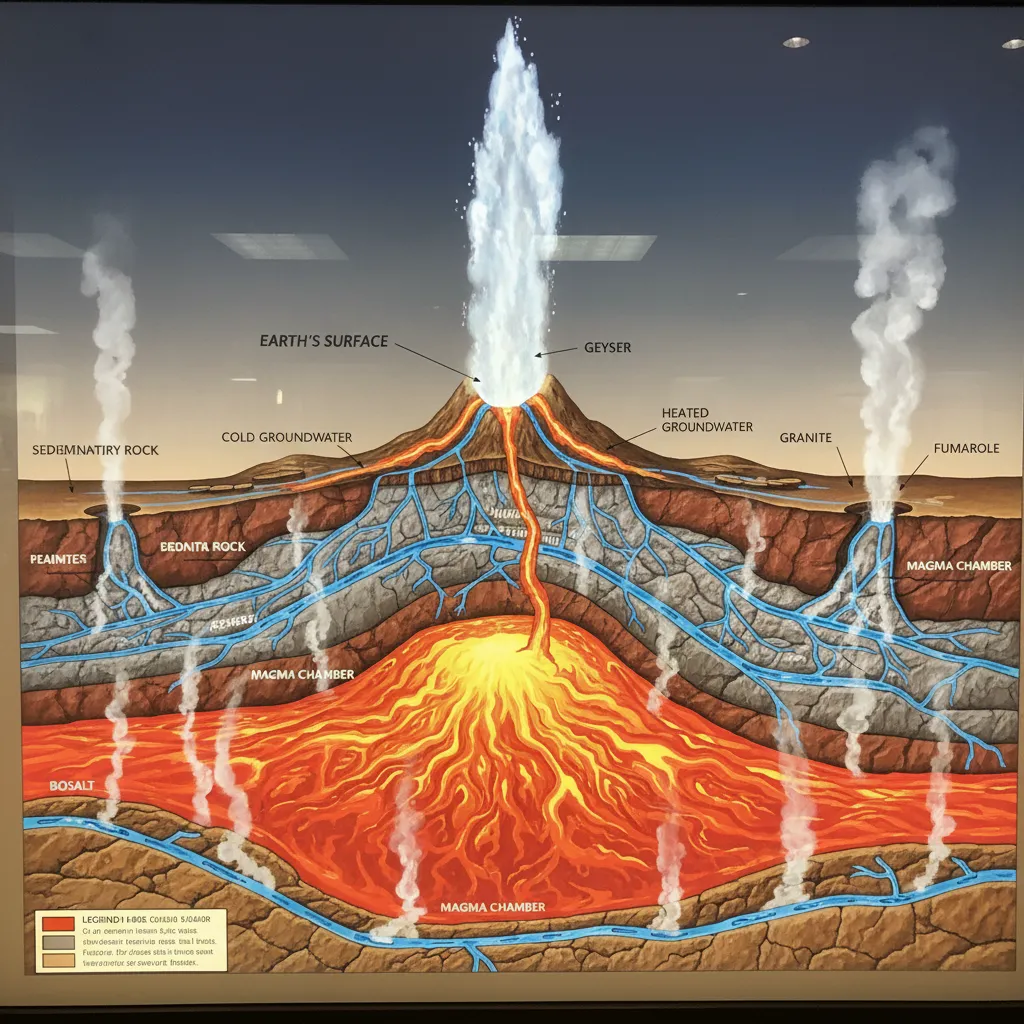
The majority of the country’s geothermal activity occurs in the Taupō Volcanic Zone (TVZ). This V-shaped area of the North Island extends from Mount Ruapehu in the center to White Island (Whakaari) off the Bay of Plenty coast. Here, the Earth’s crust is exceptionally thin—often only a few kilometers deep compared to the usual 30 to 40 kilometers. This thin crust allows magma to rise closer to the surface, heating the groundwater reservoirs above it.
What Creates the Different Features?
Visitors to geothermal parks will encounter a variety of thermal features, each formed by specific conditions of heat, water flow, and mineral content:
- Geysers: These are the most dramatic features. They occur when a constriction in the underground plumbing prevents heated water from circulating freely. The water superheats, turns to steam, and the resulting pressure forces a column of water and steam to erupt into the air. The Pōhutu Geyser in Rotorua is the Southern Hemisphere’s largest active geyser.
- Fumaroles (Steam Vents): When the water supply is limited, the water boils away before it reaches the surface, resulting in a vent that releases only steam and volcanic gases like carbon dioxide and hydrogen sulfide. The hissing sound of a fumarole is the sound of the earth breathing.
- Mud Pools: These occur where steam and gas rise through surface water. Acidic gases attack surface rocks, turning them into clay. When mixed with the heated water, this creates a bubbling, viscous slurry often compared to boiling porridge.
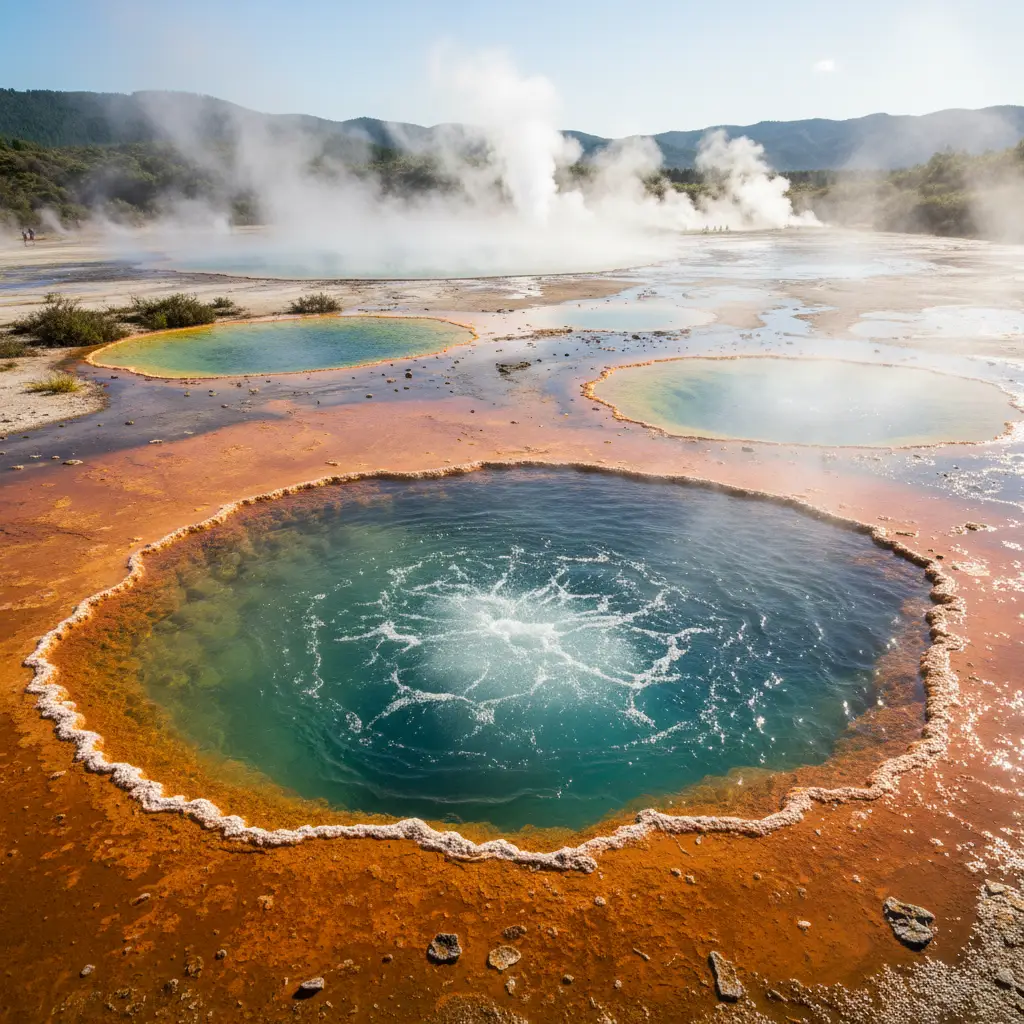
- Sinter Terraces: As hot water travels through rock to the surface, it dissolves minerals, particularly silica. When this water surfaces and cools, the silica precipitates out, building hard, often colorful terraces over centuries.
Top Geothermal Parks NZ: Where to Go
While geothermal activity can be found in various spots, specific designated parks offer the safest and most spectacular viewing experiences. These locations are managed to balance tourism with conservation.
Wai-O-Tapu Thermal Wonderland
Located south of Rotorua, Wai-O-Tapu is renowned for its surreal colors. The park’s signature feature is the Champagne Pool, a massive spring with a vibrant orange sinter rim created by antimony and arsenic compounds. The Lady Knox Geyser is induced to erupt daily at 10:15 AM, providing a guaranteed spectacle for visitors.
Te Puia (Whakarewarewa Geothermal Valley)
Te Puia is perhaps the most famous geothermal park in NZ, primarily due to the Pōhutu Geyser, which erupts up to 20 times a day, reaching heights of 30 meters. Beyond the geology, Te Puia is a center for Māori culture, housing the New Zealand Māori Arts and Crafts Institute. It is a dual-heritage site where geology and genealogy intertwine.
Waimangu Volcanic Valley
Waimangu is unique because it is the world’s youngest geothermal system, created directly by the eruption of Mount Tarawera in 1886. This valley focuses heavily on eco-tourism and botany, showcasing how life regenerates on devastated land. The Frying Pan Lake here is one of the world’s largest hot water springs.
Hell’s Gate (Tikitere)
Named by George Bernard Shaw, Hell’s Gate is famous for its boiling mud pools and land coral. It is also one of the few places where visitors can safely bathe in geothermal mud, which is prized for its therapeutic properties. The landscape here is stark and prehistoric.
Cultural Significance to Māori
For the Māori people, specifically the Te Arawa iwi (tribe) of the central North Island, geothermal resources are not merely geological curiosities; they are a fundamental part of daily life and spiritual history. This relationship is a cornerstone of New Zealand’s regenerative travel ethos, where visitors are encouraged to understand the wairua (spirit) of the land.
The Legend of Ngātoroirangi
According to Māori oral history, geothermal activity was brought to New Zealand by the high priest Ngātoroirangi. While ascending Mount Tongariro, he was struck by a freezing wind. He called out to his sisters in Hawaiki (the ancestral homeland) to send fire to save him. The fire gods traveled underground, surfacing at White Island, Rotorua, and Taupō, leaving a trail of geothermal heat that eventually reached and saved Ngātoroirangi. This legend explains the linear distribution of the Taupō Volcanic Zone.
Practical and Spiritual Uses
Historically and contemporarily, geothermal energy is utilized for:
- Kai (Food): Steam vents and boiling pools are used to cook food. This method, often involving a flax basket lowered into a pool or a steam box (ngāwhā), imparts a unique flavor to the food. The traditional Hāngī is a variation of earth-oven cooking.
- Rongoā (Medicine): The mineral-rich waters and muds are used to treat ailments such as arthritis, rheumatism, and skin conditions.
- Kaitiakitanga (Guardianship): Māori view themselves as guardians of these resources. The concept of Kaitiakitanga dictates that the land must be protected for future generations. When visiting geothermal parks, you are entering wāhi tapu (sacred places), and respect is paramount.

Regenerative Travel & Sustainability
New Zealand’s tourism strategy has shifted from sustainable to regenerative tourism. This means leaving a place better than you found it. Geothermal parks are fragile ecosystems. The silica terraces can be damaged by a single footstep, and the unique thermophilic (heat-loving) plants that grow in these zones are rare.
When visiting geothermal parks in NZ, consider the following:
- Support Iwi-Owned Operations: Many parks, like Te Puia and Hell’s Gate, are owned or operated by local Māori trusts. Your entrance fees directly support the preservation of culture and the environment.
- Stay on the Path: This is not just for safety; it prevents erosion and protects the delicate microbial mats that give the thermal features their vibrant colors.
- Carbon Offsetting: Traveling to NZ involves a long flight for most. Choose operators within the country that have carbon-zero certifications.
Safety Zones and Warnings
The beauty of geothermal landscapes often masks their inherent danger. These are active volcanic environments where conditions can change rapidly. Understanding safety protocols is essential for any visitor.
Understanding Hydrogen Sulfide (H2S)
The most immediate sensation upon entering Rotorua or other geothermal areas is the smell of “rotten eggs.” This is Hydrogen Sulfide. In open areas, it is generally harmless. However, in enclosed spaces or high concentrations, it can be dangerous. Visitors with asthma or respiratory conditions should carry their inhalers and be mindful of their breathing. If you feel dizzy or nauseous, move to fresh air immediately.
Ground Stability and Temperature
The ground in geothermal parks can be deceptively thin. What looks like solid earth may be a thin crust of sinter over boiling mud or superheated steam. Temperatures in these pools often exceed 100°C (212°F).
Critical Safety Rules:
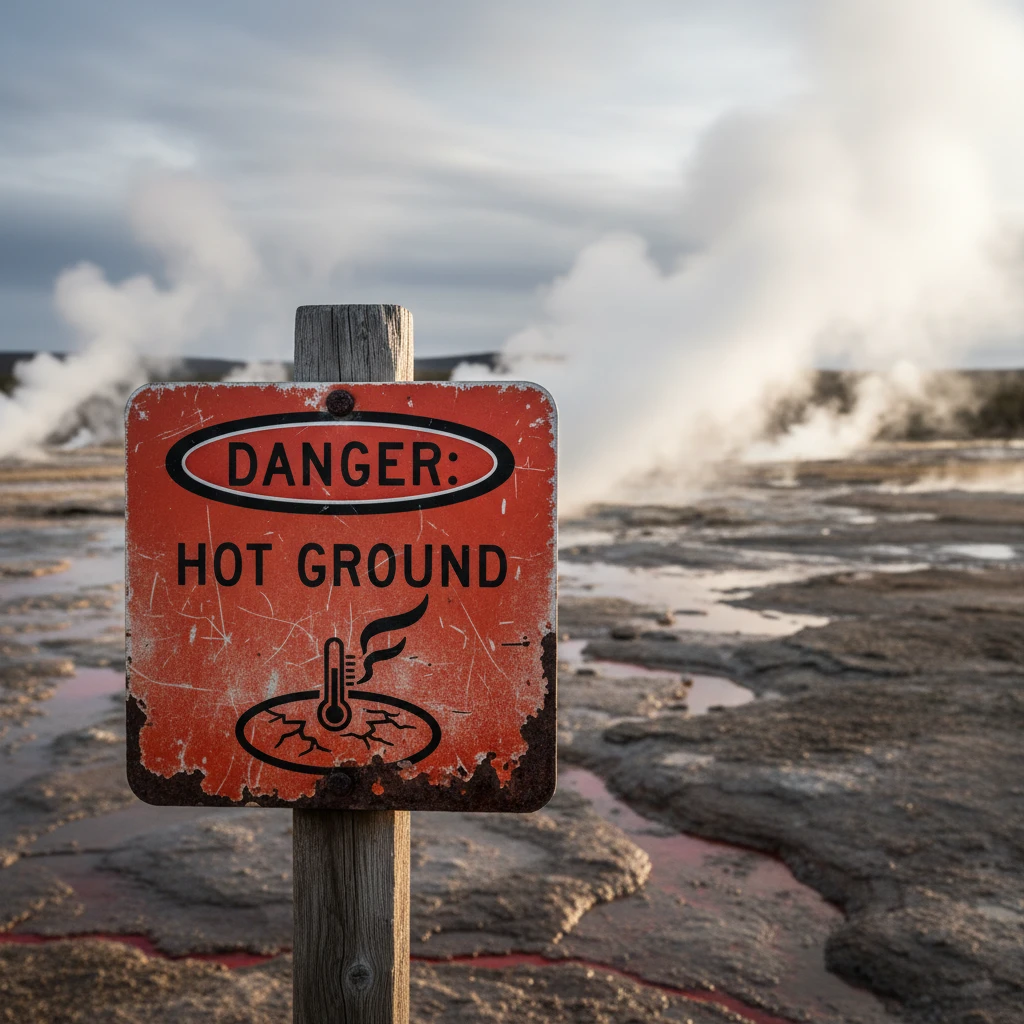
- Never cross safety barriers: Fences are placed where the ground has been tested and deemed stable. Stepping over a rail can result in severe burns or death.
- Supervise children closely: The unpredictable nature of steam vents means children should be held or kept within arm’s reach at all times.
- Respect signage: Warning signs are not suggestions. They indicate areas of high heat flow or toxic gas accumulation.
- Drone usage: Drones are generally prohibited over geothermal parks due to safety concerns and cultural privacy.
Planning Your Visit: Practical Tips
To maximize your experience in New Zealand’s geothermal parks, timing and preparation are key.
Best Time to Visit
While open year-round, the cooler months (April to October) offer the most dramatic views. The contrast between the cold air and the hot steam makes the plumes thicker and more photogenic. However, early mornings in any season are preferable to avoid crowds and see the steam rising through the morning mist.
What to Wear
- Footwear: Closed-toe, comfortable walking shoes are non-negotiable. The tracks are well-maintained but can be uneven.
- Clothing: Layers are recommended. The thermal areas can be warm, but the surrounding air might be cool. Note that the sulfur smell can cling to clothes; you may not want to wear your finest formal wear.
- Jewelry: Remove silver jewelry before visiting. The sulfur in the air will tarnish silver almost instantly, turning it black.
People Also Ask
What is the best geothermal park to visit in New Zealand?
The “best” park depends on what you want to see. For colorful water features and the Champagne Pool, choose Wai-O-Tapu. For active geysers and Māori culture, Te Puia is superior. For a hike through a regenerating eco-valley, choose Waimangu.
Is the sulfur smell in Rotorua harmful?
For the vast majority of visitors, the sulfur smell is harmless, albeit unpleasant. It is part of the natural environment. However, those with severe asthma or respiratory issues should take precautions and consult a doctor if concerned.
Are there free geothermal parks in NZ?
Yes. Kuirau Park in the center of Rotorua is a free public park with bubbling mud pools, steam vents, and foot baths. It is an excellent introduction to geothermal activity without an entrance fee.
Can you swim in the geothermal pools?
You cannot swim in the active geothermal features (like mud pools or geysers) as they are dangerously hot and often acidic. However, there are designated thermal spas (like the Polynesian Spa or Hell’s Gate) where the water is cooled to safe temperatures for bathing.
Why does the ground steam in Rotorua?
The ground steams because magma sits close to the surface, heating underground water reservoirs. This steam escapes through cracks and vents in the Earth’s crust, a phenomenon visible throughout the region.
Is it safe to visit geothermal parks with children?
Yes, it is safe provided you follow all rules. Stick to the boardwalks, do not run, and ensure children are supervised at all times. Most major parks are stroller-friendly on the main paths.