Regenerative travel in New Zealand is a holistic approach to tourism that goes beyond sustainability by actively improving the environment and communities visited. It involves leaving the destination better than it was found through conservation efforts, cultural respect, and deep nature immersion, offering travelers profound restorative wellbeing while healing the land.
In an era defined by hyper-connectivity and urban fatigue, the concept of travel is shifting. It is no longer enough to simply see the world; travelers are seeking to heal it—and in doing so, heal themselves. Aotearoa New Zealand, with its ancient landscapes and indigenous ethos of guardianship, stands at the forefront of this movement. By engaging in regenerative travel, visitors move from being passive observers to active participants in the restoration of the natural world.
What is the Philosophy of Regenerative Travel?
Regenerative travel represents a paradigm shift in the tourism industry. While sustainable tourism focuses on minimizing harm—maintaining the status quo—regenerative tourism seeks to restore and replenish. In the context of New Zealand, this philosophy is deeply rooted in the Māori concept of Kaitiakitanga, which translates to guardianship and protection.
This approach acknowledges that humans are part of the natural ecosystem, not separate from it. When we travel regeneratively, we ask how our visit can contribute to the social, cultural, and environmental wellbeing of the place. It is a symbiotic relationship: the land restores the traveler through peace and beauty, and the traveler restores the land through conscious action and support.
Moving Beyond Sustainability
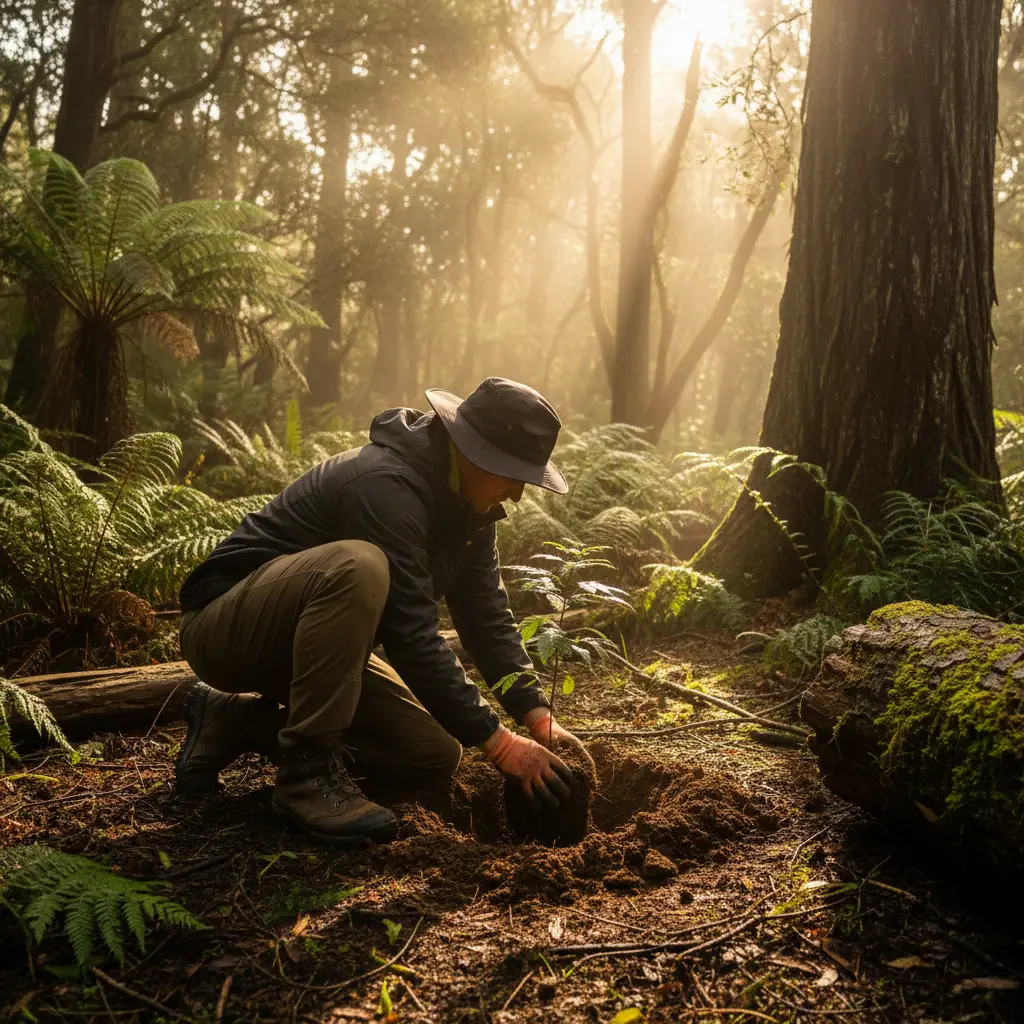
Sustainability often aims for a net-zero impact. Regenerative travel aims for a net-positive impact. In New Zealand, this might look like participating in a kiwi recovery program, staying at lodges that return a percentage of profits to waterway restoration, or engaging with local iwi (tribes) to understand the cultural significance of the landscape. It transforms the visitor economy into a tool for environmental healing.
How Does Nature Connection Improve Wellbeing?
The link between nature and human health is well-documented, yet often overlooked in modern travel itineraries that prioritize high-paced sightseeing. New Zealand’s unique geography offers a potent antidote to stress. The practice of immersing oneself in nature—often called forest bathing or Shinrin-yoku in Japan—has measurable physiological benefits.
Research indicates that time spent in biodiversity-rich environments lowers cortisol levels, reduces blood pressure, and boosts the immune system. New Zealand’s native forests, dominated by ancient Podocarps and vast fern fronds, release phytoncides—organic compounds that have been shown to enhance human natural killer (NK) cell activity.
The Physiology of Relaxation
When a traveler engages in regenerative travel, they typically slow down. This deceleration allows the parasympathetic nervous system to engage, moving the body out of “fight or flight” mode and into “rest and digest.” The visual complexity of nature, known as fractals (seen in the patterns of fern leaves or coastlines), is processed easily by the human brain, inducing a state of relaxed alertness that is rare in built environments.

Cognitive Restoration and Mental Clarity
Attention Restoration Theory suggests that urban environments drain our cognitive resources. In contrast, the “soft fascination” of New Zealand’s natural landscapes—watching a waterfall in Milford Sound or listening to bird calls on Stewart Island—allows the brain to recover. By combining this passive restoration with the active purpose of regenerative travel (such as conservation work), travelers experience a “helper’s high,” a release of endorphins associated with acts of service.
Where Can You Find True Silence in New Zealand?
In a world saturated with noise pollution, silence has become a luxury commodity. However, true silence is not merely the absence of noise; it is the presence of natural soundscapes free from anthropogenic interference. New Zealand offers some of the world’s last remaining sanctuaries of acoustic purity.
Regenerative travel encourages seeking out these quiet spaces not just for enjoyment, but to protect them. Acoustic ecology is a growing field in conservation, recognizing that noise pollution disrupts wildlife communication and breeding. By valuing quiet zones, travelers incentivize their preservation.
Sanctuaries of Sound
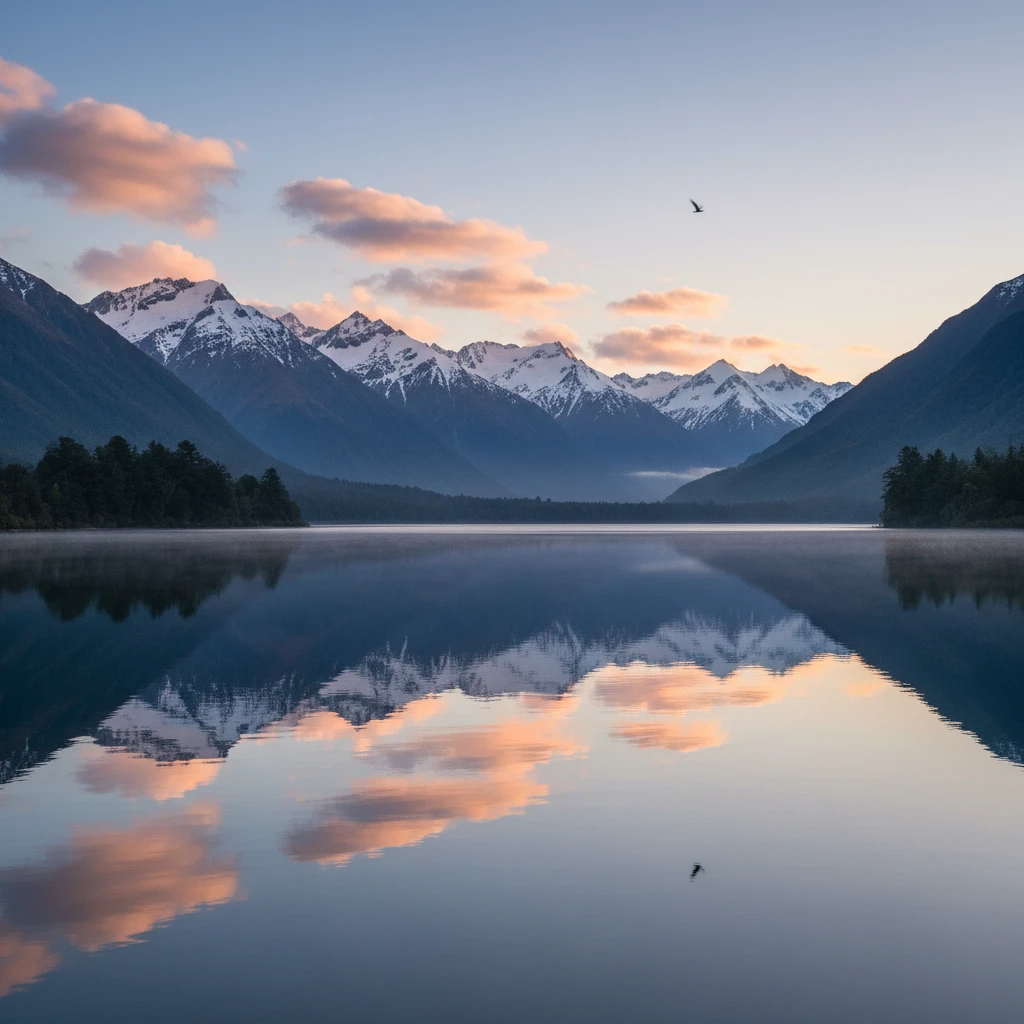
Locations such as Doubtful Sound, Rakiura (Stewart Island), and the remote valleys of the Southern Alps offer a profound auditory detox. Here, the soundscape is composed of the wind in the tussock, the call of the Tūī, and the rhythm of the ocean. Experiencing this quietude allows travelers to recalibrate their sensory baseline, leading to heightened awareness and a deeper sense of presence.
How to Practice Respectful Interaction with the Land?
Respectful interaction is the cornerstone of regenerative travel in New Zealand. It requires understanding that the land (Whenua) is an ancestor in Māori culture, possessing its own life force (Mauri). Treating the land with the respect afforded to a living relative changes the way a traveler behaves.
Embracing the Tiaki Promise
The Tiaki Promise is a commitment to care for New Zealand, for now and for future generations. It guides travelers to drive carefully, be prepared, show respect, and protect nature. Practically, this involves stringent biosecurity measures (cleaning boots to prevent Kauri Dieback disease), keeping a respectful distance from wildlife, and adhering to “leave no trace” principles.
Reciprocity and Cultural Engagement
Regenerative travel also involves cultural reciprocity. It means listening to the stories of the local people and respecting Rāhui (temporary ritual prohibitions) placed on certain areas to allow resources to recover. By engaging with Māori-owned tourism operators, travelers gain insight into the spiritual dimensions of the landscape, learning that their wellbeing is inextricably linked to the health of the environment.

Planning a Restorative and Regenerative Trip
To curate a truly regenerative itinerary, prioritize “slow travel.” Stay longer in fewer locations to reduce your carbon footprint and deepen your connection to the community. Look for accommodation and experiences that carry the Qualmark Gold Sustainable Tourism Business Award, which verifies high standards of environmental performance.
Consider off-peak travel. Visiting during the shoulder seasons (spring and autumn) alleviates pressure on infrastructure and allows for a more intimate experience with the environment. Choose operators that actively fund predator-free initiatives or reforestation projects. By making these conscious choices, your journey becomes a powerful act of restoration for both yourself and Aotearoa.
People Also Ask
What is the difference between eco-tourism and regenerative travel?
Eco-tourism focuses on visiting natural areas with minimal impact, while regenerative travel aims to actively improve the destination, restoring the environment and benefiting local communities to leave the place better than it was found.
How can I support regenerative tourism in New Zealand?
You can support regenerative tourism by choosing Qualmark Gold accredited operators, participating in volunteer conservation days, traveling during shoulder seasons, offsetting your carbon emissions, and strictly following the Tiaki Promise.
What is the Tiaki Promise?
The Tiaki Promise is a commitment for travelers in New Zealand to care for the people, place, and culture. It involves promising to protect nature, keep New Zealand clean, drive carefully, and show respect to all.
Where are the best places for quiet travel in New Zealand?
The best places for quiet travel include Stewart Island (Rakiura), the remote fiords of Fiordland (like Doubtful Sound), the Catlins, and the vast wilderness areas of the West Coast and Te Urewera.
Does New Zealand have a regenerative tourism strategy?
Yes, New Zealand’s tourism strategy is heavily focused on moving towards a regenerative model, prioritizing the wellbeing of New Zealanders and the environment over volume of visitors, guided by the principle of Kaitiakitanga.
What are the mental health benefits of New Zealand nature?
New Zealand’s nature offers reduced stress, lower blood pressure, improved mood, and cognitive restoration. The abundance of green space and clean air facilitates mindfulness and helps combat mental fatigue.