Aurora australis appears above New Zealand when charged particles from the sun collide with the atmosphere during geomagnetic storms. The best time to see the southern lights or Aurora Australis in Aotearoa New Zealand is from March to September, when the dark night skies are longer. The southern lights are not easy to see from southern New Zealand. The chances are low to photograph them with a sensitive camera, and even lower to see one that is strong enough to be visible by eye. This guide explains how to read forecasts, where to position yourself and what conditions you need.
Understanding the Kp index
The Kp index is a scale from 0 to 9 that measures geomagnetic activity. It is the most commonly cited metric for aurora hunters. Different parts of New Zealand need different Kp levels for aurora visibility.
- Queenstown requires Kp 7, while Invercargill and Stewart Island carry the lowest threshold anywhere accessible in New Zealand, Kp 6.
- For Christchurch, you need a minimum Kp index of 8.0 for aurora to be visible.
- For Auckland, you need a minimum Kp index of 9.0 for aurora to be visible.
The Kp index is a global average over a 3-hour period. A negative Bz reading in the interplanetary magnetic field increases your chances during any given Kp level, while cloud cover and moonlight reduce visibility. Check conditions before you go.
How to track aurora activity
A free service offering alerts of when the aurora might be visible from southern New Zealand, especially Dunedin, is run by scientists in the Space Physics group in the University of Otago at the Department of Physics. The service issues alerts when geomagnetic disturbance exceeds selected thresholds.
Several forecasting sites combine live solar wind data with local darkness and moon phase. These include Spot The Aurora, Aurora Alert NZ and global forecasting services. Each monitors Kp index, Bz orientation and solar wind speed.
Solar Cycle 25 reached its maximum in 2025 and remains near-peak through 2026. That means more frequent and more intense solar flares and coronal mass ejections, the events behind strong aurora displays. Activity typically occurs several times per month during the March to September window in peak solar years.
Prime viewing locations
As the southernmost inhabited island of New Zealand, Stewart Island is often touted as the best place to view the Southern Lights. Its low light pollution and proximity to the magnetic pole make it ideal for aurora viewing. Stewart Island has been awarded the Dark Sky accreditation by Dark Sky International (DSI) for offering one of the darkest locations in the world to view the night sky.
Some locations with viewing platforms include Lee Bay Car Park, Moturau Moana Gardens, Observation Rock, and Ackers Point Lighthouse. Read more about Southland and Stewart Island for access and accommodation options.
The best places to do that are dark beaches on the east coast of the southern part of South Island. The Catlins coast offers unobstructed southern horizons over the ocean. When the weather permits, the Aurora Australis is visible in many spots around Dunedin, but is best viewed on a south-facing beach like Blackhead or St Kilda.
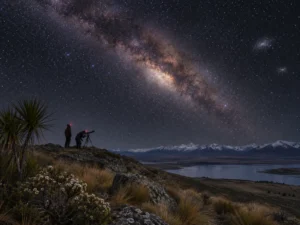
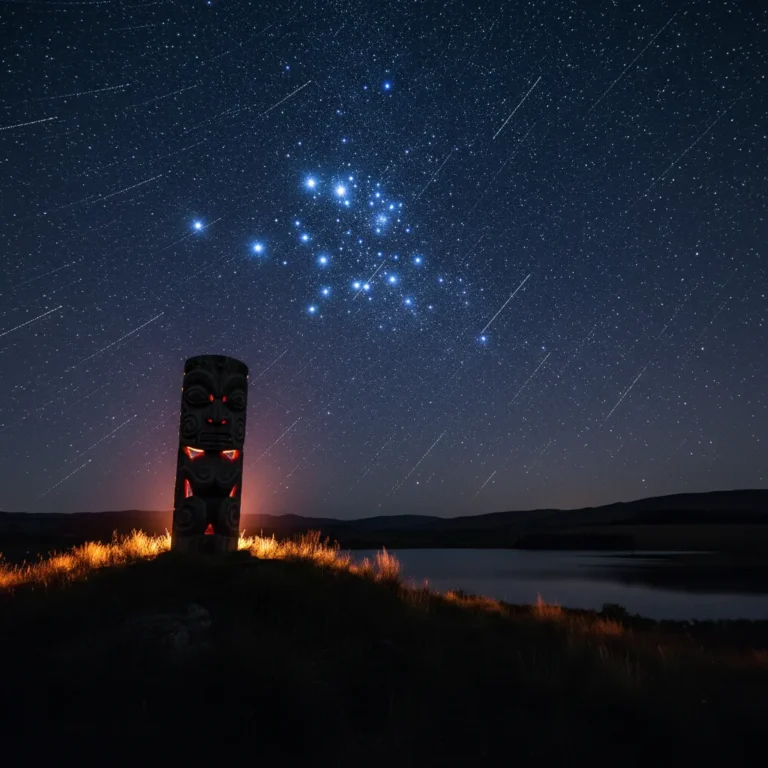
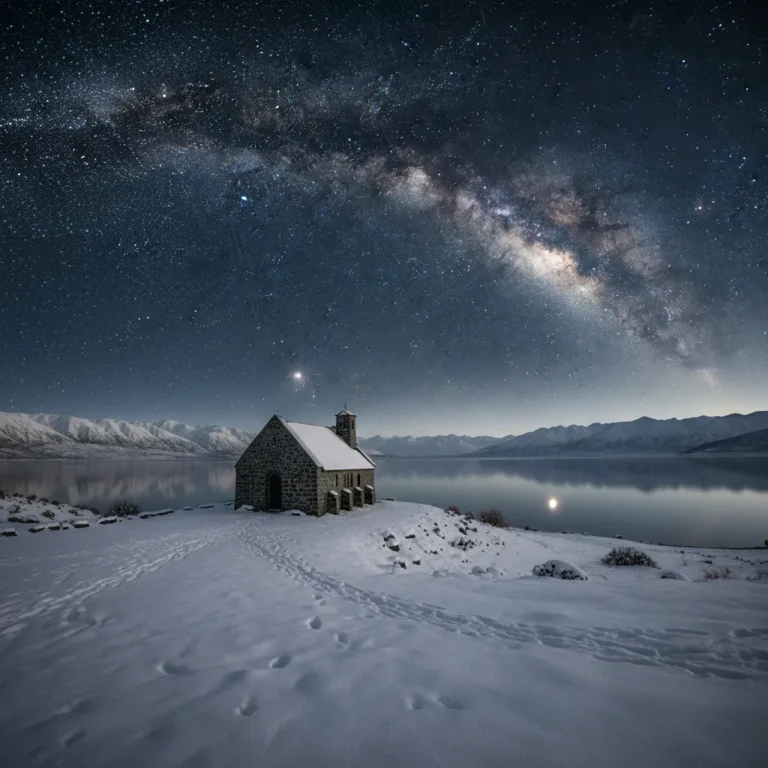
This area in the centre of the South Island usually gets clear skies for some amazing Aurora Australis displays. In fact, Lake Tekapo and the surrounding Mackenzie region is an internationally recognised Dark Sky Reserve meaning it is one of the best places in the world to stargaze, and in turn, see the Southern Lights. Facing to the south and east on the Wairarapa Coast, Wairarapa Dark Sky Reserve has great vantage points for aurora sightings. This is one of New Zealand’s largest dark sky reserves.
Explore the dark sky and stargazing directory for operators and viewing sites across both reserves, and read the Aoraki Mackenzie Reserve and Wairarapa Dark Sky Reserve guides for detailed access information.
When to look
Aurora activity can occur at any time of night, but the best viewing window is typically between 10pm and 2am. You’ll only see the southern lights at night when the sky is really dark. Midnight tends to be the best time to see them.
The southern winter months (May–July) offer the longest dark windows. The best nights for aurora viewing are those with new moons or crescent moons, as the reduced brightness allows the aurora’s colors to shine through more vividly. Additionally, the best time to view the Southern Lights is usually between 10 PM and 2 AM, when the sky is darkest.
March and September carry an additional advantage: equinoctial geomagnetic enhancement makes these months statistically stronger for aurora activity. Cloud forecasts matter as much as Kp readings. Check weather conditions for your chosen location before you travel.
What you will see
With the naked eye, you’ll see white vertical beams of light and if you’re lucky some colour too. Compared to the Northern Hemisphere aurora viewing locations – where the aurora often passes overhead – here in New Zealand, the aurora is often relatively low in the southern sky.
During strong geomagnetic storms (Kp 5+), the aurora is visible to the naked eye as moving beams of light. Camera sensors pick up colour more readily than human eyes. Long-exposure photography reveals greens, pinks and purples that may appear faint or colourless to observers on site.
High chance for aurora to be visible with the naked eye. Clearly visible with a camera. The University of Otago alert system uses a scale from 0 to 9 to indicate visibility likelihood for Dunedin.
Practical tips
You need a clear view to the south. Coastal locations facing the Southern Ocean offer the clearest horizons. Drive away from town lights and allow time for your eyes to adjust to darkness.
In addition, you’ll want to be sure you have an unobstructed view to the south and a night with minimal cloud cover. Drive 15–30 km away from city light pollution for the clearest sky.
Spending two or three nights in a key aurora-viewing destination significantly improves your chances of clear skies and favourable viewing conditions. Aurora activity is unpredictable. Build flexibility into your itinerary and monitor forecasts during your stay.
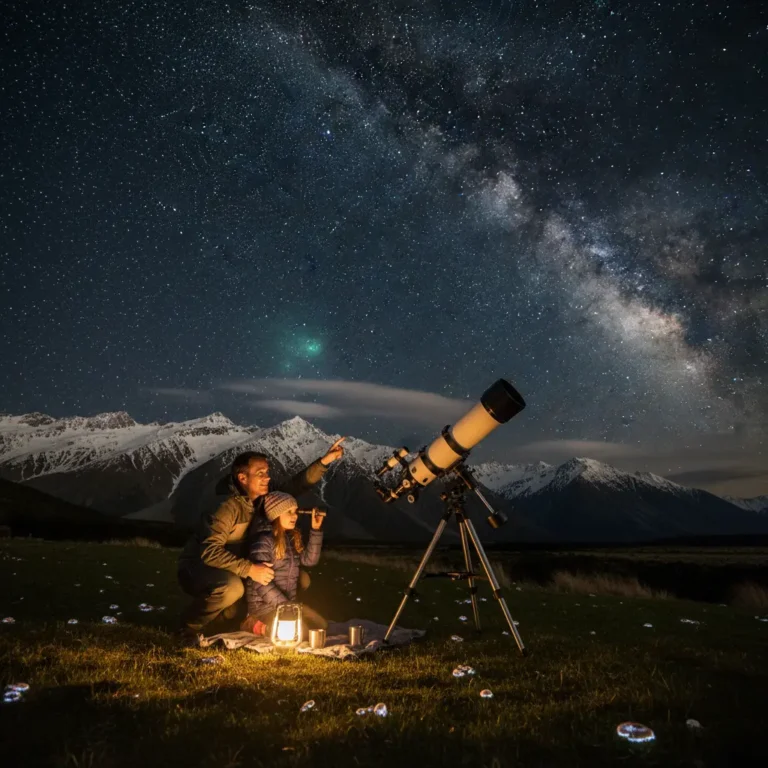
Consider eco-stays in dark sky areas where you can step outside at night when alerts arrive. Some operators in Otago and Canterbury cater specifically to night sky observers.
Camera settings
A camera captures aurora more easily than the human eye. Use manual mode with a wide aperture, high ISO and exposure times between 5 and 25 seconds. A tripod is essential. Focus manually on a distant light or star.
The Night Photography Settings for NZ Skies guide covers equipment and technique in detail. Test your settings before you travel and bring spare batteries. Cold southern nights drain battery life faster than you expect.
Sources
- Tourism New Zealand: Aurora Australis
- University of Otago: Aurora Australis Alerts
- Aurora Forecast: Aurora Australis Forecast 2026
- Spot The Aurora NZ

Independent New Zealand nature guides from 0 Digital, Aotearoa New Zealand. Details change, so check with the operator or the official source before you go. Spotted something out of date? Tell us.
 Dark skies
 Dark skies
 Dark skies